




High-performance glass processing equipment offers the accuracy, automation, and dependability required by today’s competitive markets when choosing gear for the production of architectural, automotive, or decorative glass. This book helps plant managers and engineering and procurement experts go through the important issues of equipment selection, from CNC automation capabilities to total cost of ownership. We assist you in understanding the technical specifications, operational benefits, maintenance requirements and supplier selection to enable you to make an informed investment choice that meets your production volume, quality objectives and long-term company development.
Understanding High-Performance Glass Processing Equipment
What Distinguishes Advanced Glass Machinery from Standard Models?
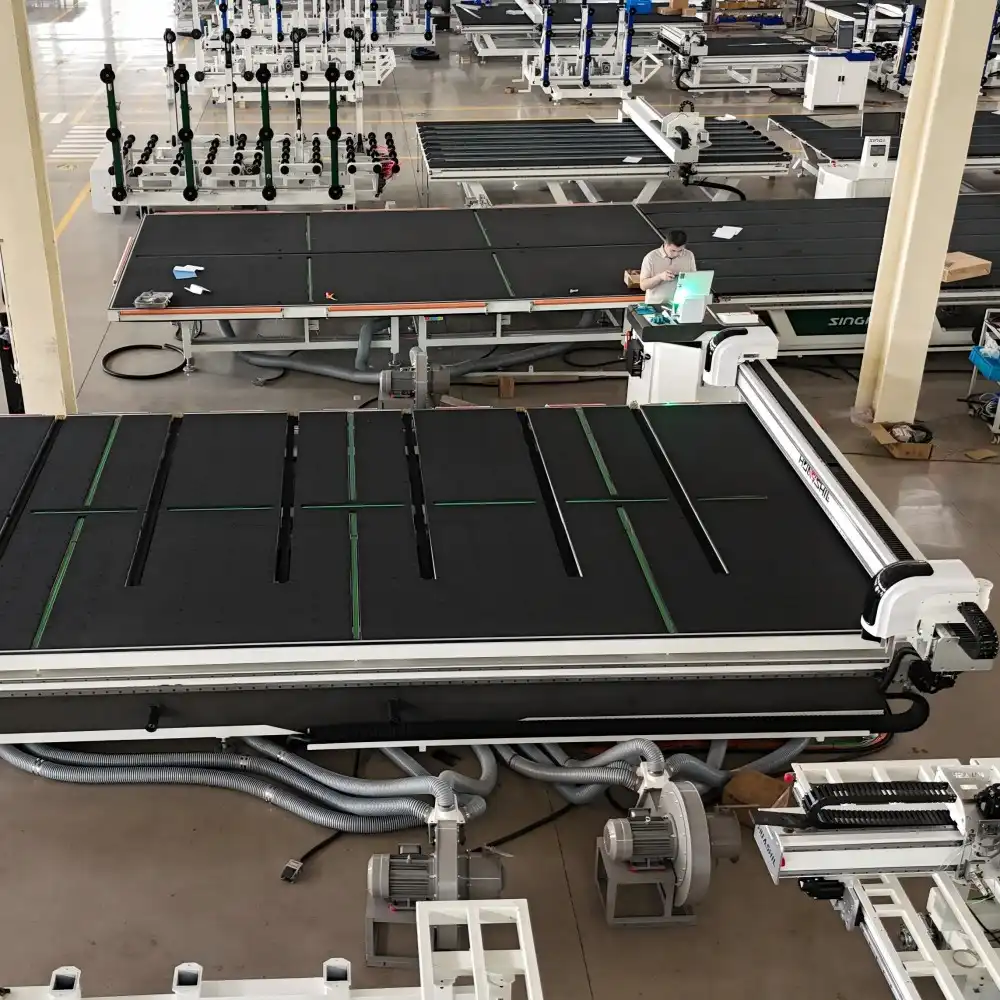
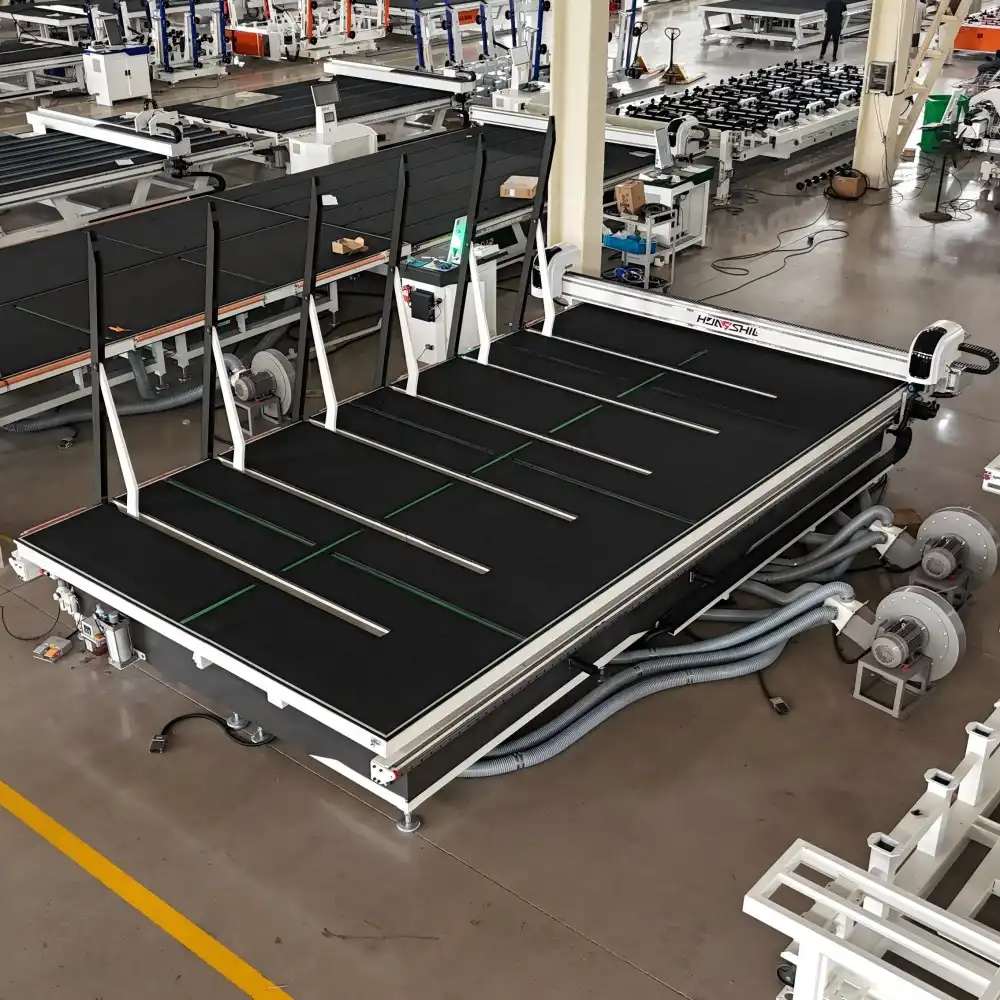
High-performance systems combine CNC automation, sophisticated software optimisation and multi-functionality in ways that traditional equipment simply cannot. This is shown by our HSL-YTJ3829 model that uses Optima optimisation software to work out cutting patterns to minimise raw material wastage – a benefit that is particularly relevant when processing big-format glass of up to 3660×2800 mm. Automatic loading, pressure control and edge-detecting capabilities remove the need for human adjustments, lowering the big-formaty of operator mi3660×2800 mm. hortening cycle times. The air flotation technology eliminates surface scratching while handling, preserving the flawless quality architectural and automotive customers need.
Core Technologies That Drive Productivity
CNC automation provides repeatability in difficult cutting and drilling processes. A 360-degree remote control walking function lets a single operator direct the equipment from numerous viewpoints, helping to improve safety and cooperation on crowded production floors. Synchronous belt conveyors provide smooth, steady movement of the glass and eliminate micro-vibrations that affect edge quality. Together, these technologies change glass production equipment from a labour-demanding manual operation to a fast, data-driven activity where throughput may be increased without losing accuracy.
Industry-Specific Applications and Capabilities
Architectural glass fabricators are advantaged by processing capabilities that can handle curtain wall panels and huge door lites in one setup. Automotive repair businesses use this range of thickness, 2-19 mm, to cut windscreens and side glass with precise tolerances. The breaking table integration is appreciated by furniture producers since it enables fast separation of cut parts without further procedures. “Robust construction and resistance to abrasive materials are also valuable for producers of sintered stone and artificial stone, expanding the utility of the equipment beyond traditional glass applications.”
Benefits of Investing in High-Performance Glass Processing Equipment
Precision and Product Quality Improvements
Dimensional precision is closely related to the downstream assembly efficiency of high-performance glass processing equipment. When glass edges are within ±0.1mm of specifications, curtain wall installers spend less time making on-site modifications, which helps to shorten project timeframes and labour costs. The automated pressure control adjusts the cutting force in real-time to avoid chips on tempered or low-iron glass. This consistency decreases rejection rates, which is crucial for operations with high-value material inputs, and enhances customer satisfaction by consistently providing defect-free goods.
Operational Efficiency and Throughput Gains
Automation eliminates human material handling and delays in setup, therefore reducing the time between production cycles. “One HSL-YTJ3829 can replace two traditional tables and several operators to release labour resources for quality control and finishing tasks. Efficient cutting routes and energy-saving servo motors limit the power consumption per square metre processed, helping you to reach your sustainability targets and save operational costs. Faster turnaround times also allow fabricators to accept urgent orders and react rapidly to changes in market demand.
Enhanced Safety and Regulatory Compliance
The CE certification is a vital point for international businesses or those supplying for export since it guarantees that the equipment fulfils European safety requirements. ISO 9001 certification proves you have consistent production processes and quality management systems, which gives confidence to the finance teams authorising your capital expenditures. Built-in safety measures such as emergency stop buttons, interlocked guarding, and remote operation capabilities prevent workers from contact with moving parts or glass edges, decreasing workplace accident rates and insurance prices.
How to Choose the Right Glass Processing Equipment for Your Business?
Assessing Your Production Requirements and Scale
The determining factor for whether modular, semi-automated systems or fully integrated lines provide the best return on investment is the production volume. Smaller to medium decorative glass businesses that run less than 50 sheets a day may be more interested in flexible, quick-changeover equipment. Architectural facilities working three shifts at high volume require rugged equipment with documented uptime data. The material type is important, too: if you are using laminated, coated or ultra-thin substrates, be sure the pressure control and vacuum systems can handle such specs with no modifications.
Evaluating Technical Specifications and Supplier Credentials
Compare the cutting accuracy criteria, software capabilities, and automation depth amongst the manufacturers of high-performance glass processing equipment. Our systems have Optima software, which has nesting algorithms that result in 8-12% better material yield than standard cutting controllers. The supplier's legitimacy is based on certificates, reference installations, and after-sales infrastructure. Ask about case studies of comparable sectors and production sizes, and ask about spare parts lead times—critical for maximising uptime. Clear warranty terms and training programmes demonstrate dedication to long-term partnerships, not transactional transactions.
Calculating Total Cost of Ownership and ROI
Purchase price is just 40-50% of life cycle expenditures. Think about power usage , maintenance schedules , cost of consumables , software licenses etc . If you pay 15% more for a machine but save 20% in operation, you will recoup your additional expenditure in 18 to 24 months. Review depreciation schedules and tax benefits for capital equipment and create ROI models for cautious, moderate, and optimistic output estimates. This discipline of financials allows you to have educated conversations with budget approvers and ensures that your purchases fit with strategic company goals.
Maintenance and Optimisation of High-Performance Glass Processing Machines
Preventive Maintenance Protocols and Best Practices
Unplanned downtime is prevented by regular lubrication of linear guides, checking the synchronous belts for wear, and calibration of pressure sensors. We propose a weekly checklist inspection of all electrical connections, air flotation system filters, and the cutting head alignment. A computerised record of all maintenance work will help us identify trends such as more frequent failure of certain parts so that we can act in anticipation of failure. Training in-house personnel to do basic diagnostics minimises the need for outside service visits that may add to response time and expense.
Troubleshooting Common Operational Challenges
Edge quality problems are often caused by worn cutting wheels or improper pressure settings. Refer to the technical data sheet to confirm specifications for glass type and thickness. Old firmware may cause glitches in the software. Regular updates by the manufacturer will guarantee the software is compatible with new operating systems. In case automated edge detection does not work, examine sensor cleaning and calibration protocols. If the problem is electrical or software-based and is more involved than basic mechanical adjustments, you may usually find a quicker fix by contacting your supplier's technical support department directly.
Continuous Improvement and Performance Monitoring
Track performance metrics, including cutting speed, material yield %, and energy use per unit. Compare these numbers each quarter to discover chances for improvement. Software upgrades often provide improved nesting algorithms or additional process modes. Plan to install during scheduled maintenance intervals. The capabilities of the equipment are enhanced by lean manufacturing methods such as 5S workplace organisation and single-piece flow that magnify productivity improvements. Operators involved in continuous improvement projects use knowledge from the front lines that engineering teams may ignore.
Cost Considerations and Procurement Options
Budgeting for Capital Equipment Investment
Budget for the high-performance glass processing equipment itself, including installation, operator training, and initial spare parts inventory. Site prep may involve electrical modifications, compressed air systems or foundation strengthening for heavy machinery. Contingency money should be reserved to meet any unforeseen changes during commissioning. Financing options: Buying outright will maintain cash flow but tie up capital, while leasing can spread the cost over a number of years with possible tax benefits. Compare interest rates. Compare residual value terms. Compare upgrading provisions.
Flexible Payment Terms and Procurement Strategies
Letters of credit are often used in international transactions to reconcile the protection of the buyer with the security of the provider. Deposit arrangements (usually 30-40% up front, remainder on delivery) connect payment with project milestones. If you buy more than one piece of equipment or a whole production line, you may decrease the total price via volume discounts or service packages. Modular equipment designs enable progressive investment – begin with core cutting and breaking capabilities, then include automated loading or edging modules as production increases. It aligns financial expenditure with revenue growth and leaves open upgrade paths.
Evaluating Warranty Coverage and After-Sales Support
The standard warranties (12-24 months) give a basic level of confidence, but review the limitations for consumables, operator mistakes or environmental conditions. Known maintenance costs are useful for budget planning with extended warranties or service contracts. Evaluate supplier response times, regional service centre locations and parts availability – essential considerations when equipment downtime affects delivery obligations. Remote diagnostics and video assistance features expedite problem resolution, minimising the need to send a professional on site and the accompanying travel costs.
Conclusion
The choice of equipment for glass manufacturing should take into account the technical and economic performance and the reliability of suppliers. The HSL-YTJ3829 is an example of a high-performance system where CNC automation, intelligent optimisation and rigorous safety measures meet the needs of architectural, automotive and decorative glass applications. A complete analysis of the production requirements, total cost of ownership and after-sales support will position your organisation for long-term competition. With the expertise in this book, procurement teams will be able to successfully manage the selection of equipment, maintenance planning and supplier relationships, leading to measurable increases in quality, efficiency and profitability.
FAQ
1. How Do Modern Glass Processing Systems Integrate with Existing Factory Infrastructure?
Contemporary equipment communicates via standard industrial protocols such as Ethernet/IP or Modbus, enabling seamless data exchange with ERP and MES systems. Footprint dimensions and utility requirements should align with available floor space, electrical capacity, and compressed air supply. Most suppliers provide technical drawings and site assessment services during the quotation phase to identify necessary modifications, ensuring smooth installation without production disruptions.
2. What Factors Most Significantly Influence Equipment Lifespan?
Operating environment, maintenance discipline, and usage intensity shape longevity. Machines maintained per manufacturer schedules and operated within specified duty cycles routinely deliver 10-15 years of productive service. Conversely, neglected lubrication, overloading, or exposure to excessive dust accelerates wear. Investing in operator training and establishing preventive maintenance routines maximises asset life and protects capital investments.
Partner with HUASHIL for Superior Glass Processing Solutions.
Shandong Huashil Automation Technology Co., Ltd. brings decades of expertise in designing and manufacturing advanced glass processing systems tailored to architectural, automotive, and decorative applications. Our HSL-YTJ3829 CNC cutting line, certified to CE and ISO 9001 standards, combines Optima optimisation software with automatic loading, pressure control, and air flotation technology to deliver unmatched precision and throughput. As a trusted high-performance glass processing equipment manufacturer, we support clients from initial consultation through installation, training, and ongoing technical assistance. Contact our team at salescathy@sdhuashil.com to discuss customised configurations, request detailed specifications, or arrange a virtual demonstration that showcases how our solutions address your unique production challenges and business objectives.
References
1. Glass Manufacturing Industry Council. (2023). Automation and Efficiency Standards in Modern Glass Fabrication. Industry Publications.
2. Thompson, R. & Martinez, L. (2022). Capital Equipment Procurement Strategies for Glass Processing Plants. Manufacturing Management Review, 45(3), 112-128.
3. European Committee for Standardisation. (2021). Safety Requirements for Glass Processing Machinery: EN 12543 Compliance Guide. Brussels: CEN Publications.
4. Wilson, J. (2023). Total Cost of Ownership Analysis for Industrial Automation Equipment. Journal of Production Economics, 58(2), 89-104.
5. International Glass Technology Association. (2022). CNC Automation Advances in Architectural and Automotive Glass Manufacturing. Technical White Paper Series.
6. Chen, H. & Roberts, K. (2023). Predictive Maintenance Protocols for High-Performance Manufacturing Systems. Automation Engineering Quarterly, 37(1), 56-73.