




An all in one glass cutting machine offers the best combination of usefulness, space efficiency, and automation for small companies considering investments in glass processing. These combined systems combine several manufacturing processes—such as cutting, scoring, and breaking—into a single area. This gets rid of bottlenecks and lowers the need for manual labor. The HUASHIL HSL-YTJ3829 is one of the best choices for small manufacturers. It has automatic loading, edge-finding precision, and air flotation technology that are made for companies with limited room and a wide range of production needs.
How to Choose the Best All In One Glass Cutting Machine for Your Small Factory
It's important to carefully weigh the technical specs of the glass cutting tools you want to buy against your budget and output needs. This framework for making decisions helps match the powers of machines with the way the business works.
Evaluating Production Capacity and Technical Specifications
The size of the machine you need depends on how much you make every day. Find the average number of glass sheets that are handled per shift, taking into account times when demand is high during busy times. The HSL-YTJ3829 can handle sheets up to 3660x2800mm, which makes it good for glazing in buildings and making furniture. However, make sure that the largest size of glass it can handle is the same size as your biggest orders. The cutting thickness range is very important. Machines that work with 2–19 mm glass can handle most normal building and artistic tasks, but for unique products, they may need to be able to do other things.
Precision in placing and cutting speed has a direct effect on quality and output. Automatic edge-finding technology gets rid of the need for human alignment, which cuts cycle time by 20–30% compared to manual placement. Tolerances of less than 1 mm make sure that the quality of the product stays the same from one production run to the next. This cuts down on customer complaints and the cost of repairs.
Analyzing Total Cost of Ownership
The purchase price only includes the original payment. To find the total cost of ownership, you need to add up the costs of installation, operator training, expected repair plans, and the supply of spare parts. Certified machines that meet CE and ISO9001 standards usually have better build quality and follow all the rules, which lowers the cost of long-term upkeep and ensures that safety rules are followed at work.
Different models use a wide range of amounts of energy. Electricity is used by air flotation systems and automatic conveyors, so figure out how much the monthly costs will be by looking at the local energy rates and the number of hours you plan to work. If you want to use optimization programs like Optima, you may have to pay ongoing subscription fees that affect your yearly running budgets.
Supplier Reputation and After-Sales Support
The knowledge and help system of the manufacturer has a big impact on how reliable the equipment is. HUASHIL has decades of experience in robotics engineering and is backed by well-established service networks that offer expert support and spare parts. Carefully look over the guarantee terms. Full coverage for mechanical parts, control systems, and software for at least twelve months will protect your investment during the important first few months of use.
Ask possible providers if they can do remote testing. The HSL-YTJ3829's 360-degree remote control lets workers fix problems without having to go to the spot right away, which cuts down on downtime caused by technical issues. If you have detailed paperwork and training materials in English, your operators will be able to fully use the machine's features.
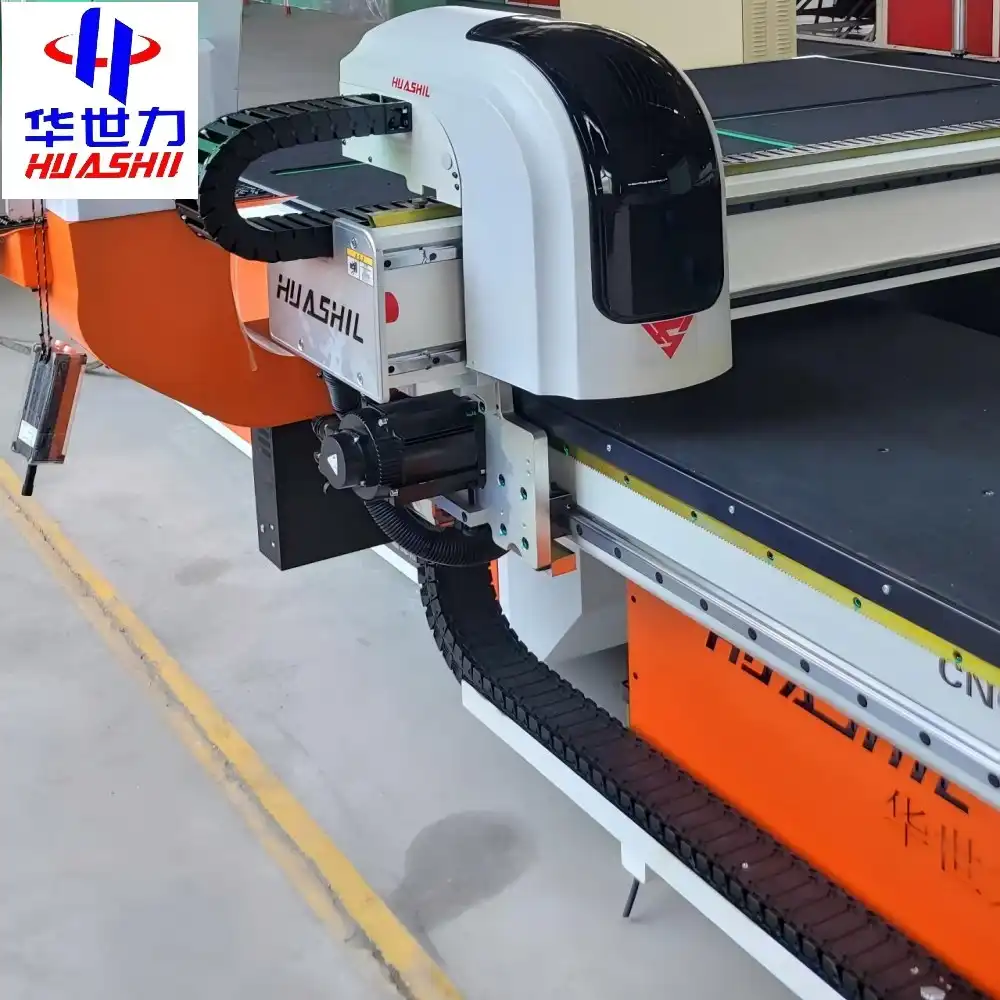
Top All In One Glass Cutting Machines for Small Factories in 2024
There are a lot of different choices on the market right now for small plant uses, and each one strikes a good balance between price, capability, and specialization. We looked at the best models by checking their success data, getting feedback from users of similar-sized businesses, and comparing value to investment needs.
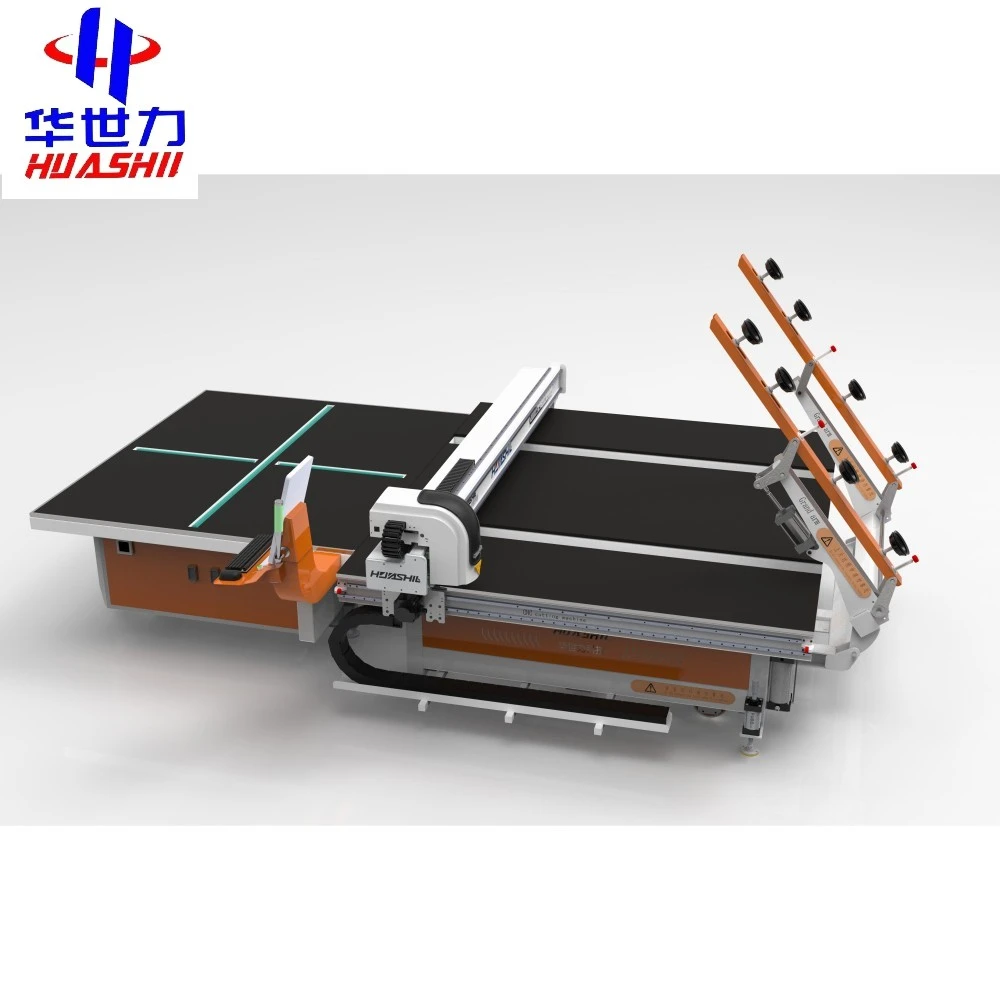
HUASHIL HSL-YTJ3829: Comprehensive Automation for Growing Factories
The HSL-YTJ3829 stands out because it is a full system made for small to medium-sized production settings. This all in one glass cutting machine can work with glass sheets that are up to 3660 mm x 2800 mm and have a width of 2 mm to 19 mm. It can be used for decorative purposes, furniture panels, and building glass. Its automatic filling system gets rid of the need to handle heavy sheets by hand, and its automatic pressure control changes the cutting force based on the thickness of the material without the user having to make any changes.
The built-in air float system helps the material move smoothly across the cutting table, keeping the coats on the delicate surfaces from getting scratched. With a built-in breaking table, the cutting process can be finished in the same space, without having to move to different breaking stations. The Optima optimization program looks at customer orders and figures out the best way to cut the materials so that as little waste as possible happens on normal architectural orders.
Throughout the production process, synchronous belt machines keep the glasses precisely in place, which ensures consistent edge quality. The 360-degree remote control lets workers handle the machine's functions from the best viewing angles, which makes the job safer and easier to do. CE and ISO9001 certifications show that a product meets international quality standards. This gives manufacturers who want to sell trust and meet local regulatory requirements.
Comparative Analysis of Alternative Models
Other trustworthy companies make tools with a focus on different features. Some people prefer higher cutting speeds for repeat production runs. These models can get cycle times 15–20% faster than normal models, but they are less flexible for different glass shapes. Options that are cheap on budget don't have automatic loading systems, which lowers the cost of buying by about 25% but requires more work to move the materials.
Ultrathin glass processing machines can work with materials thinner than 2 mm, which is good for electronics and displays, but not so good for normal building glass. Heavy-duty industrial models can handle sheets bigger than 4000mm, but they need a lot more floor room and a stronger power source, so small factories that are short on space can't use them.
The HSL-YTJ3829 is in a good middle ground because it has the robotic features you'd expect to find in high-end industrial equipment while still having the small size and easy access that small companies need. This mix makes it perfect for companies that want to switch from manual to automatic production without having to make big changes to their facilities.
Value Assessment for Small Factory Investment
The HSL-YTJ3829 has a high return on investment possibility when you look at its purchase price compared to its operating benefits. Automatic filling and edge-finding features cut down on the amount of work that needs to be done by about 40%. This saves enough on annual salaries to cover the cost of the equipment within two to three years of use. Using optimization software to cut down on material waste saves between 3 and 5 percent of the cost of raw materials, which is a big chunk of money when working with high-end building glass or specialty finishes.
Maintenance needs are still low because the mechanical design is strong and parts are placed in places that are easy to reach. Standard maintenance chores, like lubrication, belt inspection, and sensor cleaning, can be done by trained workers instead of hiring specialized techs. This lowers the cost of ongoing service. Spare parts are easy to get through HUASHIL's distribution network, which reduces the chance of downtime when parts need to be replaced.
Maintenance Tips and Safety Precautions for Long-Term Machine Performance
Consistent repair practices directly affect how long equipment lasts and how reliably it produces goods. Simple maintenance procedures that workers can handle without a lot of training are especially helpful for small companies using an all in one glass cutting machine.
Routine Maintenance Schedule
Cleaning every day keeps glass dust and other garbage from building up and getting in the way of sensors and motor parts. Use lint-free cloths and the right cleaning solutions to wipe down cutting surfaces. Don't use rough materials that could damage delicate parts. Check synchronous belts for proper alignment and tension, and make any necessary adjustments according to the manufacturer's instructions if they move too much.
Lubricating the guide rails and moving parts once a week keeps them running smoothly and stops them from wearing out too quickly. Follow the directions for the oils that come with your tools. Using the wrong ones can attract dirt or damage the seals. Check the air float system filters and clean or replace them if there is a blockage in the flow of air, which is usually shown by the glass not gliding as well.
As part of monthly checks, electrical connections should be checked for rust and tightness, safety interlocks should be made sure to work, and emergency stop systems should be tested. Every three months, you should calibrate the cutting heads and tracking systems to keep the accuracy within the limits that were set. Keep track of all repair tasks so you can see patterns in performance and figure out when parts need to be replaced before they break.
Common Troubleshooting Solutions
When the accuracy of the cuts drops, make sure the cutting table stays level and the setting lines stay in the right place. Edge-finding mistakes are often caused by glass dust building up on sensors. These problems can be fixed by carefully cleaning the sensors with the right chemicals. Before calling for service, check the pressure monitors and air supply lines for jams or leaks if the automatic pressure control doesn't work.
When a conveyor belt slips, it's usually because the tension is wrong or the belt sides are worn down. Adjust the tightness according to the manufacturer's instructions, or change the belts when you can see wear on the surface. Software optimization mistakes are often caused by wrong material parameters. Make sure that the thickness, quality, and coating specs of the glass match the materials that are being handled.
Safety Protocol Implementation
When teaching operators, they need to stress the right way to deal with machines. Make sure that everyone on the job knows where the emergency stops are and what conditions call for an instant shutdown. When working near glass handling equipment, make sure everyone has the right safety gear, like safety glasses, cut-resistant gloves, and shoes with steel toes.
Put up barriers around automatic loading zones to keep people who aren't supposed to be there from getting in while they're working. With the HSL-YTJ3829's remote control feature, workers can stay away from moving glass while still handling the machine's functions. Set up lockout/tagout processes for maintenance work to make sure that equipment doesn't get turned on by chance while work is being done. Regular safety training helps people remember how to do things right and stops them from getting lazy when they do them all the time.
Procurement and Supplier Insights: How to Buy an All In One Glass Cutting Machine
Strategic buying planning makes sure you get the right tools through dependable channels, all while keeping costs and delivery times under control for an all in one glass cutting machine.
Identifying Authorized Suppliers and Distribution Channels
If you want to be sure you're getting real glass-cutting tools, only buy it from well-known brands or their approved distributors. HUASHIL has direct sales platforms for important countries and keeps in touch with regional distribution partners to help with local needs. Ask for business licenses, manufacturer authorization papers, and references from current users in the same industry as the seller to make sure they are who they say they are.
Trade shows like GlassBuild America and Glasstech Asia let you see tools in person, compare different types, and talk to representatives from manufacturers directly. These events are great for meeting other factory owners and workers who can share honest feedback about how to use different kinds of equipment.
Negotiating Purchase Terms and Payment Structures
When businesses buy equipment, they usually pay a deposit and the rest of the money at the end. The deposit is usually 30 to 50 percent of the total cost, and the rest is due before the equipment is shipped or installed. Through banking middlemen, letter of credit agreements protect both the buyer's and the seller's interests in foreign deals.
Ask for thorough quotes that list the prices of the equipment, any extras you might want, shipping costs, installation services, and training for the user. Make it clear what parts are covered by the guarantee, how long the coverage lasts, how long it takes for service requests to be answered, and whether repairs need to be done on-site or the product needs to be sent back to the supplier. Talk about including replacement parts in the extra parts package for things like cutting wheels, belts, and seals that are often needed.
For certain uses, machines can be set up in ways that are unique to them. HUASHIL can do both OEM and ODM, which means that stock models can be changed to meet specific output needs. Customization adds 6 to 12 weeks to the procurement process, but the tools you get are perfectly matched to your business needs.
Managing Logistics and Installation Planning
Freight forwarding, customs clearance, and final delivery to your building all need to be coordinated when you ship goods internationally. Make sure that the sellers you're working with offer proper packaging that is made for foreign shipping and will keep fragile electronic and optical systems from getting damaged during handling. Shipping takes between 4 and 8 weeks, but it depends on where the goods are coming from and where they are going, as well as the current state of transportation.
Before the equipment comes, make sure your building has enough electrical power, compressed air systems for gas parts, and floor loading ability to support the weight of the machine. According to the technical documentation, the HSL-YTJ3829 needs three-phase power and the right kind of circuit safety. Set up installation services through the provider or trained local workers who know how to use automatic tools for processing glass.
Operator training should happen at the same time as installation so that your team can learn how to use your tools correctly. Routine operation, basic troubleshooting, daily upkeep jobs, and safety rules are all covered in full training. Allow enough time—usually three to five days—for full training that makes operators feel confident and skilled.
Conclusion
The technical specs, operating needs, and long-term support infrastructure must all be carefully considered when choosing the best all-in-one glass cutting machine for your small business. The HSL-YTJ3829 shows how smart automation, small size, and clever optimization software can work together to help small producers deal with the problems they face every day. Its automatic loading, pressure control, and air float technology make production more efficient than it was before, but only for large-scale operations. When the initial cost is weighed against the savings in labor, less waste, and better quality, the return on investment becomes clear for companies that want to update their glassworking skills. Care must be taken when choosing a provider, insurance terms must be carefully considered, and installation and training must be properly planned. Following the advice given in this thorough review will put your factory in a better position to make smart choices about equipment that will improve its competitive position and overall success for years to come.
FAQ
1. What factors should I prioritize when selecting an all-in-one glass cutting machine for my small factory?
When looking for an all-in-one glass cutting machine for my small business, your main concerns are the amount of floor space you have and the amount of production ability you need. Make sure the machine can handle the biggest and thickest glass sheets you have. For example, the HSL-YTJ3829 can handle sheets up to 3660x2800mm and thicknesses between 2mm and 19mm, which is fine for most building and furniture uses. Look at automation features that make less work necessary, such as automatic filling and edge-finding. Think about the total cost of ownership, which includes things like how much energy it uses, how easy it is to maintain, and how easy it is to get extra parts.
2. How does automatic optimization software improve material utilization and reduce costs?
The Optima software figures out the best way to cut each glass sheet so that the most useful pieces are cut out. It then arranges customer orders so that there is the least amount of waste. By comparing the sizes of sheets to the sizes that need to be finished, the system creates plans that usually cut waste to less than 5%, compared to the 8–12% waste that happens with human planning. This improvement directly leads to lower costs for raw materials and less waste removal, which is especially helpful when working with expensive coated or specialty glass.
3. What maintenance schedule should small factories implement to ensure reliable long-term performance?
Cleaning the cutting areas and getting rid of dirt every day keeps the accuracy and stops sensor interference. Moving parts are oiled once a week, and the tension of the belt is checked every week to keep things running smoothly. Electrical connections and safety systems are checked every month to make sure they keep working properly. Cutting tools and positioning systems are kept within specs by calibrating them every three months. This regular method, which can be handled by trained operators, stops big failures and makes equipment last a lot longer than machines that only get repaired when they break down.
Ready to Transform Your Glass Production with HUASHIL's All in One Glass Cutting Machine?
As a seasoned all in one glass cutting machine maker, HUASHIL offers automation options that are designed to work well in small factories. Our HSL-YTJ3829 is a small system that uses automatic loading, smart pressure control, and full material handling to make your production as efficient as possible without breaking the bank or taking up too much floor space. We offer safe tools backed by CE and ISO9001 certifications, as well as quick expert help and spare parts that are easy to find. Get in touch with our sales team right away at salescathy@sdhuashil.com for detailed specifications, reasonable prices based on your production rate, and custom setups that meet your specific processing needs. Whether you make architectural glass, furniture parts, or curtain wall systems, our decades of experience with automation will make sure that your investment pays off in the form of lower labor costs, less waste, and uniform quality that makes customers happier.
References
1. Glass Manufacturing Industry Council, "Automation Trends in Small-Scale Glass Fabrication Facilities," Industrial Glass Technology Review, 2023.
2. Thompson, R.J., "Cost-Benefit Analysis of Integrated Glass Cutting Systems for Small Manufacturers," Journal of Manufacturing Efficiency, Vol. 47, No. 3, 2023.
3. American Glass Association, "Safety Standards and Best Practices for Automated Glass Processing Equipment," Technical Guidance Document, 2024.
4. Chen, L. and Morrison, K., "Material Optimization Algorithms in CNC Glass Cutting Applications," International Journal of Production Technology, Vol. 89, 2023.
5. European Committee for Standardization, "Machinery Safety Requirements for Glass Processing Equipment: Compliance Guidelines," CEN Technical Report, 2023.
6. Wilson, D.P., "Total Cost of Ownership Models for Capital Equipment Investment in Small Factory Environments," Business Equipment Quarterly, Vol. 28, No. 2, 2024.