




Advanced air technology in Air Float Glass Loading Tables makes a smooth surface for moving glass, which greatly improves the efficiency of glass handling. These complex systems get rid of the need for human lifting, lower the risk of breaking things, and speed up production cycles by using automatic loading systems. Traditional glass processing workflows are changed by this technology, which makes it possible to move materials without much physical effort. This leads to measurable efficiency gains and safer workplaces across all production operations.
Introduction
Air float glass loading tables are state-of-the-art pieces of handling equipment designed to make moving glass sheets safely and quickly in tough industrial production settings. Because glass is naturally fragile and there is a constant need for fast, accurate processing, efficiency is still very important in the glass production industry. Modern factories are under more and more pressure to increase turnover while keeping quality standards high and making sure workers are safe.
This in-depth study tells procurement managers, engineering teams, wholesalers, and OEM clients what they need to know about how air flotation technology can change the way work is optimized, cut down on labor costs, and improve safety standards. Our research aims to help people make smart buying decisions in global B2B markets that are very competitive and where the performance and dependability of tools have a direct effect on profits.
Understanding Air Float Glass Loading Tables
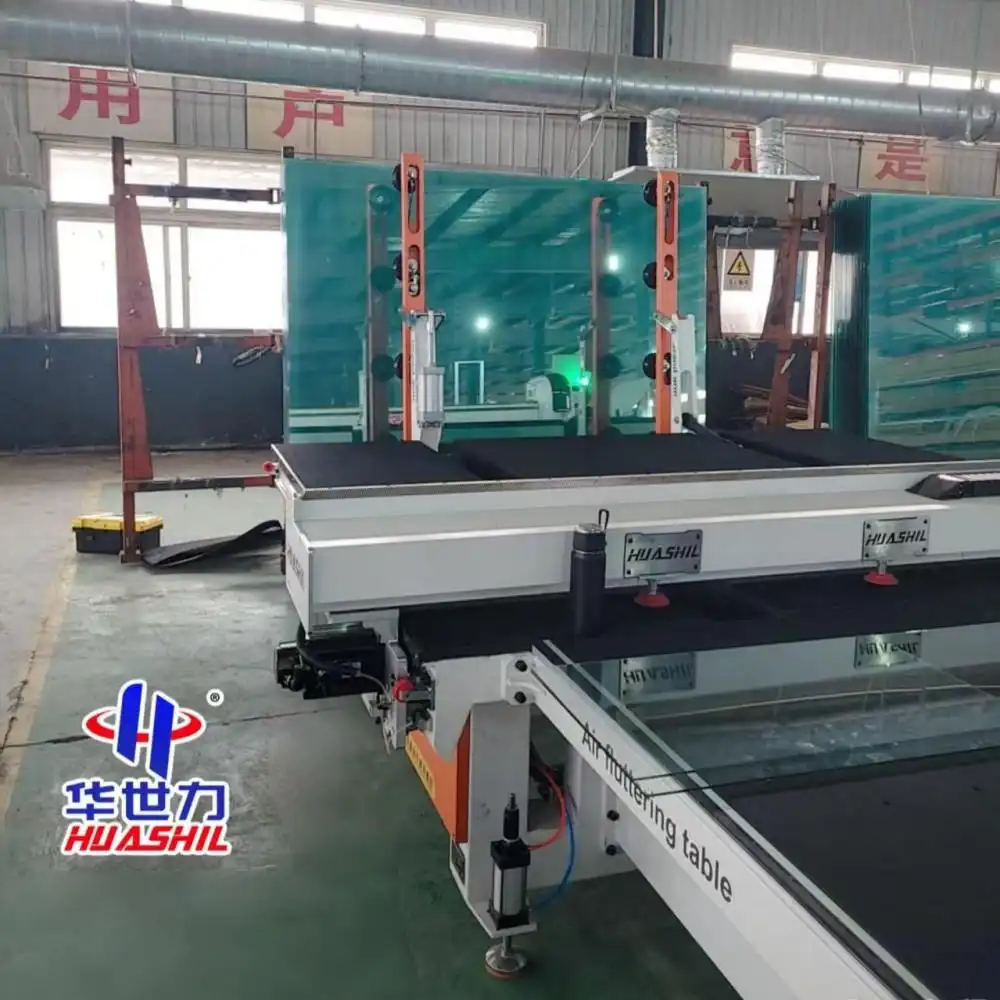
Air float glass loading tables work by creating a controlled cushion of compressed air under the glass sheets. This gets rid of any friction and makes it easy to move the sheets across the work area. These complex systems are made up of many important parts that work together to give great performance.
Core Components and Technology
The air supply system is what these tables are built on. It has precision-engineered fans and filter units that make sure the airflow is always clean. Specific materials are used to make porous surface plates that support glass sheets evenly across their full surface area. These plates create thousands of tiny air jets. Advanced control units adjust the pressure and spread of wind to make sure that the machine works at its best for all glass sizes and weights.
Modern air float systems have smart instruments that change the air pressure automatically based on the thickness and surface area of the glass. These adjustable systems keep lighter glass panels from becoming unstable because they don't have enough support or too much airflow. Digital controls let workers set the best settings for different types of glass, which improves consistency and cuts down on the time needed to set up between production runs.
Operational Advantages Over Traditional Systems
When compared to traditional operating systems that use hydraulics or vacuums, air float technology is more flexible and easy to use. Traditional roller conveyors have a lot of mechanical parts that make them harder to maintain and less flexible. Even though hydraulic systems are strong, they use a lot more energy and can expose you to contamination from fluid leaks.
Air float tables work just as well for big building sheets as they do for small decorative pieces. Because they can be easily added to automatic production lines, they can meet a wide range of industry needs. The technology allows movement in all 360 degrees, which gives operators unmatched accuracy and control when rotating and positioning glass sheets.
Key Efficiency Benefits of Air Float Glass Loading Tables
The use of air float technology has completely changed the way glass is handled. It makes workers ' jobs much less physically demanding while also improving safety standards. Scratching and edge damage that usually happen when handling glass the old way are almost eliminated when mechanical parts don't come into direct contact with glass surfaces.
Production Speed Enhancement
Glass-making plants that use air float systems say that their production processes are much shorter than those that use traditional roller and hydraulic systems. The ability to move without friction lets glass pieces be quickly repositioned and lined up, which cuts cycle times by 25–35% on average in high-volume production settings. Because of this gain, daily throughput has gone up, and capacity usage has gone up.
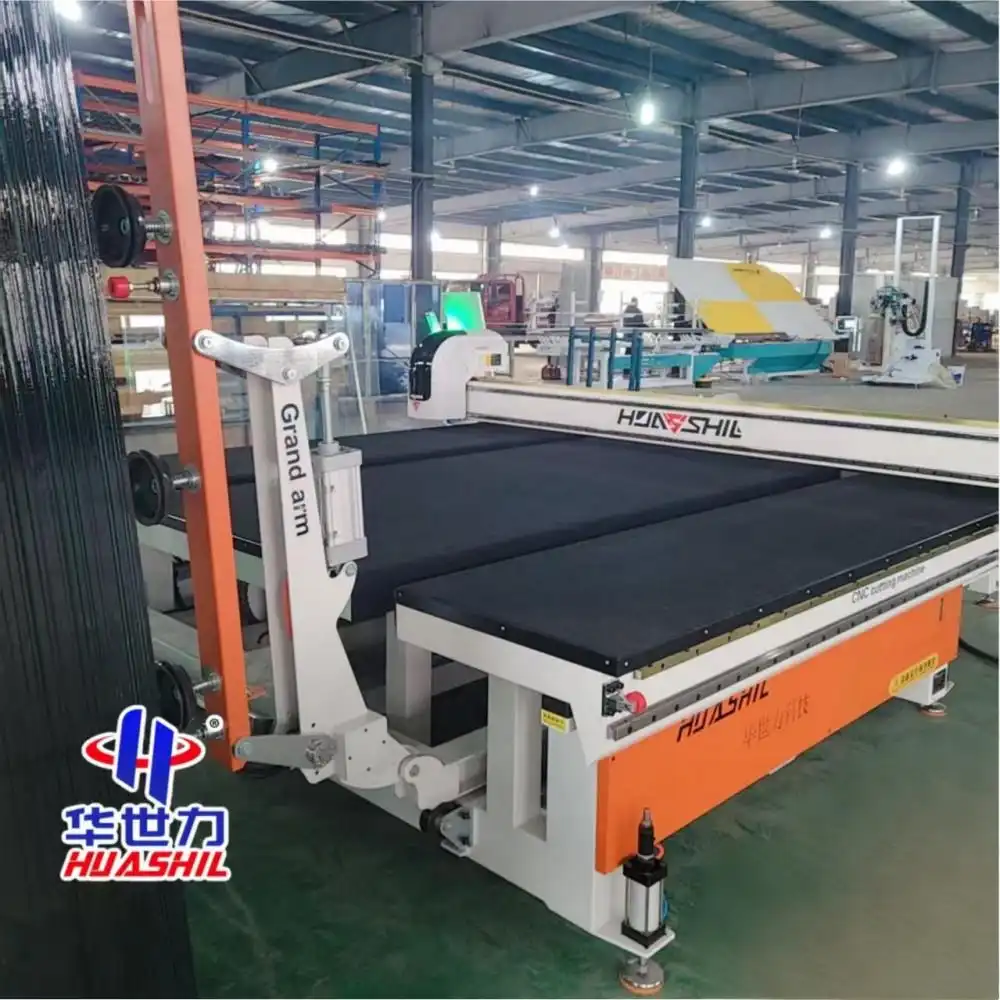
Modern air float tables with three large arms and automatic loading systems can hold glass sheets that are up to 3660mm x 2440mm in size. This is big enough to fit the biggest architectural glass panels that are often used in business building projects. With automatic loading, there is no need to handle large panels by hand at all, which cuts down on processing time and ensures regular positioning accuracy.
Energy Efficiency and Cost Reduction
During normal activities, air float devices use about 40% less power than vacuum and hydraulic alternatives, showing that they are more energy efficient. Due to the low pressure needed to support glass sheets efficiently, the compressed air needs stay pretty low. This efficiency edge grows over longer periods of time, saving a lot of money in factory settings that use a lot of energy.
Because air flotation devices aren't as complicated mechanically, they need less upkeep, and parts last longer. In contrast to hydraulic systems that need to have their fluids and seals changed on a regular basis, air float tables can keep working at their best with regular filter cleaning and checks of all of their parts. These practical benefits help make the tools work better overall and lower the total cost of ownership.
Safety and Quality Improvements
Using air float technology in the real world has led to a noticeable drop in accidents at work that are related to handling glass. When you don't have to lift big things or stand in awkward positions, you're much less likely to get repeated stress injuries or serious back problems that are common with manual glass manipulation. Automated systems provide uniform ways to handle things, which cuts down on human mistakes and raises the quality of the results.
Case studies from architectural glass production sites show that using an air float table can cut the number of breaks by up to 60%. Air flotation creates a controlled environment that gets rid of the quick hits and uneven support conditions that often lead to stress fractures in other handling systems. These quality changes make customers happier and cut down on waste and the costs that come with it.
Operation and Maintenance for Optimal Performance
For air float glass loading tables to work as efficiently as possible, they must strictly follow set safety rules and go through regular repair processes. To meet international safety standards, modern systems have many safety features built in. These features keep operations running as smoothly as possible and keep people safe from potential dangers.
Safety Features and Compliance
Modern air float tables have emergency stop buttons placed around the work area in key spots. These buttons let the system shut down right away if safety worries arise. Overload prevention systems change the air pressure or stop operations immediately if the weight of the glass goes over certain limits. This keeps the equipment from breaking and keeps the operators safe. These smart safety systems keep an eye on working factors all the time and send real-time alerts when help is needed.
Training programs made just for air float technology stress the right way to handle things and spot potential dangers. Operators learn how to find the best places to load, how to change the pressure, and how to spot signs of system failure that need instant attention. Full training makes operating mistakes less likely and makes sure that everyone, on all shifts, does their job the same way.
Maintenance Procedures and Best Practices
Air float systems need regular repair that checks the stability of the air filtration system and the state of the surface plates. Filters need to be replaced on a regular basis to make sure that clean, dry air is delivered. This keeps glass surfaces from getting dirty and keeps floating performance at its best. Regular checks of porous surface plates find any possible clogs or wear patterns that might make air flow less even.
As part of preventive maintenance, pressure monitors and control systems are calibrated on a regular basis to make sure they keep working correctly. Scheduling when to change parts based on working hours and weather conditions helps keep things from breaking down at crucial times during production. Properly recording repair tasks allows for predictive analysis that finds the best time for replacements while causing the least amount of disruption to production plans.
Comparing Air Float Glass Loading Tables with Alternative Solutions
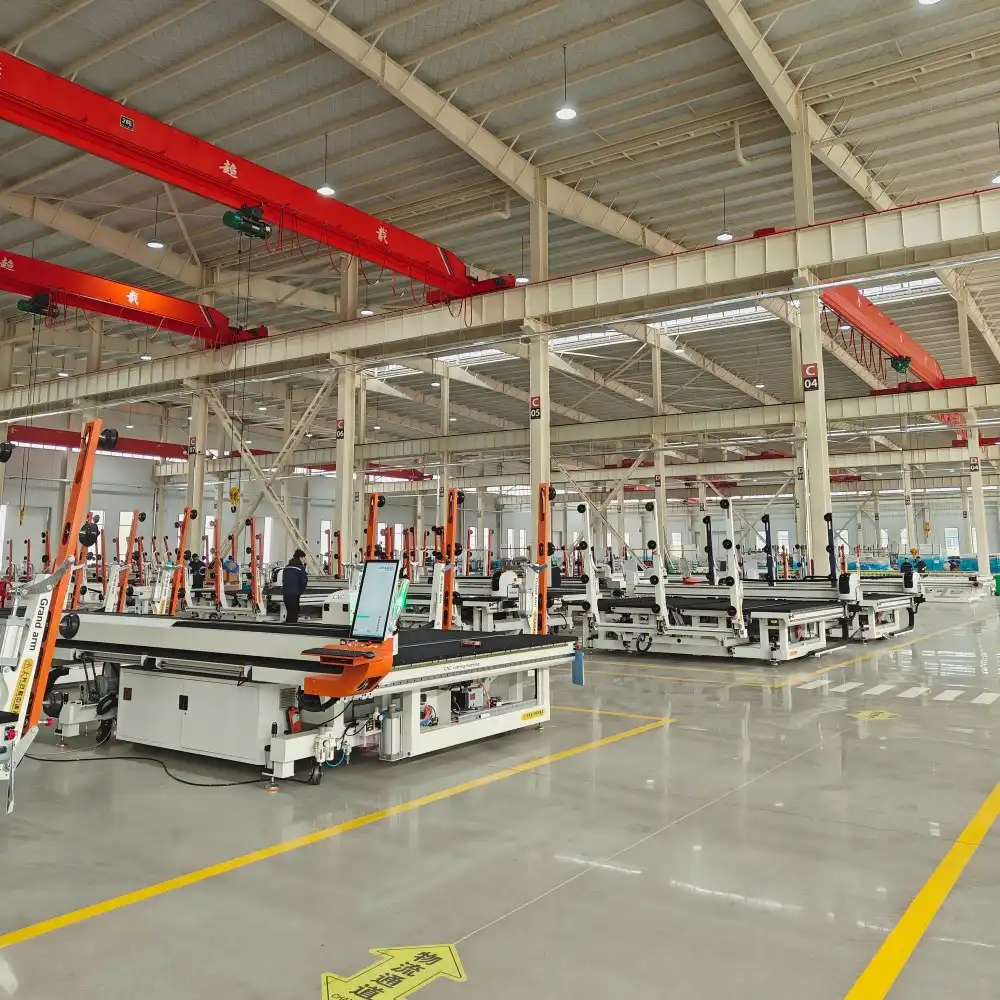
A thorough study of glass handling technologies shows that they have different performance traits that affect the choice of tools for certain industrial tasks. When compared to vacuum, hydraulic, and roller-based options, air flotation devices show real benefits in several operating areas.
Vacuum System Limitations
A lot of energy is needed to keep the suction levels on vacuum glass working tables at the right level for safe glass handling. When vacuum pumps are running all the time, they use a lot of electricity and make a lot of noise, which may mean that extra soundproofing is needed in work areas. The maintenance is harder because there are more closing surfaces and vacuum distribution networks that need to be checked and replaced on a regular basis.
When working with glass sheets that have uneven surfaces or patterns that are perforated, vacuum devices also have their limits. Any loss of surface touch lowers the holding power and could lead to a sudden release during moving operations. These restrictions make vacuum systems less useful in places that work with different kinds and shapes of glass.
Hydraulic Table Disadvantages
Hydraulic glass handling systems can lift a lot of glass, but they are less maneuverable and slower than air floating systems. Hydraulic parts are heavy, which makes them hard to move around and makes it harder to integrate them into variable production plans. Leaks of hydraulic fluid are bad for the environment and make it easier to slip, so extra safety measures and cleanup steps need to be taken.
Because hydraulic systems are so complicated mechanically, they need skilled upkeep skills and expensive replacement parts. Changing fluid temperatures can affect how well a system works, and for the best results, it needs to be run in a climate-controlled setting. These things make running costs go up and make it harder to be flexible in factory settings that change often.
Roller Table Risks
Traditional wheel conveyor systems are technically easy, but they make it more likely for glass to get broken because there are more places where it could hit something. When rollers aren't lined up right, or bearings wear out, they can cause surface scratches and edge chips that lower the quality of the glass and need more work to be done to finish it. Roller systems have set path limits that make layout less flexible and make it harder to optimize material flow.
Industry success data from 2024 factory studies show that air flotation technology is always the best choice for precise glass processing tasks. More and more, facilities that want to improve quality and output choose air float systems for new installs and equipment upgrades.
Procurement Considerations for Air Float Glass Loading Tables
To choose the best air float glass filling tools, you need to carefully look at their performance specs, their ability to be customized, and their long-term support options. When making a purchase choice, the initial investment costs must be weighed against the practical benefits and total ownership costs over the lifecycle of the equipment.
Performance Specification Analysis
The evaluation of load capacity should include both the highest weight limits and the size limits that are important for the output needs of the air float glass loading table. Modern air float tables can hold glass sheets that are as small as decorative panels or as big as 3,660 x 2,440 mm building units. This makes them useful for a wide range of industrial tasks. Handling different sizes and weights of glass in the same system makes operations more flexible and increases the rate at which equipment is used.
The level of complexity of the airflow control directly affects how precisely it is handled and how much energy it uses. Intelligent load sensing and changeable pressure zones in more advanced systems improve performance while lowering running costs. These traits are especially useful in places that work with different kinds of glass that need different handling conditions at different times during production processes.
Customization and Integration Options
Air float systems can be optimized for specific production line setups and process needs when they can be customized. Manufacturers that offer full OEM and ODM support can change standard designs to fit specific size requirements, add specialized control systems, or add more automation features that make the product more productive.
Integration fit with current production equipment impacts how hard the project is to implement and how much it costs altogether. Standardized interfaces and communication methods make systems easier to install and make sure they work reliably in automated industrial settings. Custom control software and the ability to integrate data make it easier to support advanced tracking and improvement efforts in production.
Supplier Evaluation and Support Services
Purchasing managers should give more weight to suppliers who have a lot of experience working with glass and a history of good installs. Companies like HUASHIL, which have a lot of experience with automatic glass-making tools, can help with the technical side of writing specifications and choosing a system. Their long-term presence in foreign markets ensures that reliable help is available in many places.
Support after the sale has a big effect on how reliable the equipment is in the long run and how smoothly operations can continue. Full warranty coverage, quick supply of spare parts, and quick responses from expert help all have a direct effect on how efficiently production runs and how much maintenance costs. Suppliers who give on-site training, remote diagnostics, and regular maintenance plans make the technology more valuable for the whole time the customer owns it.
Conclusion
Air Float Glass Loading Tables are a huge step forward in the technology used to handle glass. They make operations more efficient, the workplace safer, and the quality of the work better. The pneumatic flotation principle gets rid of friction and the need for physical lifting. It also makes it possible to place things precisely and move things quickly in a wide range of industrial settings. These systems work better than vacuum, hydraulic, and roller options because they use less energy, have better safety features, and can handle a wide range of glass sizes and weights. To get the best return on investment and long-term operating success, purchasing choices should focus on suppliers who offer full customization options, strong technical support, and proven experience in automated glass processing solutions.
FAQ
Q1: What size glass sheets can air float glass loading tables handle?
A lot of different sizes of glass can fit on air float glass loading tables, from small decorative pieces to big building sheets. These days, devices can handle glass sheets that are up to 3660x2440mm, which means they can be used for the biggest business building projects. The dimensions and load capacity can be changed to fit the needs of the production process and the limitations of the building.
Q2: Are air float glass loading tables energy efficient compared to other options?
During normal activities, air flotation devices use about 40% less power than vacuum and hydraulic options, showing that they are much more energy efficient. Because the vacuum pump doesn't have to run all the time and only needs a small amount of air pressure, it uses less electricity and costs less to run over its entire life.
Q3: What safety measures should operators be aware of when using these tables?
Operators must go through extensive training programs that teach them how to properly load, stop in an emergency, and spot hazards. Following the weight limits, using personal protective equipment correctly, and knowing how to use automatic safety systems with overload protection and emergency stop features are all important safety measures.
Contact HUASHIL for Advanced Air Float Glass Loading Table Solutions
HUASHIL is an expert at providing cutting-edge air float glass filling table technology that will improve the safety and efficiency of your industrial processes. Our high-tech systems have three large arms that automatically load glass sheets, complex air floating mechanisms, and designs that can be changed to fit glass sheets up to 3660x2440mm in size. As a reliable producer of Air Float Glass Loading Tables, we offer full OEM and ODM services that are suited to your exact production needs.
Our engineering team works closely with clients to create the best solutions that work with current production lines and get the best results in terms of quality and output. HUASHIL's dedication to excellence goes beyond supplying tools. They also offer thorough training programs, quick technical help, and reliable spare parts availability around the world. Email our skilled professionals at salescathy@sdhuashil.com to talk about how you need to handle glass and find out how our new air float technology can help your manufacturing.
References
1. Industrial Glass Manufacturing Technology and Automation Systems, Journal of Manufacturing Engineering, 2024.
2. Comparative Analysis of Glass Handling Equipment Performance in Architectural Manufacturing, Glass Processing Industry Review, 2024.
3. Energy Efficiency Standards for Pneumatic Material Handling Systems, International Manufacturing Technology Association, 2024.
4. Workplace Safety Guidelines for Automated Glass Processing Equipment, Occupational Safety and Manufacturing Standards, 2024.
5. Cost-Benefit Analysis of Air Flotation Technology in High-Volume Glass Production, Manufacturing Economics Quarterly, 2024.
6. Advanced Automation Solutions for Architectural Glass Fabrication Systems, Industrial Automation Technology Journal, 2024.