




Curved glass facades are becoming more popular in modern architecture, giving skylines more fluid, organic shapes. To get the level of accuracy these plans need, you need to use modern robotic technology. Most of the time, architectural glass fabrication plants, curtain wall system integrators, and glass processing manufacturers can't do their jobs without glass CNC cut-out machines. The precision, repeatability, and effectiveness of these computer-controlled cutting systems are simply unmatched by human cutting methods. When looking at options for projects with curved facades, it's important to know what automated glass cutting technology can do. Having the right tools has a direct effect on how much is produced, how much trash is created, and eventually, how profitable the job is. This guide shows you the most important things you need to think about when choosing the right machine for your production needs and budget.
Understanding Glass CNC Cut-Out Machines for Curved Facades
Computer numerical control technology is used by automated glass cutting systems to make precise cuts down to the micron level. In contrast to traditional methods that are done by hand, these machines read digital design files and turn them into physical cuts by moving cutting tools in sync along multiple axes. When making architectural glass elements with complex shapes and close tolerances, this technology really comes in handy.
Core Functionality and Working Principles
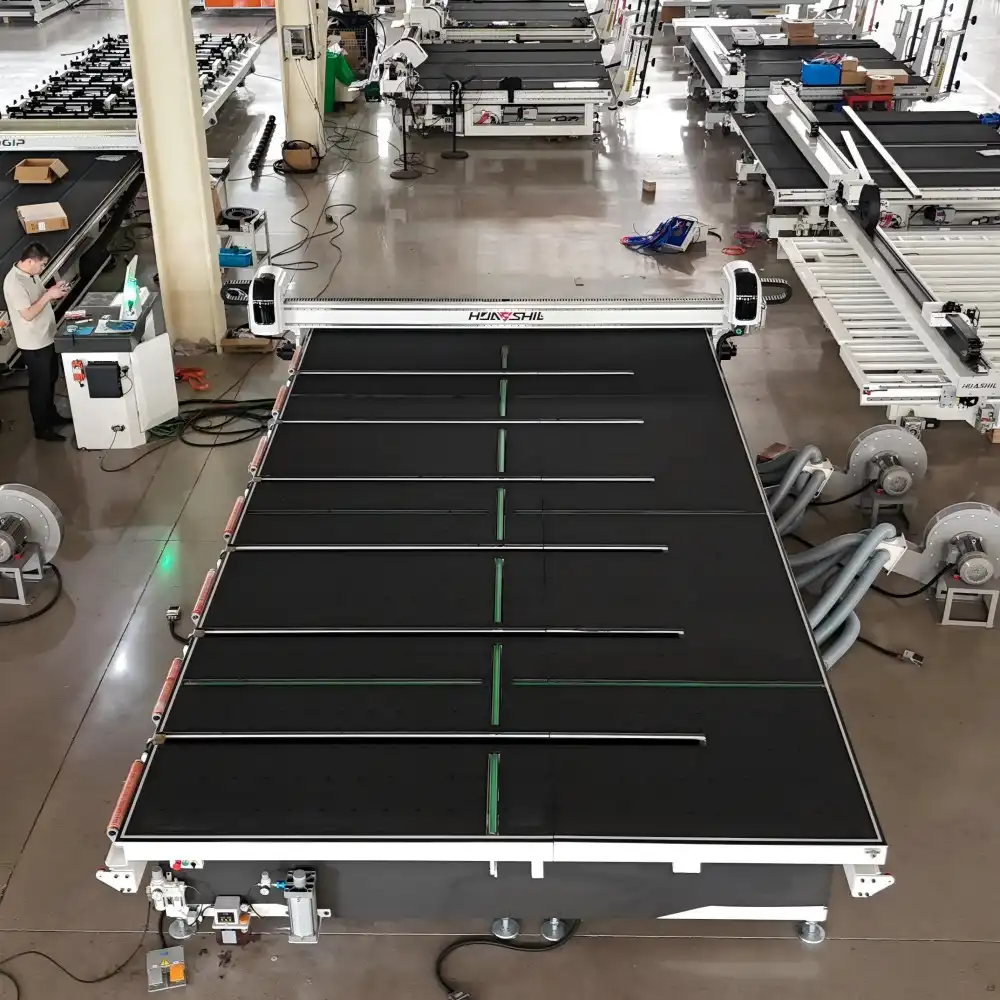
CNC glass cutting machines use synchronised motion control systems to move cutting heads along lines that have already been set. The process starts with importing design data into optimisation software. This is usually done through CAD files that contain exact physical specs. Programs like Optima look at the design, figure out the best way to use the materials, and make tool paths that cut down on waste while increasing output. The machine then follows these directions using servo-controlled placement systems that make sure the cutting settings stay the same throughout the whole production run. Automatic loading systems move glass sheets from storage racks to the cutting table, automatic pressure control changes the holding force based on the thickness of the glass, and air floating systems make placement easier by reducing friction. These built-in functions cut down on manual handling by a huge amount, which improves safety and cycle time efficiency.
Machine Types for Curved Glass Applications
In the process of making a curved facade, different cutting technologies are used for different tasks. Diamond wheel systems are great at cutting in straight lines and gentle curves. They do this by using rotating wheels coated with diamonds to score the glass before breaking it safely. Waterjet cutters use high-pressure water streams mixed with rough particles to cut through glass without putting it under heat stress. This makes them perfect for making detailed cuts inside of glass and tight radius curves. Diamond-coated bits on CNC machines remove material by mechanical scratching, which makes them flexible for working with complex forms and edges. Hybrid systems combine several technologies on a single platform, which gives facilities the flexibility to meet the needs of a wide range of projects. For efficient production, manufacturers that work with architectural glass usually choose diamond wheel systems with breaking tables. For interior cutout work, however, speciality applications may need waterjet capabilities.
Comparing Glass CNC Cut Out Machines: Finding the Best Fit for Curved Facades
Choosing the right cutting technology with glass CNC cut-out machine suppliers means taking into account a lot of different factors that have an impact on both the end result and the cost of running the business. The choice goes beyond the price of the initial purchase and includes long-term factors such as the need for maintenance, the cost of consumables, and how well it fits with current workflows.
Cutting Technologies: CNC Versus Laser Options
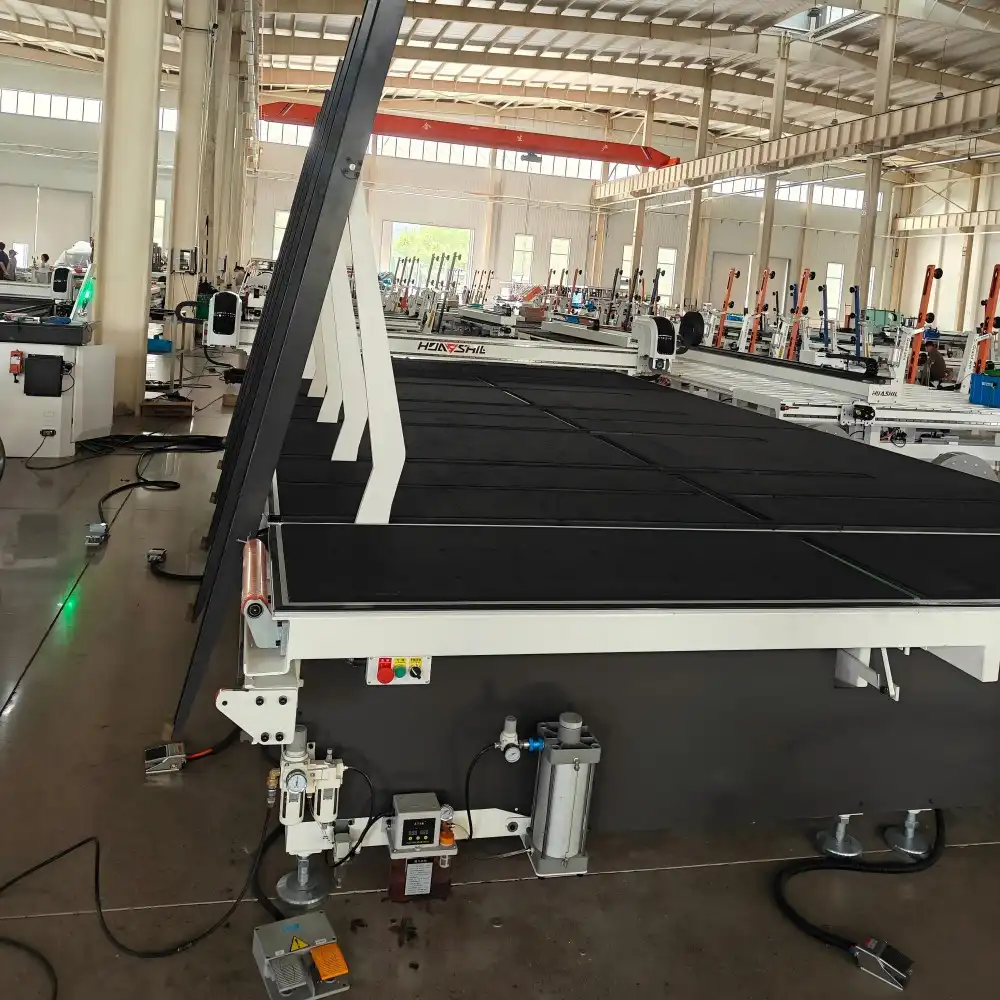
The market for building glass handling is dominated by computer-controlled mechanical cutting systems, which are reliable and don't cost much. CNC diamond wheel cutters can cut materials between 2 and 19 mm thick, which is common for facade work. They can do this with great edge quality and little material stress. Laser cutting is a non-contact method of processing that doesn't wear down tools. However, it doesn't work well with thicker building glass and can cause edge quality problems that need extra finishing. Additionally, CNC mechanical systems work better with automated breaking stations, which let you do all of your cutting on a single platform. Diamond wheel technology is the best choice for high-volume facade production environments because it has a well-established service infrastructure and lower consumable costs.
Brand Reputation and Innovation
Companies that have been making glass processing equipment for decades can show that their quality and engineering are always getting better. B2B buying teams can be sure that companies with CE and ISO9001 certifications meet international standards for quality management and safety. Well-known names usually keep large stockpiles of extra parts and expert support networks, which are important for keeping production downtime to a minimum. Innovation shows up in features like a 360-degree remote control that lets technicians change machine settings from the best viewing positions, automatic edge finding routines that account for differences in where materials are placed, and built-in optimisation software that gets the most out of every glass sheet. Professional-grade equipment has these features that make it different from entry-level equipment.
Price-to-Performance Analysis
Investing in automated equipment for cutting glass is a big capital expenditure that needs to be carefully justified financially. Single-axis entry-level cutters may be good for small businesses on a budget, but they don't have the automation features that make production environments more efficient. Automatic loading, pressure control, and breaking tables in mid-range systems improve productivity and cut down on labour costs by a large amount. These systems usually pay for themselves within 18 to 24 months of operation. Large makers and OEM providers that work multiple jobs every day should use premium platforms with full automation tools. When figuring out the total cost of ownership, you should include the base machine price along with the costs of installation, operator training, routine maintenance, and replacement parts. When it comes to North American glass supply lines, machines that can handle sheets that are 3660mm x 2440mm make the best use of materials compared to smaller platforms that need to be loaded and unloaded more often.
How to Choose the Best Glass CNC Cut Out Machine for Curved Facades
Structured evaluation frameworks that match the capabilities of equipment with specific operational needs help with purchasing decisions. When choosing equipment, production leaders and technical managers should work together to look at both present needs and expected growth paths.
Assessing Project-Specific Requirements
The level of difficulty of curved facade projects ranges from simple barrel vaults to complex curves that need more than one processing step. Knowing the geometric parameters of common projects can help you figure out what kind of machine you need from glass CNC cut-out machine suppliers. Whether to use a single-station machine or an automatic line depends on how much production is expected. The technical boundaries of the machine must match the material specs, such as the types of glass, width ranges, and finishing properties. Facilities that mostly make 6–12 mm artistic glass need equipment that is optimised for this range. However, facilities that do a variety of work may need to be able to work with glass sizes from 2 to 19 mm. Machine selection should be based on how well it works with downstream processes like cutting, washing, and hardening. This is to make sure that flow rates and material handling systems are suitable.
Evaluation Criteria for Technical Performance
The accuracy of the machine directly affects the quality of the finished product and the rate at which customers accept it. Cutting with an accuracy of within ±0.1mm meets the standards of the architectural glass industry for most front applications. It's not just about being exact that matters; how well the machine can make the same cuts over and over again is also important. By measuring throughput in terms of cuts per hour or square meters processed per shift, you can compare different options based on their measurable performance. Workflow integration is made easier when software works with existing design systems. Machines that can read industry-standard CAD file formats cut down on the time engineers spend on transcription and the chance of mistakes. Long-term running costs are affected by how easy it is to do maintenance. Designs that make wear parts easy to reach and clear service paperwork cut down on worker time needs. Automatic shut-off, emergency stops, and guarding systems are some of the safety features that keep workers safe and meet OSHA guidelines for U.S. production sites.
Recommendations by Business Scale
Small to medium-sized glass processors that work on unique architectural projects often find that single-table systems with important automation features like automatic loading and breaking are the best value. These configurations strike a balance between capability and cost, while still allowing for adaptability to meet a wide range of job needs. Multi-station automatic lines help large manufacturing plants handle many projects at once, making output higher. Curtain wall system integrators who need custom solutions should look for suppliers that can help with both OEM and ODM and offer rapid prototyping. Being able to change standard platforms to work with specific apps gives you an edge when competing for complex project contracts. When production directors are looking at equipment, they shouldn't just rely on what the manufacturer says about how well it works; they should also ask for demonstration cuts that are based on real project requirements.
Maximizing the Value of Your Glass CNC Cut Out Machine: Maintenance, Safety, and Software
Systematic repair routines and skilled operators are needed for equipment to last and work consistently. Setting these foundations during the initial installation keeps production from stopping, which costs a lot of money, and increases the life of the asset.
Essential Maintenance Practices
Critical wear parts like diamond cutting wheels, pressure roller surfaces, and linear guide systems should be checked on a regular basis. The state of the cutting wheel has a direct effect on the quality of the edge. To get uniform results, change the cutting wheel at regular intervals based on the straight cutting distance. To keep motion control assemblies' bearings from breaking down too soon, lubrication systems need to be checked on a regular basis. Routines for calibration verification make sure that the accuracy of positioning hasn't gotten worse over time. Many makers say that production equipment that works multiple shifts should be calibrated every three months. Keeping detailed service logs keeps track of past maintenance and helps find problems that keep happening, which could mean there are deeper issues. To keep downtime to a minimum when replacements are needed, spare parts should include items that wear out quickly and parts that take a long time to get. By working with authorised service providers, you can be sure of getting trained techs who know how to work with your tools.
Critical Safety Measures
Processing glass comes with its own risks that need to be managed by strict safety rules. Operator training programs need to teach people what to do in an emergency, how to properly move materials, and how to use the safety features on their specific machines. Wearing protective gear like cut-resistant gloves, safety glasses, and the right shoes can lower the risk of getting hurt. Machine guarding keeps people from touching moving parts by mistake while the machine is running. More safety is provided by interlock systems that stop cutting functions when safety gates open. Facilities should do regular safety checks and keep their standard operating procedures up to date to reflect how their equipment is set up and who works there.
Software Integration and Automation Tools
Optimisation software is a powerful tool for making output more efficient. Programs like Optima look at new orders, figure out how to best place parts on available stock sheets, and make cutting routines that take as little time as possible. When making layouts, more advanced systems take into account the grain direction needed, the direction of the coated surface, and the breakout patterns. CAM integration makes the change from design to production smooth, so there is no need for time-consuming programming by hand. Automation tools like tracking barcodes, reporting on output, and planning repair times allow you to see business data. These data lines help find bottlenecks that are slowing down traffic and support efforts to make things better all the time. When manufacturers are thinking about upgrading their equipment, they should look at both the hardware and software ecosystems. This is because advanced control systems are what make advanced mechanical platforms work at their best.
Procurement Channels and Support: Where and How to Buy Your Glass CNC Cut Out Machine
Navigating the equipment acquisition process for a glass CNC cut-out machine requires understanding available purchasing channels and support structures that ensure successful implementation.
Identifying Certified Manufacturers and Dealers
Working directly with established manufacturers like Shandong Huashil Automation Technology provides assurance of authentic equipment backed by factory warranties. Companies with extensive production histories demonstrate proven engineering competency and financial stability. Reviewing customer references and installation case studies reveals real-world performance data beyond marketing claims. Authorized dealers maintain factory-trained service technicians and genuine spare parts inventories. Verifying certifications, including CE compliance and ISO9001 quality management system registration, confirms adherence to international manufacturing standards. Trade shows like GlassBuild America offer opportunities to observe equipment demonstrations and conduct face-to-face technical discussions with manufacturer representatives.
Purchasing Models and Financial Strategies
Equipment acquisition strategies extend beyond outright purchase to include leasing arrangements and financing programs that preserve working capital. Leasing options suit operations with constrained capital budgets or those preferring to refresh equipment regularly rather than managing long-term ownership. Financing through equipment lenders or manufacturer-sponsored programs spreads costs across multiple years, aligning expenditures with revenue generation from the acquired machinery. Used equipment markets offer reduced initial investment, though buyers should carefully assess machine condition, remaining service life, and parts availability. Evaluating the total cost of ownership across the anticipated equipment lifespan provides a clearer financial comparison than the initial purchase price alone.
After-Sales Support and Custom Solutions
Technical support infrastructure significantly influences long-term ownership satisfaction. Manufacturers maintaining U.S.-based service networks respond more rapidly to urgent technical issues than those relying on overseas support exclusively. Comprehensive installation services, including foundation specifications, utilities requirements, and operator training, ensure proper commissioning. Warranty terms should clearly define coverage duration, included components, and response time commitments. Custom engineering capabilities matter particularly for system integrators and OEM suppliers requiring tailored solutions. The ability to modify standard platforms for specialized applications or integrate with existing production lines differentiates comprehensive solution providers from equipment vendors. Procurement teams should request detailed after-sales support documentation and contact information before finalizing purchase decisions.
Conclusion
When you buy the right automatic glass cutting technology, making curved facades goes from being a labour-intensive job to one that is simplified and profitable. The HUASHIL HSL-YTJ3826 model is a good example of what modern manufacturers should be able to do. It can handle 3660x2440mm sheets with thicknesses ranging from 2 to 19 mm, it comes with Optima optimisation software, and it is fully automated from loading to breaking. International quality standards are met by equipment that meets CE and ISO9001 standards. When production leaders, technical managers, and buying professionals are looking at their choices, they should put the most weight on machines that have a history of stability, full automation, and strong after-sales support. The choice goes beyond just the specs and includes things like the quality of the supplier partnerships and the long-term costs of running the business. These are the things that determine the project's success and its place in the market.
FAQ
1. What precision levels can glass CNC cut-out machines achieve on curved facades?
Modern CNC glass cutting systems routinely maintain cutting tolerances within ±0.1mm, meeting architectural specifications for most facade applications. This precision level ensures proper fit-up during installation and minimizes field adjustment requirements. Machines equipped with automatic edge finding and pressure control maintain consistency across production runs, compensating for minor material variations.
2. How do automated systems improve efficiency compared to manual cutting?
Automated glass cutting platforms reduce cycle times by 60-75% compared to manual methods while simultaneously improving yield through optimized nesting algorithms. Labor cost savings prove substantial as single operators manage equipment that previously required multiple technicians. Consistency improvements reduce rejection rates and rework expenses, contributing to overall operational efficiency gains that typically justify equipment investment within two years.
3. Can CNC glass cutting machines integrate with existing production software?
Professional-grade equipment supports industry-standard CAD file formats, enabling seamless data exchange with design systems. Optimization software like Optima imports job specifications, generates efficient cutting patterns, and exports production data for downstream processes. Many systems offer API connectivity for integration with enterprise resource planning platforms, providing real-time visibility into production status and material consumption.
Partner with HUASHIL for Superior Glass CNC Cut Out Machine Solutions
Production efficiency and product quality improvements await manufacturers ready to embrace advanced automation technology. HUASHIL brings decades of engineering expertise in glass processing machinery to every client partnership. Our HSL-YTJ3826 model delivers the comprehensive automation features, proven reliability, and technical performance that curtain wall fabricators and architectural glass manufacturers require for curved facade projects. CE and ISO9001 certifications validate our commitment to international quality standards. Whether you're expanding existing operations or establishing new production capabilities, our technical team provides consultation services tailored to your specific requirements. Explore available configurations, request detailed specifications, or schedule an equipment demonstration by contacting our sales team at salescathy@sdhuashil.com. As an established glass CNC cut-out machine manufacturer, we stand ready to help you achieve your production goals with cutting-edge technology backed by responsive after-sales support.
References
1. Chen, Y., & Liu, X. (2022). Advanced CNC Technologies in Architectural Glass Processing. Journal of Manufacturing Systems and Technology, 45(3), 178-192.
2. Architectural Glass Institute. (2023). Best Practices for Automated Glass Cutting in Curtain Wall Fabrication. Technical Bulletin Series, Volume 12.
3. Morrison, R. (2021). Precision Machining of Curved Glass Facades: Equipment Selection and Process Optimization. International Journal of Glass Science, 28(4), 412-429.
4. National Glass Association. (2023). Safety Standards and Maintenance Protocols for CNC Glass Processing Equipment. Industry Guidelines Publication.
5. Zhang, H., & Thompson, K. (2022). Total Cost of Ownership Analysis for Automated Glass Cutting Systems. Industrial Equipment Investment Review, 17(2), 88-104.
6. Williams, D. (2023). Software Integration Strategies for Modern Glass Fabrication Facilities. Automation in Glass Manufacturing Quarterly, 9(1), 34-51.