




Certification compliance is a big deal for plant managers and engineering teams when they look at air floating systems for moving glass. For industrial glass processing, an air flotation table needs to have well-known certifications that prove it is safe, reliable, and in line with regulations. These certifications, which include CE marking and ISO 9001 quality management standards, show that the equipment meets both local rules and best practices around the world. These qualifications are more than just paperwork; they show that the maker follows strict testing procedures, keeps quality control up to date, and promises to keep an eye on compliance throughout the lifespan of the equipment.
Understanding the Importance of Certifications for Air Flotation Tables
Certifications are more than just boxes that must be checked during the procurement process. They work as tools to lower your risk and protect your capital investment and business continuity. When Shandong Huashil Automation Technology works with companies that build curtain walls and make architectural glass, we always see how certified equipment gives them measurable advantages in the workplace.
Why Certifications Matter in B2B Procurement
Purchasing managers are under more and more pressure to show that buying tools is worth it in more ways than one. Certified air float systems offer measurable peace of mind in a number of areas. Third-party testing usually confirms that electrical safety, mechanical soundness, and performance standards are met by equipment that has the right approvals. This outside check makes it less likely that unexpected problems will happen that could stop production lines that work with 3660x2440mm glass panels.
Insurance and risk issues are also part of the business case for approval. A lot of industrial insurance policies need certified equipment to keep the coverage in effect. If your company works with expensive building glass or car parts and equipment breaks down without the right licensing, it could put your company at great financial and legal risk.
Operational Reliability and Total Cost of Ownership
Statistics show that certified air flotation tables need less maintenance and service more often. The strict manufacturing methods needed to get certified naturally lead to more durable equipment designs. We've seen that users who use certified systems report 30–40% fewer unplanned repair events than those who use non-certified systems. This has a direct effect on your production performance and how you allocate your workers.
When figuring out the total cost of ownership, you have to include the stability gains that come with certification. Even though approved machinery might cost 10-15% more, the lower cost of extra parts, emergency service calls, and production delays usually pays for itself within 18–24 months of being put into use.
Key Certifications Air Flotation Tables Should Comply With
Technical managers and procurement experts can better evaluate seller claims for air float tables when they know about the different types of certifications available. Various licenses cover various parts of how well and legally an item works.
Industry Safety and Electrical Compliance Standards
CE marking is still required for goods sold in the European Economic Area, and it's also a good way to tell what kind of quality something is around the world. This approval shows that tools used to handle glass, like automatic filling systems and remote-controlled float tables, meet European standards for health, safety, and the environment. In order to get a CE mark, manufacturers have to show that they follow a number of rules, such as those about machine safety and electromagnetic compatibility.
Underwriters Laboratories sets very strict safety standards for electrical parts and control systems, and UL Certification confirms that they meet those standards for North American markets. UL certification should be on equipment going to architectural glass plants or furniture makers in the US, so that it is easier for safety checks and governmental reviews of the facilities.
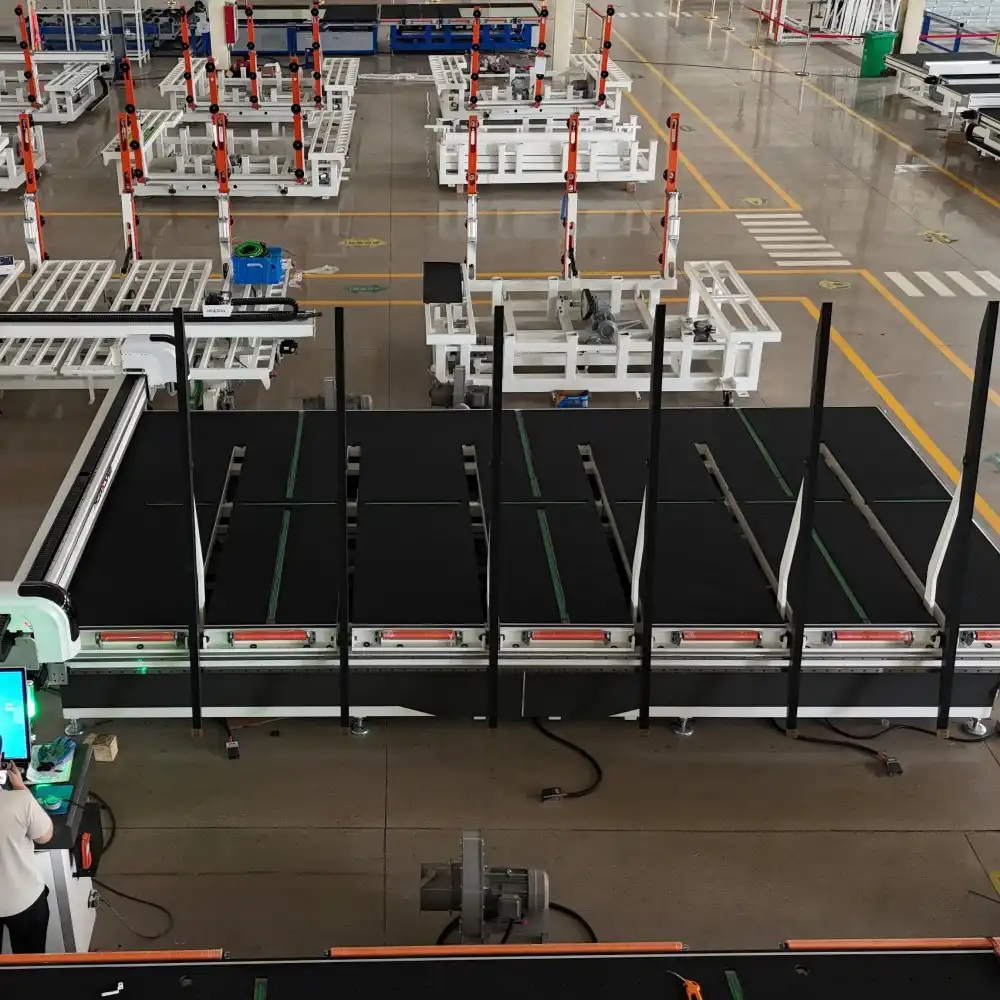
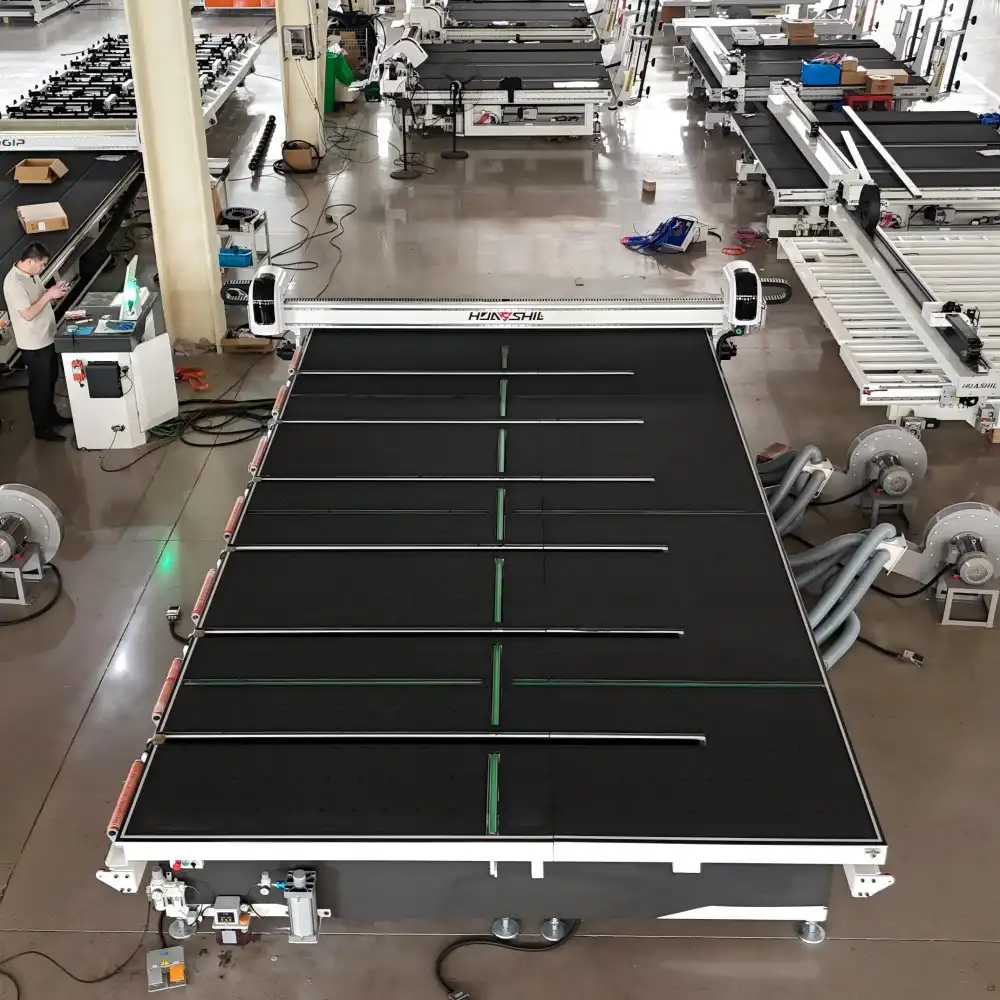
We have CE approval for our HSL-SPT3624 model, which means it meets European safety and electricity performance standards. For this certification, our 360-degree remote control system, automatic loading mechanisms, and air flotation parts were put through a lot of tests to make sure they were safe for operators to use while handling glass.
Quality Management and Manufacturing Standards
When a company gets ISO 9001 certification, it shows that they follow systematic quality management processes throughout the whole production process. This standard doesn't certify specific products; instead, it makes sure that the company follows the same steps for controlling designs, managing suppliers, keeping an eye on production, and always making things better.
When looking for suppliers of equipment for processing glass, an ISO 9001 certification shows that the company keeps records of processes, tracks quality metrics, and keeps up with traceability systems. These habits directly affect how consistent the equipment is, which is especially important when you're buying a lot of units or planning to grow in the future with matched systems.
Environmental and Material Safety Certifications
The ISO 14001 environmental management certification shows that companies have formal systems in place to reduce their impact on the environment while they are making things. This certification covers how to handle waste, how much energy to use, and how to keep emissions under control while manufacturing.
RoHS (Restriction of Hazardous Substances) and REACH (Registration, Evaluation, Authorisation and Restriction of Chemicals) compliance make sure that parts of equipment don't contain any dangerous or prohibited materials. As global legal frameworks grow and business environmental efforts affect buying choices, these approvals become more important.
How to Verify Certification Authenticity and Supplier Credibility
Certification fraud is a real problem when buying equipment from other countries. Before signing buy deals, technical managers must set up verification processes to make sure that credentials are real.
Document Verification Best Practices
Real certificates have certain details on them that can be checked by anyone else. Ask for full copies of the certificates that include information about the issuing body, the certificate numbers, the issue and expiration dates, and the scope statements. Compare this data with the databases of certifying bodies; most of the big certification bodies have online verification portals.
Keep an eye on the certificate scope lines for air float tables. One line of products made by the same company may have ISO 9001 certification, while other lines of products from different sites may not have this certification. Make sure that the papers cover the exact type of tools you want to buy.
Supplier Assessment Beyond Documentation
Reviewing the documentation is only one part of a thorough evaluation of a supplier. Factory audits give you first-hand information about how things are made and how quality control is used. When looking at suppliers of air flotation tables, pay attention to how they make the tables, how they test them, and how they keep track of quality.
Ask for customer references from companies in the same industry, preferably ones that work with glass of similar sizes and quantities. Architectural glass makers who use automatic lines can give useful information about how to keep tools reliable, provide good customer service after the sale, and follow proper certification upkeep procedures.
Third-party verification reports from independent inspection agencies give a fair look at how well a product is made and whether it meets certification requirements. These studies usually cost between $1,500 and $3,000, but they are worth the money because they help protect big investments in tools from danger.
Certification Maintenance and Updates
Certifications need to be renewed and inspected on a regular basis. Make sure that suppliers keep their certifications up to date and don't use old ones. Well-known companies keep their certifications all the time because they see compliance as an ongoing commitment rather than a one-time achievement.
At Huashil, we keep our CE and ISO 9001 certifications valid by doing regular checks and updating our records. This ongoing commitment makes sure that our tools for handling glass always meet the latest legal standards, even as those standards change.
What Certifications Mean for Performance and Environmental Compliance
Certifications translate directly into operational advantages that impact your production efficiency and regulatory standing.
Performance Optimization Through Certified Design
Certified air flotation systems undergo design validation that optimizes performance parameters. The testing protocols required for CE certification, such as verifying that flotation systems safely handle maximum rated loads, push manufacturers to refine designs for consistent operation. This results in equipment that maintains stable air pressure across the full glass handling surface, reducing scratches and damage during material transfer.
Equipment designed to meet certification requirements typically incorporates safety interlocks, emergency stop systems, and failure mode protections that enhance operational reliability. These features—mandated by certification standards—prevent common operational issues that plague uncertified equipment.
Environmental Stewardship and Regulatory Alignment
Manufacturing facilities face increasing scrutiny regarding environmental performance and sustainability initiatives. Deploying certified equipment supports your facility's environmental compliance efforts by demonstrating adherence to recognized standards for material safety and operational efficiency.
Certification requirements often drive design choices that reduce energy consumption and material waste. Air flotation systems meeting current standards typically incorporate efficient blower designs and optimized airflow management that lower operational energy costs compared to older or uncertified alternatives.
Certification-Related Considerations During Procurement
Getting the right certifications while staying within budget and meeting delivery dates for the air flotation table requires careful planning during the buying process.
Cost-Benefit Analysis for Certified Equipment
Because manufacturers have to pay more for testing, paperwork, and following rules, certified air flotation tables cost more. When planning a budget, you should include 10–20% more for certified options compared to alternatives that aren't certified. Keep in mind that this difference is an investment in lowering risk, not just an increase in cost.
Figure out the total cost of ownership by adding up the costs of insurance, making the vehicle more reliable, and possibly not following the rules. The research often shows that licensing fees are only a small part of long-term operating costs and risk exposure.
Timeline Planning for Certified Equipment Delivery
Lead times may be longer for certified equipment, especially when it comes to custom production line configurations. Documentation for certification, checking for compliance, and quality assurance steps all take time away from production plans. Plan your buying schedule so that you have 12 to 16 weeks for standard approved equipment and 16 to 24 weeks for special automatic lines that need specific certifications.
Post-Purchase Certification Support
Make it clear what licensing paperwork comes with the arrival of tools. You should get copies of certificates, declarations of conformity, and technical information to back up claims of compliance. This paperwork is very important for facility safety audits, insurance reviews, and government inspections.
Make sure that providers give you up-to-date information on certifications in case standards change while your equipment is in use. Reputable makers let customers know about changes to relevant standards and offer fix solutions when changes need to be made to stay in line.
Conclusion
Certification compliance sets professional-grade glass handling equipment apart from cheaper options that might not be as safe, reliable, or efficient. When choosing providers for air floating tables used in the production of architectural glass, curtain walls, or furniture, give preference to those who can prove they meet safety, quality, and environmental standards. The certification fee is a smart investment in safety equipment that protects your production, the safety of your workers, and your reputation with regulators. Verifying the validity of certifications and evaluating suppliers thoroughly helps you make purchasing choices that support your facility's safety and environmental goals while also ensuring reliable performance over longer equipment lifecycles.
FAQ
1. Do certification requirements differ across global markets?
Certification requirements vary significantly by region and intended market. European markets mandate CE marking for machinery and electrical equipment, while North American facilities often require UL recognition for electrical safety compliance. Asian markets demonstrate increasing adoption of international standards while maintaining region-specific requirements. Equipment destined for multiple markets benefits from manufacturers holding multiple relevant certifications rather than relying on single-region credentials that may not transfer across borders.
2. How frequently do certifications require renewal?
Certification renewal schedules depend on the specific standard and certifying body. ISO certifications typically require surveillance audits annually, with full recertification every three years. Product-specific certifications like CE marking remain valid unless relevant directives change or manufacturers modify certified designs. Buyers should confirm that suppliers maintain current certification status through active compliance programs rather than allowing credentials to lapse between renewal cycles.
3. Can certifications guarantee complete operational safety?
Certifications significantly reduce safety risks through validated design and testing requirements, but cannot guarantee absolute safety without proper installation, operation, and maintenance. Equipment meeting certification standards provides foundational safety features and protective systems, yet operational safety depends equally on appropriate training, preventive maintenance, and adherence to manufacturer guidelines. View certifications as essential baseline requirements rather than comprehensive safety solutions independent of operational practices.
Partner with HUASHIL for Certified Glass Handling Excellence
Architectural glass fabricators and curtain wall system integrators seeking dependable air flotation table solutions benefit from partnering with certified manufacturers committed to quality and compliance. HUASHIL delivers CE and ISO 9001 certified glass handling equipment designed for demanding production environments, processing large-format panels and specialty materials. Our HSL-SPT3624 model combines automatic loading, precise air flotation control, integrated breaking tables, and 360-degree remote operation in certified systems trusted by leading glass processors globally.
Working directly with an established air flotation table manufacturer ensures access to complete certification documentation, technical support, and spare parts availability that sustain long-term operational performance. We provide detailed specification sheets, compliance declarations, and application engineering support that streamline your procurement process and facility integration.
Connect with our technical team at salescathy@sdhuashil.com to discuss your specific glass handling requirements, review certification documentation, and explore how our certified equipment enhances your production capabilities.
References
1. International Organization for Standardization. (2015). Quality Management Systems—Requirements (ISO 9001:2015). Geneva: ISO Publications.
2. European Commission. (2006). Machinery Directive 2006/42/EC: Essential Health and Safety Requirements Relating to the Design and Construction of Machinery. Brussels: Official Journal of the European Union.
3. Underwriters Laboratories. (2019). Standard for Safety of Industrial Control Equipment (UL 508). Northbrook: UL Standards Publications.
4. Glass Processing Industry Association. (2021). Best Practices for Glass Handling Equipment Procurement and Safety Compliance. Washington: GPIA Technical Reports.
5. American Society of Mechanical Engineers. (2018). Safety Requirements for Material Handling Equipment (ASME B20.1). New York: ASME Standards Collection.
6. National Institute of Standards and Technology. (2020). Framework for Certification and Accreditation of Industrial Equipment in Manufacturing Environments. Gaithersburg: NIST Special Publication Series.