




If you run a stained glass window shop or manage a glass fabrication facility, choosing the right cutting machine for stained glass windows is one of the most consequential equipment decisions you will make. The wrong choice leads to material waste, slower throughput, and inconsistent edge quality. The right machine, however, transforms your production floor — reducing labor dependency, improving dimensional accuracy, and scaling output without sacrificing craft. This guide walks you through everything you need to evaluate before committing to a purchase, from machine types and selection criteria to maintenance practices and real product comparisons.
Understanding Cutting Machines for Stained Glass: Types and Features
Manual vs. Automatic: Which Fits Your Workflow?
For small art studios that only make a few custom pieces, manual glass cutters work well. They need skilled operators and give different results depending on how consistent people are. Automatic glass cutting tools, on the other hand, use motion control driven by a CNC to keep the same level of accuracy over long runs. Automatic systems can help architectural glass plants, curtain wall fabricators, and furniture glass manufacturers improve their throughput and yield.
Key Technical Features Worth Evaluating
Your engineering team should carefully look over these operational factors before signing any buy order. Here are the main technical factors that have a direct effect on the results of production:
- Cutting thickness range: A machine rated for 2–19mm accommodates most commercial glass types, from thin decorative panels to thick structural glazing.
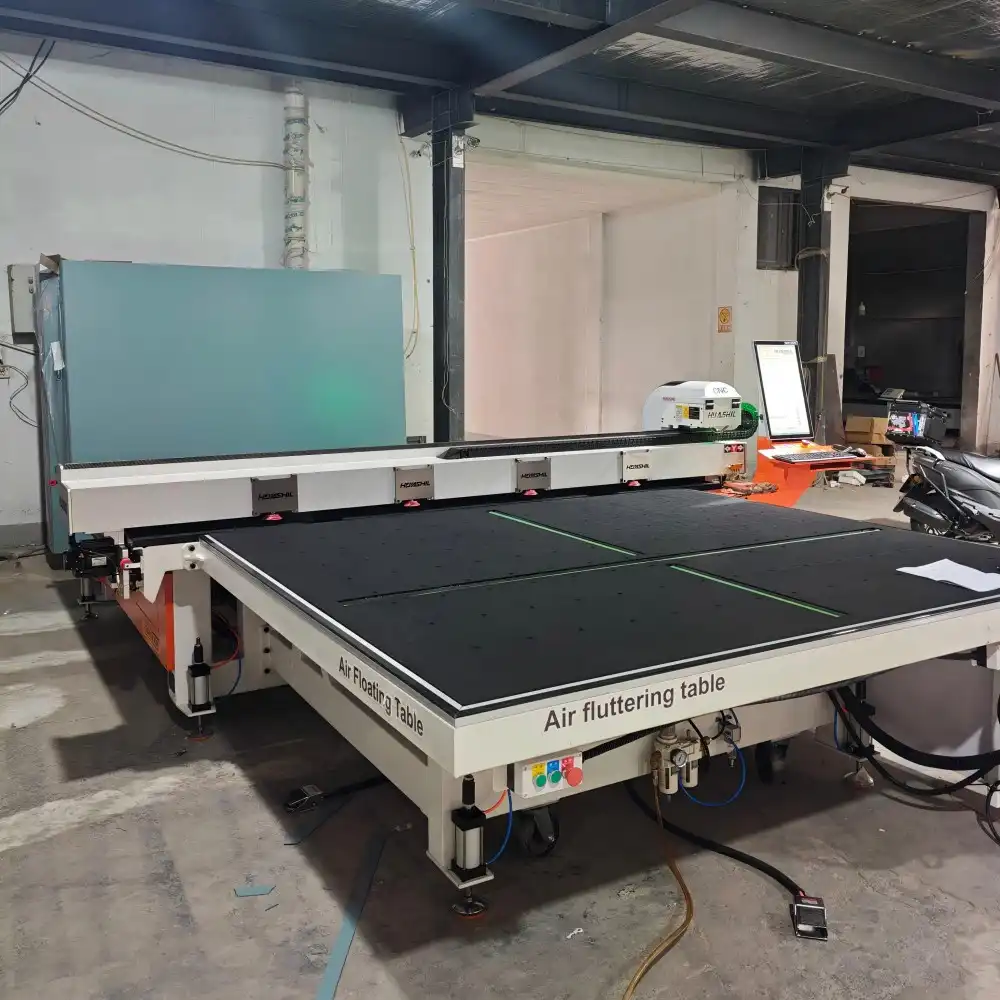
- Air flotation system: Reduces surface scratching during glass transport, protecting high-value substrates.
- Automatic pressure control: Dynamically adjusts cutting pressure based on glass thickness, eliminating manual recalibration between batches.
- Optimization software: Platforms like Optima calculate the most material-efficient cutting layouts, directly reducing raw glass waste.
- Synchronous belt conveying: Delivers smoother, more stable glass movement compared to roller-based transport, lowering vibration-induced cutting deviation.
All of these factors together decide whether a machine consistently produces good edges or becomes a source of repeated repair. If shops don't think about them when they buy them, they often have to pay a lot to fix things that were installed 18 months ago.
How to Choose the Right Cutting Machine for Your Stained Glass Business
Assess Your Production Scale and Operator Capability
A small studio that works with decorative glass has very different needs than a company that builds curtain walls and works on hundreds of square meters every day. First, make a map of the average amount of glass you use each day, the size of your sheets, and how complicated your cut patterns are. The level of ability of the operator is also important. More modern CNC machines require trained people to set them up and program them, but they are less reliant on hand-eye coordination.
Core Selection Criteria for Procurement Managers
Plant managers, engineers, and finance approvers are all involved in this type of purchasing choice. To get everyone on the same page, base your judgment on these priorities when choosing a cutting machine for stained glass windows:
- Cutting accuracy: Tolerance thresholds should match your application. Architectural installations demand tighter tolerances than general decorative work.
- Machine footprint: Verify that the equipment dimensions fit your facility layout before negotiating price.
- Certifications: CE and ISO 9001 certification signals that the equipment meets international safety and quality management standards — a non-negotiable for U.S. buyers sourcing overseas.
- After-sales infrastructure: Spare parts availability and remote technical support directly affect your total cost of ownership over a 5–10 year horizon.
- Customization capability: If your production mix changes seasonally or by project, OEM/ODM flexibility becomes a strategic asset.
Instead of going with the lowest bid price, you should match these criteria to your actual production situation. This is what separates good equipment investments from bad ones.
Step-by-Step Guide to Using Cutting Machines for Stained Glass Windows
Avoiding Common Operational Errors
When workers skip steps for tuning or use old tools, even the best glass scoring machine doesn't work as well as it should. Check that the cutting wheel is in the right place and doesn't show any signs of wear before each shift. By entering the size and thickness of the glass into the optimization software, the machine will automatically figure out the best scoring path and pressure profile.
Cutting position drift can be stopped by routine testing, which is usually done once a week for high-volume processes. Also, operators should learn to spot the early signs of blade slippage, which show up as uneven score lines or more edge chipping. If these signs are caught early, scrap runs that cut into margin can be avoided.
Safety rules must be followed at all times. When operators are near the breaking table, they must always wear safety glasses and gloves that won't cut. The machine has a 360-degree remote control walking feature that lets operators watch the whole cutting cycle from a safe distance, protecting them from moving glass.
Comparative Overview: HUASHIL HSL-YTJ3829 and What to Look for
HUASHIL HSL-YTJ3829 — A Benchmark for Automated Glass Cutting
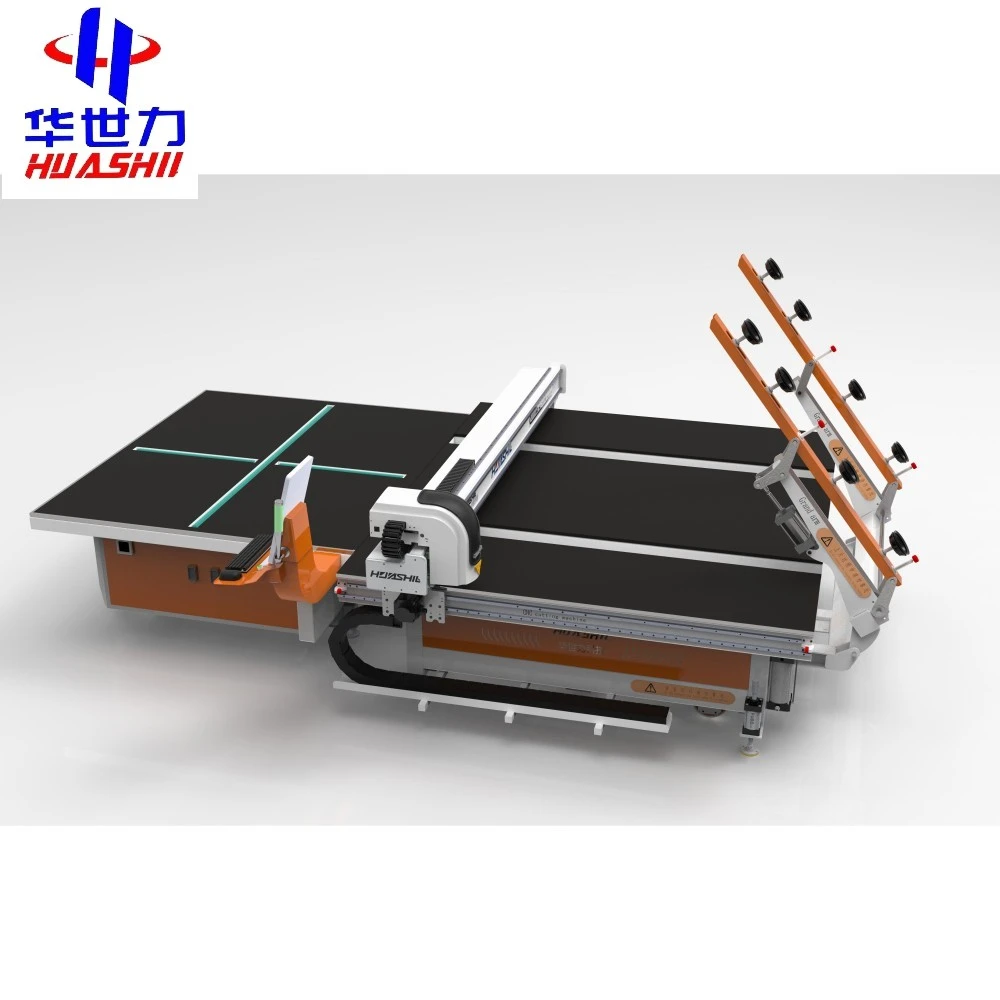
When looking at automatic glass cutting systems that can be bought in the U.S. right now, the HUASHIL HSL-YTJ3829 stands out as a great choice for medium- to large-scale production settings. Here are the details that have been checked:
- Model: HSL-YTJ3829
- Maximum glass size: 3,660 × 2,800 mm — accommodates full jumbo sheets used in curtain wall and architectural glazing projects
- Cutting thickness: 2–19 mm — covers standard float glass, laminated panels, and thicker decorative substrates
- Machine dimensions: 5,780 × 4,925 mm
- Optimization software: Optima — industry-recognized nesting software that minimizes glass waste and maximizes sheet utilization
- Key functions: Automatic loading, automatic pressure control, automatic edge finding, air flotation system, integrated breaking table, and 360-degree remote control walking
- Certifications: CE, ISO 9001
- Glass conveying: Synchronous belt system for stable, vibration-reduced transport
The Optima software interface is a big reason why this product is different. Studies on how efficiently glass is made show that improved nesting plans can cut down on wasteful use of raw materials by 8–15% compared to planning layouts by hand. This can have a big effect on costs when used in large quantities.
Architectural glass plants, curtain wall installers, furniture glass makers, and even a cutting machine for stained glass windows can all use this machine because it works reliably and consistently across a wide range of cutting programs. The CE certification shows that the machine meets European safety standards, which are becoming more and more important to commercial buyers in the U.S.
Maintenance, Troubleshooting, and Safety Tips for Stained Glass Cutting Machines
Sustaining Performance Over the Machine Lifecycle
Regular preventive maintenance is what makes the difference between a machine that works well for ten years and one that breaks down all the time. The following should be on a useful repair schedule:
- Daily: Clean the cutting bridge, inspect the cutting wheel, and verify air pressure settings.
- Weekly: Lubricate guide rails, check belt tension on the synchronous conveyor, and run a calibration test cut.
- Monthly: Inspect electronic components and connections, clean optical sensors used for edge finding, and review the cutting wheel replacement log.
Automated cutting lines often have two mechanical problems that show up in service records: blade slippage from not calibrating the cutting pressure properly and machine jams from glass sheets that are not loaded properly. Both can be avoided with proper training for operators and regular checks before each shift.
If a problem is too big for your team to handle, call your supplier's technical support team right away. Reliable manufacturers, such as HUASHIL, keep spare parts on hand and offer online diagnostics support to keep production running as smoothly as possible.
Conclusion
There's more to choosing the right glass cutting tools than just looking at the prices. The total value is based on production capacity, compatibility of materials, software integration, certification standards, and support after the sale. The HUASHIL HSL-YTJ3829 is a good choice for businesses that need to handle big glass formats and need precision automation during high-volume shifts. If you are in charge of a stained glass studio, an architectural fabrication plant, or a curtain wall integration company, the best way to make sure you make a good capital investment is to base your purchase choice for a cutting machine for stained glass windows on technical data that can be checked, not marketing claims.
FAQ
1. What is the best cutting machine for a beginner stained glass shop?
For entry-level operations, a compact automatic glass cutter with basic CNC controls and a manageable footprint is the practical starting point. It reduces operator error while still delivering acceptable precision for decorative and small architectural projects.
2. How often should cutting wheel blades be replaced?
Replacement intervals depend on cutting volume and glass hardness. In high-throughput environments processing 500+ square meters daily, wheel inspection should occur every 1–2 days. Most manufacturers provide wear indicators or recommend replacement when edge chipping increases noticeably.
3. Is an automatic glass cutting machine better than a manual one for stained glass work?
For production environments handling consistent, repeatable cuts across large volumes, automatic machines deliver superior accuracy and lower scrap rates. Manual tools retain value for small custom artistic work where flexibility and low capital outlay matter more than throughput.
4. What certifications should I look for when sourcing from overseas suppliers?
CE certification and ISO 9001 are the two most recognized benchmarks for U.S. buyers evaluating Chinese glass machinery suppliers. They signal compliance with international safety standards and consistent manufacturing quality management practices.
Connect With HUASHIL for Your Next Glass Cutting Machine
HUASHIL sells automatic glass cutting tools for stained glass windows that have been tested and are backed by CE and ISO 9001 certifications, the integration of Optima software, and specialized support after the sale. We provide solutions for businesses of all sizes as a reputable cutting machine for stained glass windows maker. Get in touch with us right away to ask for technical information, a personalized quote, or a product demonstration. You can email us at salescathy@sdhuashil.com to see all of our products.
References
1. Glass Processing Technology and Industrial Applications — Society of Glass Technology, 2022
2. Automated Cutting Systems in Architectural Glass Fabrication — Glass International Magazine, 2023
3. Optimization Software in Sheet Material Nesting: Efficiency Gains and Cost Impact — Journal of Manufacturing Science and Engineering, 2021
4. CE Marking and Machinery Safety Directive Compliance Guide — European Commission Publications Office, 2023
5. Glass Industry Market Report: Automation Trends and Equipment Investment — Freedonia Group, 2024
6. Occupational Safety in Glass Manufacturing: Equipment Standards and Best Practices — Occupational Safety and Health Administration (OSHA), 2022