




When sourcing equipment for photovoltaic manufacturing, identifying reliable PV glass double edging machine suppliers can determine whether a solar project meets its quality targets or falls short. These machines process both edges of glass panels simultaneously, delivering the dimensional accuracy and smooth finish that solar modules demand. With global solar capacity expanding rapidly—the International Energy Agency reported over 400 GW of new solar installations in 2023—procurement managers and plant engineers need a dependable guide to navigate supplier options, evaluate technical specifications, and secure the best total cost of ownership for their operations.
Understanding PV Glass Double Edging Machines and Their Role in Solar Manufacturing
Core Technology and Edge Processing Standards
A single automated pass is all that is required for a glass double edging machine to grind, polish, and shape both edges of a sheet of glass to perfection. When it comes to solar applications, edge precision has a direct impact on how long the panels will stand the test of time, how well the frames will seal, and how well they will function in outdoor environments over time. In the presence of heat cycling, even very modest edge faults may cause microfractures, which in turn reduce the panel's service life. The elimination of these dangers is made possible by high-quality tools that are equipped with rollers that are capable of flat grinding, chamfering, and polishing simultaneously.
The Global Supplier Landscape
China is still the primary location for the production of glass edging machines, and businesses in that country are investing a significant amount of capital in servo-driven automation and PLC control systems right now. Very tight tolerances are used in competition amongst European suppliers, the majority of whom are from Italy and Germany. These tolerances are beneficial for the solar and high-end architectural sectors. It is essential to have a clear understanding of whether a vendor is an original equipment manufacturer (OEM), an authorised reseller, or a trading firm. Pricing transparency, the flexibility to customise products, and the level of technical after-sales assistance are all directly impacted by this distinction.
Key Criteria to Choose the Best PV Glass Double Edging Machine Supplier
Selecting PV glass double edging machine suppliers is not simply a matter of finding the lowest price. Before putting money into a processing line, plant managers and tech teams need to think about a lot of different factors. Here are the core criteria that experienced procurement professionals apply consistently:
- Quality Certifications: ISO 9001 certification confirms documented quality management processes. CE marking is mandatory for equipment exported to European and American markets, demonstrating compliance with safety and electromagnetic standards.
- Machine Reliability and Uptime: Review documented mean-time-between-failure data and ask for customer references from facilities running similar production volumes. Stability across multi-shift operations matters more than peak-speed claims.
- After-Sales Support and Spare Parts: Evaluate whether the supplier maintains a stocked spare-parts inventory, provides remote diagnostic support, and can dispatch technicians within an acceptable response window. Downtime on a double edging line stalls the entire downstream production flow.
- Customization Capability: Solar projects vary by panel size, glass thickness, and edge profile requirements. Suppliers who offer OEM and ODM engineering services can adapt machine parameters—such as grinding wheel configuration and conveying speed—to match specific line requirements.
- Total Cost of Ownership: Factor installation, training, consumable grinding wheels, and annual maintenance contracts into the acquisition cost, not just the purchase price.
These criteria give you a structure, but they are only useful when you use them on verified supplier data. Before you sign off on a purchase order, you should always ask for written case studies and, if you can, set up a factory visit or live machine demonstration.
Top PV Glass Double Edging Machine Suppliers for Solar Projects
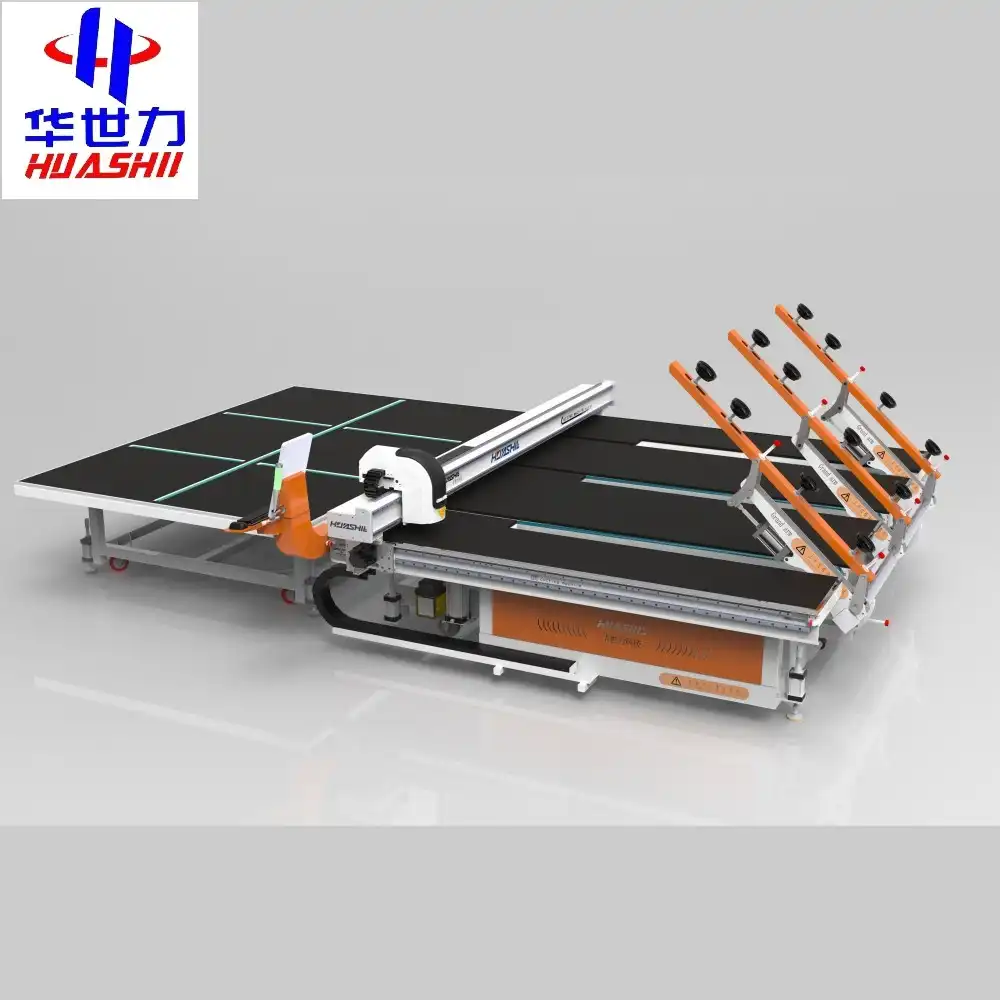
Shandong Huashil Automation Technology Co., Ltd. is one of the manufacturers that you should look into. It is a high-tech company that has a lot of experience exporting and focuses on engineering automated glass processing lines.
Huashil's double edging machine is engineered with 12 grinding wheels on each side, configured as 2 upper chamfer wheels + 2 lower chamfer wheels + 8 flat grinding wheels. This setup gives a full edge profile—chamfered and polished—in a single pass, which cuts down on handling steps and makes sure that big production batches all have the same dimensions.
The machine uses servo motor control for both the automatic opening/closing movement and the moving system. Servo-driven actuation provides reliable positioning accuracy that step motors cannot match, which is important when handling solar glass panels where edge tolerances are tight. The width that can be used is between 0.35 meters and 2.5 meters, which is wide enough to fit both standard photovoltaic panel sizes and architectural glass that is too big to fit. Huashil is a great choice for integrators and curtain wall system builders who work with different glass sizes because it can be customized to fit unique project needs.
The PLC touchscreen interface on Huashil's machines cuts down on the time needed to train operators and makes it easy to change processing parameters during production changes.
| Feature | Huashil Double Edging Machine |
|---|---|
| Grinding wheels per side | 12 (2+2 chamfer + 8 flat) |
| Width range | 0.35 m – 2.5 m |
| Drive system | Servo motor (open/close + conveying) |
| Control interface | PLC touchscreen |
| Customization | Available (OEM/ODM) |
How to Navigate the Procurement Process for PV Glass Double Edging Machines
Before requesting a quotation, define your production parameters clearly: target daily output, glass thickness range, required edge profile, available floor space, and power supply specifications. Sharing these details upfront allows PV glass double edging machine suppliers to propose configurations that genuinely match your line requirements rather than offering a generic catalog model.
When reviewing offers, compare more than the unit price. Ask for a complete technical datasheet, confirmation of the lead time, and a list of spare parts with an estimate of how much they will cost each year. For big solar factories or complete projects, make sure that installation control, remote commissioning support, and on-site user training are all included in the contract and not just extras that aren't required.
Payment terms for international orders typically follow a deposit-plus-balance structure or Letter of Credit (L/C). Confirm Incoterms early, as shipping and insurance costs for heavy machinery affect the landed cost materially.
Maximizing ROI with the Right PV Glass Double Edging Machine Supplier
The financial case for investing in a high-quality double edging machine improves substantially when the machine runs reliably at design throughput over its full service life. Servo-driven systems, like the ones used in Huashil's machines, reduce mechanical wear compared to older hydraulic or cam-driven designs. This means that parts last longer and need less maintenance.
Adhering to the manufacturer's suggested maintenance schedule—regular grinding wheel inspection, coolant system checks, and servo calibration—prevents unexpected stoppages that reduce production goals. Most top suppliers provide digital maintenance logs and remote tracking access, giving plant managers early warning of wear patterns before they become breakdowns.
Beyond the original buy, developing a long-term connection with a responsive maker opens access to software updates, next-generation grinding wheel formulations, and line expansion options as production volumes grow. In the competitive solar manufacturing sector, that continuity of partnership translates directly into sustained operational advantage.
Conclusion
It takes more than a book search to find the right glass double-edging equipment for solar production. It demands careful evaluation of technical specifications, supplier credentials, after-sales infrastructure, and total cost of ownership. With its 12-wheel grinding design, wide 0.35 m to 2.5 m width range, and ability to be customized, Huashil's servo-driven double-edging machine meets the realistic needs of solar glass makers working on a large scale. Purchasing managers who use organized evaluation criteria and work with PV glass double edging machine suppliers whose manufacturing knowledge has been checked will be able to get equipment that is of stable quality and will last for a long time.
FAQ
1. How do I verify that a double edging machine supplier is legitimate?
For ISO and CE certificates, ask the organization that issued them to confirm that they are still valid. Ask for documented customer references from active production facilities and, where feasible, arrange a factory visit or video tour. Established makers like Huashil keep traceable quality records and export paperwork.
2. What are typical lead times for a PV glass double edging machine?
Standard machine configurations usually ship 30 to 60 days after the order is confirmed and the deposit is paid. Customized configurations or full production line projects may take 90 to 120 days, depending on how hard the engineering is and where the parts are found.
3. Can these machines handle different glass thicknesses?
Yes. Servo-controlled opening and closing systems allow rapid width and thickness adjustments. Huashil's machine accommodates a working width from 0.35 m to 2.5 m, with additional customization available for project-specific requirements.
4. Is financing available for capital equipment purchases?
Letter of Credit terms are supported by many sellers for foreign buyers. This lowers the amount of capital that needs to be put up front. Discuss L/C terms, deposit amounts, and milestone payment plans directly with the seller during the business discussion stage.
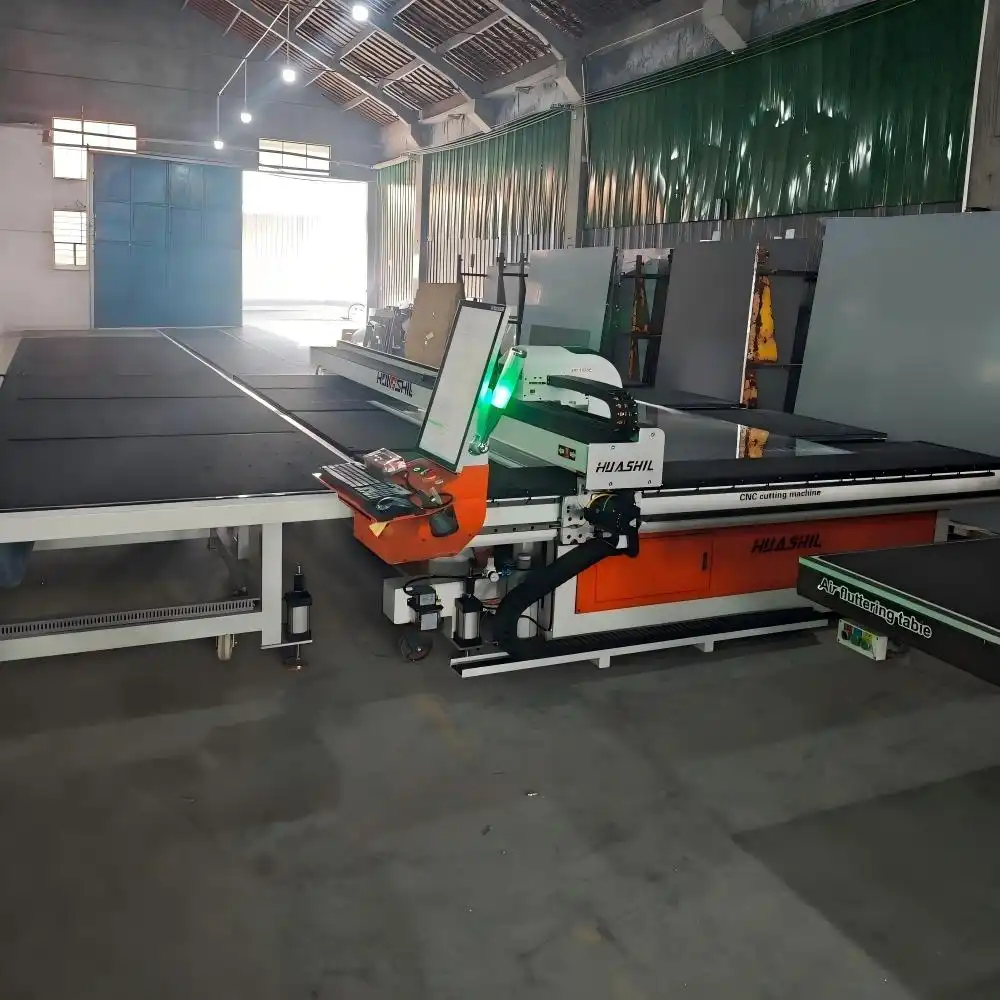
Partner with HUASHIL — Trusted Glass Double Edging Machine Manufacturer for Solar Projects
HUASHIL provides proven glass bilateral edging systems made for high-volume solar and building glass production. Our servo-driven machines, 12-wheel grinding setup, and wide 0.35 m–2.5 m processing range make us one of the most capable PV glass double edging machine suppliers for sale in the global market. To get a detailed datasheet or a unique quote, please email our team at salescathy@sdhuashil.com.
References
1. International Energy Agency (IEA). World Energy Outlook 2023. IEA Publications, 2023.
2. Glass Technology International. Advances in Automated Glass Edge Processing for Photovoltaic Applications. Coxmoor Publishing, 2023.
3. Solar Energy Industries Association (SEIA). U.S. Solar Market Insight Report 2024. SEIA, 2024.
4. Pilkington, K., & Marsh, R. Glass Processing Technology: Industrial Methods and Quality Standards. Woodhead Publishing, 2022.
5. International Organization for Standardization. ISO 9001:2015 Quality Management Systems — Requirements. ISO, 2015.
6. European Committee for Standardization. CE Marking and Machinery Directive 2006/42/EC: Compliance Guidelines for Industrial Equipment Exporters. CEN, 2020.