




A glass CNC cut-out machine can definitely handle 19mm thickness when properly equipped with the right technical specifications. Modern CNC technology has improved to handle the needs of handling thick glass, which makes it useful in the building, car, and furniture industries. Machines from Huashil, like the HSL-YTJ3826, are designed to cut glass from 2 mm to 19 mm thick. They do this by using strong spinning systems, improved tools, and advanced cooling mechanisms that handle the stress and heat that are created during heavy-duty cutting operations.
Understanding Glass CNC Cut Out Machines and Thickness Capabilities
What Defines a CNC Glass Machine?
A glass CNC cut-out machine is a high-tech, fully automatic machine that exactly cuts, shapes, and processes glass to meet different industry standards. These systems use computer numerical control technology to help glass makers in the architecture, car, and smart mirror industries be very precise and work very quickly. Using diamond-tipped tools and multi-axis control systems together lets workers cut in complicated patterns with little help from them.
Using ancient tools to cut glass by hand is very different from using modern automatic equipment. Traditional methods depend on the skill of the operator and physical templates. CNC systems, on the other hand, use digital plans and optimization tools like Optima to get the most out of the materials they use and lose as little as possible. This change has changed the way production works, especially in high-volume settings where accuracy is most important.
Technical Challenges of Cutting 19mm Glass
Cutting thicker glass comes with its own set of tech problems that need unique answers. When working with thick materials, tools wear faster, so they need to be inspected and replaced more often. Controlling vibrations is very important because movements that happen during cutting can ruin the quality of the edge and make the measurements less accurate. Also, a lot more power is needed because cutting through thicker glass needs more movement and constant cutting force throughout the process.
The production of heat is another big problem. As cutting tools go deeper into glass substrates, friction gets stronger, which could lead to tiny cracks or heat stress in the material. This effect is canceled out by advanced cooling systems that keep the cutting surface at the right temperature. This protects both the tool and the glass.
Industry Standards and Certifications
Compliance with well-known quality standards gives buying workers peace of mind when they are looking at equipment purchases. If a product has CE certification, it means it meets European safety and environmental standards. If it has ISO 9001 certification, it means the maker is committed to consistent quality control systems. These qualifications help technical managers and plant directors narrow down their choices to dependable sellers early on in the vendor selection process.
In addition to certifications, performance proof through third-party tests and customer references gives you even more peace of mind. For new buyers, machines that have been used successfully in tough production settings have a track record that makes them seem less risky.
Can a Glass CNC Cut Out Machine Handle 19mm Thickness?
Technical Features Required for Thick Glass Cutting
Heavy-duty models are different from normal tools because they need to have certain features in order to work with 19mm glass. Spindle motors that are strong enough to run continuously at high loads are the building blocks of successful thick glass processes. These motors need to be able to provide enough power while keeping the same speed across a range of material thicknesses.
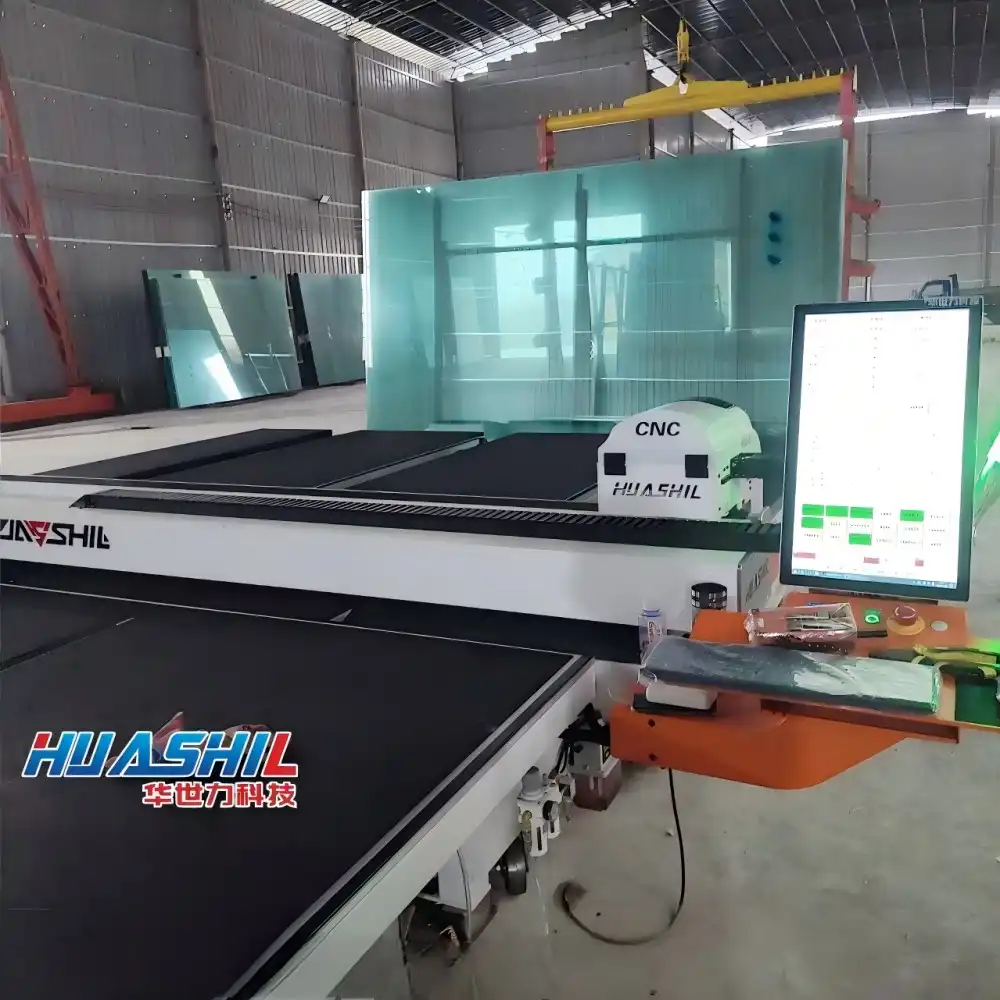
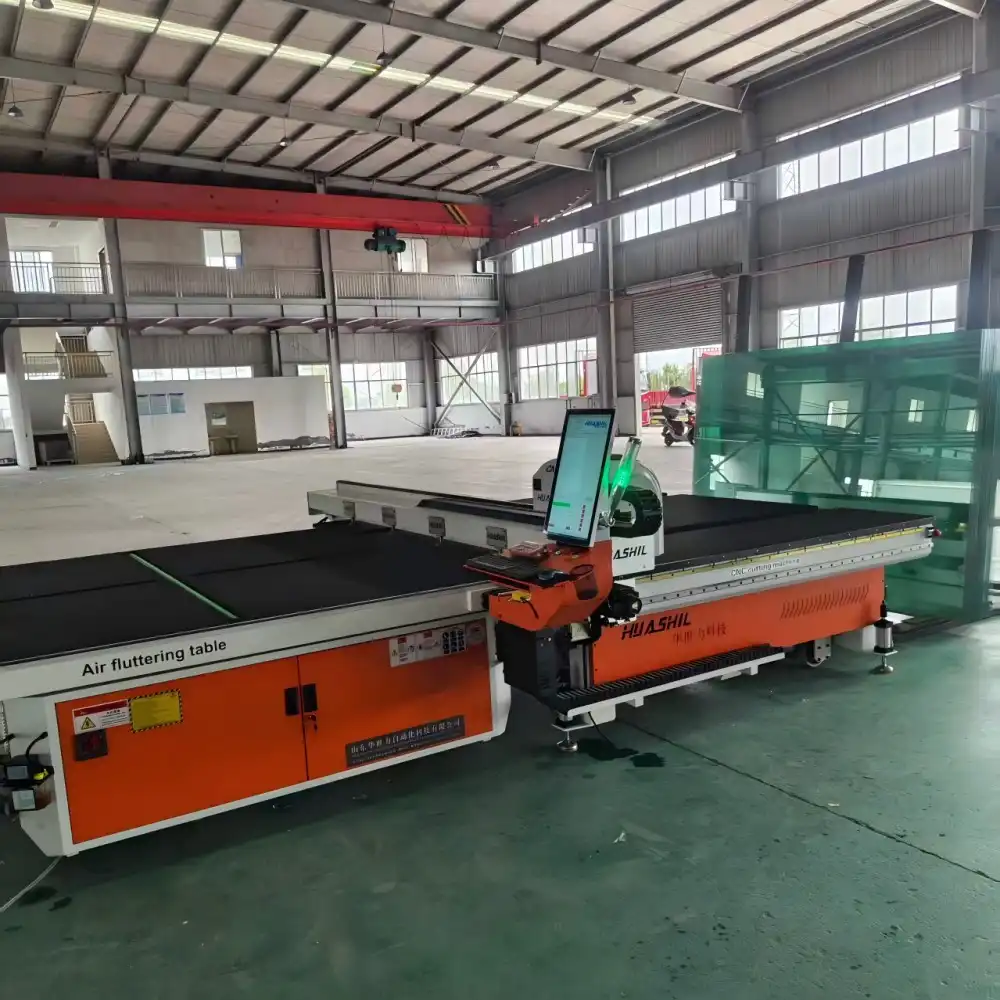
The glass cnc cut out machine HSL-YTJ3826 is a good example of this because it can cut glass up to 3660x2440mm while keeping exact control during the whole process. Its automatic pressure control system changes how much force is applied based on real-time input. This keeps the stress from being too high, which could cause cracking. The automatic edge-finding function gets rid of mistakes made during setup, making sure that each cut starts in the right place.
How complex the cooling system is has a direct effect on the quality of the result. When cooling isn't done properly, heat builds up and weakens the glass structure, and shortens the life of the tool. Targeted coolant delivery that tracks the cutting path is used in more advanced setups to keep temperatures fixed even during long production runs.
Advantages Over Traditional Cutting Methods
Several practical benefits become clear when you compare CNC technology to traditional methods of scoring and cutting. The level of accuracy that can be achieved with computerized control is higher than what can be regularly achieved with human methods. The range of dimensional tolerances gets very small, which is important for building setups where glass pieces need to fit perfectly inside framing systems.
A big cost benefit comes from cutting down on material waste. Optimization software looks at cutting designs and places them so that the most glass sheets can be used. Fixed models and safety gaps built into manual processes mean that traditional methods often waste more materials than they save. Over thousands of cuts, these small savings add up to big drops in the cost of materials.
With automatic methods, turnaround times are cut down by a huge amount. The HSL-YTJ3826's automatic loading feature gets rid of the need to move workpieces by hand between cutting cycles, and the built-in breaking table finishes the separate process without having to move the pieces. This smooth workflow keeps the production going, which is especially helpful when meeting short dates for big projects.
Real-World Applications in Industrial Settings
Architectural glass production depends a lot on being able to work with thick glass. Curtain wall systems are using 19mm panels more and more to keep the structure strong and the heat in. CNC machines can handle the complicated forms needed for modern building designs. They can cut irregular shapes and exact mounting holes, which are hard to do regularly by hand.
When making auto glass, very precise standards are needed to make sure safety and fit. Windshields and side windows must fit the shape of the car's body while still being clear. CNC systems can make these parts over and over again, which ensures that every part meets strict quality standards. This lowers the number of parts that are rejected and the number of guarantee claims.
The flexibility of automatic cutting is useful for furniture makers who make glass countertops, shelves, and decorative walls. Custom sizes and edge shapes can be used even for smaller production runs, which opens up more design options without raising costs by the same amount.
Selecting the Right Glass CNC Cut Out Machine for Thick Glass
Critical Specifications for Procurement Evaluation
When technical managers look at tools for thick glass uses, they should pay close attention to motor power rates. Machines that aren't strong enough have trouble cutting for long periods of time, which causes them to break down early and stop production. Instead of high-performance numbers that machines can't keep up with during production, specifications should list constant duty rates.
Spindle RPM levels affect both how fast the blade cuts and how well the finish looks. Higher speeds make it faster to move through material, but if the right tools aren't used with them, they can ruin the smoothness of the edges. With variable speed control, workers can find the best settings for different types and sizes of glass, so all product lines can stay flexible.
The stiffness of an axis affects how accurate and repeatable measurements are. Rigid frame design keeps the frame from bending too much when cutting, so the tool path stays in line with the set coordinates. When looking at machines, you should ask about the frame's materials, the specs of the linear guides, and any structural reinforcements that are meant to keep the glass cnc cut out machine accurate during heavy-duty work.
Automatic vs. Manual Operation Considerations
Choosing between automatic and manual loading methods has a big effect on how well work gets done and how much labor is needed. Automatic loading systems, like the ones built into the HSL-YTJ3826, cut down on the time needed to move workpieces and lower the risk of breaking them while they are being placed. The air flotation system makes it easy for glass to move smoothly across the work area, keeping sensitive surfaces from getting scratched or dirty.
Full automation works best in places where a lot of the same things are made over and over again. When making hundreds of the same parts, automatic methods are worth the extra money because they are more consistent and faster. When switching between different goods is often needed, and setup freedom is more important than throughput, manual methods are still better.
Having a remote handle makes operations safer and more convenient. The HSL-YTJ3826's 360-degree remote control walking feature lets workers place and watch over machines from a safe distance. This is especially helpful when working with big glass panels that block your view.
Evaluating Supplier Capabilities and Support Infrastructure
The production skills needed to make effective glass processing tools can be seen in Shandong Huashil Automation Technology. The company has a lot of experience making automatic mechanical tools, and they use cutting-edge methods and strict quality control throughout the whole production process. This level of operational development means that tools work reliably in harsh industrial circumstances.
Along with machine features, after-sales help infrastructure should also be thought about. The length of downtime when parts need to be replaced depends on how readily available spare parts are. When suppliers keep enough goods on hand, and their transportation networks work well, production interruptions that hurt profits are kept to a minimum. How quickly operators can fix software problems or find the best cutting parameters for new uses depends on how quickly technical help responds.
Maintenance and Safety Tips for High-Thickness Glass CNC Cutting
Preventive Maintenance Protocols
To keep a machine running at its best, it needs regular repair that is specifically designed for cutting thick glass. When working with 19mm glass, tool inspections should happen less often because cutting forces speed up wear rates compared to smaller materials. A close look shows chipping or dulling that lowers the quality of the edge, indicating that it needs to be replaced before the problem spreads to other production runs.
Verifying the axes' orientation stops the accuracy from slowly dropping over time. Using precise tools to take measurements on a regular basis ensures that the shape of the machine stays within the manufacturer's guidelines. Misalignment shows up as different sizes on cut parts, and it's usually not noticed until a lot of work has been lost.
Software calibration makes sure that the set values and the real positions of the tools stay in sync. Environmental factors, such as changes in temperature, can affect the accuracy of tracking, so it's a good idea to do regular adjustment checks. Modern systems often have self-diagnostic features that make this process easier and let workers know about problems before they affect the quality of the production.
Operator Safety and Glass Handling Procedures
There are strict safety rules that must be followed when working with big glass pieces and powerful machines. Protective barriers keep workers safe from moving objects that are created when cutting and breaking things. To make sure that machines can be shut down right away when dangers appear, emergency stop features must be easy to get to and be tested frequently.
Safe ways to handle glass keep mistakes from happening during the loading and unloading processes. Using the right pulling gear that is rated for big panel weights lowers the risk of strain injuries and breakages. Training programs should stress safe work practices that are specific to working with thick glass, such as recognizing signs of stress that come before catastrophic failures.
Personal safety equipment (PPE) is needed in more places than just factories. Safety glasses with side covers keep your eyes safe from flying glass, and cut-resistant gloves keep your hands safe when you're moving things by hand. Depending on how loud it is outside during long-term cutting operations, hearing protection may be needed.
Procurement Insights: Buying a Glass CNC Cut Out Machine for 19mm Thick Glass
Investment Analysis and Total Cost of Ownership
Heavy-duty CNC systems are expensive because they are made with a lot of complex technology and high-quality materials. More expensive machines that can successfully cut 19mm glass are more expensive than lighter-duty options, but this is because they can do more and last longer. Costs must be looked at in the context of the total cost of ownership, which includes costs for setup, training, upkeep, and running the equipment over its entire life.
Financing choices make it easier for organizations to handle their capital expenditures when they have to choose between different investment goals. Leasing breaks down high upfront costs into manageable monthly payments, which keeps your cash flow flexible. Installment plans based on production income streams match payment schedules with revenue creation, which makes it easier on the wallet during the early stages of adopting new equipment.
When figuring out the return on an investment, you should take into account both direct savings from increased efficiency and secondary benefits like better product quality and more market possibilities. Faster turnaround times let bigger orders go through that would have been too much for the company to handle before, and less waste directly raises material cost ratios.
Verifying Supplier Credentials and Service Networks
Authorized dealers guarantee real goods and warranties backed by the maker. To avoid buying fake or illegal goods that don't come with the right support, procurement managers should directly check with makers to make sure that distributors are authorized to do so. Because the distance between service centers affects how quickly they can help with technical issues and warranty issues, regional support infrastructure can be used as a useful selection factor.
The warranty terms call for a close look, especially the length of time that major parts like wheels, motors, and control systems are covered. Comprehensive guarantees show that the company that made the product is confident in its durability and protects buyers from unexpected repair costs during the first few months of use. During talks, the price and availability of spare parts should be made clear, as they will be an ongoing cost of running the machine for its entire life. Working with reputable cnc glass cutting macine suppliers can help ensure reliable service and long-term equipment support.
References from current customers who use similar machines can tell you a lot about how well the machine works in real life and how quickly the provider is. Site visits to installations that are already up and running show practical details that specs alone can't show, such as noise levels, space needs, and problems with integrating into current production lines.
New Equipment vs. Used Equipment Considerations
When budgets are tight, used equipment is sometimes looked at as a way to save money. Even though the price at first glance seems good, buyers need to think about how long the product will last, the risk of it becoming outdated, and the warranty's restrictions. Older versions of used machines don't have manufacturer support, which could make it harder to find parts and get expert help.
Customization and OEM possibilities are useful when normal configurations don't perfectly meet the needs of production. Huashil is able to create custom solutions that meet the needs of each individual customer. This includes changing the size of the work envelope, adding specialized tools, or adapting control systems to fit the current infrastructure of the building. This ability to adapt sets capable suppliers apart from those who only offer fixed product lists.
Conclusion
Modern glass CNC cut-out machines are capable of handling 19mm thickness, as demonstrated by both technical specs and successful industrial uses. When properly designed, CNC systems like the HSL-YTJ3826 can process thick glass quickly and consistently thanks to their strong mechanical design, advanced control software, and wide range of automation features. When procurement professionals look at these systems, they should give more weight to providers who have a track record of knowledge, a complete support infrastructure, and quality management systems that have been certified. By increasing output, lowering material waste, improving product quality, and opening up new markets, investing in skilled equipment pays off.
FAQ
1. Can all CNC glass machines cut 19mm thick glass?
Not all CNC glass cutting systems have the strength, motor power, and cooling that are needed to work with 19mm glass. Standard types can usually handle materials that are 3 mm to 12 mm thick. Heavy-duty models like the HSL-YTJ3826 clearly state that they can handle glass up to 19 mm thick, with features like strengthened frames, high-torque spindles, and better cooling systems that are needed for thick glass uses.
2. Does cutting thicker glass require more maintenance?
Cutting 19mm glass puts more stress on mechanical parts and wears out tools faster than cutting smaller materials. The time between maintenance checks should get shorter, and the cooling system and tools should be inspected more often. By keeping small problems from getting worse and causing big failures, proper upkeep actually makes devices last longer.
3. Why choose CNC over laser cutting for thick glass?
Mechanical CNC cutting is still better for thick glass because the edges are better, and the equipment costs less. Laser systems have a hard time controlling temperature stress in thick supports, which can lead to tiny cracks that weaken the structure. CNC methods make lines that are smoother, which is good for use in architecture and cars, where strength and looks are important.
Partner with HUASHIL for Advanced Glass Processing Solutions
Selecting a glass cnc cut out machine provider dedicated to technical quality and thorough customer support is the first step in improving your glass fabrication skills. The HSL-YTJ3826 from Huashil blends tried-and-true engineering with high-tech automatic features that are especially made for tough, thick glass jobs. Our CE and ISO 9001 licenses show that we meet high-quality standards, and our many years of production experience mean that we can reliably do our jobs in high-volume industrial settings. You can talk to our team at salescathy@sdhuashil.com about your unique needs, set up a demonstration, or ask for a full technical proposal. We help with the whole buying process, from coming up with the initial specifications to installing the equipment and teaching the people who will be using it.
References
1. Anderson, M. & Thompson, R. (2021). Advanced Glass Processing Technologies: CNC Applications in Modern Manufacturing. Industrial Press Publishing.
2. Chen, W. (2022). "Precision Cutting of Architectural Glass: Comparative Analysis of CNC and Traditional Methods." Journal of Materials Processing Technology, 298, 45-62.
3. European Committee for Standardization (2020). Safety Requirements for Glass Processing Machinery. CEN Standards Documentation.
4. Mitchell, K. (2023). Automation in Glass Fabrication: Equipment Selection and ROI Analysis. Manufacturing Technology Institute.
5. Nakamura, T. & Lee, S. (2022). "Thermal Management in Thick Glass CNC Cutting Operations." International Journal of Advanced Manufacturing Technology, 119, 3341-3356.
6. Williams, D. (2023). Industrial Glass Processing: Equipment Procurement Guide for Production Managers. Technical Publications Group.
