




A glass measure table machine is a game-changing tool that directly improves production speed when it comes to making glass better. Precision measuring and placing are made possible by these high-tech systems, which cut down on waste and human mistakes while speeding up work. Modern glass cutting and measuring tools make it possible for makers to meet tight deadlines without sacrificing quality. This is because they automate a process that used to require a lot of manual work. You can quickly see the effect: shorter cycle times, fewer fails, and better use of resources all add up to a strong return on investment that both plant managers and finance leaders can get behind.
Understanding Glass Measure Table Machines and Their Role in Production Efficiency
What Is a Glass Measure Table Machine and Why Does It Matter?
Glass measure table machines are specialized pieces of equipment made to accurately measure big sheets of glass to the millimeter level. These industrial systems are different from handheld calipers or tape measures because they use automatic positioning, laser-guided measuring, and digital readouts to make sure the measurements are correct before cutting, edging, or putting things together. Precision is important because even small differences in thickness or size can weaken the structure of architectural glass or require expensive repair when making furniture.
Ultrasonic sensors are used to check the thickness of modern systems without touching them, laser rangefinders are used to check the length and width, and vision systems are used to find edges. This multi-modal method makes sure that full quality control is done at the very beginning of the production process, stopping problems from spreading further down the line.
Core Functions That Drive Manufacturing Performance
In the process of working with glass, accurate measurements are the basis for everything that comes after. When a production line knows the exact sizes of the parts it needs to cut, it uses materials much more efficiently. Modern measuring tools work with optimization software like Optima to find the best ways to cut things. This cuts down on waste from offcuts, which can account for 5–10% of the cost of raw materials in facilities that aren't as well optimized.
In addition to cutting down on waste, reliable measurement data is used to build traceability systems that are needed in architecture and the car industry. Plant managers can write down the details of each panel, making audit trails that meet building codes and insurance requirements, and keep them safe from damage claims.
Identifying Production Bottlenecks: How Traditional Glass Measurement Methods Fall Short
The Hidden Costs of Manual Measurement Processes
Traditional ways of measuring depend a lot on the skill and attention of the user, which leaves weak spots between shifts of production. When using handheld tools, a worker has to write down measurements by hand, send those numbers to cutting stations, and hope that typing mistakes don't lead to mistakes that cost a lot of money. This process usually takes three to five minutes per panel, which adds up to hundreds of daily units.
Variability is also affected by human forces. Long shifts make people tired, which changes the accuracy of measurements, and training gaps between new and experienced workers cause quality differences. Before they started using automated solutions, one Midwest curtain wall maker had a 12% fail rate that was mostly due to measurement mistakes. This meant that they lost over $200,000 a year in material.
Common Misconceptions That Perpetuate Inefficiency
A lot of production heads think that small mistakes in measurements are normal when working with glass. From this point of view, the effects don't add up—one wrongly measured panel can cause installation delays, breach building contracts with fines, and hurt relationships with customers. The real cost is much higher than just replacing the materials.
Another false belief is that automatic measurement systems, like a glass measure table machine, need a lot of training for the people who use them. Modern interfaces have changed to look like well-known touchscreens. This means that skilled glass users can get good at them in days instead of weeks.
How Glass Measure Table Machines Optimize Production: Core Mechanisms and Benefits
Advanced Technology Features That Transform Workflow
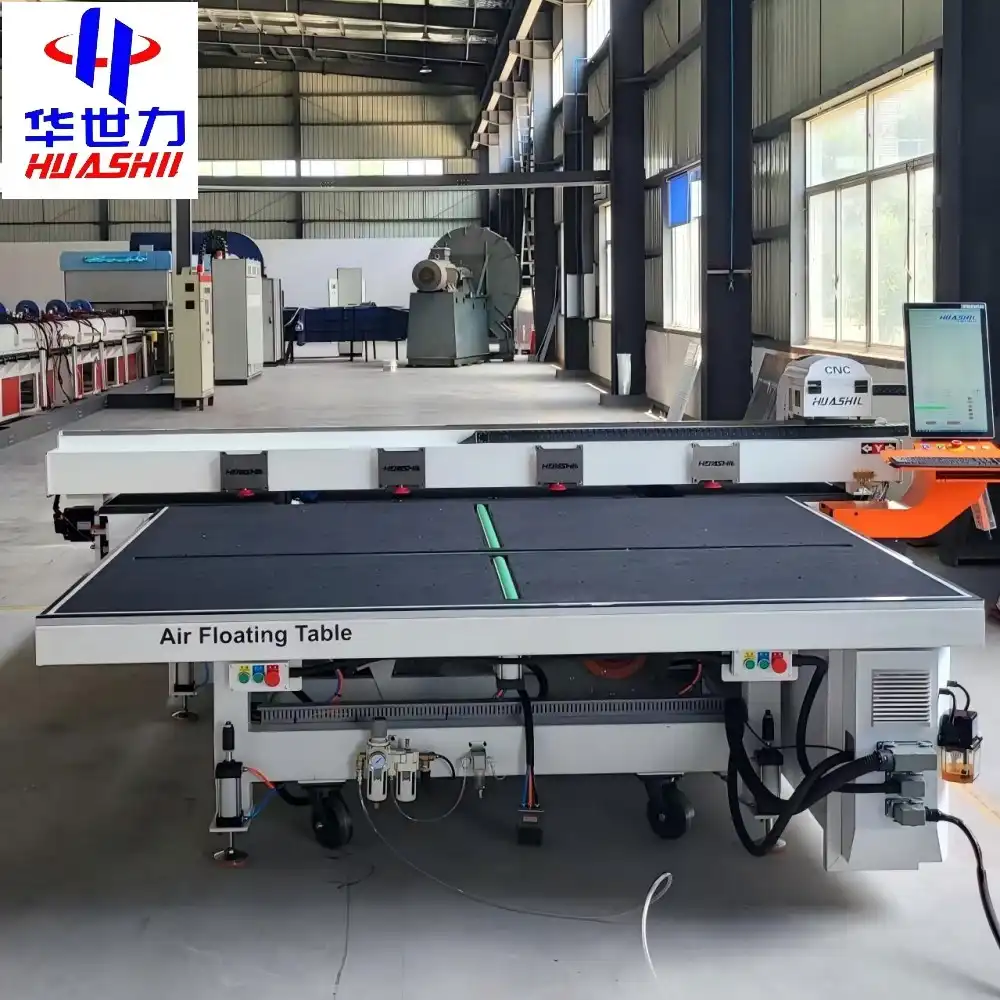
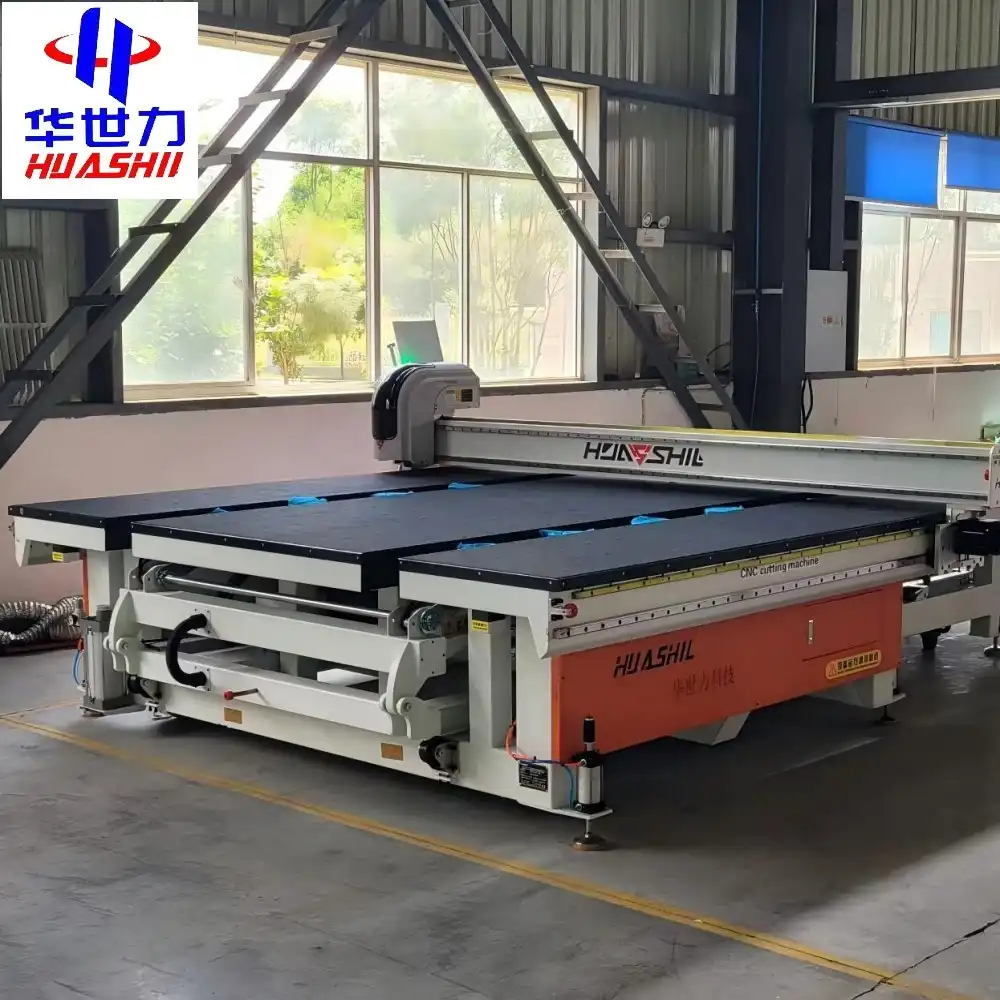
Modern systems for measuring and cutting, like the HSL-YTJ3829 type, have many automated parts that work together to make the system more efficient. Automatic filling gets rid of the need to handle large-format glass up to 3660x2800mm by hand, keeping workers and supplies safe. The air float system suspends panels on a cushion of low-pressure air. This lets operators place heavy sheets with just a touch of a finger, and the edge-finding function finds the edges of the material automatically.
Automatic pressure control changes the grip force based on the thickness of the glass (2–19 mm), which keeps smaller panels from stress cracks and holds thicker architectural glass in place. The breaking table is the last step in the processing routine. It uses controlled force along the scribe lines to make clean separations. Technicians can easily handle multiple stations by using remote controls and 360-degree wireless systems.
Here are the ways this technology improves performance:
Speed Improvement: When compared to human methods, automated placement and measurement cut cycle time per panel by 60–70%, which lets facilities process 40–50 more units per shift.
Precision Consistency: Digital measuring systems keep a range of ±0.2mm over thousands of repetitions. This gets rid of the variation that comes with human operation and makes sure that building standards are always met.
Labor Optimization: One person can oversee automated equipment that used to need two or three techs. This frees up skilled workers to do more valuable work, like quality checks or complicated custom orders.
Material Yield: Using Optima optimization software to figure out building patterns that make better use of materials by 8–12% lowers the cost of buying raw glass and has less of an effect on the environment.
Quality Documentation: Collecting data in real time makes digital records for each panel, which helps with ISO 9001 compliance and gives building project managers the tracking they need more and more.
These features meet the main concerns of engineering managers looking at equipment specs and give production leaders the efficiency gains they need to defend capital expenditures. These systems are good for both high-volume architectural glass plants and mid-sized furniture makers looking for a competitive edge because they are CE certified and have been shown to work reliably.
Quantifying the Return on Investment
When purchasing automatic measuring systems from a glass measure table machine wholesaler, teams often stop at the first price point without figuring out the total cost of ownership. A thorough study shows that the economics are strong. Cutting down on material waste can pay for 30 to 40 percent of the cost of buying new tools in the first year for medium-sized businesses that process 200 or more panels every day. When you add in the money you save on labor costs from not having to hire as many people and getting things done faster, the payback time is usually between 18 and 24 months.
Cutting down on downtime is another important but often forgotten benefit. When people change shifts or take breaks, manual measurement methods slow down work, but automatic systems keep output steady. Facilities say their output has gone up by 15 to 20 percent without having to work longer hours.
Choosing the Right Glass Measure Table Machine for Your Business Needs
Critical Evaluation Factors for Procurement Decisions
It's important to carefully match technical specifications to real output needs. The largest amount of glass that can be held should be able to handle both regular sales and big projects that are planned for the future. The HSL-YTJ3829 can handle sizes between 3660mm and 2800mm, which is good for building curtain wall uses. However, furniture makers might care more about the thickness range than the maximum measurements.
Software collaboration should be carefully looked over. When you buy equipment that uses well-known optimization platforms like Optima, you get help and algorithms that have been tested over time. On the other hand, proprietary systems may have long learning curves and few ways to update. To avoid building data silos, engineering managers should make sure that the new system will work with old ERP systems.
Supplier Reliability and After-Sales Support
In addition to the specs of the tools, the choice of supplier has a big effect on the long-term success of the business. Companies that have been around for a long time, like Shandong Huashil Automation Technology, have decades of engineering knowledge that makes sure mechanical designs can stand up to heavy industrial use. Their ISO 9001 certification shows that they handle quality in a planned way, and their CE compliance shows that they follow safety rules that are important for U.S. operations.
Infrastructure for after-sales assistance is just as important. Whether a small problem causes hours of downtime or is fixed quickly depends on how quickly spare parts are available, how quickly technical help responds, and how easy it is to get to calibration services. Buyers should check the guarantee terms, the usual time it takes for technical support to respond, and whether the product has remote tests that let problems be fixed without having to wait for service technicians to come to the home.
Ensuring Long-Term Efficiency: Best Practices for Operation and Maintenance
Calibration Protocols That Maintain Measurement Accuracy
To keep errors within acceptable limits, precision measuring equipment needs to be checked on a regular basis. Industrial-grade glass measure table machines should be calibrated every three months or after every 10,000 panels are processed, whichever comes first. This plan makes sure that measurement drift doesn't hurt the quality of the product and keeps testing costs as low as possible.
As part of the calibration process, certified reference standards are placed at several places across the measurement range to check the accuracy of the sensor at the lowest, highest, and middle areas. Recording the results of calibration makes records of compliance and shows how sensors are slowly losing their effectiveness before it affects production.
Preventive Maintenance That Maximizes Uptime
Regular repair makes equipment last longer and keeps it from breaking down during important work runs. Cleaning the glass every day gets rid of dust and other things that can get in the way of sensors and air floating systems. Checking the tightness of the synchronous belt once a week is recommended to make sure that the glass moves accurately and doesn't slip, which could affect its position.
Every month, checkups check air systems for leaks, make sure that moving parts are properly oiled, and make sure that the emergency stop works. Instead of letting unplanned interruptions during high-demand times being caused by repairs that have been put off, production leaders should schedule these tasks for planned downtime.
Conclusion
With its accuracy, speed, and regularity, automated glass measuring and cutting technology makes production more efficient in ways that human methods can't. The HSL-YTJ3829 and other advanced systems like it handle the whole processing process, from automatic loading to optimized cutting to final breaking. They also make the records and traceability that modern building projects need. When procurement teams look at the total cost of ownership instead of just the price of acquisition, the return on investment is very strong, especially for sites that handle medium to high numbers. Adopting this technology is now a smart move for staying competitive in the architectural glass, curtain wall manufacturing, and custom furniture markets because it is reliable, easy to use, and comes with full support.
FAQ
1. How does a glass measure table machine integrate with existing production lines?
Modern measurement systems can connect to production lines using standard industrial protocols. They can work as separate stations or as parts that are fully integrated into the line. Upstream order management systems send digital job files to most of the equipment, which then sends cutting data to shaping and finishing equipment further downstream. Usually, the mechanical construction part of the integration process takes two to three days, and the software setup and operator training takes an extra day.
2. What distinguishes laser measurement from ultrasonic technology in glass processing?
Laser systems are great at finding edges and measuring sizes, and they can give you numbers very quickly, making them ideal for high-speed production settings. Ultrasonic sensors are better at measuring thickness, especially for layered or coated glass, where the visual qualities could make lasers less accurate. Often, high-tech tools use both technologies together so that they can work best for different kinds of measurements.
3. How frequently do industrial glass measuring systems require professional calibration?
To keep things as accurate as possible, tuning is usually done every three months in production settings. However, high-volume facilities that work with high-end building glass may do it every month. Manufacturers of equipment give calibration instructions based on how often it is used, and quality management systems like ISO 9001 require written calibration plans that can be linked to national measurement standards.
Partner with HUASHIL for Your Glass Processing Automation Needs
HUASHIL has all the options that production leaders and buying managers need to bring their glass fabrication businesses up to date. The HSL-YTJ3829 glass cutting and measuring system is the result of many years of automation engineering work that has been devoted to architectural glass, curtain wall, and custom furniture needs. As a well-known company that makes glass measure table machine, we offer full technical documentation, thorough ROI analyses, and customized demos that are tailored to the specific production problems your facility faces.
HUASHIL's commitment goes beyond selling equipment and includes helping with installation, teaching operators, and providing quick technical support through salescathy@sdhuashil.com. Our CE and ISO 9001 licenses make sure that quality and safety standards are met, and our ability to ship products all over the world on time for project schedules is another strong suit. Get in touch with us right away to talk about how automatic glass processing technology can help you stay competitive and make more money.
References
1. Anderson, M. & Williams, R. (2023). Automation in Architectural Glass Manufacturing: Efficiency Metrics and Investment Analysis. Industrial Engineering Press.
2. Chen, L. et al. (2024). "Precision Measurement Systems for Large-Format Glass Processing." Journal of Manufacturing Technology, Vol. 47, No. 2, pp. 112-128.
3. European Committee for Standardization (2022). Glass Processing Equipment—Safety Requirements and Measurement Accuracy Standards. CEN Technical Report TR-1547.
4. National Glass Association (2023). Best Practices Guide for Automated Glass Fabrication Systems. NGA Technical Publications.
5. Stevenson, P. (2024). "Total Cost of Ownership Analysis for Glass Processing Automation." Manufacturing Investment Quarterly, Spring Edition, pp. 34-41.
6. Zhang, H. & Kumar, S. (2023). Quality Control in Glass Manufacturing: The Role of Automated Measurement Technology. Springer Industrial Engineering Series.