




A reputable glass industry air flotation machine provider can improve production line efficiency and quality. China has several air flotation system manufacturers for glass handling, shipping, and processing. These devices carry fragile glass sheets around factory floors without surface contact using air cushion technology, eliminating scratches and breakage. Selecting the correct partner involves technical criteria, manufacturing capabilities, and post-purchase assistance that meet operational objectives. Precision glass processing equipment is in demand worldwide as architectural, automotive, and interior design firms seek efficiency gains. Chinese manufacturing provides low prices, superior automation, and flexible customisation. However, selecting suppliers requires careful consideration of credentials, manufacturing capacity, and service obligations. This article reveals established methods for finding producers of dependable air flotation equipment for glass manufacturing.
China's Manufacturing Edge in Glass Flotation Technology
Advanced Production Infrastructure
China's glass equipment industry benefits from concentrated industrial zones with component suppliers, engineering skills, and testing facilities. High-quality steel, accurate bearings, and air compressor systems are affordable for manufacturers. Vertical integration speeds prototyping and reduces lead times compared to regional vendors.
CNC machining centers and automated welding stations ensure flotation table surface quality in modern facilities. Troubleshooting during equipment development is accelerated by knowledgeable mechanical and control software professionals. Many vendors have R&D facilities to improve air distribution and reduce energy use.
Customization Capabilities
Chinese manufacturers are experts in customising flotation devices for production lines. Engineering teams work with customers to change table size, air nozzle arrangements, and conveyor interfaces. This versatility helps adapt glass cutting lines or create new processing systems.
Curtain wall fabricators and furniture makers may define control panel layouts, safety interlocks, and upstream cutting table compatibility via OEM relationships. Supplier component libraries allow fast changes without affecting structural integrity. Rapid prototyping validates designs before mass manufacturing.
Cost-Effective Scaling
Chinese vendors might provide low prices on single equipment and industrial lines due to volume production. Established service networks decrease spare parts prices and downtime via economies of scale. Plant managers like clear pricing that separates equipment, installation, training, and warranty renewals.
Payment flexibility via L/C and milestone-based deposits facilitates procurement procedures. TCO packages for multi-year maintenance contracts and operator certification may be negotiated by finance departments.
Proven Methods to Identify Trustworthy Suppliers
Verify Production Certifications
ISO 9001 accreditation standardises material selection, assembly, and final testing quality management procedures. CE certification verifies that machinery satisfies European safety standards for guarding and electrical safety. RoHS compliance is important when exporting processed glass to environmentally stringent markets.
Third-party audit reports should be requested instead of certificate displays. Validate certification dates and verify issuing entities using official registers. Manufacturing companies with numerous facility certifications maintain standards across production facilities.
Evaluate Technical Documentation Quality
Professional providers offer detailed installation, maintenance, and troubleshooting guides. Material parameters for air distribution chambers and levelling systems are shown in CAD drawings. Electrical diagrams let technical managers evaluate control system design before buying.
Consult clear documents for first enquiries. Companies providing bilingual manuals and video installation aids understand worldwide client demands. Technical data sheets should include air pressure, power usage, and glass weight limits.
Assess Factory Capabilities Through Virtual Tours
High-quality manufacturers exhibit assembly lines, quality inspection stations, and testing locations in videos. Check manufacturing floors for cleanliness and order. Look for flotation table surface preparation, tooling, and measuring equipment.
Tours of suppliers' factories show whether they make or buy essential components. Fabrication integration improves quality control and supply chain security. R&D laboratories have prototyping and simulation software.
Examine Reference Projects and Case Studies
Established providers have portfolios of architectural glass, automobile glazing, and furniture manufacturing workshop setups. Case studies should describe project objectives, equipment setups, and performance gains like breakage reduction or throughput.
Ask references about equipment dependability, technical support, and replacement parts availability. Production directors are honest about whether commissioning schedules and performance standards were met for glass industry air flotation machine installations.
Test Communication and Responsiveness
Ask precise technical questions about production issues and monitor responses. Engineering connections from good vendors ask detailed enquiries rather than giving catalogue answers. Assess if the first bids meet your needs or provide typical products.
Pre-sales inquiry responses indicate post-sales support Quality. Manufacturers that promise 24-hour inquiry responses usually comply with service requests. Technical understanding and design iteration matter more than language skills.
Analyze After-Sales Service Infrastructure
Air nozzles, levelling actuators, and control panels are stocked at reliable providers' regional service centers. Request typical spare parts delivery times to your area. Maintenance contracts should define technical support call and on-site service response timeframes.
Beyond equipment acquisition, operator certification and maintenance technician workshops provide value. To reduce downtime, suppliers with IoT-enabled control systems provide remote diagnostics for troubleshooting before sending experts.
Compare Warranty Terms and Coverage Scope
After installation, standard warranties cover manufacturing faults for 12-18 months. Premium vendors guarantee throughput and uptime or expand coverage durations. Determine if warranties cover parts or labour for component replacement.
Carefully read warranty exclusions. Unauthorised changes or missed maintenance schedules may cancel coverage under several agreements. Extended warranties provide finance teams with financial stability for long-term operational expenditures.
Navigating B2B Platforms and Sourcing Channels
Specialized Trade Exhibitions
Events like Glasstech Asia and China Glass Expo enable direct interaction with multiple suppliers within concentrated timeframes. Live demonstrations reveal equipment operation under realistic conditions. Engineering managers evaluate build quality, noise levels, and control interface usability through hands-on testing.
Exhibition booths staffed by technical personnel facilitate detailed specification discussions. Collect product literature, obtain preliminary quotations, and schedule factory visits during trade show interactions. Many suppliers offer show-specific pricing incentives for commitments made during event periods.
Online B2B Marketplaces
Platforms like Made-in-China and Alibaba aggregate suppliers offering air flotation systems with searchable specifications. Filter results by transaction history, customer reviews, and verification status. Gold Supplier designations indicate companies undergoing platform-administered factory audits and business license verifications.
Use platform messaging systems to document technical discussions and quotation details. Many marketplaces offer trade assurance programs protecting payment deposits until delivery milestones are complete. Compare multiple suppliers simultaneously while maintaining organized communication threads.
Direct Manufacturer Websites
Established suppliers maintain corporate websites featuring product catalogs, technical specifications, and downloadable resources. Sites with regularly updated content, including blog posts about industry trends and installation guides, signal active marketing investment. Contact forms route inquiries to appropriate departments, streamlining initial communications.
Website professionalism correlates with overall business maturity. Look for clear explanations of customization processes, transparent lead time estimates, and accessible contact information, including direct email addresses beyond generic inquiry forms.
Strategic Approaches to OEM and ODM Partnerships
Define Customization Scope Early
Outline specific modifications required for glass industry air flotation machine systems to integrate with existing cutting tables, breaking stations, or automated loading systems. Provide detailed layout drawings showing spatial constraints, connection points, and material flow patterns. Clear specifications prevent misunderstandings during design phases.
Discuss prototype development timelines and testing protocols before committing to full production runs. OEM partners should offer iterative design reviews incorporating feedback from your engineering teams. Establish intellectual property agreements covering custom control software or unique mechanical designs.
Negotiate Development Costs Transparently
Customization projects involve engineering time, prototype materials, and testing resources. Clarify whether development costs apply toward production unit pricing or constitute separate charges. Transparent suppliers provide itemized quotations, distinguishing design fees from manufacturing costs.
Milestone-based payment structures align financial commitments with project progress. Initial deposits fund engineering work, interim payments are released upon prototype approval, and final balances are settled before shipment. This approach protects both parties while maintaining project momentum.
Establish Quality Acceptance Criteria
Define measurable performance standards covering air pressure uniformity across flotation surfaces, positioning accuracy, and throughput rates. Document testing procedures replicating actual production conditions, including glass dimensions, weights, and process cycle times.
Factory acceptance tests conducted before shipment verify equipment meets specifications. Witness testing when possible or require video documentation showing compliance with agreed parameters. Clear acceptance criteria prevent disputes during commissioning phases.
Effective MOQ and Pricing Negotiation Tactics
Understand Volume-Based Pricing Structures
Single-machine purchases command higher unit prices reflecting setup costs and smaller component orders. Production line contracts, including multiple flotation tables, cutting systems, and breaking stations, unlock volume discounts. Request tiered pricing showing cost reductions at various quantity thresholds.
Long-term partnership agreements committing to future equipment needs strengthen negotiating positions. Manufacturers offer preferential pricing to customers representing steady demand rather than one-time purchasers. Frame discussions around multi-phase expansion plans when applicable.
Compare Total Cost of Ownership
Initial equipment prices represent partial acquisition costs. Factor installation expenses, operator training, spare parts inventory, and maintenance contracts into comparisons. Lower upfront pricing sometimes conceals higher ongoing operational costs through expensive consumables or limited service availability.
Request detailed breakdowns covering five-year ownership periods. Include energy consumption estimates based on specified operating hours and local utility rates. Comprehensive cost analysis reveals true value differences between competing offers.
Leverage Payment Terms as Negotiation Tools
Standard deposit requirements range from 30-40% with balances due before shipment. Propose milestone payments tied to manufacturing stages for large orders. Offering shorter payment cycles or larger deposits may secure pricing concessions from suppliers managing cash flow.
Letter of credit arrangements provide security for both parties during international transactions. Banks verify documentation before releasing payments, protecting buyers while assuring suppliers of fund availability. Understand L/C costs when evaluating overall deal economics.
Quality Assurance Through Factory Audits
Pre-Purchase Site Inspections
Schedule factory visits during production periods rather than idle times. Observe actual manufacturing processes, including welding quality, surface finishing standards, and component assembly sequences. Inspect material storage areas and quality control stations.
Interview production supervisors about process controls and defect rates. Review maintenance records for production equipment, showing the reliability of manufacturing infrastructure. Well-maintained facilities typically produce more consistent output quality.
Third-Party Inspection Services
Engage independent quality control firms to conduct pre-shipment inspections verifying equipment specifications. Inspectors measure critical dimensions, test air pressure distribution, and validate control system functionality. Detailed reports document findings with photographic evidence.
Inspection costs represent minor investments to protect against receiving non-conforming equipment. Services range from basic visual checks to comprehensive performance testing, depending on budget and risk tolerance. Many B2B platforms facilitate inspector scheduling and report access.
Implement Staged Payment Releases
Structure payment schedules rewarding manufacturing milestones and quality checkpoints. Release design approval payments after reviewing engineering drawings. Fund component procurement upon material inspection completion. Final payments transfer after successful factory acceptance testing of glass industry air flotation machine units.
Staged payments incentivize consistent quality throughout manufacturing cycles. Suppliers prioritize projects where payments depend on meeting documented standards. This approach reduces risks compared to large upfront deposits.
Characteristics Defining Leading Suppliers in 2026
IoT Integration and Smart Monitoring
Advanced manufacturers incorporate sensors monitoring air pressure consistency, glass position accuracy, and system health metrics. Cloud-connected control systems enable remote diagnostics and predictive maintenance scheduling. Data analytics identify optimization opportunities, improving energy efficiency and throughput.
Smart flotation systems integrate seamlessly with MES platforms, tracking production metrics across entire processing lines. Real-time alerts notify operators of pressure deviations or maintenance requirements before quality issues emerge. Technology adoption separates innovative suppliers from basic equipment providers.
Sustainability Commitments
Leading manufacturers engineer energy-efficient air compression systems, reducing operational costs and environmental impact. Recyclable materials in construction and minimal packaging waste demonstrate ecological responsibility. Carbon footprint disclosures appeal to customers pursuing green building certifications or corporate sustainability goals.
Optimized air distribution designs minimize compressor runtime without compromising glass support quality. Variable frequency drives adjust motor speeds to match demand fluctuations. These features deliver measurable utility cost reductions throughout equipment lifecycles.
Collaborative Design Approaches
Top suppliers engage customers as partners during development processes rather than presenting fixed product offerings. Engineering teams conduct site surveys, understanding workflow patterns, space limitations, and integration requirements. Collaborative approaches yield equipment configurations maximizing existing infrastructure investments.
Suppliers offering design optimization software help customers simulate various layout scenarios. Virtual commissioning identifies potential bottlenecks before physical installation begins. This consultative methodology builds long-term relationships extending beyond single transactions.
Conclusion
Selecting the right glass industry air flotation machine manufacturer requires balancing technical capabilities, service commitments, and commercial terms. China's manufacturing ecosystem provides access to advanced production technologies, flexible customization, and competitive pricing structures. Successful sourcing combines thorough supplier vetting, clear specification communication, and strategic negotiation approaches. Prioritize manufacturers demonstrating certifications, transparent documentation, and proven reference projects aligned with your production requirements. Establish quality control checkpoints throughout procurement cycles and structure payment terms, protecting both parties. The investment in careful supplier selection pays dividends through reliable equipment performance, responsive technical support, and minimized operational disruptions across multi-year service lives.
Frequently Asked Questions
1. What distinguishes air flotation machines from traditional conveyor systems?
Air flotation technology eliminates physical contact between glass surfaces and transport mechanisms. Compressed air creates thin cushions supporting glass sheets while allowing smooth movement. This prevents scratches, reduces breakage during handling, and maintains optical clarity critical for architectural and automotive applications.
2. How long does typical delivery take for customized flotation systems?
Standard models ship within 4-6 weeks after order confirmation. Customized systems requiring engineering modifications need 8-12 weeks, depending on complexity. Production line projects involving multiple integrated machines extend to 3-5 months, including design validation, manufacturing, and pre-shipment testing phases.
3. What air pressure requirements do flotation tables demand?
Most systems operate between 0.4-0.8 MPa with consumption rates varying by table size and glass weight. Compressor capacity calculations should account for the simultaneous operation of multiple stations plus a margin for pressure fluctuations. Suppliers provide detailed pneumatic specifications during the quotation stages.
4. Can flotation systems handle both flat and curved glass?
Standard flotation tables accommodate flat glass sheets across varying thicknesses. Curved glass processing requires specialized surface contours and adjustable air nozzle configurations. Discuss specific curvature requirements during initial consultations to determine feasibility and customization needs.
Partner With HUASHIL for Precision Glass Handling Solutions
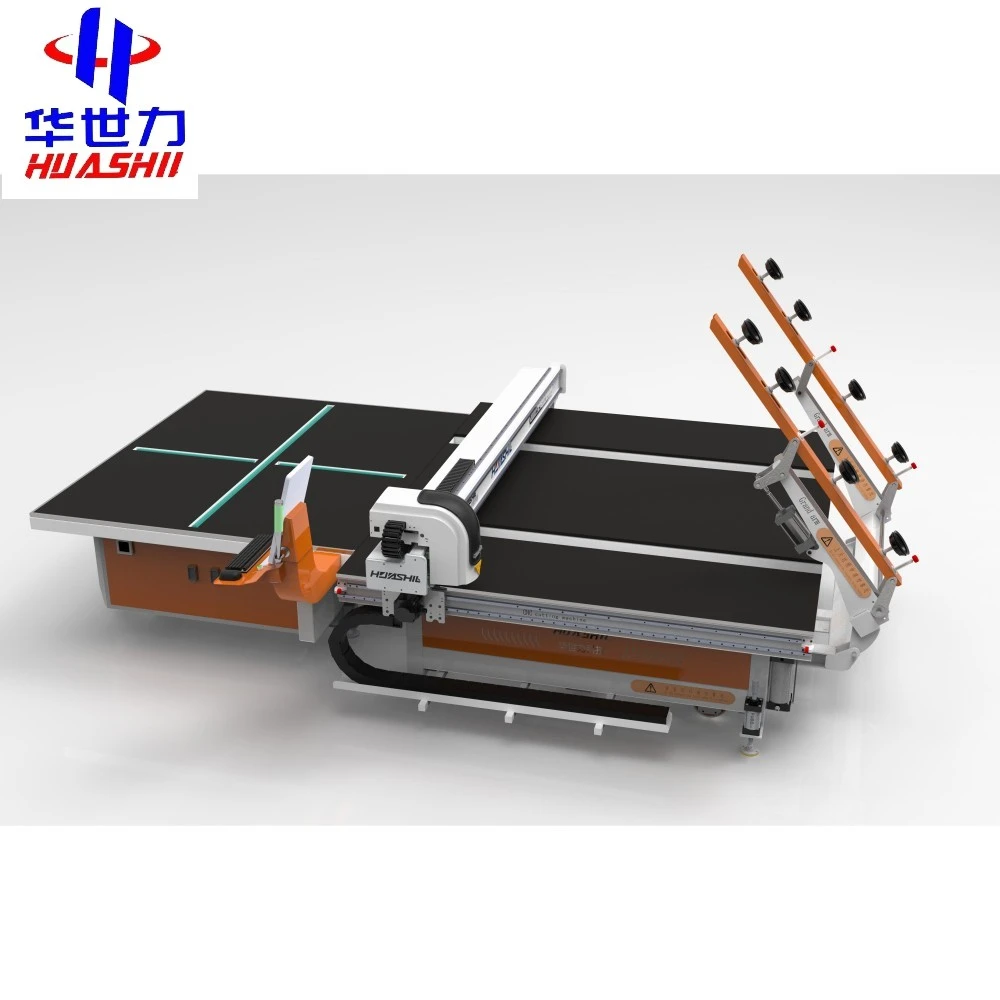
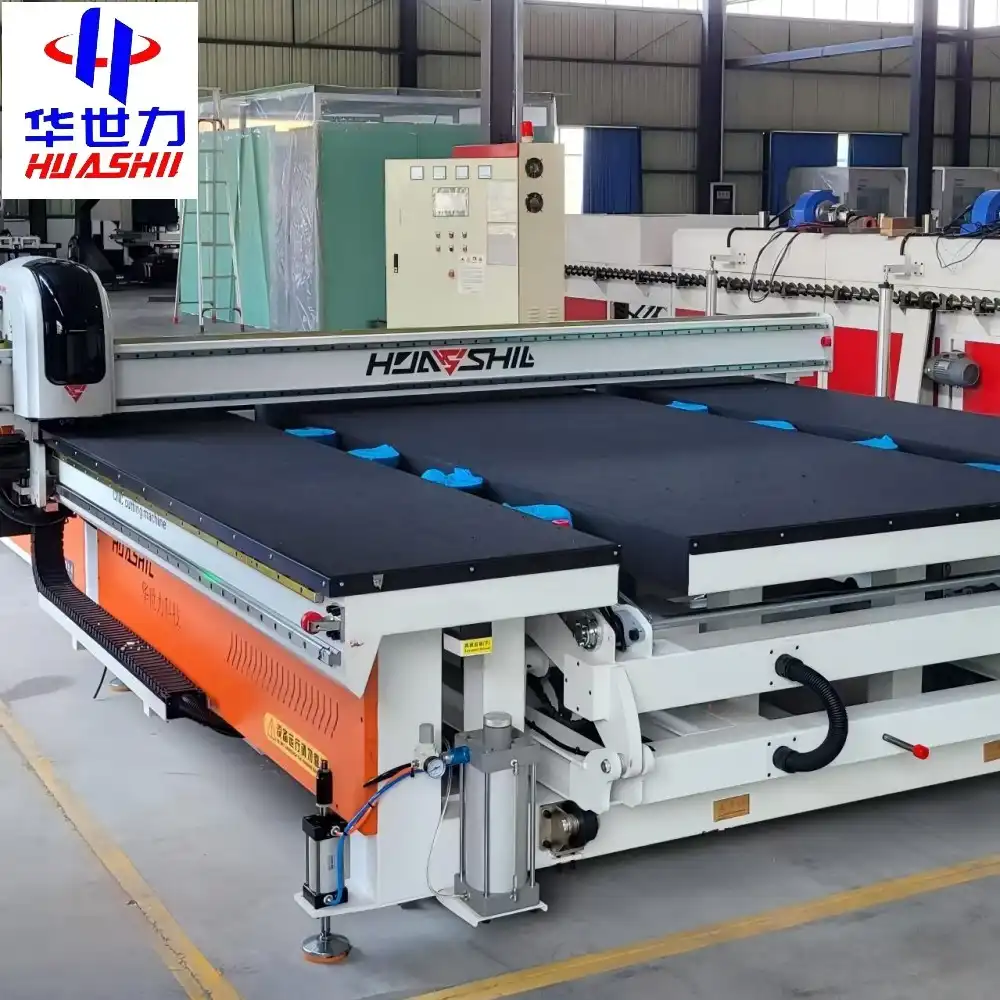
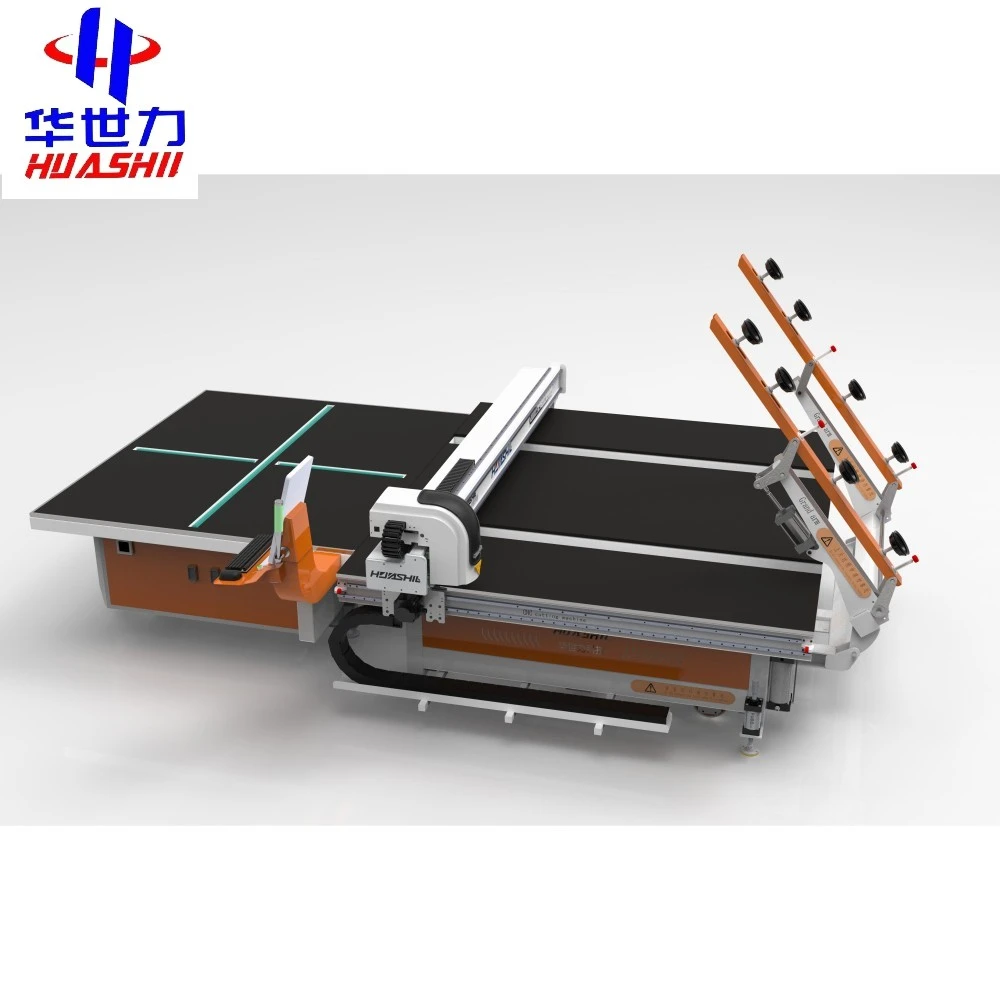
Shandong Huashil Automation Technology stands ready to support your glass processing ambitions with proven air flotation machine manufacturing excellence. Our engineering teams bring decades of experience optimizing glass handling systems for architectural fabricators, automotive suppliers, and furniture manufacturers worldwide. The HSL-LSX6133 cutting line exemplifies our integration capabilities, combining loading tables, cutting stations, and breaking systems with advanced Optima optimization software. Six grand arms on each side handle glass dimensions up to 6100×3300mm with precision-ground rail systems supporting flexible 2+2 station configurations. Every glass industry air flotation machine manufacturer inquiry receives personalized attention from technical specialists who understand production efficiency challenges. Contact salescathy@sdhuashil.com to discuss your specific requirements and discover how our customization capabilities, competitive pricing, and comprehensive after-sales support distinguish Huashil in competitive global markets.
References
1. Liu, J., & Wang, H. (2023). Advanced Glass Processing Technologies: Equipment and Automation Systems. Beijing: China Machine Press.
2. Zhang, M., Chen, Y., & Li, Q. (2024). Quality Control in Glass Manufacturing: Modern Approaches and Equipment Standards. Journal of Industrial Automation, 18(3), 45-62.
3. Schmidt, R., & Mueller, K. (2023). Air Flotation Systems in Material Handling: Design Principles and Applications. Stuttgart: Industrial Engineering Publishers.
4. Wang, F. (2024). Evaluating Chinese Manufacturing Partners: A Procurement Guide for Industrial Equipment. International Trade Review, 29(1), 112-128.
5. Thompson, D., & Kumar, S. (2023). Glass Industry Equipment: Selection, Installation, and Maintenance Best Practices. London: Technical Publishing Group.
6. Zhao, L., & Anderson, P. (2024). Automation Trends in Architectural Glass Production: Market Analysis and Technology Forecast. Glass Manufacturing Technology Quarterly, 41(2), 78-95.