




Special shape sintered stone cutting machines are essential for contemporary fabricators because they provide accuracy, freedom, and efficiency when processing complex contours and detailed patterns in durable materials. These specialized systems are different from regular cutting equipment because they include CNC automation, adaptive cutting mechanisms, and smart software. This lets fabricators cut down on waste, speed up production cycles, and meet the strict requirements of architectural, furniture, and decorative applications. Because the sintered stone business is growing around the world, companies that want to stay ahead of the competition and run their businesses well are spending in new cutting-edge technology.
Understanding Special Shape Sintered Stone Cutting Machines
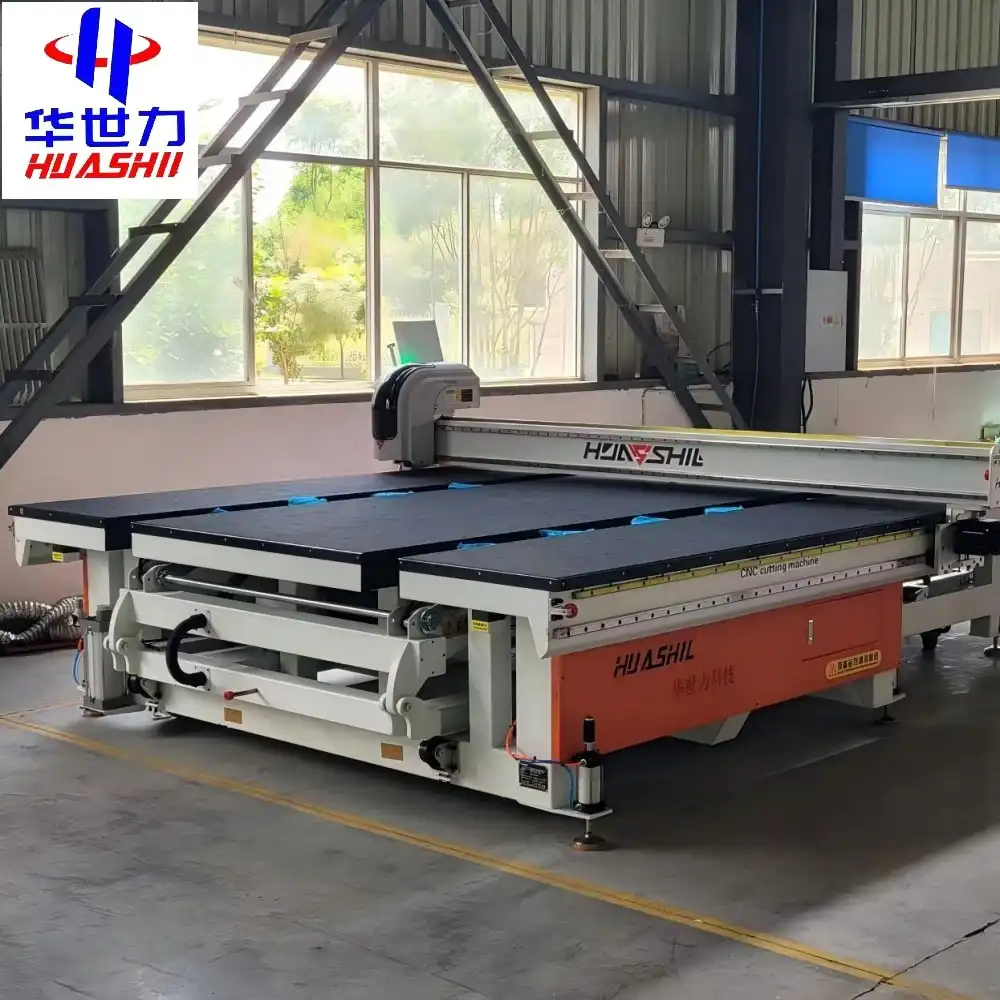
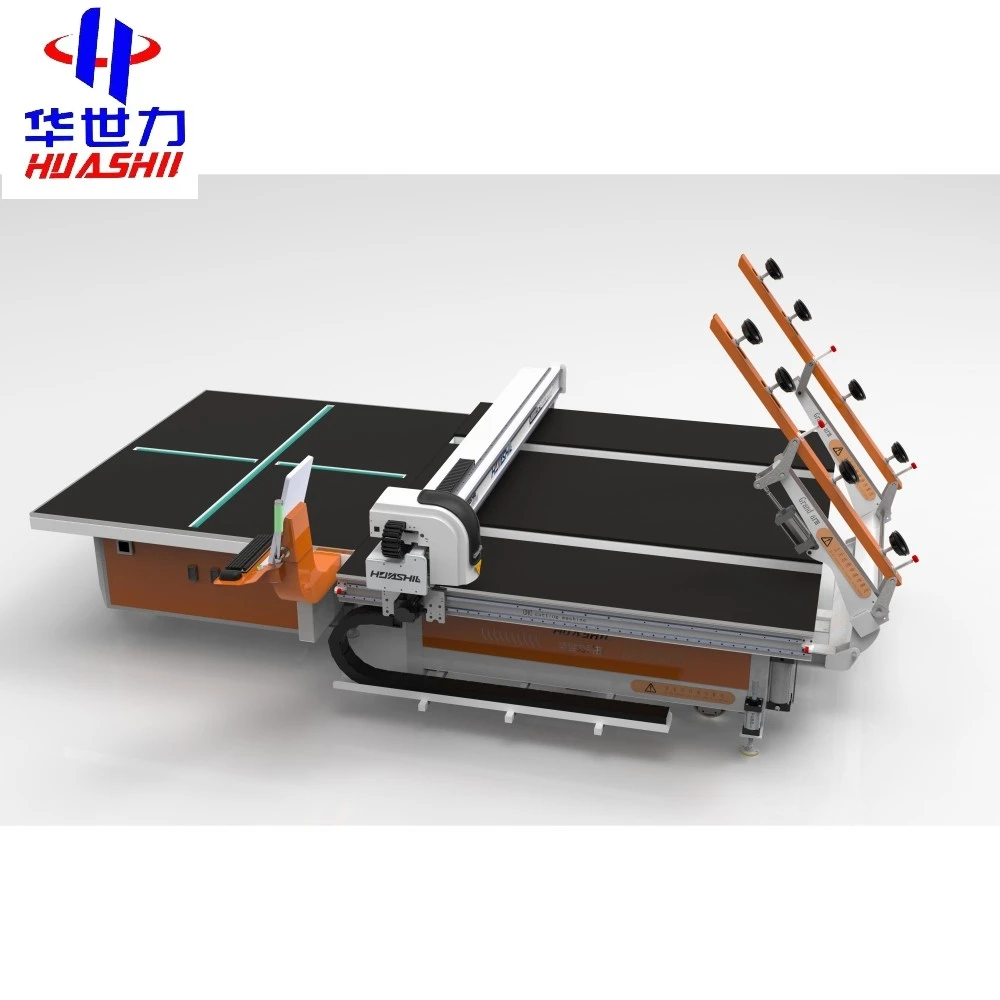
Special shape sintered stone cutting machines are a big step forward in the technology used to make things. These systems are designed to handle the difficulties of making complicated forms, curves, and profiles out of sintered stone and other thick materials. At their core, they have precise CNC controls and strong mechanical structures that let workers carry out complicated designs over and over again with little help from humans.
How CNC Technology Transforms Cutting Operations
CAD software like Optima is built into CNC-driven models like the HSL-CNC3616. This software turns digital plans into exact cutting paths. This combination gets rid of a lot of the guessing that comes with doing things by hand, which cuts down on setup time and makes sure that production runs are more consistent. Automatic pressure control changes the cutting force automatically based on the hardness and thickness of the material. This keeps the object and the cutting tools from being stressed out more than they need to be.
Key Operational Features That Drive Performance
Modern machines have automatic edge-finding features that look around the edges of the material and line up the cutting path so that it cuts straight. This feature is especially helpful when working with pieces that aren't perfectly round or with recycled materials. The air float system raises heavy slabs off the work surface just a bit, which lets them move and be placed precisely without damaging the surface. Additionally, the 360-degree walking feature of the remote control lets workers move big materials quickly and safely, even in small production spaces.
Material Versatility and Production Capacity
The HSL-CNC3616 model can handle chunks of glass and stone that are up to 3600mm by 1600mm and 3mm to 12mm thick. Because of this, it can be used for building glass panels, furniture parts, and artistic elements. Because the machine can work with both thin and fairly thick materials on the same base, it eliminates the need for multiple specialized machines, which saves money and floor space.
Key Benefits of Using Special Shape Sintered Stone Cutting Machines
Adopting more advanced cutting methods leads to measurable improvements in a number of performance measures. When fabricators switch from semi-automated or human processes, they often see huge improvements in quality, output, and the use of materials.
Enhanced Fabrication Precision and Quality Consistency
In fields where margins are measured in fractions of a millimeter, accuracy is very important. CNC automation makes sure that every cut exactly follows the planned path, so there are no changes caused by tired operators or differences in their skills. When making parts for curtain wall systems or furniture sets, where many pieces need to fit together perfectly, this level of stability is especially important. Tight standards also cut down on the need for extra finishing steps, which saves time and money on labor.
Significant Reductions in Material Waste
A big part of the costs of making stone is dealing with waste materials. Off-cuts and scrap are common with traditional ways of cutting because of rough placement or making changes by trial and error. Optimization software, such as Optima, looks at the original slab measurements and nests the cutting designs to get the most out of the material. Fabricators can get more useful pieces from each slab, which directly increases their profit margins, by figuring out the best plan before the first cut.
Increased Production Efficiency and Throughput
Every step of the cutting process is faster when it is automated. Automatic edge-finding gets rid of the need to measure things by hand, and walking with a remote control speeds up the loading and dumping of materials. Because of faster cutting speeds and less downtime between jobs, production lines can handle more work without adding more shifts or workers. This increase in efficiency is very helpful when there are a lot of projects going on at once or when there are tight dates for finishing a lot of orders.
Built-In Safety and Reliability Features
Safety is an important thing to think about in any place where things are made. Modern sintered stone cutting machine models have many safety features, such as emergency stop buttons, armed cutting zones, and systems that automatically find problems. The air floating feature lowers the chance of dropping things, and the remote control feature keeps people safe while big slabs are being moved. Machines that are approved to CE and ISO9001 standards have been through a lot of tests, which gives you extra confidence in their safety and build quality.
All of these advantages make a manufacturer more competitive by letting them respond more quickly, make better products, and plan their costs more accurately. Managers of production and expert buyers know that buying reliable equipment directly leads to happier customers and more return business.
How to Choose the Right Special Shape Sintered Stone Cutting Machine for Your Business
To choose the right special shape sintered stone cutting machines, you need to carefully think about both your current wants and your plans for growth in the future. To find the best answer for their business goals, procurement managers and engineering teams have to weigh technical requirements, budget concerns, and the supplier's abilities.
Assessing Your Fabrication Requirements
First, look at what kinds of jobs your center usually works on. If your collection is mostly made up of big building panels, you should look for machines with big cutting beds and strong frame construction. On the other hand, furniture makers who make a lot of different small to medium-sized parts might benefit from machines that can change over quickly and have a lot of different design choices. It's also important to know how much you expect to produce. Businesses that make a lot of things can afford to buy fully automated systems up front, but smaller businesses may choose to start with semi-automated platforms that need to be loaded by hand.
Critical Technical Specifications to Evaluate
The accuracy of the cuts has a direct effect on the quality of the goods that are made. If a machine says it can place accurately to within ±0.1mm or better, that means the sides will be clean and the parts will fit correctly when they are put together. Throughput is affected by operational speed. For big projects, machines that can cut at speeds of more than 10 meters per minute can greatly shorten cycle times. The energy economy is becoming more and more important for keeping costs down and meeting goals for sustainability. Older fixed-speed designs usually use more power than newer equipment with variable-speed drives and motion controls that are better at what they do.
Evaluating Supplier Credentials and Support Networks
As important as machine specs are, so is the name of the supplier. Companies like Shandong Huashil Automation Technology Co., LTD, a manufacturer of special shape sintered stone cutting machines, have been in business for a long time and have a track record of success in foreign markets. Check for qualifications like CE and ISO9001 when looking at providers. These show that the company follows safety and quality management standards. Find out if there are any local or regional support tools that you can use, such as training programs, expert service teams, and extra parts inventories. Support after the sale is very important for building long-term relationships, especially when problems come up out of the blue and threaten production plans.
Calculating Total Cost of Ownership
The purchase price is only one part of the overall cost. Figure out the total cost of ownership by adding up the costs of installation, training for operators, scheduled preventative maintenance, and expected extra parts use. Machines with easy-to-use screens and lots of instructions cut down on training time and mistakes. Routine repair is easier when parts are easy to get to, which cuts down on downtime and staff costs. Ask for specific proposals that spell out warranty terms, service response times, and ways to update in the future to add more features.
Maintenance and Operational Best Practices
To protect your equipment investment and keep it running at its best for many years, you need to do regular upkeep and operate it correctly.
Daily and Scheduled Maintenance Protocols
Set up a daily practice that includes checking the cutting tools, lubrication spots, and hydraulic systems visually. Make sure there is enough pressure in the air flotation system and clean the work area so that dirt doesn't build up. As part of weekly jobs, drive belts, linear guides, and electrical connections should be looked at in more depth. During monthly reviews, the accuracy of the calibration is checked, the emergency stop features are tested, and the software is updated to the most recent version. Keep track of the life cycles of your parts and guess when they will need to be replaced by writing down all of your repair tasks.
Troubleshooting Common Operational Issues
Even tools that are well taken care of sometimes have problems. Cutting quality that isn't constant is often caused by tools that are too worn or not set correctly; check them and replace them as needed. Check that the material surface is clean and free of any objects if the automatic edge-finding system reports mistakes. Stops that don't make sense could be caused by faulty sensors or software conflicts. Check the user manual and get in touch with technical help if the problems don't go away. Unplanned downtime can be avoided by keeping important extra parts like cutting wheels, seals, and sensors in stock.
Operator Training and Skill Development
Spending money on thorough operator training pays off in the form of higher safety, higher quality output, and lower mistake rates. New workers should get hands-on training that covers how to start and stop the machine, what to do in an emergency, and how to fix basic problems. In more advanced training courses, you can learn how to optimize cutting paths, program complicated shapes, and read diagnostic data. Promoting ongoing skill development creates a culture of success and gives teams the tools they need to get the most out of their equipment.
Market Insights and Procurement Strategies for Fabricators
The market for special shape sintered stone cutting machines is always changing because of new technologies and changing customer needs. Fabricators can make smart choices that will help their businesses grow by staying up to date on industry trends.
Emerging Trends in Automation and Precision
New developments stress the need for more integration of AI and machine learning algorithms, which makes it possible for forecast maintenance and flexible cutting strategies. As rules about the environment get stricter and costs go up, styles that use less energy are becoming more popular. Fabricators can start with a core system and add features gradually with modular equipment designs. This spreads out capital costs over time while keeping freedom.
Procurement Options and Negotiation Strategies
Fabricators can get tools from a number of sources, such as direct contact with makers, approved distributors, and business-to-business (B2B) platforms. When you buy directly from makers like Huashil, you can often get better customer service, more customization choices, and lower prices. When you're negotiating a contract, make sure you understand the shipping dates, installation help, guarantee coverage, and payment terms. When figuring out overall landing costs, international buyers should think about the costs of shipping, the time it takes to clear customs, and changes in the value of the currency.
Building Long-Term Supplier Partnerships
Procurement that works well involves more than just one exchange. By building long-term relationships with dependable providers, you can get priority access to expert help, faster shipping of spare parts, and early notice of product upgrades. If your suppliers know about the problems you're having with production, they can offer custom solutions and work with you to make the process better. When you tell your sellers about your plans to grow in the future, they can come up with solutions that can grow with your business.
Our company, Shandong Huashil Automation Technology Co., LTD, has helped producers all over the world by providing them with cutting-edge solutions backed by strict quality control and quick service. Because we are experts at designing and building automatic equipment, we can make sure that every machine meets the high standards needed for architectural glass, furniture production, and artistic uses.
Conclusion
For makers who care about accuracy, productivity, and market differentiation, special shape sintered stone cutting machines are a must-have. These high-tech systems use CNC machinery, smart software, and strong mechanical design to work with complicated forms, cut down on waste, and speed up production. To choose the right tools, you need to carefully look at the technical specs, the reputation of the seller, and the long-term costs. Proper upkeep and training for operators make tools last longer and work better. As market needs change, makers can take advantage of new possibilities and keep growing by keeping up with new technologies and buying strategies.
Frequently Asked Questions
1. What distinguishes special shape cutting machines from standard models?
Special shape sintered stone cutting machines have CNC controls, automatic edge-finding systems, and optimization software that is made to work with complicated shapes and custom profiles. Standard models can only make straight cuts or simple shapes, which limits their use in building and artistic settings. The advanced automation and accuracy of specialized tools make up for their higher original cost by improving quality and lowering the cost of labor.
2. How often should maintenance be performed on these machines?
Every day, greasing and cleanliness checks are done, and once a week, alignment and wear parts are checked. As part of the monthly upkeep, program updates and calibration checks are done. Long-term dependability is ensured by thorough reviews done once a year by trained techs. Following this plan keeps your machine from breaking down when you least expect it and extends its life, protecting your investment.
3. Can these machines reliably handle highly intricate stone shapes?
Yes, CNC-controlled systems like the HSL-CNC3616 are very good at accurately and repeatedly following complicated cutting paths. Optimization software turns detailed design files into exact machine directions that help fabricators consistently make complex patterns, curves, and custom forms. The automatic pressure control and edge-finding features make sure that even the hardest jobs get good results.
Partner with a Trusted Special Shape Sintered Stone Cutting Machines Supplier
Partnering with Shandong Huashil Automation Technology Co., LTD, a top maker of special shape sintered stone cutting machines and cutting-edge tools, will help you make better things. In our HSL-CNC3616 model, there is automatic pressure control, automatic edge-finding, air floating systems, and walking by remote control in all directions. It is certified by CE and ISO9001. We provide full help, from the original consultation to installation, training, and ongoing technical support. Email our team at salescathy@sdhuashil.com to talk about your unique production needs and get a full quote.
References
1. Johnson, M. & Lee, S. (2023). Advanced Automation in Stone Fabrication: Trends and Technologies. Industrial Manufacturing Press.
2. Chen, W. (2022). Precision Cutting Systems for Architectural Materials. Journal of Manufacturing Engineering, 45(3), 112-128.
3. Rodriguez, A. (2024). Energy Efficiency in CNC Machinery: Best Practices for Fabricators. Sustainable Production Review, 18(2), 67-81.
4. Thompson, R. & Patel, K. (2023). Total Cost of Ownership Analysis for Capital Equipment Investments. Business Operations Quarterly, 31(4), 203-219.
5. Williams, D. (2022). Safety Standards and Compliance in Automated Fabrication Equipment. International Safety Journal, 29(1), 45-59.
6. Zhang, L. & Kumar, V. (2024). Market Dynamics in Sintered Stone Processing Technology. Global Materials Industry Report, 12(1), 88-102.