




If you're sourcing glass processing equipment heading into 2026, understanding how a china glass edger machine fits into your production line is essential. Whether you manage an architectural glass fabrication plant, a curtain wall integration project, or a furniture glass operation, this guide walks you through everything — from machine types and selection criteria to procurement logistics and after-sales support — so you can make a confident, well-informed purchasing decision.
What Is a Glass Edger Machine and Why Does It Matter?
The Core Function of Edge Processing Equipment
A glass edger machine grinds, polishes, and chamfers the sides of glass to make them smooth and precise so that they meet structural and dimensional needs. Edge quality has a direct effect on safety ratings and installation tolerances in fields like architectural glazing and auto glass manufacturing. A study in the Journal of Non-Crystalline Solids says that rough edges can lead to micro-fractures that lower the strength of toughened glass by up to 30%.
Types of Glass Edging Machines Available from Chinese Manufacturers
At the moment, Chinese companies make three main types of glass edging equipment:
- Single-edger machines process one edge at a time, suited for small-batch or specialized jobs.
- Double-edger machines grind both edges simultaneously, dramatically increasing throughput for high-volume operations.
- Straight-line edgers and bevelers handle flat glass with precision chamfer control for architectural and decorative applications.
Each type is used in a different kind of production. For example, a double-edger machine is designed to meet the needs of large and medium-sized glass processing businesses that need both fast output and consistent edges.
Understanding the Technology Inside Modern Glass Edging Equipment
How Servo Motor Control Changes the Game
Leading Chinese companies that make modern glass cutting tools are no longer just calibrating them by hand. Servo motor control systems can now make precise adjustments to both conveying and automatic opening and closing that can't be done by hand. This technology cuts down on human error, keeps the glass in the same place, and speeds up the process of switching between different glass sizes.
One popular setup on the market today has 8 grinding wheels on one side, with 2 upper chamfers, 2 lower chamfers, and 4 flat grinding wheels. With this plan, you can get a full edge outline in just one pass. The speed of the conveyor belt and the machine's automatic opening and closing are both controlled by the servo motor. The opening range is from 0.35 meters to 2.5 meters. That processing range can handle a lot of different panel sizes that are common in curtain wall manufacturing, shower door manufacturing, and architectural glazing.
Industry 4.0 Integration and Smart Factory Compatibility
Manufacturing Execution Systems (MES) and centralized control dashboards are becoming more and more important to glass processing plants using a china glass edger machine. This change can be made with machines that have programmable logic controllers and servo-driven axes, which allow for data tracking, remote troubleshooting, and monitoring of production. Smart factory compatibility is no longer a nice-to-have for plant managers looking at new equipment in 2025 and 2026; it's what they expect.
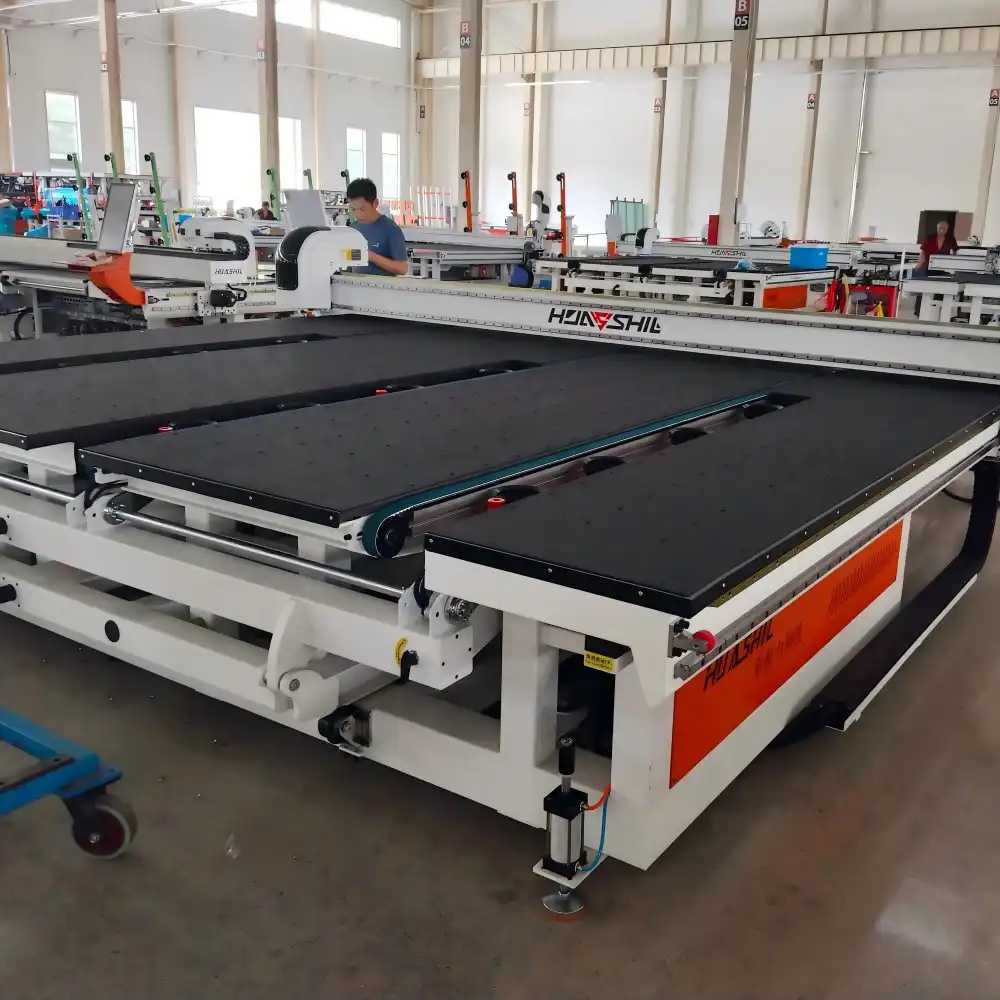
How to Choose the Right Glass Edge Grinding Machine for Your Operation
To find the right machine for your business, you need to be honest about three things: the amount of glass you need to make, the size of the glass, and the level of quality your final application needs. A company that makes furniture glass and processes 200 panels per day has very different needs than a company that builds curtain walls and works with large architectural lites.
Before making a decision, buyers should think about these main selection criteria:
- Production capacity: Confirm the machine's throughput (panels per hour) matches your daily output target. Downtime from bottlenecks costs more than a price premium on better equipment.
- Glass size range: Verify that the minimum and maximum opening dimensions align with your panel specifications. A machine with a 0.35 m to 2.5 m range covers most commercial and architectural applications.
- Grinding wheel configuration: Understand what finish the wheel layout produces. An 8-wheel configuration with chamfering capability delivers a finished edge in one pass, reducing handling and cycle time.
- Customization availability: OEM buyers and system integrators often need non-standard configurations. Confirm whether the manufacturer supports custom wheel arrangements, conveyor lengths, or electrical specifications.
- After-sales support: Spare parts lead times and remote technical assistance capabilities are critical for minimizing unplanned downtime. Always request documentation on standard warranty terms before signing a purchase agreement.
These criteria are the same for people looking for a single machine or a full automated glass processing line. The difference is the level of professional review that needs to be done. Full line projects usually have an evaluation period that lasts between 3 and 6 months.
Procurement Insights: Buying, Pricing, and Logistics
Where to Source Verified Glass Edger Suppliers
Verified factory visits for a china glass edger machine, whether in person or online, are still the best way to check the quality of the work, the stability of management, and the ability of the process to work. Trade shows like Glasstec and Glasstech Asia offer live demos that can't be found on any other website.
Ask for ISO certifications, customer reference projects from businesses that are similar, and sample test results from the providers you are considering. Manufacturers who are honest will offer these without any problems.
Pricing Dynamics and Negotiation Leverage
The prices of glass edging tools made in China vary a lot depending on the brand, the amount of automation, and the configuration. Straight-line edgers for beginners cost between $8,000 and $15,000. Fully automatic double edger lines with servo control systems can cost more than $80,000 USD, but this depends on the specs. Price changes of 5–15% can usually be arranged for bulk orders and OEM deals.
For international orders, the payment terms are usually a deposit plus balance or a Letter of Credit (L/C). These give buyers extra financial security when they make big purchases.
Maintenance, Troubleshooting, and Safety Features
Consistent maintenance is needed for operations to last a long time. Over time, machines with servo-driven systems need fewer mechanical adjustments than machines with motor-driven systems, but they still need structured care routines. Every day and every week, the cooling system should be checked, the guide rails should be oiled, and the grinding wheel wear should be checked.
Problems that happen often include uneven edge grinding, which is usually caused by worn wheels or a speed that isn't aligned with the conveying, and coolant leaking, which is usually a sign of a broken seal. Most reputable manufacturers offer technical support over the internet and keep spare parts on hand for quick delivery.
Current production machines have safety features like emergency stop systems, protected grinding zones, and water splash guards that meet CE marking standards. For US companies that have to follow OSHA equipment guidelines, these safety measures can't be changed.
Why China Glass Edger Machines Deliver Compelling Value for Global Buyers
According to Grand View Research (2023), the global glass machinery market was worth about $2.8 billion USD in 2023 and is expected to keep growing until 2028. This is because of demand from the building industry and the car industry. When it comes to this market, Chinese manufacturers have a large share because they combine good engineering with low production costs.
Chinese glass edge grinding machines usually offer the same level of technical performance as European alternatives at 30–50% lower purchase prices. This TCO advantage includes the cost of spare parts and the work needed for upkeep. For buyers in North America who work in competitive manufacturing markets, that difference in cost directly means higher profits.
Leading makers also offer OEM and ODM customization, which lets buyers choose non-standard designs for specific production needs. This is becoming an increasingly important feature as physically more complicated architectural glass projects are made.
Conclusion
In 2026, choosing the right glass edging equipment means finding a balance between the need for accuracy, the amount of work that needs to be done, the dependability of the supplier, and the total cost of ownership. Over the past ten years, Chinese makers have grown a lot. Now they make servo-driven machines that work with Industry 4.0 and can compete on a global level. A well-designed china glass edger machine can give your operation the edge quality, throughput, and long-term value it needs, whether you're building a new facility or upgrading an existing one.
FAQ
1. What types of glass can a double edger machine process?
It is possible for double-edger tools to work with float glass, toughened glass, laminated glass, and low-E coated glass. The finish quality and whether coated glass needs different transport speeds to keep the surface from getting damaged depend on the wheel designs.
2. What does the 8-wheel grinding configuration offer?
With two upper chamfers, two lower chamfers, and four flat grinding wheels, the machine has 8 wheels and can finish the edge profile in one pass. This gets rid of extra processing steps and makes output more consistent during shifts with a lot of work.
3. Can the machine be customized for non-standard glass sizes?
Yes. Conveyor lengths, opening sizes, wheel layouts, and electrical standards can all be changed by reputable makers. Buyers who have specific project needs should include those needs early on in the inquiry process so that accurate price and lead time quotes can be made.
4. What is the typical delivery timeline for an international order?
Standard machines are sent out 30 to 45 days after the order is confirmed. It could take 60 to 90 days for customized setups. When buyers plan when to build facilities, they should double-check production dates and sea freight timelines.
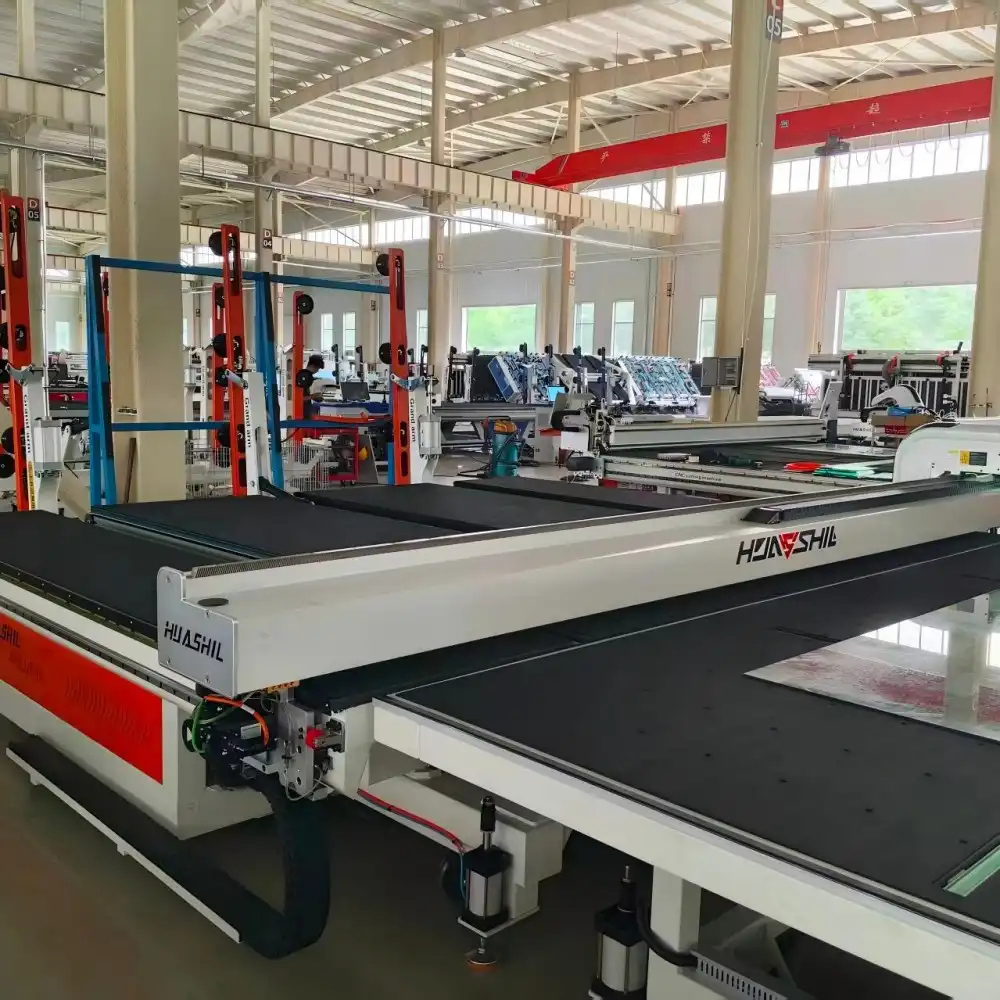
Request a Quote from HUASHIL — Trusted China Glass Edger Machine Supplier
HUASHIL builds precise, servo-driven tools for edging glass that are made for tough industrial settings. We are a well-known Chinese company that has made china glass edger machines for use around the world. We can help with OEM design, full production line projects, and sales for just one machine. Get in touch with our team right away to get technical documentation, a custom business proposal, or a live demonstration of the product. You can email us at salescathy@sdhuashil.com to see all of our tools.
References
1. Journal of Non-Crystalline Solids — Glass Edge Strength and Fracture Mechanics, 2021
2. Grand View Research — Global Glass Processing Machinery Market Report, 2023
3. Construction Glass & Glazing Industry Report, National Glass Association, 2022
4. Industry 4.0 Integration in Glass Manufacturing, Glass International Magazine, 2023
5. Procurement Best Practices for Capital Equipment in Manufacturing, Supply Chain Management Review, 2022
6. Automated Glass Processing Technologies: Trends and Applications, Glass Machinery Plants & Accessories (GMPA), 2024