




The best approach to maintain a china glass edger machine is a consistent routine. Inspect daily, clean and lube weekly, calibrate monthly, and replace wheels as needed depending on condition and operating hours. Before each servicing job, keep the coolant clean, check the edge quality and motor load, and lock out power. At HUASHIL, we have found that worn wheels, unclean water, and loose parts are frequently warning signals before a breakdown. This handbook helps U.S. plant managers, engineers, and purchasers safeguard edge quality, prevent downtime, and appraise supplier support before they buy.
Why Maintenance Matters for a China Glass Edger Machine
Protecting Edge Quality and Throughput
The edge is the place where people touch, examine, and install a glass pane. Chips, burn marks, or size drift mean rework and slower lines. Generally, I examine a completed panel first. Wear on wheels, belts, or spindles generally shows up on the edge first. An edge chip is not a mere cosmetic problem, as Shelby describes in Introduction to Glass Science and Technology, since glass fractures from microscopic surface imperfections. Early action keeps feed rate consistent and maintains dimensions within your customer’s tolerance. A quick check takes minutes; a ruined batch might take a shift.
The Cost of Neglect
Neglect seldom leads to one dramatic collapse. Heat and motor load are increased by dry bearings, clogged nozzles, and dull wheels, which may cause glass breakage and unexpected stops. Maintenance engineering books, such as Mobley's Maintenance Engineering Handbook, highlight scheduled maintenance as a strategy to reduce unplanned failures compared to fixing equipment after it has broken down. Finance teams should consider the complete cost of ownership, not only the purchase price, which includes wheels, water, electricity, labor, and downtime. Plant managers who measure these costs per hour of output may make a compelling argument for spare parts, training, and planned servicing.
Safety Comes First During Service
The machine must be de-energized before any guard is opened or any wheel is changed. OSHA's lockout/tagout requirement, 29 CFR 1910.147, addresses service and maintenance when unexpected starting or stored energy might hurt workers. ISO 12100 provides a methodology for risk assessment of dangers posed by equipment. Wear cut-resistant gloves, eye protection, and non-slip footwear in the presence of damp flooring and shattered glass. Have a documented lockout method posted next to the equipment, and train on it every shift. Safe behaviors safeguard people first; uptime, too, since an accident slows output.
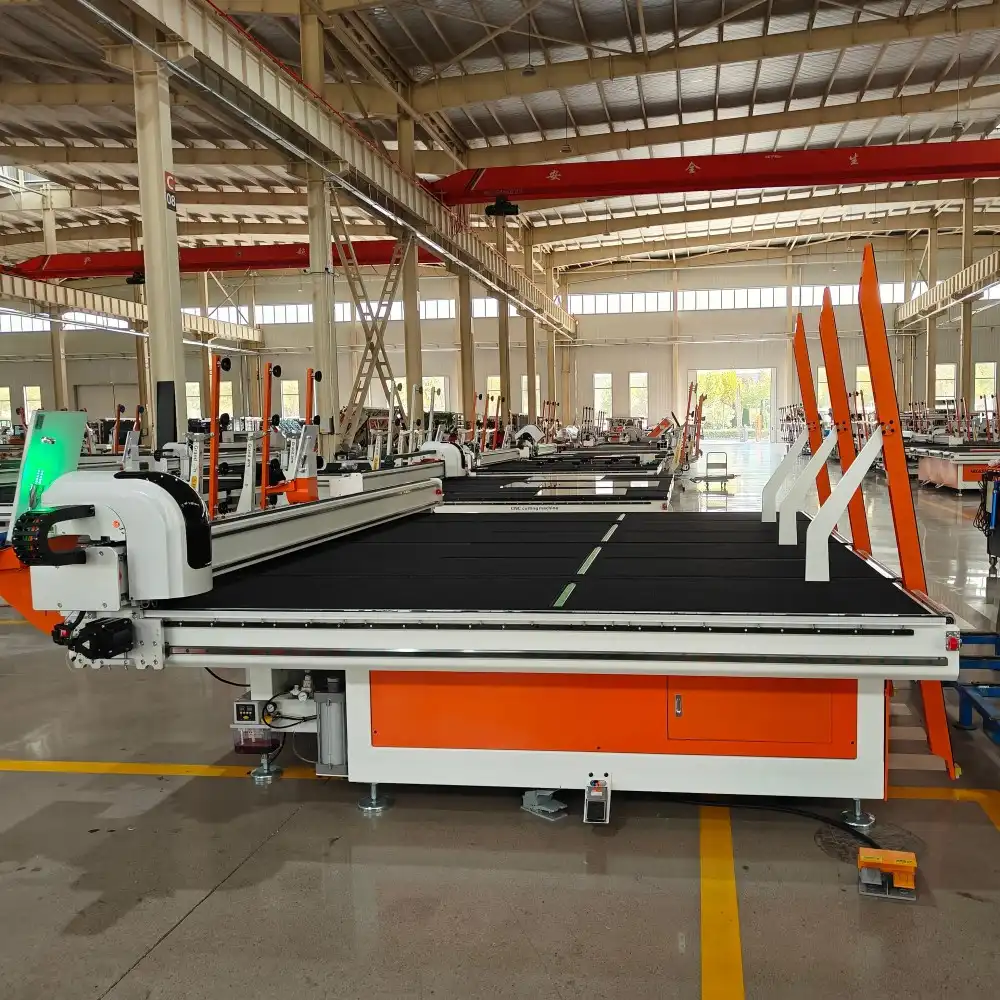
Routine Maintenance Schedule for Glass Edging Equipment
Daily Checks Before and After Each Shift
A daily inspection should be brief and uniform. When I come on shift, I go around the china glass edger machine and search for leaks, loose fasteners, strange noise, and vibration. Then I check the coolant level, aim the nozzles at the wheel contact region, and remove the glass dust off the conveyor. I also inspect belts, sensors, and the control panel for alerts. I measure the size and examine the edge for chipping, smoothness, and shine after the first few panels. At the end of shift, I clean the machine and write anything weird down so the following crew sees it.
Weekly and Monthly Tasks
Weekly assignments go a bit further. Clean filters, lube the areas indicated in the handbook, verify belt alignment, adjust fasteners, and test the safety devices. Record wheel wear and analyze the alarm history for recurrent issues. Monthly work should include: Calibration, spindle condition, electrical cabinet cleanliness, transmission parts, seals, and backup of PLC parameters. Intervals will vary on glass volume, thickness, wheel type, and water quality, so use them as a guide. Check your machine's literature for correct intervals and lubricants, and then alter them when your service records reflect true wear.
Documentation and Spare Parts
Good records change maintenance from a guessing game to a regular job. Keep the handbook, electrical drawings, spare-parts list, and a service journal beside the equipment. Each record should indicate the date, discovery, action, replacement part, and technician signature. Stock the items that halt production when they fail: wheels, belts, bearings, pumps, filters, sensors, seals, and fuses. Track a few basic data points, such as unscheduled downtime, wheel usage, breakage rate, and maintenance cost per production hour. After a few months, these data suggest which components wear quickest and when to replenish them.
Grinding Wheels, Coolant, and Troubleshooting
Grinding Wheel Care and Replacement
The edge look, cycle duration, and motor load are dictated by the grinding and polishing wheels. Warning indications include chipped edges, heavy burn marks, poor polish, longer processing time, and increased motor current. These are signs of wheel deterioration, glazing, unbalance, or inappropriate wheel choice. Match each wheel to the glass type, thickness, and edge shape. When replacing, check the diameter, bore, grit, rotation direction, balancing, and flange condition, and tighten as per the manual specifications. Machinery's Handbook discusses safe installation and wheel choices. Do a no-load test and a sample panel. Record the change date and compare wheel life.
Coolant and Water System Maintenance
Coolant removes heat and glass particles, preserves the wheels, and reduces the chances of edge flaws. Verify water daily for cleanliness, level, temperature, and flow. Inspect tanks, filters, pumps, pipelines, seals, and spray nozzles regularly. You should remove glass sludge before it clogs nozzles or ruins the pump. In wet plants, inspect exposed metal for corrosion. Follow local and state standards for handling wastewater and sludge as requirements vary by area. Keep floors dry around the china glass edger machine. Wear gloves and eye protection while cleaning tanks or handling shattered glass.
Troubleshooting Common Problems
When an issue comes up, always follow the same order. 1. Examine the completed edge. Then examine the wheels. Make sure coolant is flowing, and glass alignment is OK. Then check the processing settings. And lastly, check the spindle, conveyor, sensors, and electrical system. This sequence deals with frequent issues such as dull wheels or clogged nozzles before anybody touches the controls. Stop the equipment immediately if there is abnormal vibration, broken wheels, overheating, or a safety problem. Where alarms are repetitive, provide service history, alarm codes, and images to the supplier’s technical staff to enable a quicker diagnosis.
Maintaining a HUASHIL Double Edger and Choosing Support
Key Features of the HUASHIL Glass Double Edger Machine
The glass double edger machine grinds both sides of a lite. On one side, there are 8 grinding wheels: 2 higher chamfers, 2 lower chamfers, and 4 flat grinders. The opening and closing are automated and are controlled by the servo motor. The conveying is likewise controlled by a servo motor. The opening range is from 0.35 meters to a maximum of 2.5 meters. We can customize the machine to fit your production needs. Typical applications include architecture, automobile, furniture, and smart mirror glass.
Maintenance Points for This Configuration
The agreement establishes clear objectives for upkeep. Wear by place. Upper and lower chamfer and flat grinding wheels each have a particular duty. It is servo-powered open and shut; thus, you need to check the width settings against a measured sample across the range you really use after calibration. For the conveying operated by servo, it is vital to often inspect the conveying parts and check that the glass travels in a straight path. Refer to the manual for lubrication and servo checks. We can modify the equipment, so just tell us your glass sizes and edge profiles, and we’ll match the maintenance guidelines.
Questions to Ask Any Supplier About Support
Put the same questions to all vendors before you sign a purchase order. Who installs and commissions? What kind of training do the operators receive? We provide remote troubleshooting. Depending on distance and urgency, we may provide service on site. Normally, we can be there within 24 hours. How quickly can replacement parts go to the U.S.? What is covered by the warranty? Eg request manuals, electrical drawings, records of inspections, agree acceptance tests and payment terms eg deposit and full payment or letter of credit. By looking at the replies on one page, engineers, purchasers and finance directors can see the complete cost of ownership, not just the price.
Conclusion
Edge quality, output, and safety are kept constant on china glass edger machine. Daily inspections, weekly servicing, monthly calibration, and clear records catch microscopic flaws before they stop output.” Wheels, coolant, and motion systems need specific care. A predefined troubleshooting sequence finds the cause earlier. Lockout/tagout procedures provide safety for service work. Same logic for the HUASHIL double edger: record wear by wheel position and validate servo-controlled width and conveying parameters. Long-term results are affected by supplier support, replacement parts, documentation, total cost of ownership, and purchase price.
FAQ
1. How often should I service a china glass edger machine?
Inspect it daily, service it weekly, and calibrate it monthly. Replace wheels based on wear and operating hours, and follow the manual and your service log for exact intervals.
2. Why do my glass edges chip?
Common causes include worn or glazed wheels, weak coolant flow, blocked nozzles, poor glass alignment, and wrong parameters. Check them in that order before you adjust the controls.
3. Does a double edger need more maintenance?
It has more wheels and moving parts, so it needs width calibration, parallelism checks, and wheel-wear logs for both sides. A planned routine keeps the workload manageable.
4. What should I ask a supplier before buying?
Ask about installation, training, spare-parts lead time, warranty, remote support, and documentation. Get every answer in writing.
Talk to HUASHIL About a China Glass Edger Machine for Your Plant
HUASHIL builds automated glass processing equipment and exports to customers worldwide. If you are comparing a china glass edger machine supplier, send us your glass type, size range, edge profile, and capacity target. We will recommend a configuration, including customized options, and discuss maintenance support and spare parts. Email salescathy@sdhuashil.com for details.
References
1. Maintenance Engineering Handbook, McGraw-Hill, 2014
2. Introduction to Glass Science and Technology, Royal Society of Chemistry, 2020
3. Machinery's Handbook, Industrial Press, 2020
4. Control of Hazardous Energy (Lockout/Tagout), 29 CFR 1910.147, Occupational Safety and Health Administration, 1989
5. ISO 12100: Safety of Machinery, General Principles for Design, Risk Assessment and Risk Reduction, International Organization for Standardization, 2010
6. ASTM C1036: Standard Specification for Flat Glass, ASTM International, 2021