




Industrial glass cutting and laminating systems solve problems with production that have been around for a long time and affect companies all over the world. These problems, which include uneven cutting accuracy, too much waste, and safety risks during physical tasks, have a direct effect on both profits and quality. Modern automated solutions turn messy routines into streamlined ones. This lets companies that work with building glass, curtain walls, and furniture meet strict requirements while reducing their reliance on manual labour. Modern industrial glass cutting and laminating systems have measured improvements in output, accuracy, and human safety across a wide range of uses. This is made possible by precise engineering and integrated automation.
Understanding the Core Production Challenges in Industrial Glass Processing
Variability in Cut Accuracy and Material Wastage
When using hand-cutting methods, glass production plants always have trouble with inconsistent sizes. When humans use old-fashioned scoring tools, they can't keep tolerances below 2mm during large production runs. This means that panels are refused, and expensive rework processes have to be done. This variation is especially annoying when making architectural glass for curtain walls, because even small changes can damage the installation.
Losses in money are made all along the supply line when materials are wasted. The Glass Manufacturing Industry Council has done studies that show producers lose between 8 and 12 percent of raw glass because of mistakes made when cutting and damaged edges during hand processing. When handling high-end low-E coated glass that costs between $45 and $65 per square metre, these losses add up to high yearly costs that make it harder to compete in markets with low margins.
Risks and Inefficiencies in Manual Operations
Handling glass by hand puts workers at risk of cuts from sharp edges, injuries from repeated strain, and breaking. According to OSHA statistics, the rate of injuries in glass production is 23% higher than the rate in other industries. The most common injuries at work are cuts on the hands and strained backs. Aside from safety issues, manual methods limit the amount of work that can be done. Skilled workers usually make 40 to 60 cuts per shift, while automated systems can handle 200 or more panels in the same amount of time.
Poor Integration Between Cutting and Laminating Stages
When different parts of the production process aren't linked, they can slow down or stop the whole process. When cutting and laminating are done on separate workstations instead of in sync, producers have to deal with longer lead times and problems managing their supplies. Glass panels that need to be laminated take up valuable floor space, and it's hard for production schedulers to organise batch processing across different types of equipment. Because of this, manufacturers can't quickly reply to special orders or projects that need to be finished quickly and need integrated processing solutions.
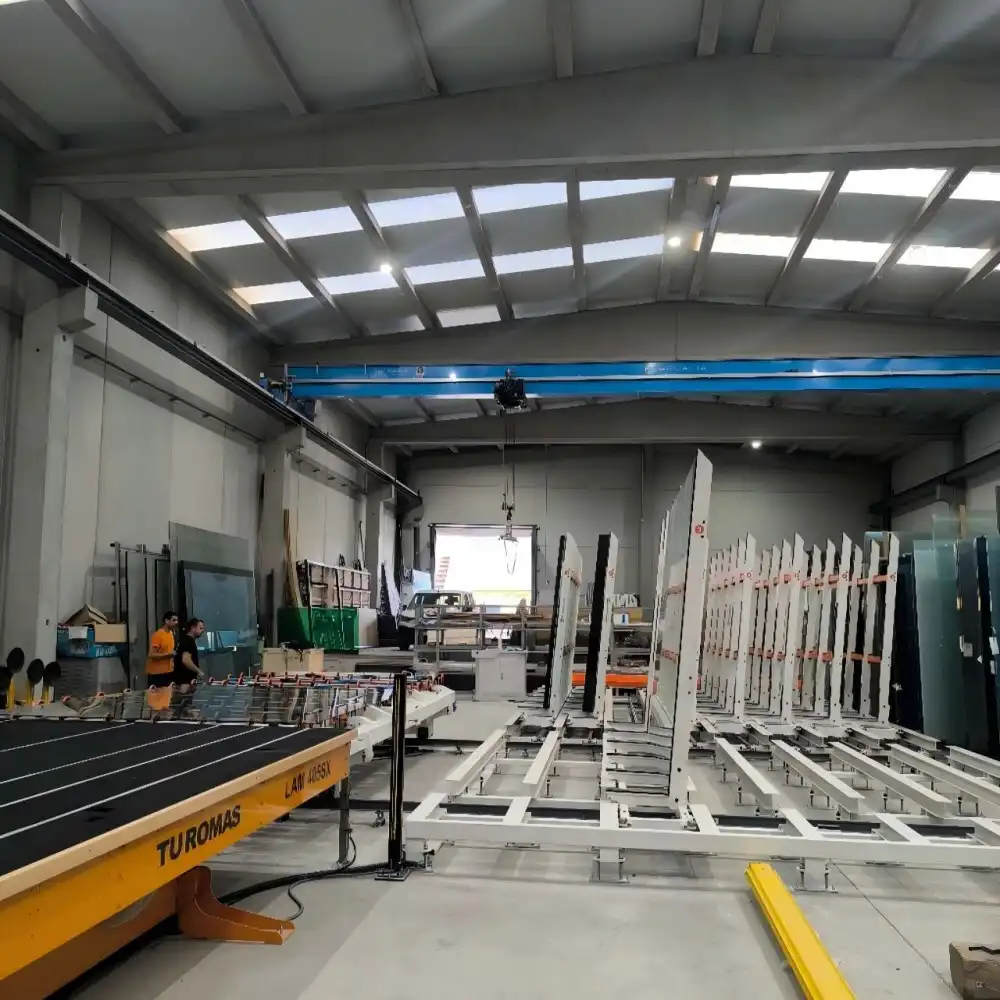
How Modern Industrial Glass Cutting Systems Overcome Production Barriers
Automation and CNC Technologies Improve Precision
Modern industrial glass cutting and laminating systems use computer numerical control to make sure that the same job is done every time within a limit of ±0.1mm. With servo-controlled cutting heads that always follow pre-programmed paths, these systems get rid of the variation that comes with scoring by hand. Advanced models have photoelectric tracking technology that automatically finds the edges of the panels and changes the cutting settings in real time to account for small changes in the size of the glass that comes in.
Modern technology is also different from older methods because it can cut at high speeds. 100-meter-per-minute machines can finish processing steps in a fraction of the time it takes to do things the old way. This lets makers finish big architectural projects without having to build bigger facilities. This speed advantage is especially helpful for curtain wall builders who have to stick to tight schedules and are worried about expensive project fines that happen when glass deliveries are late.
Real-time monitoring minimises human error.
During production runs, built-in sensor groups keep an eye on cutting pressure, blade condition, and positioning accuracy all the time. When parameters move out of acceptable areas, automated systems either quickly notify workers or make the necessary changes without any help from a person. This proactive method stops broken panels from moving on to the next stage of processing, which lowers the cost of getting rid of trash and keeps the quality of the output consistent.
Touch screen interfaces make it easier to use tools and record production data for efforts to keep making things better. Graphical displays that are easy to understand and don't require a lot of training let operators get to cutting patterns, dimension specs, and material handling processes. Through the same interface, production managers can look at cycle times, material utilisation rates, and maintenance plans. This lets them make choices about capacity planning and process optimisation that are based on facts.
Enhanced Safety Through Integrated Safeguards
Modern cutting systems have many safety features that keep workers from getting hurt while keeping production going quickly. When laser blinds sense that someone is entering a dangerous area without permission, they stop the cutting process right away. Also, automatic material handling systems get rid of the need to lift heavy glass panels by hand. Standardised work table heights of 820mm±50mm make loading and lifting tasks less stressful on the body, which helps with the problems that come up with repeated motions that are common in traditional glass shops.
Addressing Laminating System Challenges for Enhanced Glass Durability and Performance
Precise Temperature and Pressure Control
The quality of laminated glass rests on keeping the surroundings exactly the same during the bonding process. Temperature changes of more than ±3°C or changes in pressure can make it hard for layers to stick together, which can lead to delamination risks that show up months after the installation. Modern industrial glass cutting and laminating systems use closed-loop control methods to keep the autoclave conditions within very small ranges. This makes sure that the bonding is the same on all panel sides, no matter how thick the glass is or what the interlayer is made of.
A flexible processing system can handle the wide range of requirements found in building and automobile uses. Manufacturers can serve a wide range of customers without having to keep up different production lines when they have equipment that can handle glass thicknesses from 3+3mm to 8+8mm and film thicknesses from 0.38mm to 1.52mm. This flexibility is very important for furniture makers who make both safety glass tabletops with 0.76mm PVB interlayers and artistic wall panels with thinner bonding films.
Automated Laminating Lines Reduce Process Faults
Sequential automation that links the washing, drying, building, and pressing steps gets rid of the risks of contamination that come with laminating by hand. When dust or moisture gets stuck between layers of glass, it causes visual flaws and structural problems that lead to the rejection of the product. Enclosed conveyor systems move ready-made glass panels through controlled environments where humidity and particulate levels stay within specifications. This achieves failure rates below 0.5%, compared to the 3–5% that are common in human assembly.
Customizable Solutions for Complex Industrial Applications
Heating systems that use less energy keep processes reliable while lowering operating costs. Infrared heating elements directly heat layered materials, which cuts down on warm-up times and heat loss to the surroundings. Manufacturers say that these ovens use 25–35% less energy than regular convection ovens. This lowers costs and supports sustainability efforts that are becoming more and more required by company buying policies.
Modern laminating equipment can be adjusted to meet the specific needs of making smart mirrors, covering cars, and soundproofing building installations. Programmable pressing cycles can handle multi-layer structures with sound films, electrochromic materials, or sensors inserted in them without affecting the strength of the bond. Because of this, manufacturers can take advantage of new market possibilities when normal processing settings don't work.
Comparative Insights: Choosing the Right Glass Cutting and Laminating Solutions
Manual Versus Automated System Capabilities
The size of the production affects the best way to spend on equipment. Small fabricators who work with less than 500 square metres per month may be able to get away with hand-scoring tables and basic laminating autoclaves. This is especially true when they are making unique decorative pieces, and setup freedom is more important than output. On the other hand, architectural glass plants that serve business building projects need industrial glass cutting and laminating systems that can handle more than 5,000 square metres of glass every week while keeping quality standards across a wide range of product specifications.
Accuracy requirements play another role in choosing technologies. Furniture companies that make glass shelves can work with limits of ±1.5 mm without any problems, but auto glass suppliers need to be very precise to make sure the glass fits correctly in the car's body holes. Closed-loop positioning control in CNC cutting systems makes this kind of precise performance possible, while user skill levels change between shifts for traditional methods.
Total Cost of Ownership Considerations
Capital expenditures are only one part of the costs of buying tools. Long-term financial success is based on things like practical energy use, spare parts availability, training spending, and maintenance costs. Automated systems usually cost more to buy—between $120,000 and $450,000, depending on the configuration—but they save money by using materials more efficiently and reducing the need for workers. For medium-volume businesses, the initial investments are recouped within 24 to 36 months.
As utility costs rise and environmental rules get stricter, estimates of energy efficiency become more important in buying choices. Cutting speeds of 100m/min with only 15-20kW of power use are better than older systems that could do the same amount of work but needed 30–35kW of power. Over the many years that equipment lasts, these differences in efficiency add up to high cost savings that make you more competitive when bidding on big jobs.
Evaluating Supplier Reliability and After-Sales Support
Uptime of equipment has a direct effect on meeting business goals and keeping customers happy. Purchasing managers give more weight to providers with a history of being able to provide spare parts, provide quick expert help, and provide service in the field. Manufacturers with standard 24-month guarantees and set reaction times for key component failures reduce risk, which is why they can charge more than sellers who don't have established service networks.
Finding replacement parts within 48 to 72 hours keeps production from being interrupted for long periods of time, which can mess up shipping plans. Maintaining regional parts stocks and authorised service centres in customer regions shows that suppliers are committed to long-term partnerships rather than just selling equipment. When it comes to automatic production lines, this equipment is especially important because if one part fails, the whole line stops working until the problem is fixed.
Best Practices for Integrating Industrial Glass Cutting and Laminating Systems
Safety Standards and Preventive Maintenance Protocols
Getting operators to follow the rules starts with thorough training programmes that teach them how to safely use industrial glass cutting and laminating systems, what to do in an emergency, and what safety gear they need to wear. Every month, safety checks make sure that the guarding systems work properly, that emergency stops are still easy to reach, and that warning signs can still be read. These proactive steps cut down on accidents at work and show that you did your job during regulatory checks or liability investigations.
Preventive maintenance schedules make devices last longer and reduce unplanned downtime. Cutting blades, tracking sensors, and greasing systems are checked once a week to find wear patterns before they cause a component to break down and stop production. Manufacturers usually suggest major service times every 2,000 hours of use. These include full calibration checks, bearing repairs, and reviews of the electrical system. Facilities that keep detailed service logs need 40% fewer emergency fixes than facilities that use reactive maintenance methods.
Workflow Coordination Between Processing Stages
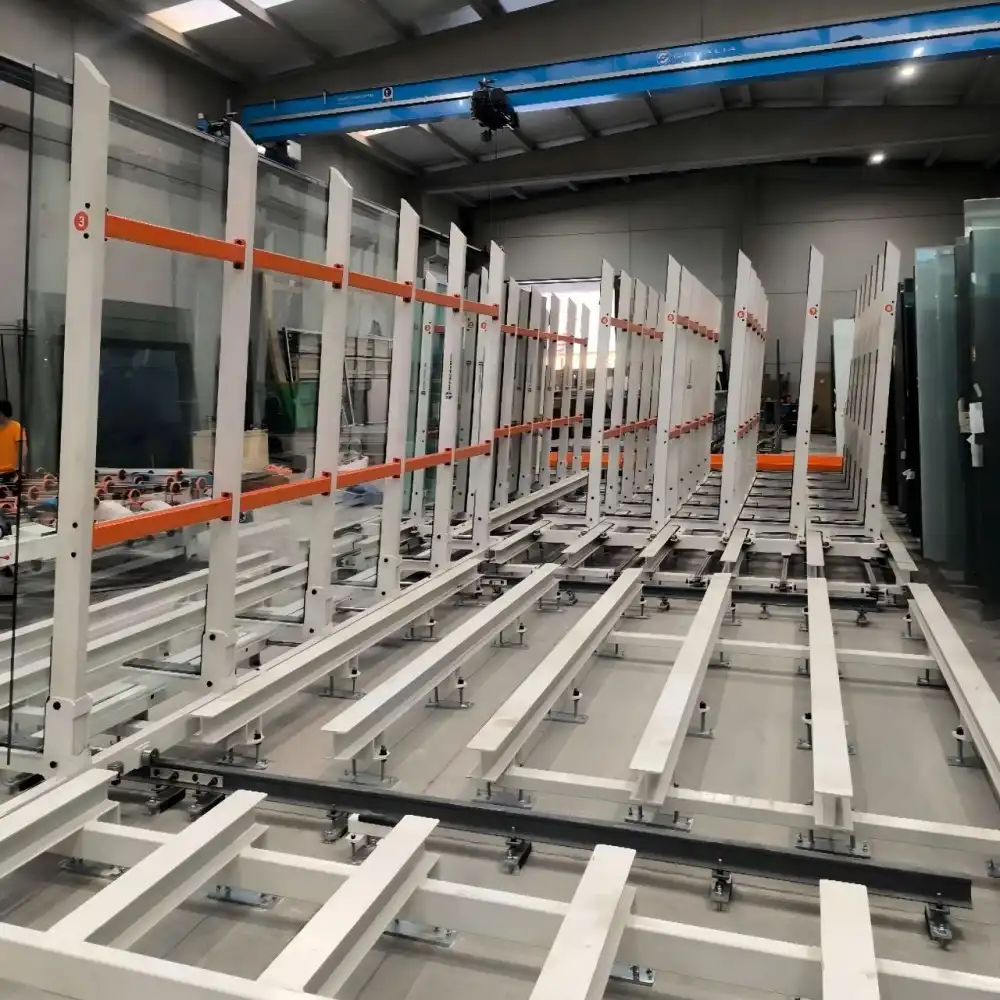
Synchronised production planning lines up cutting operations with laminating capacity further downstream. This keeps inventory from building up and speeds up order fulfilment. Digital production management systems keep track of each panel as it goes through each stage of processing, and they let managers know when there are delays or when batch goals need to be changed. This makes it possible to make proactive schedule choices that keep the flow of materials steady without clogging up storage.
Digital Tools for Inventory Tracking and Resource Optimization
Quality assurance checks placed between the cutting and sealing steps find and fix any mistakes in the dimensions or the edges of the material before it goes through any processing that adds value. Automated visual inspection systems look along the edges of panels for chips or stress cracks that need to be fixed. Dimensional verification checks that the panels meet the limits set by the specifications. This stepped validation method stops flawed materials from going through pricey laminating processes, which protects both customer relationships and profit margins.
Barcode or RFID systems keep track of the amount of raw materials in stock, where the work-in-progress is, and how many final goods are available in real time. When giving wait times or planning production runs, production planners can use up-to-date stock data. This cuts down on the guesswork that leads to capacity conflicts. Automatic reordering prompts make sure that there is always glass stock, interlayer films, and consumable supplies without taking up too much capital in inventory.
Conclusion
Using current industrial glass cutting and laminating systems to solve production problems has huge advantages in terms of quality, safety, and economy. Automated equipment gets rid of the errors that come with human work and greatly increases throughput rates, which helps makers fight in the tough architectural, automobile, and furniture markets. Precise process control makes sure that the quality of the products always meets strict industry standards, and built-in safety features keep workers safe from the dangers that come with working with glass. When companies buy tested technology from reputable providers like HUASHIL, they can take advantage of growth opportunities that need dependable, high-volume production with full expert support.
Frequently Asked Questions
1. What production volumes justify automated glass cutting equipment investment?
When switching from human to automated cutting systems, facilities that work more than 2,000 square meters per month usually see a return on investment (ROI) within three years. The exact limit changes depending on the cost of labour, the cost of materials, and the quality standards that are unique to each business. Architectural glass fabricators who work with business construction usually benefit from automation at lower volume levels than custom furniture manufacturers due to stricter tolerance requirements and repetitive order patterns.
2. How do laminating systems reduce long-term operational costs?
Costs are cheaper with modern industrial glass cutting and laminating systems because they use less energy, waste less material, and need less work. Energy-efficient heating systems use 25–35% less power than regular ovens, and automatic assembly processes get rid of rejects due to contamination that waste expensive materials like glass and interlayers. When manufacturers don't have to move as much stuff by hand, they can put workers to work on more valuable jobs instead of boring, repetitive ones.
3. What safety features should procurement teams prioritise when evaluating equipment?
Important safety features include laser curtain systems that keep people from getting in without permission while the machine is running; emergency stop buttons placed in multiple places; automated material handling that reduces the need for manual lifting; and full operator training programmes offered by equipment suppliers. Equipment approvals from well-known safety groups give you even more proof that designs meet the standards set by the industry.
Partner with HUASHIL for Advanced Glass Processing Solutions
Architectural fabricators, curtain wall builders, and furniture manufacturers looking for reliable robotic solutions can get proven industrial glass cutting and laminating systems from HUASHIL. Our equipment combines precise engineering with easy operation. It can cut up to 3,800 mm long, process materials at a speed of 100 m/min, and handle thicknesses ranging from 3+3 mm to 8+8 mm. As a provider of industrial glass cutting and laminating systems with a lot of experience, we offer full support, including installation advice, user training, quick technical help, and an easy-to-reach spare parts inventory.
Excellence in manufacturing comes from reliable tools and good relationships with suppliers. We want production leaders, engineering managers, and buying teams to talk to us about how our automation solutions can help you with your specific processing problems and capacity needs. Email our technical experts at salescathy@sdhuashil.com to talk about custom setups, look over full specs, or set up a demonstration of the equipment. Find out why top glass makers in the car, furniture, and architecture industries trust HUASHIL to provide production solutions that improve performance and give them a long-term edge over their competitors.
References
1. Glass Manufacturing Industry Council. "Material Efficiency and Waste Reduction in Architectural Glass Production." Industrial Glass Processing Research Quarterly, 2022.
2. Occupational Safety and Health Administration. "Safety Guidelines for Glass Manufacturing and Processing Facilities." OSHA Technical Manual, Section III, Chapter 7, 2023.
3. International Glass Review. "Automation Technologies Transforming Commercial Glass Fabrication." Annual Industry Technology Report, 2023.
4. American Architectural Manufacturers Association. "Quality Standards for Laminated Glass in Building Applications." AAMA Publication 1803-21, 2021.
5. Society of Automotive Engineers. "Dimensional Tolerances and Quality Requirements for Automotive Glazing Systems." SAE Standard J1556, Revised 2022.
6. Building Science Institute. "Energy Efficiency Benchmarks for Industrial Glass Processing Equipment." Technical Bulletin Series, Volume 18, 2023.