




For makers looking to create intricate, custom-designed countertops with exceptional precision, special shape sintered stone cutting machines represent the cutting-edge answer. These high-tech automatic systems use CNC technology and special tools to work with the unique density and hardness of sintered stone. They can make clean edges and complex shapes that are impossible to do by hand. As the need for custom architectural surfaces in both residential and business projects continues to grow, it is essential to invest in the right cutting tools in order to keep up with rising production costs and strict quality standards.
Introduction
Sintered stone has quickly changed the way countertops are made because it is durable, can be used in a variety of ways, and is made in an environmentally friendly way. Sintered stone is different from other materials because it can handle high temperatures, doesn't scratch easily, and doesn't need much upkeep. These are all traits that builders and homeowners really like. This huge rise in fame opens up a lot of possibilities for fabricators, but it also means they need special tools that can make precise cuts without damaging the material.
When making custom countertops, you have to deal with problems that regular cutting tools can't handle. Because sintered stone is so very hard and unstable, the cutting speed, blade pressure, and cooling systems need to be carefully controlled. By combining intelligent automation, advanced motion control, and optimised cutting settings, special shape sintered stone cutting machines overcome these technical obstacles. This guide helps people who buy things for businesses, like plant managers, technical buyers, and procurement directors, choose the right advanced manufacturing assets, run them efficiently, and get the most out of their investments.
Understanding Special Shape Sintered Stone Cutting Machines
The way precision cutting tools are made for solid stone work is very different from the way glass or clay cutters work. These machines have CNC control systems that turn complicated digital plans into accurate cuts. This means that they can handle the curves, angles, and cutouts that are needed for custom countertop projects. Adding diamond-tipped blades or waterjet technology can help with the hardness of solid stone, which is about the same level of hardness as real granite (6-7 on the Mohs scale).
Core Technologies Behind Advanced Cutting Systems
To get uniform results, modern special shape sintered stone cutting machines use a number of new technologies. With micron-level accuracy, CNC computers read CAD files, and servo motors make moves that keep tolerances within 0.1mm across big slabs. Diamond blade systems use split or continuous rim designs that work best with solid stone. This makes the tools last longer and less likely to chip. Alternatives to waterjets use high-pressure streams that are mixed with rough particles. These work best for very thick materials or patterns that don't need any heat stress.
Understanding the properties of a material is important for figuring out if a piece of equipment will work. The compacted structure of sintered stone, which is the result of extreme heat and pressure, makes it very strong but also easily broken at the ends. Cutting methods need to take this into account by managing feed rates, setting up the right support systems, and using water cooling to get rid of heat that could cause tiny cracks. Machines with automatic edge recognition and pressure adjustment can adapt to changes in the material, which stops common flaws like surface cracks or broken corners.
Machine Classifications and Operational Profiles
On the market, there are a number of different types of cutting tools, each designed to meet specific production needs. Fully automatic CNC bridge cutters can cut big slabs with little help from an operator. This makes them perfect for factories that make a lot of countertops every day. Medium-sized businesses can save money by using semi-automated systems, which combine human loading with automatic cutting processes. Waterjet cutters are great for cutting complex designs and heat-sensitive materials, but they tend to be slower than blade-based systems and need careful waste management of the rough slurry they produce.
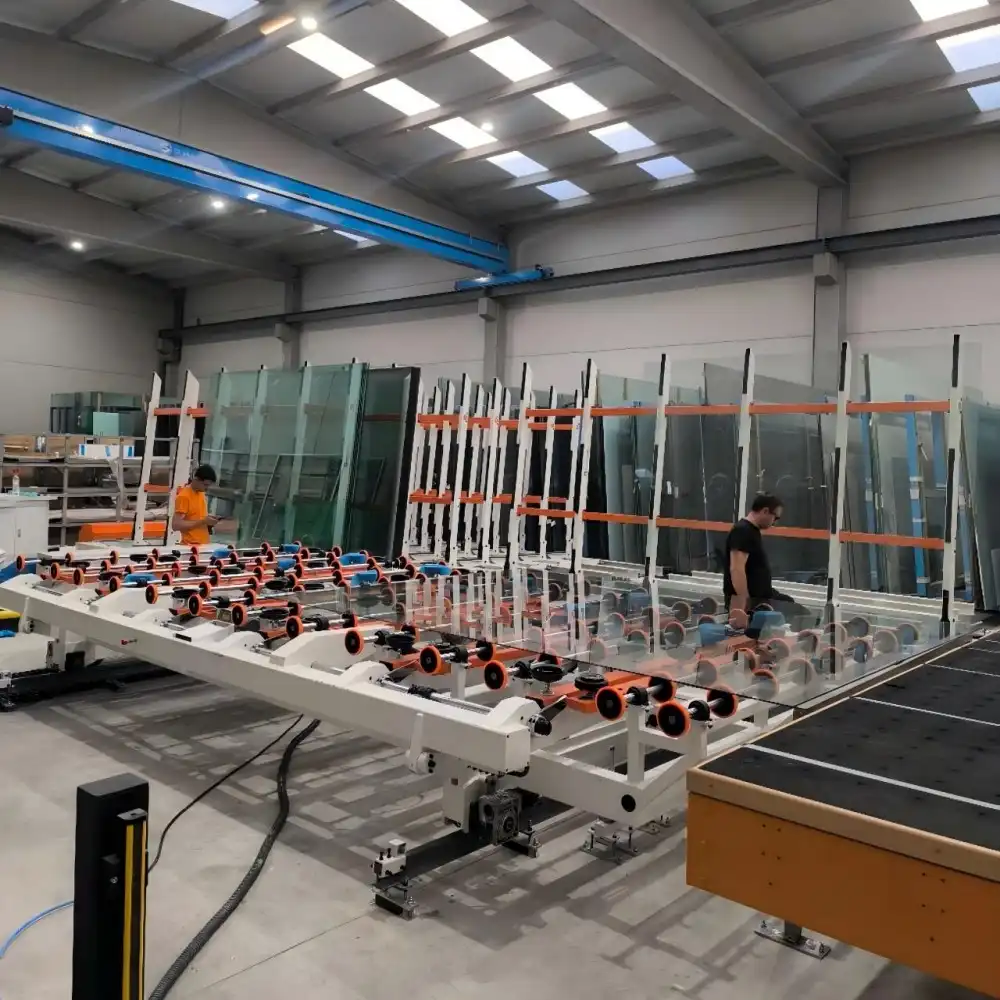
Benefits of Using Special Shape Sintered Stone Cutting Machines in Countertop Production
When you buy specialized cutting tools, you get measurable improvements in a number of performance measures that have a direct effect on your ability to make money and compete in the market. The main benefit is precision; automatic systems get rid of the human mistakes that come with cutting by hand, making sure that the same results are achieved across production runs. For proper fitting and customer happiness, it is necessary to ensure that the dimensions of kitchen islands with built-in sink cutouts or bathroom vanities with precise tap holes are within 0.2mm.
When compared to old ways, automation greatly speeds up the production process. Cutting and making templates by hand could take three to four hours for a complicated tabletop, but CNC machines can do the same job in 45 to sixty minutes once they are set up. This increase in speed lets fabricators take on more projects, cut down on wait times, and respond quickly to changes to designs. These are all skills that build relationships with clients and encourage them to buy from you again. Production managers like a steady flow because it makes planning and allocating resources easier. This workflow efficiency is further enhanced through industrial glass system integration, which aligns cutting operations with upstream and downstream processes for seamless material handling and data continuity.
Versatility and Customization Capabilities
Modern cutting tools can handle a huge range of designs without having to be retooled or set up in a lot of different ways. By adding different tool tracks, the same machine can make straight edges, bullnose profiles, ogee curves, and waterfall panels. This versatility is very helpful for furniture makers who use both glass and solid stone for tabletops, as well as for architects who need different shapes at different stages of a project. Being able to store an endless number of digital designs gets rid of the need to store physical templates and speeds up project access for upkeep or copy orders.
As environmental laws get stricter and customers expect eco-friendly practices, sustainability factors become more important when buying tools. Modern cutting systems get the most out of the materials they use by using advanced layout software to order parts in a way that wastes as little as possible. When compared to open-flow designs, closed-loop water return systems use 70–80% less water. Adding dust-gathering keeps the air clean at work and makes recycling easier. Optimised cutting routines and energy-efficient servo drives lower the amount of electricity used, which helps lower operating carbon footprints and power costs.
When finance teams look at capital spending, the total cost of ownership (ACO) is a very important factor that they use to decide what to buy. Well-designed machines have modular parts that make it easy to quickly change things that wear out, like blade guards, linear bearings, or coolant pumps, without needing special expert help. Control systems with predictive maintenance features keep an eye on cutting force, sound patterns, and component cycles. This lets workers know about possible problems before they become catastrophic. This proactive method increases uptime, which is a key measure for fabricators who are working on projects with short deadlines.
How to Choose the Best Special Shape Sintered Stone Cutting Machine for Your Business
To choose the best tools, you need to do a thorough analysis that is in line with your business needs and growth goals. The amount of production is what this evaluation is based on. Facilities that process less than 20 slabs per month might be fine with semi-automated systems, but facilities that process more than 100 slabs per week need fully automated systems that include material handling. Technical managers should write down the current limits on capacity and plan for growth scenarios that will happen over the next three to five years so that equipment doesn't become obsolete too soon.
Technical Specification Evaluation Framework
The size of the cutting envelope tells you if the machine is right for your block collection. The HSL-CNC3616 model can handle materials up to 3600x1600mm, which is the usual size of a tabletop plus extra space for finishing the edges. For glass uses, the maximum thickness must match the requirements of your material. For example, the maximum thickness for powdered stone for countertops is usually between 6 and 20 mm. Checking to see if the tools can handle your thickest materials can save you a lot of money on changes or extra steps in the processes.
Automation features are directly linked to how well workers do their jobs and how consistently good the work is. Automatic pressure control changes the cutting force based on changes in the density of the material. This keeps the edge quality and stops the blade from wearing out too quickly. When fine solid stone costs $50 to $150 per square metre, automatic edge finding is especially useful because it gets rid of mistakes made by hand that waste material. Using an air-floating system makes it easy to place the slab on the cutting table, which saves time and effort. With a remote control, workers can keep an eye on more than one machine at the same time, which makes supervision more efficient in bigger facilities.
Software Integration and Operational Ecosystem
Integration of optimisation software is what sets basic cuts apart from complete production systems. Its Optima software platform lets you do nesting analysis that makes the best use of materials, makes thorough cutting reports for keeping track of inventory, and connects to enterprise resource planning tools so that you can handle your workflow easily. Technical buyers should make sure that the software works with the design tools they already have. Most professional systems can handle standard file types like DXF, DWG, and CNC G-code, which makes it easy to move data from building CAD packages.
Evaluation of vendors goes beyond just looking at the specs of tools and includes important things like support infrastructure that are needed for foreign purchases. Certification standards like CE and ISO9001 show that safety rules and quality management systems are being followed. This makes it easier for US buyers to clear customs and get insurance. Track records of suppliers are important. Trustworthy established manufacturers with verifiable installation bases are better than new names that don't have a past of performance records. Asking for references from clients in the same business and area can tell you a lot about how responsive your after-sales help is and how easy it is to get parts.
Operating and Maintaining Special Shape Sintered Stone Cutting Machines
For equipment placement to go smoothly, operators must be fully trained in both technical processes and safety rules when working with special shape sintered stone cutting machines. There are many dangers in cutting equipment, such as rotating blades, high-pressure water systems, and automatic motion routes. Emergency stop methods, the right way to use personal protective equipment, and lockout/tagout rules for repair work should all be covered in training classes. Operators need to know how changing parameters affects the quality of the cut. For example, too fast a feed rate can cause chipping, and not enough water flow can cause heat damage.
Maintenance Schedules and Performance Preservation
Regular maintenance keeps the cuts sharp and stops unplanned downtime that throws off production plans. Every day, chores include checking the coolant level, looking at the blades for damage or wear, and cleaning the table surface to get rid of stone dust that has built up. As part of weekly upkeep, precise measuring tools are used to calibrate blade alignment, lubricate linear guides and check the tension of drive belts. Every month, you should back up the control system, change the filters in the water ventilation systems, and test the safety systems thoroughly.
Systematic diagnostic methods are needed to fix common practical problems. Cutting mistakes are often caused by blade deflection from old bearings or bad-fitting tension. Edge chipping usually means that the feed rate is too high, the tools are dull, or there isn't enough material support near the end of the cut. Software connection failures are usually caused by problems connecting to the network or files that are not compatible. Keeping detailed service logs helps find problems that keep happening and backs up guarantee claims when parts fail too soon.
A medium-sized countertop maker in Texas said they were 40% more productive after putting in place organised maintenance routines for their new CNC cutting system. Scheduled blade replacements based on cutting hours instead of eye inspection cut the number of edge defects from 8% to less than 2%. Predictive tracking of the cooling system's performance also stopped three possible pump failures that would have stopped production for several days. These changes to how things are done show how disciplined tool management can make the benefits of improved cutting technology even better.
Procurement Options and After-Sales Support for Special Shape Sintered Stone Cutting Machines
There are many ways for B2B buyers to find suppliers, and each has its own pros and cons. Direct agreements with manufacturers offer the best prices and technical help, but you need to do your research to make sure they can produce what you want and are financially stable. Authorised distributor networks provide local support infrastructure and faster supply of extra parts, but they come at a small cost premium. Online business-to-business (B2B) sites make it easier to compare prices and check out suppliers, but they also need you to carefully look over the protections for transactions and service promises.
Investment Considerations and Ownership Models
When you buy new equipment, you get a full guarantee, the newest technology, and a service life that you can count on. For example, industrial cutting systems usually last between 10 and 15 years with proper upkeep. Used equipment can save you 40 to 60 per cent on costs, but it also comes with risks, such as not knowing how it was used before, not being able to get replacement parts easily, and having a shorter useful life. Refurbished choices from reputable sellers offer middle-ground options with some guarantees and updated control systems, making them good for slowly adding more capacity or using them as a backup.
When integrating cutting tools into current production workflows, the ability to customise is very important. HUASHIL provides engineering services that can change standard machines to work with specific material handling systems, connect with equipment that makes templates earlier, or add custom tools for making edge shapes that are unique. Knowing how long it takes to customise something—usually 8 to 12 weeks for big changes—helps buying teams make realistic project schedules and plan how to get the building ready.
When buying equipment from other countries, especially when bringing tools from Asian makers to US factories, the logistics become more difficult. When shipping is combined with professional crating and insurance, the cost of the tools usually goes up by 12 to 15 per cent for ocean freight with door-to-door delivery. Professional installation services make sure that the levelling, utility hookups, and initial calibration are done correctly. This keeps operating problems that cancel guarantees from happening. Setting a budget of 5–7% of the value of the tools for installation and commissioning makes the total cost of the job more reasonable.
Support Infrastructure and Long-Term Partnership
Full warranty deals show that the maker trusts the customer and protects their assets. Standard coverage should include mechanical parts for 12 to 24 months, with choices for longer periods of time for important drive systems and control electronics. Making guarantee limits clear—usually consumables like blades, belts, and seals—avoids confusion when it comes to replacement costs. Training options are very different. The most expensive packages include on-site training for operators and repair staff, while the most basic packages only include manuals and online help.
How quickly after-sales help responds has a direct effect on how well production keeps going when technology problems arise. To figure out how good a seller is, you have to look at where their spare parts inventory is kept. US-based stores can deliver in two to three days, while foreign suppliers take two to three weeks. Technical help is available by phone, email, and video chat during US work hours, so problems can be fixed quickly. Some makers have field service networks with experts who can diagnose and fix problems on-site. This is helpful for more complicated problems than what an operator can figure out.
Conclusion
In conclusion, special shape sintered stone cutting machines are a wise investment because they significantly improve the ability to make custom countertops. CNC accuracy, smart automation, and strong construction all work together to solve the unique problems that sintered stone presents, leading to measured improvements in quality, efficiency, and design freedom. To choose the right equipment, you need to carefully look at the technical specs, the vendor's support system, and how well it fits with your current processes and your growth goals. Fabricators can make the most of the growing demand for high-quality architectural surfaces by getting the right training, keeping up with upkeep, and building strong relationships with manufacturers.
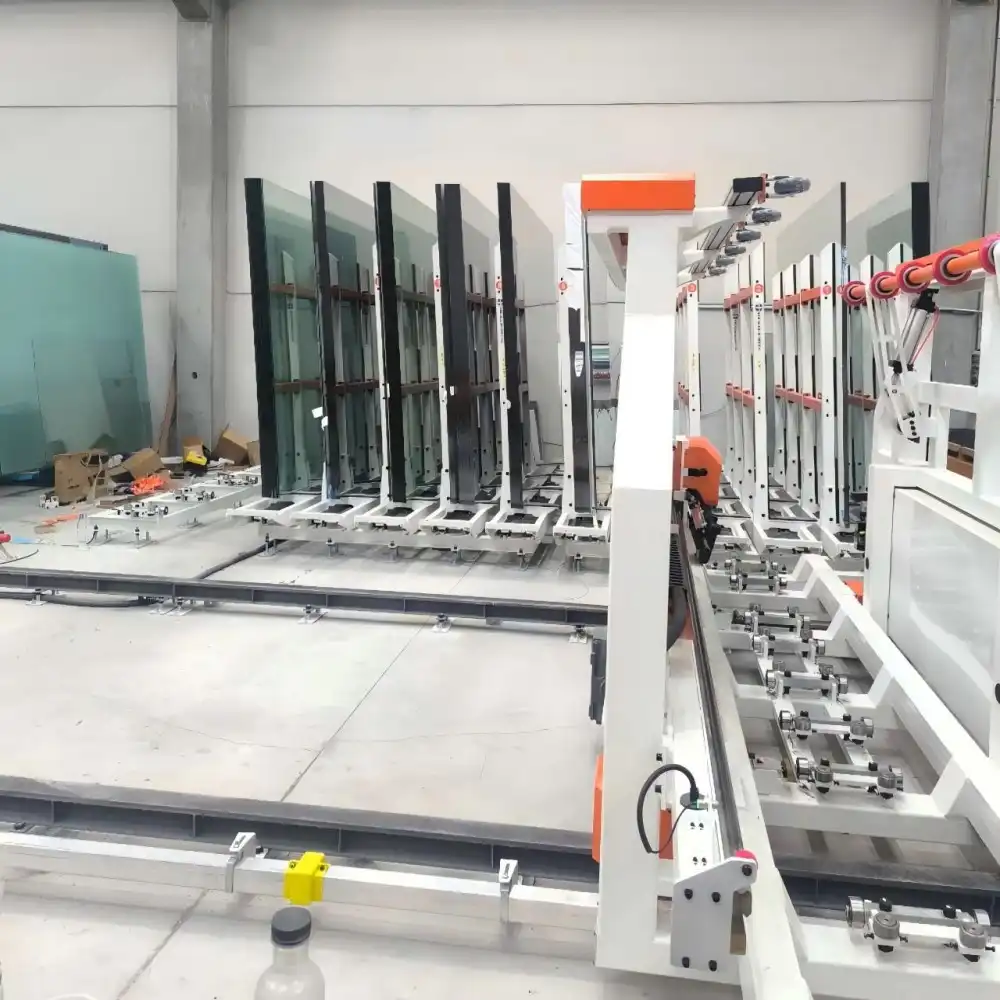
Frequently Asked Questions
1. What complex shapes can these machines produce for countertops?
Modern CNC cutting systems can handle almost any geometric complexity, such as curved edges, radiused corners, washbasin cutouts with precise drain placement, hob openings with exact measurement tolerances and artistic inlays that need a lot of fine detail work. The machinery makes unique shapes that fit the needs of architects, waterfall edge panels, and corners that are mitered to look like they are one piece. Design limits are mostly caused by the qualities of the material, not the limitations of the machine. For example, very sharp internal angles or thin protrusions can break during handling, no matter how precisely they were cut.
2. How frequently do these machines require maintenance?
Checking the coolant levels, the state of the blades, and the cleaning of the table every day takes about 10 to 15 minutes. Lubrication, alignment checks, and inspections of consumables take about an hour of weekly upkeep. The full monthly service, which includes calibrating the system, replacing filters, and updating software, takes two to three hours. Professional servicing once a year by trained technicians is required to keep the guarantee valid. This includes a full system evaluation, precise recalibration, and replacement of wear-prone parts. The process usually takes 6 to 8 hours of planned downtime.
3. Can these systems integrate with existing production equipment?
Standard industrial communication methods make it possible for modern CNC cuts to work with upstream systems for making templates, downstream systems for polishing edges, and automation for moving materials. Most machines can connect to a network, which lets them share data with business management software that keeps track of supplies and production. Equipment providers and building engineers need to work together on custom integration projects to make sure that the systems' interfaces are compatible, that they are put in the right order, and that there are safety interlocks that keep the systems from operating at the same time.
Partner with HUASHIL for Superior Cutting Solutions
HUASHIL is a specialist maker with a lot of experience making automated tools for processing glass and stone. They offer cutting-edge solutions that are perfect for the difficulties of modern manufacturing. Precision engineering and smart features like automatic pressure control, edge recognition, and air float systems are combined in our HSL-CNC3616 special shape sintered stone cutting machines. It comes with CE and ISO9001 certifications that guarantee quality and compliance. Our all-around method takes into account technical needs, operational efficiency, and long-term support needs for plant managers looking for trusted equipment suppliers for making custom countertops. Email our team at salescathy@sdhuashil.com to talk about your unique production needs, look into your customization options, and get detailed technical documentation that will help you make smart purchasing choices.
References
1. Stone World Magazine. "Sintered Stone Processing: Equipment and Techniques for Fabricators." Industrial Publishing, 2023.
2. Marble Institute of America. "Technical Guide to Engineered Stone Fabrication and Installation Standards." MIA+BSI Technical Committee, 2022.
3. Manufacturing Engineering Journal. "CNC Automation in Stone Fabrication: Productivity Analysis and ROI Assessment." Society of Manufacturing Engineers, 2023.
4. International Surface Fabricators Association. "Best Practices for Sintered Stone Cutting and Finishing Operations." ISFA Technical Publication Series, 2022.
5. American National Standards Institute. "Safety Requirements for Stone Cutting and Processing Equipment." ANSI B11.28-2021 Standard.
6. Freedonia Industry Research. "Global Countertop Materials Market: Trends, Demand Drivers, and Equipment Investment Outlook 2024-2028." Freedonia Group Analysis, 2024.