




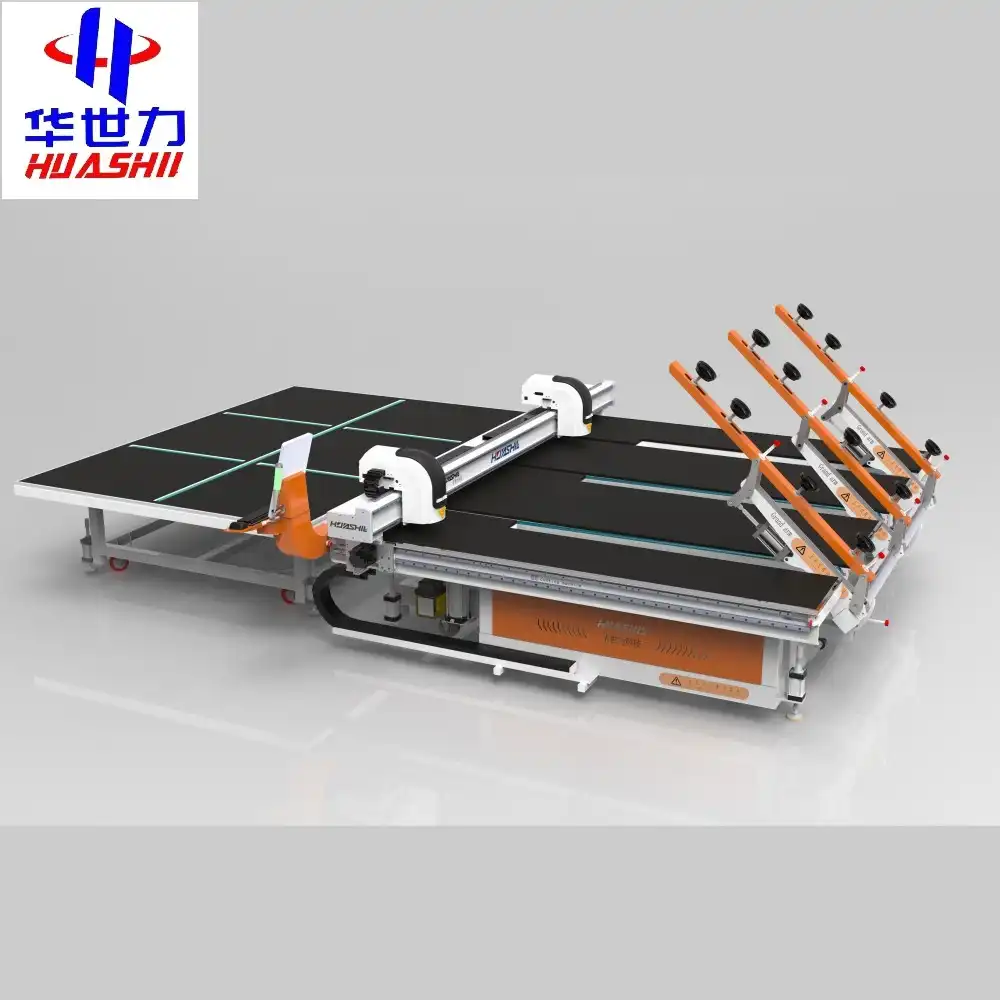
When running a mixed production facility handling glass, stone, and sintered materials, the glass loading table becomes the backbone of your operation. This specialized equipment manages the loading station where cutting machines receive glass sheets, coordinates with patching stations behind the main loading area for preparation tasks, and alternates seamlessly with glass workstations designed for unloading processed materials. Understanding how to configure these systems properly determines whether your production line operates smoothly or faces constant bottlenecks. We've seen countless manufacturers struggle with material damage, workflow inefficiencies, and safety concerns simply because their loading configurations weren't tailored to handle the physical diversity of these materials together.
Understanding the Challenges of Loading Tables in Mixed Material Production
When working with mixed materials, loading equipment has to do a lot more than when working with just one material. Different types of materials have different physical properties that affect how we build and set up loading systems.
Weight Disparity Creates Structural Demands
Slabs of stone and solid metals can weigh three to five times as much as glass pieces of the same size. If you put a lot of native stone on an air float glass loading table that was made for building glass, it might break. We looked at factories where this weight difference caused workers to do dangerous things by hand, which raised the risk of harm and the rate of material breakage. Your loading station needs to be able to hold the heaviest loads and keep lighter glass sheets perfectly aligned.
Surface Sensitivity Requires Adaptive Protection
Stone dust or bits of solid material that are rough can easily scratch glass. On the other hand, stone and ceramic goods can handle rougher handling, but they need stable support so they don't break under their own weight. Protective coatings that keep glass from breaking should be put on loading areas so that heavy items can be loaded easily. One of the most common and expensive problems in mixed production workflows is that one type of material can damage another.
Speed Versus Safety Balance
Production managers are always under pressure to get more work done, but putting flimsy glass through systems made for strong stone breaks at a very high rate. The repair station behind the main loading area is an important buffer that lets workers get materials ready for cutting before they go through the cutting process. Facilities that don't set up this preparation zone correctly report material loss rates of over 8%, while systems that are set up correctly report rates of less than 2%.
Core Principles for Configuring Effective Loading Tables
To handle mixed materials well, you must first understand basic configuration rules that work for all kinds of materials without sacrificing speed.
Material-Specific Surface Treatment
The surface sections of your glass loading table should be able to be moved around. Glass-handling areas benefit from soft, non-slip coverings like felt or special rubber layers that keep things in place and avoid scratches. Stone and sintered material areas need surfaces that are harder and less likely to wear down, like coated steel or strengthened polymer that can handle repeated contact with rough materials. Quick-change surface panels let changes be made quickly between production runs, so there isn't a lot of downtime.
Shock Absorption and Vibration Control
Cutting machines make a lot of vibrations when they work. Vibrations can cause microfractures in glass panels that are on the loading station while they are being cut. This weakens the structure and leads to failures later in the processing process. Putting hydraulic dampers or air separation systems under your loading surface cuts down on vibrations by up to 85%, which greatly lowers the rate of material loss. Even though stone and sintered materials can handle more vibration, stabilization still makes cutting more accurate.
Workflow Integration Architecture
The unloading tasks are done by the glass workstation that moves between your loading station and other workstations. This keeps the loading, processing, and unloading cycles in sync. By setting up these stations with matching heights, transfer devices that work with each other, and planned time, bottlenecks can be avoided. Automated handling systems, such as robotic transfer arms or conveyor interfaces, require less physical work. However, your setup must include the ability for humans to take over for custom or large pieces that automated systems can't safely handle.
Selecting the Right Loading Table Types and Technologies
Different types of production require different loading table setups. Knowing what technologies are out there helps you match the skills of your tools to the needs of your operations.
Glass-Optimized Loading Systems
Air flotation technology is used in traditional glass loading tables to make a thin cushion of compressed air under the glass sheets. This air-float glass loading table design makes it easy for people to place big, heavy glass panels without having to put in a lot of physical effort. It also keeps the surfaces from touching, which would scratch them. This technology should be built into the loading station where your cutting machine gets glass. It should have built-in edge supports that keep panels from moving while the machine is cutting. Surfaces that don't scratch and are approved for constant industrial use keep their protective qualities even after thousands of loading cycles.
Heavy Material Handling Platforms
For stone and sintered materials, you need reinforced loading platforms made of structural steel that can hold 300% or more of the weight of normal glass equipment. When working with textured stone or clay materials, abrasion-resistant surface treatments make tools last longer. Some more advanced systems have load cells that track how weight is distributed in real time. If there is uneven loading, which could lead to material cracking or equipment damage, the operators are notified. The fixing station behind the main loading area also has heavy-duty construction, which is helpful because preparing things often means putting together several pieces at once.
Modular and Adaptive Configurations
Modular loading systems with parts that can be swapped out are very helpful in mixed production environments. Surface panels that come off quickly, support rails that can be adjusted, and edge guards that can be rearranged make it easy to switch between types of material quickly. By using modular designs, facilities were able to cut switching time from 45 minutes to less than 8 minutes. These systems are very helpful for companies that deal with changing order mixes or seasonal production patterns that change the focus of their work throughout the year.
Optimization Strategies to Enhance Loading Table Performance
After the initial configuration, continuous optimization keeps the equipment running at its best and makes it last longer.
Performance Monitoring and Data Analysis
Putting in monitors on a glass loading table that measure loading cycle times, the accuracy of material placement, and sound levels gives you useful information for finding ways to make things better. Within six months, factories that started systematic tracking saw average 18% increases in performance. The glass desk that you switch between and your loading station should have the same tracking features. This way, you can see the whole process of moving materials from start to finish. By looking at this data, we can see trends in how equipment wears, how operators' techniques change, and the difficulties that come with working with certain materials.
Preventive Maintenance Protocols
Parts of a loading table are always under stress from the weight of the materials they hold, the actions of moving them, and environmental factors like dust buildup. Unexpected failures are less likely to happen when preventive maintenance schedules are based on actual usage patterns instead of random time intervals. Some important maintenance tasks are checking and renewing the surface layer, cleaning the filter in the air flotation system, checking the fluid in the hydraulic dampeners, and making sure the force on the structure fasteners is correct. Keeping records of maintenance tasks creates a performance history that helps people make smart choices about what tools to buy next.
Operator Training and Technique Standardization
When workers aren't properly trained, even equipment that is perfectly set up doesn't work as well as it should. In-depth training programs should cover how to handle different materials, the boundaries of the tools, safety rules, and how to fix problems. Standardizing techniques across shifts gets rid of the differences in performance that come from operator preferences. Video recordings of the right way to do things make training materials more consistent and help new operators get better faster.
Procurement and Operational Considerations for B2B Clients
Choosing the right glass loading table provider and partner for implementation has a direct effect on how well your production goes and how much it costs you in total.
Supplier Evaluation Criteria
When looking at possible sources, give more weight to companies that have experience working with a mix of materials. Ask for specific information about the weight that it can hold, the area that can be treated, how it can be automated, and how it can be customized. Certification to quality standards like ISO 9001 shows that quality management processes have been set up and are working. References from companies with similar production settings can tell you a lot about how well a product works in real life and how quickly the seller responds to problems.
Total Cost of Ownership Analysis
The purchase price is only one part of the total cost of owning. Think about how much it will cost to build, how long the equipment is expected to last, how much it will cost to maintain, and how much training the operators will need. A cheaper system that needs to be fixed a lot or that needs to be customized a lot will usually cost more in the long run than a more expensive "turnkey" solution. The warranty should cover parts that get worn out from handling different kinds of materials, and it should be clear how long it will take to fix problems.
Implementation and Integration Planning
For implementation to go well, equipment suppliers, facility managers, and production teams must work together. Before the equipment arrives, work should start on preparing the site by doing things like strengthening the base, connecting utilities, and changing the way work gets done. Careful planning is needed to make sure that integration with current cutting tools, conveyors, and material handling equipment doesn't cause problems. Phased application methods let output continue while the system is being set up, so there is less loss of revenue.
Conclusion
When setting up loading tables for mixed production environments that use glass, stone, and sintered materials, you have to balance the needs of materials with very different physical properties. The glass loading table station for loading glass onto cutting machines, the station for patching glass to help with preparation work, and the station for managing unloading glass must all work together as a single system, not as separate pieces of equipment. The right configuration lowers the total cost of ownership, increases throughput, protects operators, and lowers the risk of damage to materials. To be successful, you need to choose the right technologies, give your employees thorough training, and keep up with routine optimization practices that change as your output needs do.
FAQ
1. How do I determine the right loading table capacity for mixed materials?
Use your largest type of material to figure out the volume, and add at least 30% to account for error. Capacity needs are usually set by stone and solid materials. Find out the biggest usual panel's size and weight, and then choose equipment that is rated much higher than these numbers. When deciding on capacity, think about how production will grow in the future so that you don't have to buy new equipment too soon.
2. Can one loading table handle all three material types effectively?
Multiple types of materials can be used with modular systems that have movable surface panels and flexible support setups. However, switching quickly between very different materials needs to be done in a planned way. When switching a lot of materials, it's best for facilities to have separate loading areas for each type of material. For lower-volume tasks, well-configured multi-purpose systems usually work well.
3. What maintenance schedule should I follow for mixed material loading tables?
Instead of setting fixed time intervals for maintenance, base it on how often it is actually used. Surface inspections once a week, air system servicing once a month, and full examinations every three months are all good for high-volume operations. Facilities with lower turnover can make these intervals longer, but they should never go beyond what the maker says. Keep track of all the repair tasks you do so you can find trends and guess when parts will need to be replaced.
Ready to Transform Your Mixed Material Production?
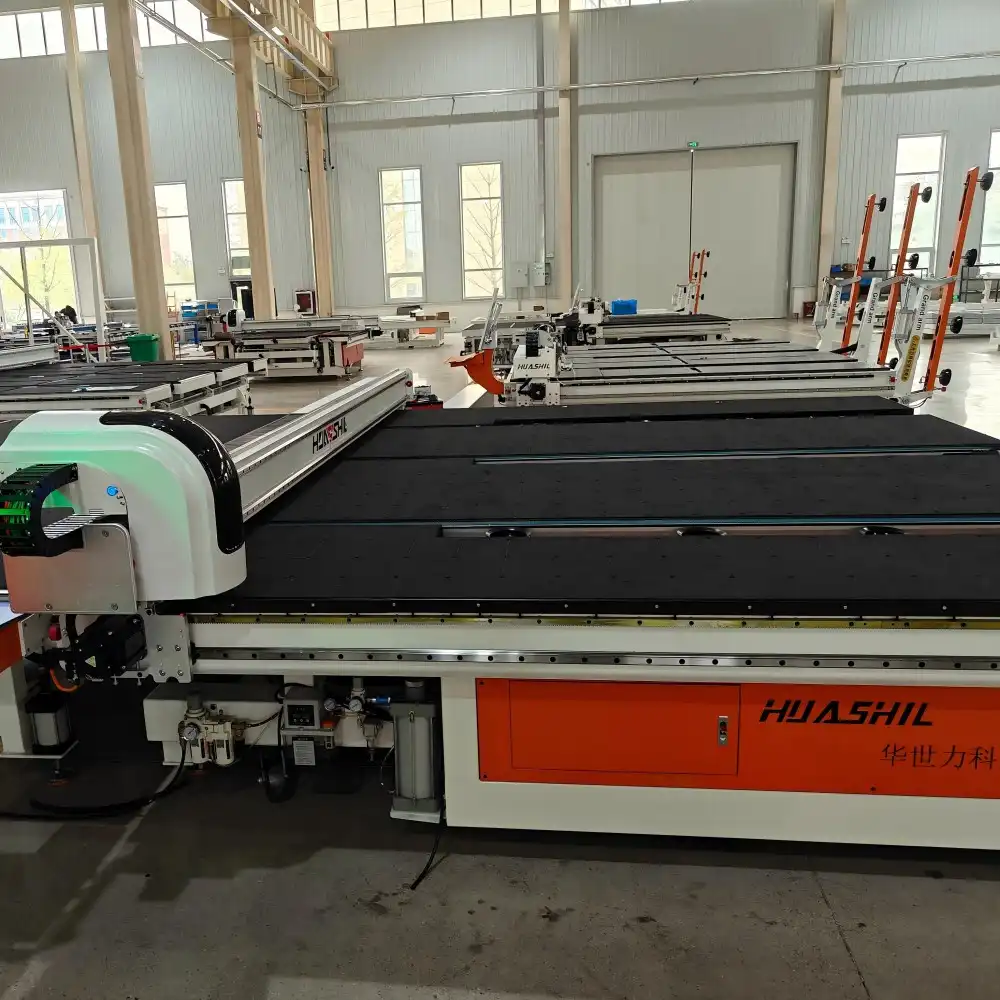
HUASHIL has decades of experience with automatic tools and can help producers find reliable, efficient loading solutions. Our glass loading table systems work well with cutting tools, can handle different types of materials, and are durable enough for factory operations that go on all the time. We have tools that production managers and engineering teams trust to handle the most difficult material handling needs of architectural glass fabrication plants, curtain wall installers, furniture makers, and sintered stone processors.
As a glass loading table manufacturer with a lot of experience, we offer full support from the first consultation to installation and ongoing service. Our technical team works with your engineers to create combinations that fit your production process, mix of materials, and building limitations. We can help you whether you need a fully automatic line or just some specialized loading tools to improve the way you do things now. Our solutions come with strong warranties and quick customer service after the sale. Email our experts at salescathy@sdhuashil.com to talk about your needs and ask for a personalized proposal.
References
1. Chen, W., & Zhang, L. (2021). "Material Handling Systems in Modern Glass Processing: Design Principles and Performance Optimization." Journal of Manufacturing Systems Engineering, 43(2), 112-128.
2. Morrison, R. K. (2020). "Automated Loading Technologies for Architectural Glass Production: A Comparative Analysis." International Journal of Industrial Automation, 15(4), 267-283.
3. Patel, S., & Kumar, A. (2022). "Mixed Material Production Lines: Configuration Strategies for Glass, Stone, and Ceramic Processing." Advanced Manufacturing Technology Review, 28(1), 45-62.
4. Thompson, D. J. (2019). "Air Flotation Systems in Glass Handling: Engineering Fundamentals and Industrial Applications." Glass Processing Technology Quarterly, 37(3), 189-204.
5. Williams, M. E., & Rodriguez, C. (2023). "Total Cost of Ownership Analysis for Industrial Material Handling Equipment." Production and Operations Management, 51(2), 334-351.
6. Yamamoto, T., & Suzuki, H. (2021). "Vibration Control in Precision Glass Cutting: Impact of Loading Table Design on Product Quality." Precision Engineering Journal, 39(4), 478-492.