




Buying a 2721 glass cutting line requires careful planning of your budget and thinking about your long-term goals. This automated system is made for precise glass handling, and it usually requires a big investment, both in terms of the cost to buy it and the cost to run it. Procurement teams can make smart choices that meet production goals and budget limits when they have a full picture of the costs involved, such as buying and installing machinery, training workers on how to use it, keeping it in good shape, and the possible return on investment. We will look at both the obvious and the less obvious costs of putting this cutting-edge technology to use in your glass manufacturing business.
Understanding the 2721 Glass Cutting Line and Its Investment Components
Modern glass processing relies more and more on automated solutions that provide consistent accuracy while lowering the need for human work. The HSL-LSX2721 from Huashil is an all-in-one solution for automating glass cutting. It combines three separate processing steps into a single output area. This system can handle glass sheets up to 2700x2100mm, so it's good for architectural glass fabricators, curtain wall manufacturers, and furniture glass manufacturers who work with medium to large panels on a daily basis.
Core System Architecture and Configuration
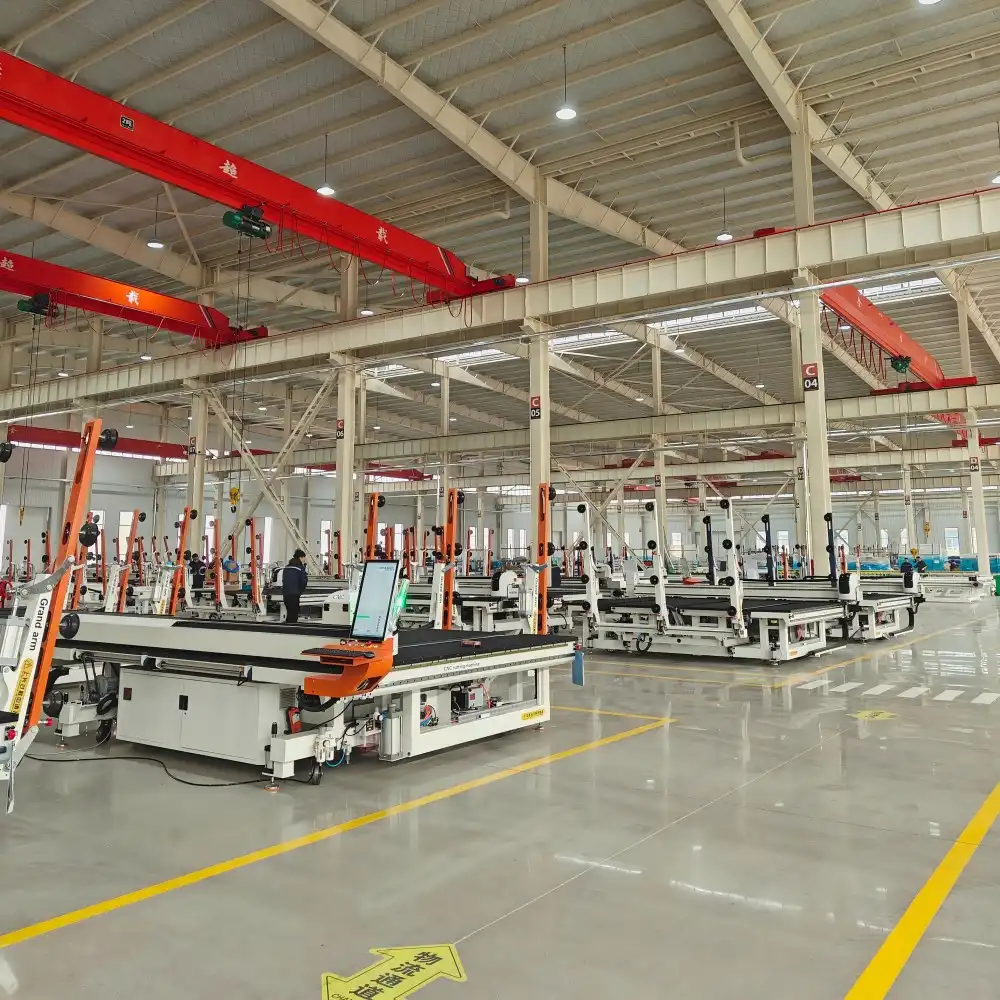
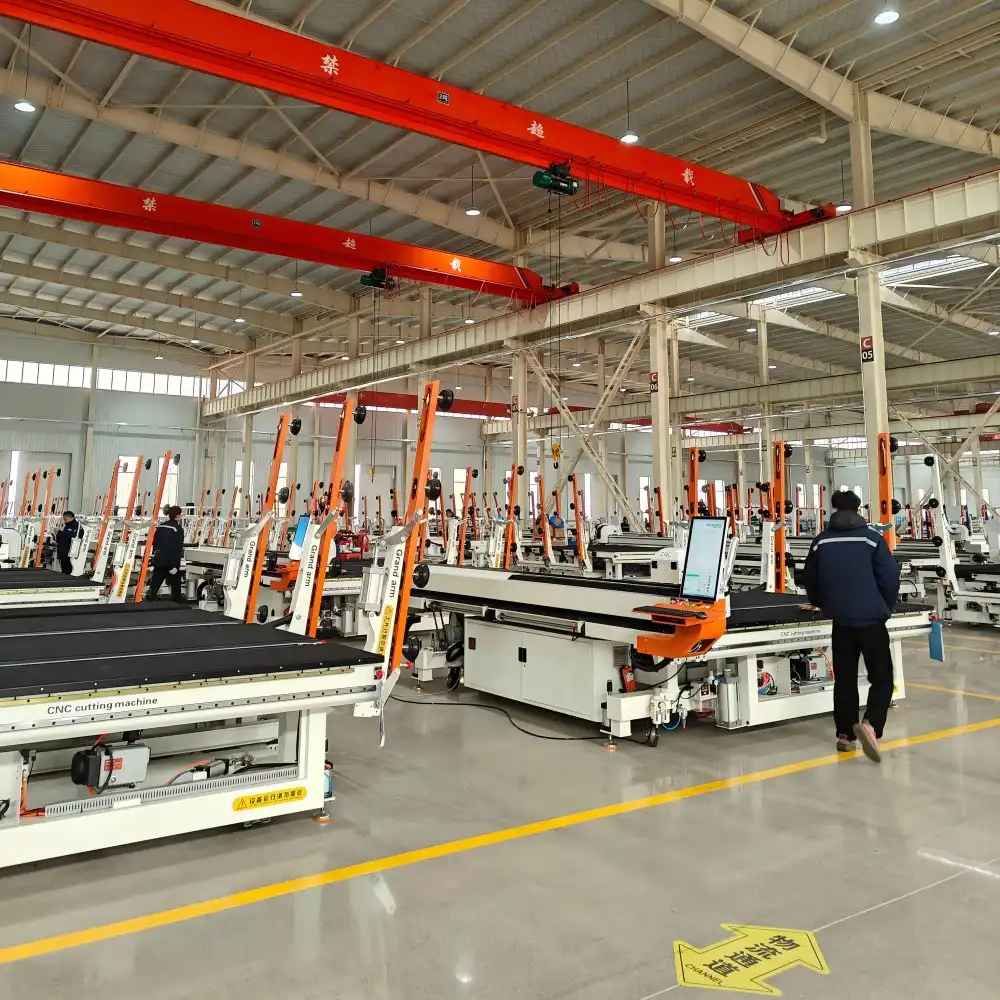
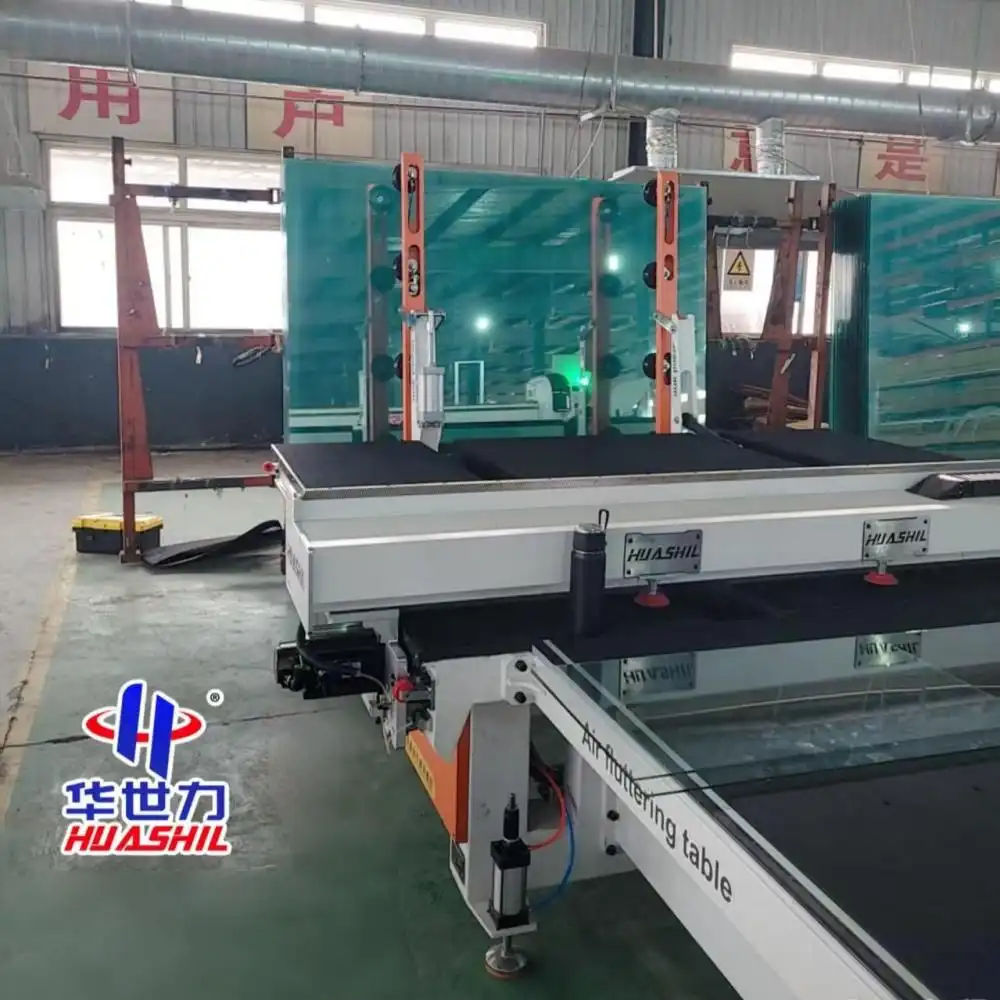
The HSL-LSX2721 has three tables that are used for loading, cutting, and breaking. Each machine has its own specific tasks that, when done together, turn raw glass sheets into parts with exact measurements. The filling table takes in new materials and places them correctly so they can be processed later. The precise scoring tools on the cutting table run patterns that have been optimized by the Optima software, which looks at each order to cut down on waste and get the most out of the materials used. Finally, the breaking table uses controlled pressure to neatly separate pieces that have been scored.
Operators can pick between above-ground and underground rail systems based on the layout of the building and the flow of materials they need to move. The 2+2 station setup has flexible working zones that let multiple tasks be done at the same time, which boosts throughput without lowering accuracy. Each side has three large arms that can hold glass sheets securely and lower the risk of breaking them as they move from one step of processing to the next.
Primary Investment Categories
Planning for capital expenditures for automatic glass cutting equipment goes beyond just the price of the equipment itself. Buying machines costs money, and the amount they cost depends on how they are configured and if they need to be customized. Standard models with basic features usually cost less than fully personalized systems made for specific uses or added to production lines that are already in place.
Installation costs are another big factor. They include preparing the base, putting in place equipment, connecting utilities, and installing rails. Greenfield projects, which need a lot of groundwork, may be more expensive than facilities that use infrastructure that is already there. As part of the commissioning services, techs run test runs, calibrate sensors, and make sure that safety interlocks work properly to make sure the system works as planned.
Investing in training saves the value of equipment by making sure that operators know the right way to use it, do maintenance, and fix problems. Comprehensive training programs that teach how to use equipment, navigate software interfaces, and do routine maintenance tasks usually last a few days. The costs include the time and materials of the teacher, as well as any production delays that might happen during learning periods.
Detailed Breakdown of Costs Associated with a 2721 Glass Cutting Line
When planning your budget for automatic glass processing equipment, you need to look at both the initial costs and the ongoing costs of running the equipment. A cost analysis that is clear lets finance teams make accurate predictions about the return on investment and compare different equipment choices in an unbiased way.
Equipment Acquisition and Configuration Pricing
New automated glass cutting systems from well-known brands usually cost between five and six figures USD, based on how complicated the configuration is and what features are included. With its three-table design, Optima optimization software, configurable rail system, and 2700x2100mm capacity, the HSL-LSX2721 is a strong option in this price range. Customization requests, like special ways to handle glass, connecting to existing ERP systems, or adding more safety features, raise the base price by the same amount.
People who buy used tools may be able to save money, but they also take on the risks that come with wear and tear, old technology, and limited warranty coverage. Equipment age has a big effect on how reliable it is. Systems that are more than ten years old often need a lot of money spent on repairs before they can work properly again. Finding spare parts for used machinery is also harder, especially for models that are no longer being made or for makers who aren't actively supporting older product lines.
When you buy in bulk or place multiple orders, you can often get discounts that range from 5% to 15%, based on the size of your order and how full the manufacturer's capacity is. Leasing equipment or setting up payment plans spreads out the need for capital over several fiscal years, which makes managing cash flow easier and allows for instant production capacity growth.
Operational Expenses and Maintenance Budgeting
Besides the original cost of buying the equipment, operational costs keep adding up over its useful life. Electricity use is a fixed cost that can't be avoided. During normal operation, automatic cutting lines use between 15 and 30 kilowatts of electricity. The amount of money that is spent on energy each year depends on how much the equipment is used, how efficient it is, and the output schedule.
Regular repair keeps equipment working well and increases its useful life. As part of routine maintenance, moving parts are oiled, old cutting wheels are inspected and replaced as needed, calibration is checked, and software is updated. Setting up routine preventative maintenance cuts down on unexpected downtime and expensive emergency fixes. Setting aside about 3% to 5% of the value of the tools every year for maintenance tasks gives you enough money for regular upkeep.
The total cost of ownership is affected by warranty coverage in a big way because it protects against defects and early component breakdowns. Standard warranties usually last between 12 and 24 months, but service plans can cover you for longer. Comprehensive support agreements that include technical help, remote diagnostics, and priority access to spare parts lower downtime but add several thousand dollars to the yearly cost.
Compliance and Safety Investment
Regulatory compliance for the 2721 glass cutting line is an unavoidable cost area that is needed to run legally and protect workers. Safety gear like emergency stops, light curtains, interlocking guards, and loud alarms has to meet OSHA standards and the manufacturer's instructions. Installation fees for safety systems usually make up 5 to 8 percent of the total cost of the equipment.
Depending on local rules and the state of the facility, environmental compliance may call for dust collection systems, noise reduction measures, or wastewater management solutions. These extra systems cost a lot, but they protect you from fines from the government and make the workplace healthy, which helps you keep your employees.
Comparing the 2721 Glass Cutting Line to Alternatives: Cost vs. Value
Comparative analysis that weighs different technologies against operational needs and budgetary limits is helpful for making buying choices. The HSL-LSX2721 fits into a certain market area because it is both advanced in automation and easy for mid-sized businesses to use.
Manual versus Automated Processing Economics
A basic manual cutting table usually costs less than $10,000, so it doesn't take a lot of money to buy. But labor costs and limited throughput quickly make this benefit less useful. Skilled glass cutters make good hourly pay, and because people aren't always accurate, they end up with higher scrap rates (8–12%) compared to automated systems (3–5%).
Differences in productivity have a huge effect on figuring out the cost per unit. Depending on how complicated the work is, experienced manual workers usually handle 40 to 60 pieces per shift. Automated lines like the HSL-LSX2721 can handle 120 to 180 pieces at the same time every time, which triples output without raising human costs by the same amount. This productivity edge is especially important in markets where there aren't enough skilled workers or where wages are going up too fast.
Quality uniformity is another important thing that sets us apart. Automated systems repeat the same cutting patterns over and over, so there is no change from shift to shift due to tired operators or differences in skill levels. This consistency cuts down on problems with later handling, customer complaints, and warranty claims, providing value that goes beyond just lowering the cost of production.
Competitive Equipment Evaluation
Different mechanical cutting systems made in Europe and Asia have similar features but different prices compared to their performance. Premium European brands usually have 20% to 40% higher prices, which is because they have better features, better service networks, and a better image as a brand. Asian manufacturers, like Huashil, offer competitive technical specifications at more reasonable prices. This makes automation economically viable for businesses that couldn't afford to buy high-end equipment before.
Cutting accuracy (usually within ±0.3mm for quality systems), cycle time per piece, the efficiency of software optimization, and system reliability (measured by the mean time between failures) are some of the most important performance metrics that can be used to compare systems. The HSL-LSX2721's Optima software has advanced nesting methods that make the best use of materials, which has a direct effect on the cost per unit of production by lowering waste.
Long-term ownership experiences of fabricators who use similar tools show that reliability and support quality often make up for differences in price at first. Systems that need service calls often, are down for long periods of time while parts are being sourced, or don't have responsive technical help, add up to higher overall costs than the initial savings. Looking at the stability of the maker, their promises about parts availability, and customer references can help you figure out the real costs of ownership that go beyond what is written in the specifications.
How to Choose the Right 2721 Glass Cutting Line for Your Business Needs?
Selecting appropriate automation equipment requires aligning technical specifications with production requirements, financial capacity, and growth projections. A systematic evaluation framework reduces procurement risk and ensures equipment investments deliver anticipated returns.
Production Requirement Assessment
Quantifying current and projected production volumes establishes the foundation for equipment selection. Facilities processing fewer than 500 square meters of glass weekly may struggle to justify automated cutting line investments through labor savings alone. Conversely, operations exceeding 2,000 square meters weekly typically achieve payback periods under 24 months, making automation economically compelling.
Product mix complexity influences equipment configuration requirements. Operations primarily producing rectangular architectural panels benefit from standard configurations, while furniture manufacturers requiring irregular shapes and frequent pattern changes need sophisticated software optimization and flexible tooling. The HSL-LSX2721's 2700×2100mm capacity suits most architectural glass and furniture applications, though specialized requirements like automotive windshields demand alternative solutions.
Supplier Evaluation and Due Diligence
Assessing supplier credibility protects against substandard equipment, inadequate support, and premature obsolescence. Established manufacturers with multi-decade operating histories demonstrate stability and sustained commitment to customer support. Huashil's documented exhibition participation at industry events like Glasstech Asia signals active market engagement and willingness to stand behind product quality publicly.
OEM capabilities and customization flexibility matter significantly for operations with unique requirements or planning future expansion. Suppliers offering engineering consultation, custom fixture design, and integration services provide greater value than catalog-only vendors. Confirming spare parts availability and lead times prevents future operational disruptions, particularly for critical wear components like cutting wheels and pneumatic cylinders.
Technical support infrastructure deserves careful evaluation. Domestic service presence, toll-free support lines, remote diagnostic capabilities, and technician response times directly impact equipment uptime. International suppliers without U.S. service networks create dependency on slow overseas communications and extended parts shipping, compounding minor issues into costly production delays.
Financial Structuring and Contract Negotiation
Payment terms and financing arrangements significantly impact cash flow and project feasibility. Standard international equipment transactions typically require 30% deposits upon order placement, with balance payments due before shipment or upon delivery. Letter of credit arrangements provide security for both parties in cross-border transactions, though associated banking fees increase total costs.
Equipment leasing through third-party finance companies or manufacturer-sponsored programs enables immediate capacity expansion without depleting capital reserves. Lease terms typically span three to five years, with monthly payments structured to align with anticipated revenue increases from improved productivity. Procurement teams should evaluate total lease costs, including interest, compare against financed purchase alternatives, and consider end-of-term equipment ownership versus upgrade provisions.
Warranty terms, training inclusions, installation support, and spare parts packages for the 2721 glass cutting line represent negotiable contract elements that influence long-term value. Securing extended warranty coverage, comprehensive operator training for multiple shifts, and starter sets of consumable components adds modest upfront cost while reducing future expenses and integration friction.
Maximizing the Investment: Maintenance, Troubleshooting, and Safety
Protecting equipment investment value requires proactive maintenance, effective troubleshooting protocols, and rigorous safety compliance. These practices extend equipment service life, minimize unplanned downtime, and create safer working environments.
Preventive Maintenance Programs
Structured maintenance schedules preserve equipment reliability and prevent catastrophic failures that interrupt production for extended periods. Daily inspections covering cutting wheel condition, lubrication levels, air pressure readings, and software error logs identify developing issues before they escalate. Weekly tasks include thorough cleaning of rail systems, verification of sensor alignment, and inspection of pneumatic connections for leaks.
Monthly maintenance activities address deeper system health, including calibration verification, backup creation of cutting patterns and optimization settings, and examination of electrical connections for signs of overheating or corrosion. Quarterly maintenance performed by qualified technicians should include comprehensive system diagnostics, replacement of wear components approaching service limits, and software updates addressing bugs or adding functionality.
Maintenance expense management balances parts quality against cost. Genuine OEM replacement components ensure proper fit and performance but command premium prices. Aftermarket alternatives reduce immediate expenses but may compromise reliability or void warranty coverage. Establishing relationships with reputable parts suppliers who stock critical components locally minimizes emergency procurement costs and shipping delays.
Operational Troubleshooting Capabilities
Developing internal troubleshooting competency reduces dependency on external service providers and accelerates problem resolution. Training maintenance staff to diagnose common issues—software crashes, cutting wheel breakage, pneumatic pressure drops, or sensor misalignment—enables rapid corrective action. Comprehensive equipment documentation, including electrical schematics, pneumatic diagrams, and software architecture overviews, supports effective troubleshooting.
Manufacturers providing detailed troubleshooting guides with symptom-based diagnostic trees empower operators to resolve issues systematically. Remote diagnostic capabilities, allowing technicians to access equipment systems, review error logs, and observe operations via video conferencing, dramatically reduce service call necessity and associated costs. The HSL-LSX2721's control system architecture should support remote access with appropriate cybersecurity protections.
Safety Protocol Implementation
Equipment-related injuries create human suffering, regulatory liability, and productivity losses that far exceed prevention costs. Comprehensive safety programs encompass equipment-specific training, hazard identification, emergency response procedures, and regular safety audits. Operators must understand lockout/tagout procedures for maintenance activities, emergency stop locations and functions, and proper personal protective equipment requirements.
Regular safety training reinforces proper procedures and addresses complacency that develops through familiarity. Quarterly safety refreshers, incident investigation protocols, and near-miss reporting systems create cultures where safety receives appropriate priority. Compliance with OSHA machine guarding requirements, electrical safety standards, and noise exposure limits protects both workers and organizations from regulatory penalties.
Conclusion
Strategic investment in automated glass cutting technology like the 2721 glass cutting line requires a comprehensive financial analysis extending beyond the initial purchase price to encompass installation, training, operational expenses, and long-term support costs. Facilities processing substantial glass volumes achieve compelling returns through labor reduction, throughput increases, waste minimization, and quality consistency improvements. Careful supplier evaluation focusing on technical capabilities, support infrastructure, and customization flexibility ensures equipment selections align with operational requirements and growth trajectories. Proactive maintenance programs, internal troubleshooting capabilities, and rigorous safety protocols protect investment value while maximizing productive equipment life.
FAQ
Q1 What factors most significantly influence the 2721 glass cutting line's total cost?
Configuration complexity, customization requirements, and included support services create the widest cost variation among comparable systems. Standard configurations with basic features cost substantially less than customized systems integrating specialized handling, advanced software, or unique safety features. Geographic factors, including installation complexity, utility infrastructure requirements, and shipping distances, also impact total investment. Warranty coverage, training comprehensiveness, and spare parts packages represent contract negotiation opportunities that influence long-term ownership costs beyond initial purchase price.
Q2 How does automated cutting efficiency translate into tangible savings?
Automated systems deliver savings through multiple mechanisms operating simultaneously. Labor cost reduction from replacing two or three manual cutters with a single machine operator provides immediate, measurable benefit. Material waste reduction from 10% to 4% through optimization software generates savings proportional to glass consumption. Throughput increases, enabling the same labor force to produce 150% to 200% more finished pieces, either support revenue growth or enable workforce reallocation. Quality consistency reduces customer complaints, remake requirements, and warranty claims, delivering savings often overlooked in initial ROI calculations.
Q3 Can smaller glass fabrication operations justify automated cutting investment?
Smaller operations processing 800 to 1,500 square meters weekly occupy a transitional zone where automation justification depends on specific circumstances. Facilities facing skilled labor shortages, experiencing quality inconsistency issues, or pursuing growth opportunities benefit from automation despite modest current volumes. Flexible financing arrangements and phased implementation approaches make automation accessible to mid-market operations. However, shops processing primarily simple rectangular cuts with readily available skilled labor may find manual methods economically adequate until volume growth justifies automation investment.
Partner with HUASHIL for Your Glass Cutting Automation Investment
Shandong Huashil Automation Technology stands ready to support your glass processing automation goals with the HSL-LSX2721 and comprehensive technical services. Our engineering team collaborates with procurement specialists to configure systems meeting precise production requirements while respecting budget parameters. As an experienced 2721 glass cutting line manufacturer, we maintain an extensive spare parts inventory, ensuring rapid component availability that minimizes production interruptions. Flexible payment terms, comprehensive operator training, and responsive technical support via salescathy@sdhuashil.com or through our website at huashil.com demonstrate our commitment to customer success throughout equipment service life.
References
1. Glass Manufacturing Industry Council. (2023). Automation Impact on Glass Fabrication Economics. Industrial Glass Production Series, Vol. 47.
2. Henderson, M. & Torres, R. (2022). Capital Equipment Investment Analysis for Glass Processing Operations. Manufacturing Technology Press.
3. International Glass Processing Association. (2023). Comparative Performance Metrics for Automated Cutting Systems. Technical Report IGPA-2023-14.
4. Williamson, J. (2022). Total Cost of Ownership Models for Glass Fabrication Equipment. Journal of Industrial Manufacturing Economics, 38(3), 156-174.
5. Zhang, L. & Morrison, K. (2023). Maintenance Strategy Optimization in Automated Glass Processing. Proceedings of the International Conference on Manufacturing Automation, pp. 245-267.
6. Industrial Safety Standards Board. (2023). Machine Safety Requirements for Glass Processing Equipment. ISSB Technical Specification 890-2023.