




For automated stone cutting systems to keep working at their best, they need automated stone cuttingorganized, planned maintenance. Modern machines used to work with sintered stone, clay blocks, and tiles need regular maintenance for their mechanical, electrical, and software parts. If you don't do regular upkeep, your machine will break down unexpectedly, need expensive fixes, and cut less accurately. Taking good care of machines makes them last much longer and keeps them working all the time efficiently. We know how hard it is for plant managers and production leaders to balance business needs with maintenance schedules. That's why we put together this complete guide to help you protect your investment and get the most out of it.
Understanding Automated Stone Cutting Machines and Their Maintenance Needs
The latest automated stone cutting tools are a complex mix of high-tech software, precise mechanics, and electronic control systems. Computerized controls, automatic feeding systems, and precision sensor arrays make these systems very different from traditional cutting tools that are used by hand. Better upkeep methods are based on understanding this level of complexity.
Core Components That Require Regular Attention
Several important parts of automated cutting systems need to be inspected on a regular basis. The cutting blade system is always under stress and comes into contact with rough materials that speed up the wear patterns. Motor systems produce a lot of power while keeping speeds exact, which puts stress on the motors and electronics over long production runs. Sensor systems that are in charge of finding edges and ensuring accurate placement can become out of calibration because of things in the surroundings or vibrations in the body. To keep working at their best, control electronics like the EOS-CNC system in more complex models like the HSL-CNC2716 need stable power and firmware changes on a regular basis.
How Operating Principles Dictate Maintenance Protocols
Equipment made to work with materials 3 to 18 mm thick has to work under a variety of load situations that can shorten the life of certain parts. Automatic pressure control systems in machines change the cutting force on the fly, which keeps mechanical parts from having to work too hard. However, these pressure monitors need to be calibrated and checked to make sure they don't lose their effectiveness over time. Clean compressed air sources and clear distribution routes are needed for air flotation devices that make moving things around easier. When dust builds up and stops float ports, it makes it harder for materials to stay in place, and automated stone cuttingcan lead to more rejects and damage from collisions.
Typical Challenges Resulting From Inadequate Maintenance
When maintenance guidelines aren't followed, production sites often have failures that can be predicted. When cooling systems fail to keep blades at the right temperature during long cutting processes, blade wear speeds up by a huge amount. When maintenance plans aren't followed, motor bearings break down faster than expected, which causes unexpected production stops that affect the whole manufacturing schedule. Sensor drift leads to mistakes in placement that waste expensive materials and require a lot of time-consuming work to fix. Knowing about these types of failure helps technical managers plan maintenance that fixes holes in the system before they affect production.
Essential Maintenance Tips to Maximize Machine Longevity
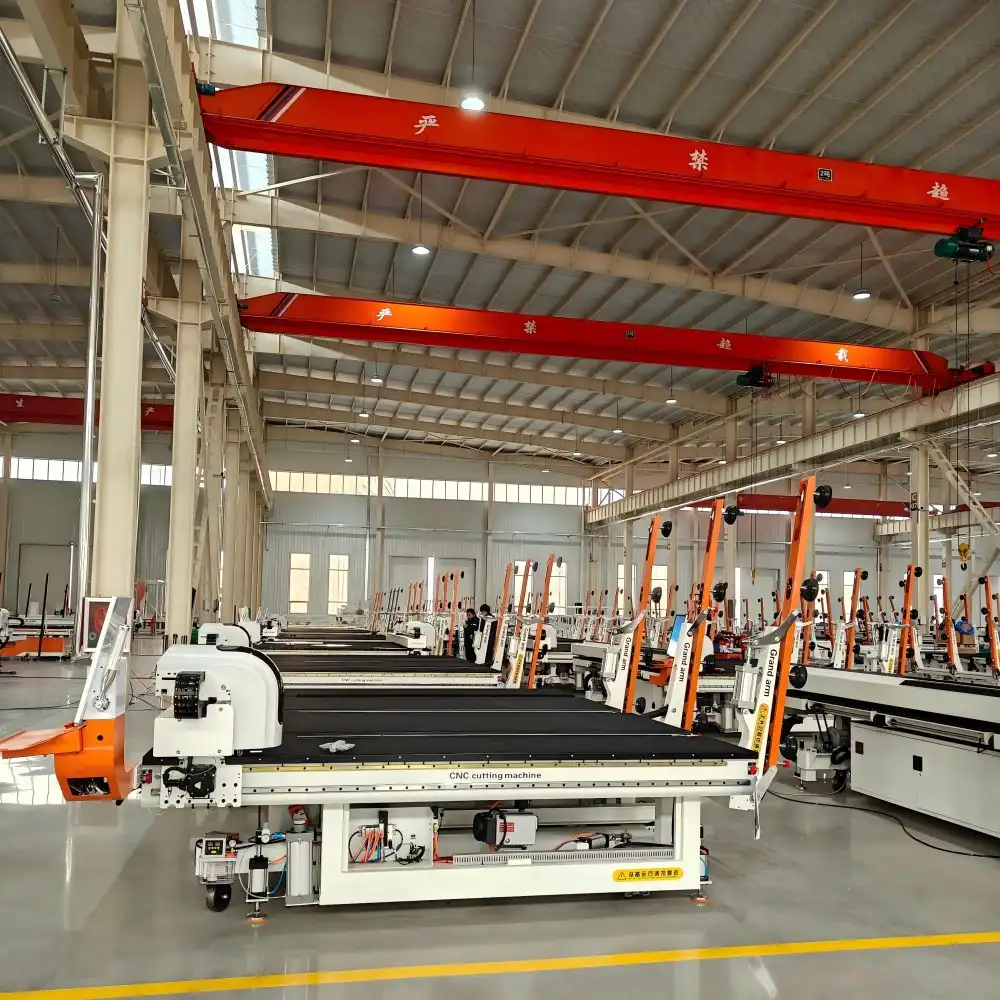
Setting up structured repair routines for automated stone cutting machinery will protect your equipment investment and keep the quality of the output uniform. The steps below are the building blocks of good maintenance plans that engineering teams can start using right away.
Daily and Weekly Inspection Protocols
Visual checks at the start of each work shift catch problems as they start to form before they get worse. Operators should check the state of the blade for chips, cracks, or strange wear patterns that could mean there are problems with alignment or the cutting settings aren't right. During intense cutting sessions, thermal damage can be avoided by checking the coolant amounts and cleaning. During weekly checks, the guide rails should be carefully looked at for damage or buildup of waste, the cleaning of the sensors should be confirmed, and the electrical connections should be checked for signs of rust or loosening. Cleaning habits keep abrasive waste from building up, which speeds up the wear on parts. When stone dust and water mix, corrosive chemicals are made that attack metal surfaces that are left uncovered. We suggest that you use cleaning products that get rid of dust without hurting precision surfaces or computer parts. Long-term damage can be avoided by keeping an eye on places like under work tables and inside enclosure walls where dust can gather.
Lubrication Schedules for Critical Moving Components
Proper lubrication cuts down on friction, gets rid of heat, and greatly increases the useful life of parts. Linear guide systems need clean, high-quality oils that are applied according to the manufacturer's instructions. Ball screws that turn rotary motion into precise linear positioning need to be oiled on a regular basis to keep their accuracy and stop them from wearing out too quickly. Bearing systems in cutting head motors work better when they get new grease on a regular basis that matches how hard they are used. Automatic pressure control systems use air cylinders that work consistently as long as the seals are well-oiled and flexible. Making a lubrication matrix that lists where parts are located, what kind of lube is used, how it is applied, and how often it should be done helps maintenance teams follow regular procedures. This paperwork is very helpful for teaching new techs how to do their jobs or fixing problems that come up out of the blue.
Component Replacement Timelines
Wear-sensitive parts need to be replaced before they break in a big way. Cutting blades made for solid stone and clay materials usually work best for a certain amount of linear footage before the edges start to wear down and affect the quality of the cut. Keeping track of the total cutting distance helps you correctly guess when to change the blades. Drive belts that send power from motors to cutting assemblies gradually wear out over time. This makes it harder to place things correctly and increases the chance of a quick failure during busy production times. By replacing belts ahead of time during set repair windows, you can avoid unplanned downtime that can be disruptive. Filter elements that keep pneumatic systems clean need to be replaced based on the conditions of the working area, not just at random times. Facilities that make a lot of dust may need to change their filters once a month, but automated stone cutting, while better, can go longer between service times. Keeping an eye on the difference in pressure between filter housings gives you objective information about when to change them.
Software Updates and Calibration Maintenance
Modern control systems, like the EOS-CNC platform, have software that makers update on a regular basis to make them work better, fix problems they find, and improve performance. Scheduling software changes for planned breaks in production makes sure that systems get the newest features without stopping work. Software changes should come with calibration checks to make sure that the digital control parameters match the actual machine geometry correctly. Automatic edge-finding functions depend on how well the sensors are calibrated, which can change over thousands of rounds. Recalibrating the accuracy of positioning keeps the precision that makes automatic systems better than human ones.
Preventive Maintenance Strategies for Enhanced Performance
Changing from reactive repair to proactive tactics for automated stone cutting equipment makes the equipment much more reliable and lowers the total cost of ownership by a large amount. The following strategies help production leaders reduce the number of unexpected breakdowns and make the best use of maintenance resources.
Designing Customized Maintenance Schedules
While general maintenance suggestions can be helpful, the best plans take into account the specifics of the business. When machines cut very rough cemented stone, they experience different wear patterns than when they cut softer ceramics. Facilities that work more than one shift every day need repair more often than facilities that only work one shift. Environmental factors, such as the amount of dust in the air, changes in temperature, and humidity, have a big effect on how long parts last. Creating personalized schedules starts with following the manufacturer's basic suggestions. Then, changes are made based on the real wear patterns seen during the first operation times. Keeping track of the state of parts during regular checks shows if the times need to be shortened or can be safely lengthened. This method is based on data and makes the best use of maintenance resources while keeping device reliability high.
Integrating IoT-Enabled Monitoring Systems
Maintenance used to be planned, but now, thanks to advanced tracking technology, it's more like condition-based actions. Vibration sensors on motor units find worn bearings before they fail completely. This lets replacements be planned for easy repair times. Temperature tracking finds problems with the cooling system before they damage expensive parts. Cycle counters keep track of how much something is used instead of how much time has passed, which gives true information about how much a part is used over its lifetime. Continuous tracking that finds parameter shift is especially helpful for equipment with automatic pressure control and air flotation systems. Monitoring systems let maintenance teams know when cutting pressure changes from what was set, so sensors can be calibrated before positioning accuracy is lost. This ability to predict the future cuts down on waste and keeps the standard of the product that people want.
Operator Training and Safety Protocol Implementation
Even the most advanced automated systems need skilled workers who know how to use them correctly and spot problems as they arise. Standard working procedures, safe ways to do regular maintenance tasks, and ways to fix common problems should all be covered in thorough training programs. By teaching workers to spot sounds, vibrations, or performance traits that aren't normal, problems can be found early on. Safety rules keep people safe and keep tools from getting damaged by bad use. Technicians can do repair work safely when there are no live equipment hazards thanks to clear lockout/tagout processes. Setting up procedures for emergency stops and system recovery stops people from acting in a hurry, which could damage machines when something unexpected happens. When workers understand both how things work and how to keep everyone safe, they are more than just button-pushers following pre-programmed steps. They become valuable partners in keeping tools reliable.
Optimizing Maintenance for Cost Efficiency and ROI
To find the right balance between working costs and upkeep costs for automated stone cutting operations, you need to use analytical methods that can measure both direct costs and indirect effects on output. Long-term profits are greatly affected by smart purchasing choices made about repair contracts and replacement parts.
Cost-Benefit Analysis of Preventive Maintenance
When you do regular repairs, you can expect to pay for things like work, replacement parts, and sometimes breaks in output. But these costs are nothing compared to the costs of emergency repairs that require fast shipping of parts, extra work, missing production schedules, and possible fines from customers. According to figures from the industry, preventative automated stone cutting maintenance costs about 20–30% of emergency repairs, but makes technology much more available. Figuring out the total cost of ownership helps financial decision-makers see why upkeep costs are worth it. The price of buying equipment is only one part of its total costs. When you compare investments over a ten-year period, you can get a good idea of how much they will cost in upkeep, new parts, and downtime. Despite possibly having higher original purchase prices, machines that are easy to maintain and use standard parts have lower lifelong costs.
Selecting Reputable Maintenance Partners
Facilities that don't have their own technical experts can gain from working with skilled service providers. Authorized service partners understand equipment-specific requirements and maintain appropriate spare parts inventory. They bring special testing tools and have fixed problems with machines that are similar in many different customer places. When plant managers look at possible partners, they should make sure that the technicians are certified, that they can respond quickly, and that extra parts are available. Genuine new parts keep the equipment's guarantee valid and make sure it works as expected. Aftermarket parts that seem to save money can sometimes cause problems with compatibility, dependability, or guarantee violations that make the total cost higher. Reputable makers, like those that make machines like the HSL-CNC2716, make it clear what new parts are allowed and how to use authorized service networks to protect customer investments.
Long-Term ROI Through Systematic Maintenance
The level of upkeep has a direct effect on how long an item lasts. Automated systems that are well taken care of usually last fifteen to twenty years, while equipment that isn't taken care of needs to be replaced every seven to ten years. This difference has a huge impact on how to figure out return on investment. In addition to lasting longer, well-kept equipment holds its value better when places improve their technology, which means they can get more money back. Regular maintenance keeps output at the level that was planned so that performance doesn't slowly decline over time. Keeping the cutting speed, positioning accuracy, and yield rates the same over the life of the equipment saves the income that pays for the original investment. This long-term success edge grows every year, adding up to a lot of value over time.
Conclusion
To make an automated stone cutting machine last as long as possible, you need to stick to organized repair procedures that take care of the mechanical, electrical, and software parts in a planned way. Daily checks catch problems as they start to happen, planned replacements of parts keep them from breaking down at the worst possible time, and proactive tracking lets you make condition-based actions that make the best use of resources. Training workers to spot problems and working with trained service providers guarantees complete care for the whole life of the equipment. The constant investment in preventative maintenance is always worth it because it extends the life of equipment, keeps it working at full capacity, and lowers the cost of emergency repairs. When production facilities follow these important upkeep tips, they protect their financial investments and stay ahead of the competition by producing reliable, high-quality goods.
FAQ
1. How often should automated cutting systems undergo comprehensive maintenance?
When to do a comprehensive repair depends on how busy the business is and the weather. Single-shift operations that work with standard materials usually need thorough repair every three months, while multi-shift operations that work with abrasive sintered stone should have thorough checks every month. In addition to these in-depth repair meetings, operators check the equipment every day and clean it once a week. Keeping an eye on the real wear patterns of parts during the first few hours of running helps make schedules that work better in certain situations.
2. What immediate indicators signal required maintenance attention?
There are a few signs that need to be looked into right away, instead of waiting for planned maintenance. Strange noises like grinding, screaming, or knocking are signs of technical problems that need to be fixed right away. Loss of cutting quality, such as more chipping, rough edges, or measurements that aren't accurate, could mean that the blades are wearing out or there are problems with the positioning system. If you see coolant leaks, strange vibrations, or error messages from the control systems, you should look into them right away to stop the damage from getting worse.
3. Do software updates affect physical maintenance requirements?
Software updates can change working factors that affect the stress on physical parts. When cutting algorithms are updated, they might change how fast things move or how automatic pressure control responds, which could change how things wear out. When you recalibrate positioning systems after major software changes, you make sure that digital orders correctly reflect the shape of the machine. This keeps the precision that makes automated systems better than human ones.
Partner With HUASHIL for Comprehensive Automated Stone Cutting Solutions
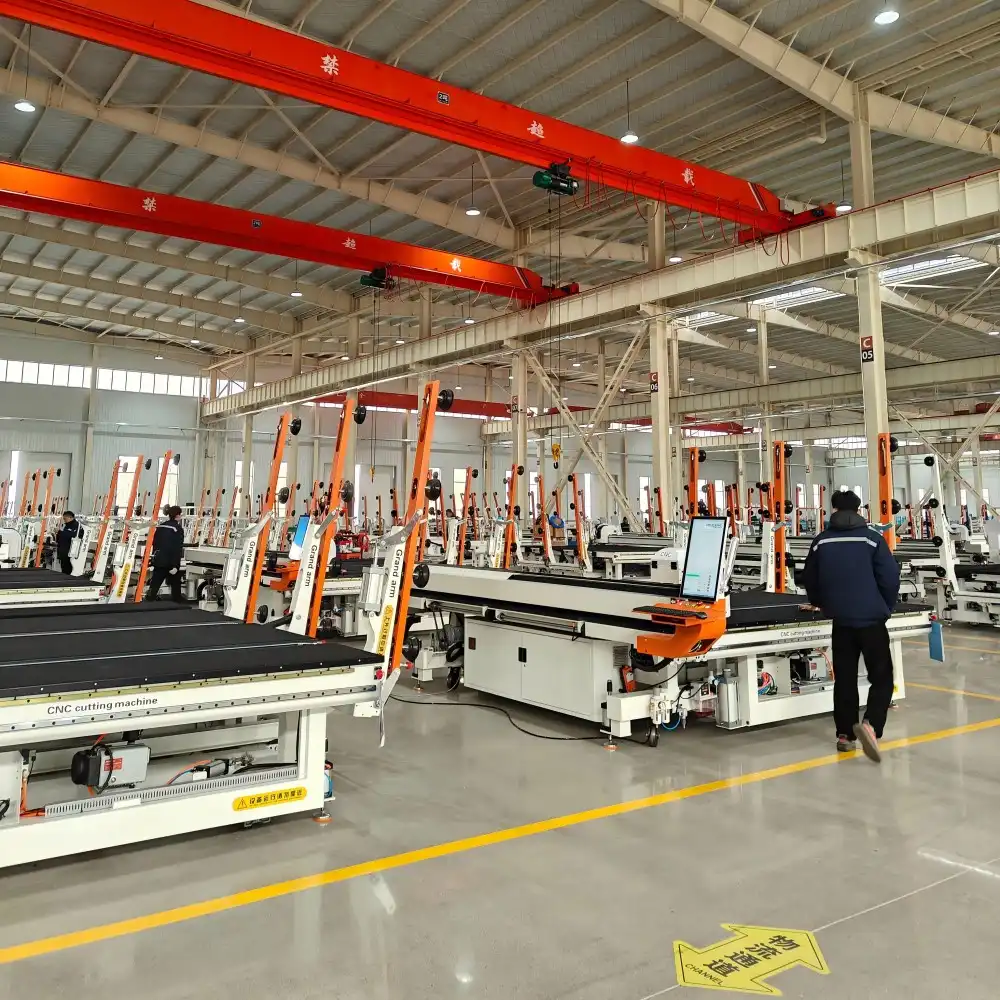
Shandong Huashil Automation Technology Co., Ltd. has been making machines for decades and makes automated stone cutting equipment that is perfect for tough work settings. Our HSL-CNC2716 model is a great example of precision engineering. It has a strong 2700x1600mm working capacity that can handle cutting sintered stone, ceramic blocks, and tiles. Advanced features like automatic pressure control, the ability to find edges, and built-in air flotation systems ensure constant quality with little help from the user.
We know that investing in equipment means more than just buying it once. It also means getting long-term support, real replacement parts, and expert advice that helps you get the most out of your investment. Our engineering team gives you thorough maintenance paperwork, tools for teaching operators, and quick technical support that can help you with your unique production problems. Our dedication to customer satisfaction guarantees that your automated systems will work reliably year after year, whether you're setting up new production lines or increasing the capacity of ones you already have.
Contact our team at salescathy@sdhuashil.com to discuss customized solutions matching your facility requirements. As a dedicated automated stone cutting machine manufacturer, we offer competitive pricing, flexible customization options, and comprehensive after-sales support, protecting your investment throughout its operational lifetime.
References
1. Anderson, J. M. (2021). Industrial Automation Maintenance: Best Practices for Production Equipment. Manufacturing Technology Press.
2. Chen, L., & Williams, R. (2022). Predictive Maintenance Strategies for CNC Stone Processing Systems. Journal of Manufacturing Systems and Technology, 18(3), 245-267.
3. Hendricks, D. P. (2020). Total Cost of Ownership Analysis for Capital Equipment Investments. Industrial Engineering Publications.
4. Martinez, S., & Thompson, K. (2023). Component Lifecycle Management in Automated Fabrication Systems. International Journal of Production Research, 41(2), 112-134.
5. National Stone Processing Association. (2022). Maintenance Guidelines for Automated Stone Cutting Equipment. Industry Standards Publication.
6. Roberts, T. F., & Zhang, H. (2021). Reliability Engineering Principles Applied to Industrial Automation. Mechanical Systems and Signal Processing, 29(4), 567-589.