




Safety glass production demands precision equipment capable of handling multi-layered materials without compromising structural integrity. A cutting laminated glass machine addresses this challenge by delivering clean, accurate cuts through glass-polymer composites used extensively in automotive windshields, architectural glazing, and protective barriers. Modern automated systems enable manufacturers to process complex laminated structures efficiently while meeting international safety certifications. This guide explores how advanced cutting technologies enhance production workflows, reduce material waste, and ensure compliance with rigorous industry standards for safety glass applications.
Understanding Cutting Laminated Glass Machines in Safety Glass Production
To make safety glass, you need special tools that can work with layered materials made of several glass layers bound together with polymer interlayers. Making smart equipment purchases for production managers means knowing how these tools work technologically.
Core Technologies Behind Laminated Glass Cutting Systems
Precision mechanics and computer control systems are both parts of modern cutting laminated glass machines. Diamond-coated wheels or laser modules are used on CNC-driven platforms to score the surface of glass before adding a controlled breaking force. Photoelectric pointing systems make sure that every cut lines up within a few microns, which is very important when working with exact-sized materials like windscreens or building panels. The program that controls the machine adjusts the cutting speed, the amount of pressure used, and the movement of the table based on the thickness and makeup of the layers.
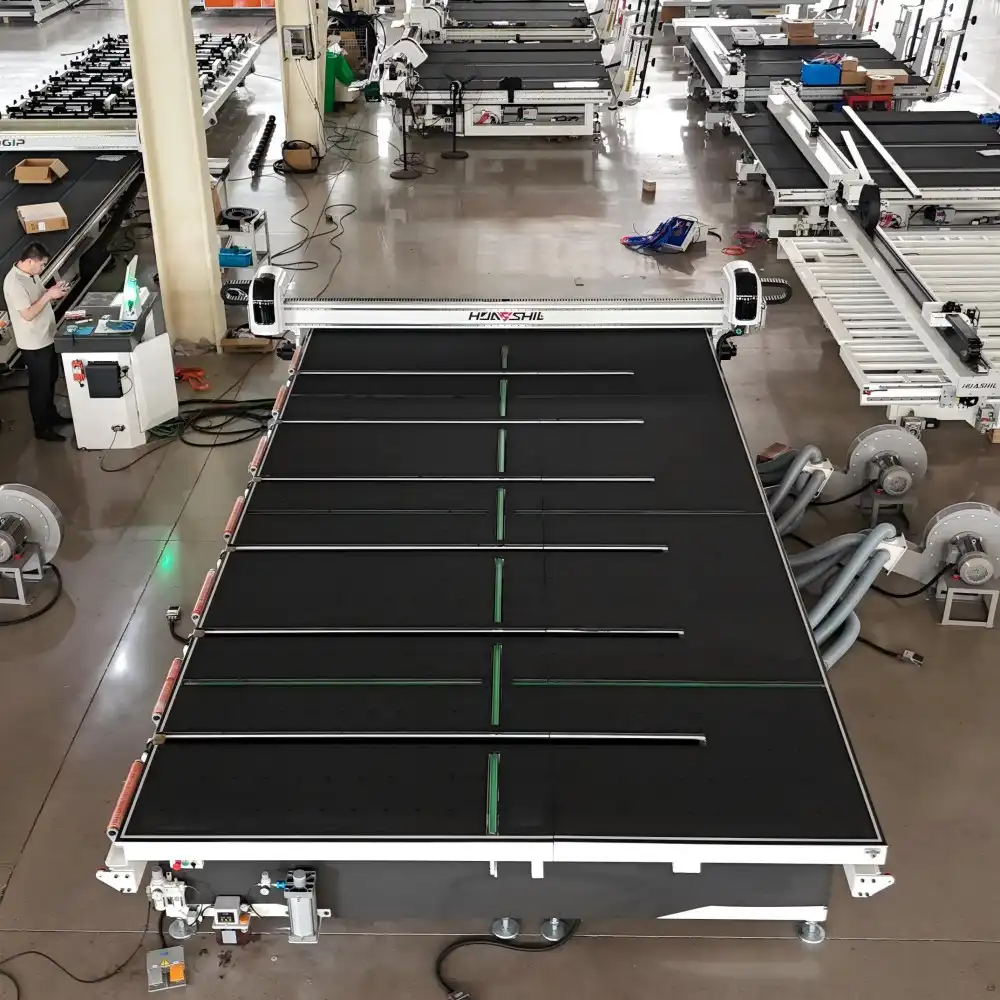
This combination is shown by our automatic laminating glass production line. The system can fit a variety of operator tastes and building plans because the equipment has a small footprint (4700 x 3100 x 840 mm) and the height of the work table can be changed from 770 mm to 870 mm. This photoelectric tracking system makes sure that the same thing happens over and over again during production runs, which cuts down on the time needed to set up for each new product standard.
Machine Classifications and Production Capabilities
There are different types of cutting laminated glass machines, from semi-automatic single-head models that are good for small workshops to fully automated multi-axis systems that are made for facilities that do a lot of work. Production capacity varies a lot. Simple machines can make 20 to 30 pieces per hour, while industrial machines can make 80 to 120 pieces per hour, based on how complicated the job is.
Cutting speed has a direct effect on how much is cut. Modern systems can cut at 100m/min while keeping the quality of the edge, which is a lot faster than the 15–25m/min that human ways can do. Machines made for working with safety glass have to be able to handle differences in the thickness of the material. A flexible cutting laminated glass machine can handle glass layers from 3+3mm to 8+8mm thick, with interlayer films that are between 0.38mm and 1.52mm thick. This can meet most car and building needs.
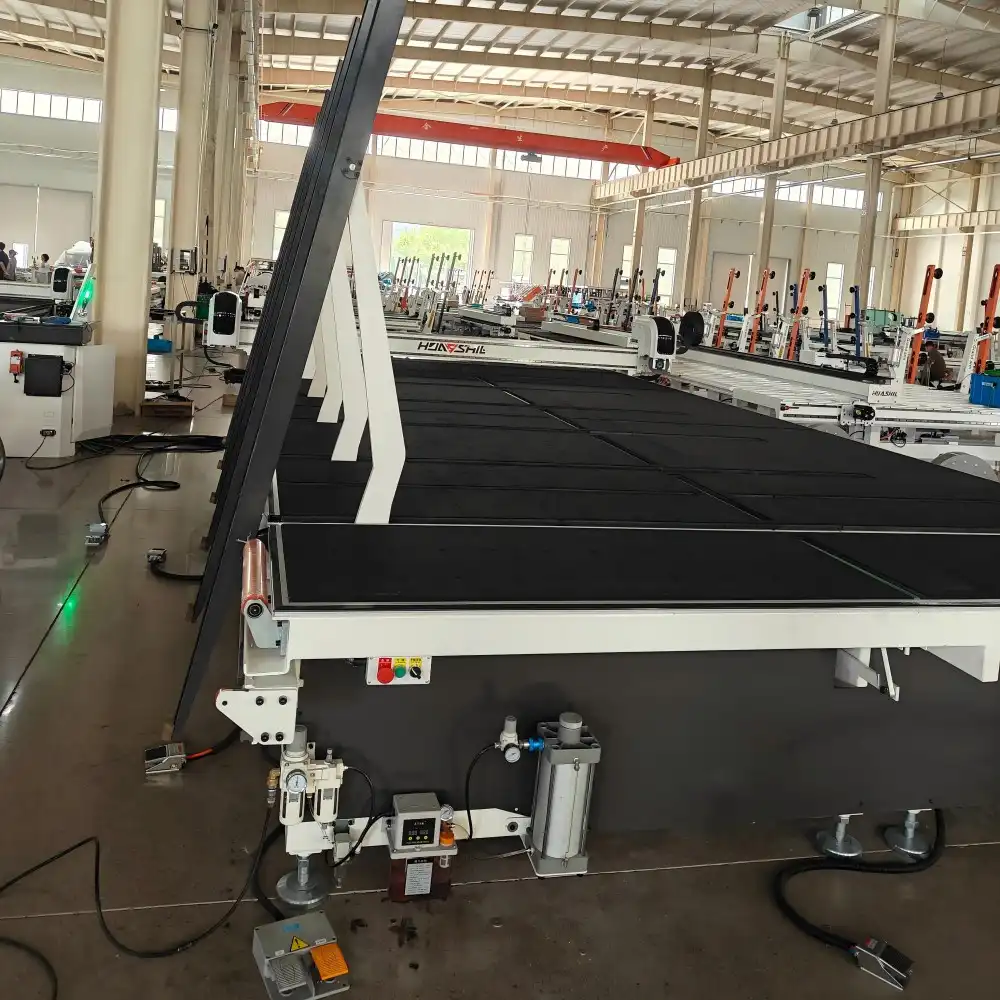
Another important factor is length handling. For curtain wall fabrication and big architectural projects, equipment that can cut lengths up to 3800 mm is used. For speciality uses like internal partitions or furniture parts, equipment that can cut lengths as short as 300 mm still works accurately.
Maintenance Requirements and Operational Safety
Disciplined maintenance protocols are what keep machines running smoothly. As part of daily checks, blade wear is checked, moving parts are oiled, and location sensors are cleaned. As part of weekly jobs, alignment devices need to be calibrated and hydraulic pressure levels need to be checked. Electrical connections and program diagnostics are checked every month as part of routine processes.
Safety rules keep people who work with big glass panels and fast-moving cutting tools safe. Cut-resistant gloves, safety shields, and steel-toed shoes are all required personal protective equipment when operating a cutting laminated glass machine. Multiple emergency stop buttons make it possible to turn off the machine right away. Proper training stresses safe ways to move things around and shutdown methods when changing blades or making mechanical adjustments.
Advantages of Using Laminated Glass Cutting Machines for Safety Glass Production
When you buy specific tools for processing laminated glass, you can see changes in a number of performance measures that have a direct effect on your bottom line and the quality of your products.
Precision and Edge Quality Improvements
Automated cutting systems get rid of the problems with inconsistent measurements that come with doing things by hand. Computer-controlled cutting paths keep tolerances within ±0.5mm across full production batches. This is very important when making parts that need to fit perfectly into window frames or car assemblies. Better edge quality means less post-processing is needed because clean cuts prevent chipping and micro-fractures that weaken structures.
When making safety glass for uses that need to be resistant to force, the accuracy is especially useful. Laminated panels are strong because the load is spread out evenly across the joined layers. When cuts aren't straight, stress builds up in places where the material starts to fail during impact tests. Each panel meets the performance requirements for standards such as EN 356 (security glazing) and ANSI Z97.1 (architectural safety glass) thanks to consistent measurement accuracy.
Operational Efficiency and Cost Reduction
When systems are automatic, they greatly improve the amount of work that can be done. If a building that processes 500 square meters of data every day by hand could increase its capacity to 1,200 square meters with automatic equipment, without having to pay its workers more. A cutting speed of 100m/min makes it possible to quickly fill orders, which lowers wait times that affect both customer happiness and the company's ability to compete.
Cutting down on material waste saves a lot of money over the life of an item. By figuring out the best cutting patterns before processing starts, optimised nested algorithms cut down on waste. Precision cutting cuts down on breaking during transport and installation, which lowers the number of rejects that eat away at profit margins. When production managers switch from human to automated cutting systems, they say that material utilisation goes up by 15 to 22 percent.
Compliance with Safety Standards
For safety glass uses, strict performance standards must be met. Laminated windscreens have to be able to withstand certain impact forces without breaking completely. Wind-borne debris tests are done on architectural glass in areas that are prone to hurricanes. When laminated glass is cut correctly, it keeps its structural integrity during these tests because the even edges spread stress evenly across the joined layers.
Certification groups look at both finished goods and the ways they are made. Certification applications are stronger when they include proof of uniform cutting guidelines, dimensional checks, and quality control processes. Compliance auditing and traceability standards are becoming more common in the car and architecture supply chains. Equipment that can keep digital records makes these tasks easier.
Comparing Laminated Glass Cutting Machines: Making the Right Choice
When choosing the right cutting tools, you need to look at more than just the initial buy price. Making smart business choices means knowing the differences between technologies and their long-term value promises.
Technology Comparison: Laminated vs. Standard Glass Cutters
Normal glass-cutting tools made for single-piece glass have trouble with layered materials. Standard cuts don't let you control the force that's needed to score the top layers of glass without hurting the polymer interlayers or crushing the bottom layers. Also, the shape of the blades is different. For example, to keep the lamination from coming apart during processing, laminated glass needs specific wheel angles and cutting fluid formulas.
Dedicated cutting laminated glass machines have tools that deal with these issues. Adjustable pressure settings change the force based on the makeup of the material. Upper areas are scored in multiple stages before the polymer is separated, and the lower layer is cut. Mechanical or heat interlayer film separation systems keep adhesives from getting on cutting wheels and lowering the quality of the next cut.
Automation Level Assessment
The best amount of technology depends on how much is being made and how many workers are available. Semi-automatic tools need to be loaded, positioned, and unloaded by hand. They can handle 20 to 40 pieces per day with the current staff. Full automation includes material handling systems, automatic measuring, cutting, and stacking. A bigger capital investment is necessary when daily production goes over 80 to 100 pieces or when labour costs are a big part of the business's costs.
The benefits of automation go beyond reducing the need for workers. Consistent processing settings eliminate the chance that an operator's mistakes will affect the quality. Digital systems record information about output, which lets processes be improved and repair plans be made ahead of time. But troubleshooting and maintaining automatic equipment requires a higher level of technical knowledge, which is something to think about for places that don't have a lot of engineering help.
Investment Analysis and Total Cost of Ownership
The price of the tools is only one part of their total cost. Over the life of a machine, the costs of installation, operator training, extra parts inventory, and regular upkeep add up. Budget systems that cost between $15,000 and $35,000 can work for small workshops, but they may need to have parts replaced often and don't come with a lot of technical support. Premium machines, which cost between $60,000 and $120,000, come with full warranties, preventative maintenance programs, and faster access to extra parts, which keep output running smoothly.
When figuring out the return on an investment, you should take into account things like increased efficiency, better quality, and less waste. A company that spends $80,000 on automated equipment might save $25,000 a year in labour costs, $12,000 in material waste, and $8,000 in rejection rates. The money will be paid back in two to three years, and the company will be more competitive in the market because of faster delivery and better quality.
Supplier Evaluation Criteria
Certifications, customer references, and clear technical documentation are all ways that reliable providers show they know how to make things. Getting ISO 9001 approval means that your quality control systems are well-established. Testimonials from clients in similar fields back up claims of success. Accurate facility planning is possible with detailed specs like cutting precision measures, output capacity data, and electrical needs.
After-sales service makes a big difference between providers. Quick technical help over the phone, videoconferencing, or site visits cuts down on downtime while problems are being fixed. When spare parts are available within 48 to 72 hours, work doesn't stop for long periods of time. Customisation is important for tasks that need unique features, like cutting tables that are too big, custom software interfaces, or the ability to connect to current production management systems.
Best Practices and Operational Guidance for Laminated Glass Cutting Machines
To get the most out of your equipment's performance and lifespan, you need to follow strict operating methods and perform routine maintenance tasks as part of your daily work.
Step-by-Step Operational Procedures
Material review is the first step in getting ready. Check the glass surfaces for flaws, compare the real thickness to the specs, and make sure the interlayer film is still intact. When surfaces are clean, they get rid of any dirt or dust that could affect how well cutting fluid works or how accurately positioning sensors work. When you put panels on the cutting table, make sure they are lined up correctly with the reference lines. If they aren't, the misalignment will show up in later steps and cause measurement mistakes.
The arrangement of the parameters depends on the properties of the material. Input the cutting design, glass thickness, and interlayer makeup into the program that controls the machine. Check the cutting speed settings. For new materials, the speed should be set to 60–80m/min at first, and then it should be raised to the best setting of 100m/min after the edge quality has been confirmed. Make sure the measuring inputs are correct, because mistakes here affect whole production batches.
When handling new specs, make test cuts on scrap material. Check the edges for cracks, chipping, or missing markings. Before handling production materials, make any necessary changes to the pressure, speed, or position of the blades. This step of validation keeps the quality of the result constant and stops expensive material waste.
Maintenance Schedules for Sustained Performance
Daily care only takes 15 to 20 minutes and keeps big problems from happening. Check cutting wheels for damage or wear, and replace them when the diameter decrease goes beyond what the maker recommends. Use lint-free cloths and approved liquids to clean tracking sensors and optical parts. Linear guides, bearings, and pneumatic pistons should be oiled according to the instructions in the equipment guidebook. Check the amount of cutting juice and add more if needed.
As part of weekly jobs, alignment checks can be done with calibration plates or test cuts on samples that have been measured. If there are any deviations from the specs, you should record them and make the necessary changes to the mechanical parts or software settings. Check the strength and amount of hydraulic fluid. Clean out the vacuum systems that are used to keep the material stable while it is being cut.
Every month, full inspections check all electrical connections for rust or shifting, make sure the emergency stop works, and make sure the backup system works. Manufacturers' software updates often include bug fixes or speed changes that are worth putting in place during planned downtime.
Troubleshooting Common Operational Issues
Uneven or sharp cuts are usually a sign of worn blades, wrong pressure settings, or cutting fluid that isn't clean. Replace any blades that are worn out, make sure the pressure is set correctly, and clean the cutting fluid if it gets dirty. If you see delamination while cutting, it means that you are using too much force or the temperature between the layers is not right. Either slowly lower the pressure or let the materials hit room temperature before working them.
Misaligned sensors, wear and tear on drive systems, or software calibration drift can all cause positioning mistakes that lead to inaccurate measurements. Use reference standards to recalibrate positioning systems, check for and repair worn drive parts, and make sure that software settings match the physical setup of the machine. Keeping thorough records of adjustments helps find trends that mean preventative component replacement is needed.
Conclusion
Companies that make safety glass for cars, buildings, and other uses should invest in cutting laminated glass machines as a long-term investment. Modern automatic systems that can cut at speeds of up to 100 meters per minute and have photoelectric tracking accuracy change the way things can be made while making sure they meet international safety standards. When choosing equipment, it's important to think about how well the technology works, how automated it is, and how well the supplier's qualifications match up with the production needs and space limitations. Systematic maintenance procedures and disciplined operating practices extend the life of equipment and improve the quality of its output.
FAQ
1. What factors determine the right cutting laminated glass machine for my facility?
The main thing to think about is the production rate. Semi-automatic systems work well for facilities that process fewer than 40 pieces per day, but fully automated systems are needed for businesses that process more than 80 pieces per day. Specifications of the material are also important. Make sure that the maximum and minimum cutting lengths, thickness ranges, and film compatibility all match the products you sell. If you are on a tight budget, you should think about the total costs of ownership, which include installation, training, and care over the expected life of the equipment.
2. How frequently does a laminated glass cutting machine require maintenance?
Every day, for 15 to 20 minutes, the state of the blades, the cleaning of the sensors, and the lubricants are checked. Every week, calibration checks make sure that the accuracy of the measurements stays within the limits set. Every month, full reviews look at electricity systems, software changes, and the wear and tear on mechanical parts. How often blades are replaced depends on how much is being made. For example, cutting wheels may need to be replaced every two to three weeks in high-volume operations, but blades can last for four to six weeks with regular use. Unexpected breakdowns don't have to mess up production plans when maintenance is planned ahead of time.
3. Can existing glass cutting equipment be upgraded for laminated glass processing?
Depending on how the original technology was made, there aren't many retrofit choices. Some platforms can handle basic fused glass processes by adding pressure control systems and special cutting wheels. But basic mechanical problems, like not enough force, the wrong shape of the blades, or not enough interlayer separation mechanisms, often make upgrading impossible. When compared to adapted standard equipment, purpose-built cutting laminated glass machines are better at performance, dependability, and safety. Compare the costs of retrofitting with the costs of buying new equipment, keeping in mind your long-term output goals.
Partner with HUASHIL for Advanced Cutting Laminated Glass Machine Solutions
Fabricators in the building, automotive, and speciality glass industries trust HUASHIL's precision-engineered automated glass processing tools. Our qualifications as a cutting laminated glass machine manufacturer include decades of research and development experience, ISO-certified manufacturing facilities, and global installation support that makes sure your machine fits right into your production environment. The equipment can handle glass thicknesses from 3+3mm to 8+8mm and films from 0.38mm to 1.52mm. It can also cut at 100m/min and be precise with photoelectric placement, making it perfect for demanding safety glass applications.
We know that procurement managers need more than just tools. You need quick technical help, a reliable spare parts supply, and the ability to make changes that fit the needs of each facility. Our tech team works together to speed up the time it takes to make things by improving layouts, integrating workflows, and creating training programs for operators. Advanced automation is available to all facilities, no matter how big or small they are, thanks to competitive prices for bulk orders and open payment choices.
Contact our specialists at salescathy@sdhuashil.com for detailed technical specifications, production capacity analysis, and customized quotations addressing your specific safety glass manufacturing objectives. Request a virtual demonstration showcasing our equipment capabilities or schedule a facility consultation to discuss how HUASHIL technology enhances your competitive positioning through superior precision, efficiency, and reliability.
References
1. Glass Association of North America (GANA). Laminated Glass Design Guide: Performance and Processing Standards. 2021.
2. Henderson, J. & Martinez, R. "Automated Cutting Technologies in Safety Glass Manufacturing." International Journal of Advanced Manufacturing Technology, vol. 118, 2022, pp. 2847-2863.
3. European Committee for Standardization. EN 356: Glass in Building - Security Glazing - Testing and Classification of Resistance Against Manual Attack. 2020.
4. American National Standards Institute. ANSI Z97.1: Safety Glazing Materials Used in Buildings - Safety Performance Specifications and Methods of Test. 2022.
5. Wang, L. "Precision Mechanics in Multi-Layer Glass Processing Systems." Journal of Materials Processing Technology, vol. 295, 2021, pp. 117-132.
6. Automotive Industry Action Group. Laminated Windshield Manufacturing Quality Requirements: CQI-23 Guidelines. 2023.