




Production directors and procurement teams must comprehend the cost of a cutting laminated glass machine when assessing equipment purchases. These precise machines for multi-layered glass cost $25,000 to $120,000, depending on automation, cutting capacity, and technical parameters. The investment affects production efficiency, labor cost reduction, and product quality consistency, making informed purchasing decisions crucial for US architectural glass fabricators, curtain wall integrators, and furniture makers.
Understanding Global B2B Procurement Challenges
Today's industrial automation equipment procurement managers face unparalleled complexity. Manufacturing delays have increased due to supply chain disruptions, with some bespoke manufacturing lines exceeding three months. Importing machinery that must fulfill OSHA safety requirements and North American electrical certificates adds another layer of regulation. Cost volatility persists. Raw material price changes impact machine production costs, and currency exchange rates make foreign purchases budget-sensitive. In multi-month procurement cycles, plant managers struggle to justify capital expenditures when price quotations swing 8-12%.
Supplier Reliability and Quality Assurance
The ROI of your investment depends on quality consistency. Technical managers assessing laminated glass production equipment require performance statistics, not simply promotions. Precision engineering is needed to handle 3+3mm to 8+8mm glass with film layers between 0.38mm and 1.52mm. Deviations increase product rejection rates. Supplier dependability continues after delivery. After-sales support, spare parts inventories, and technical response times distinguish reliable providers. When manufacturing timelines dictate project completion, architectural glass fabricators cannot afford downtime.
Lead Time Management and Project Planning
Equipment purchase timelines affect production capacity planning. Personalized cutting lines take 12-16 weeks to build, whereas standard machines come in 4-6 weeks. Engineering teams must organize facility preparation, electrical infrastructure upgrades, and operator training around these deadlines. Integration of automated glass cutting devices into processes presents coordination issues in practice. Last year, a Midwest curtain wall manufacturer boosted capacity and realized their floor reinforcement requirements weren't incorporated into the timeframe, delaying commissioning by three weeks despite the machine being on time.
Key Strategies for Optimizing Procurement Processes
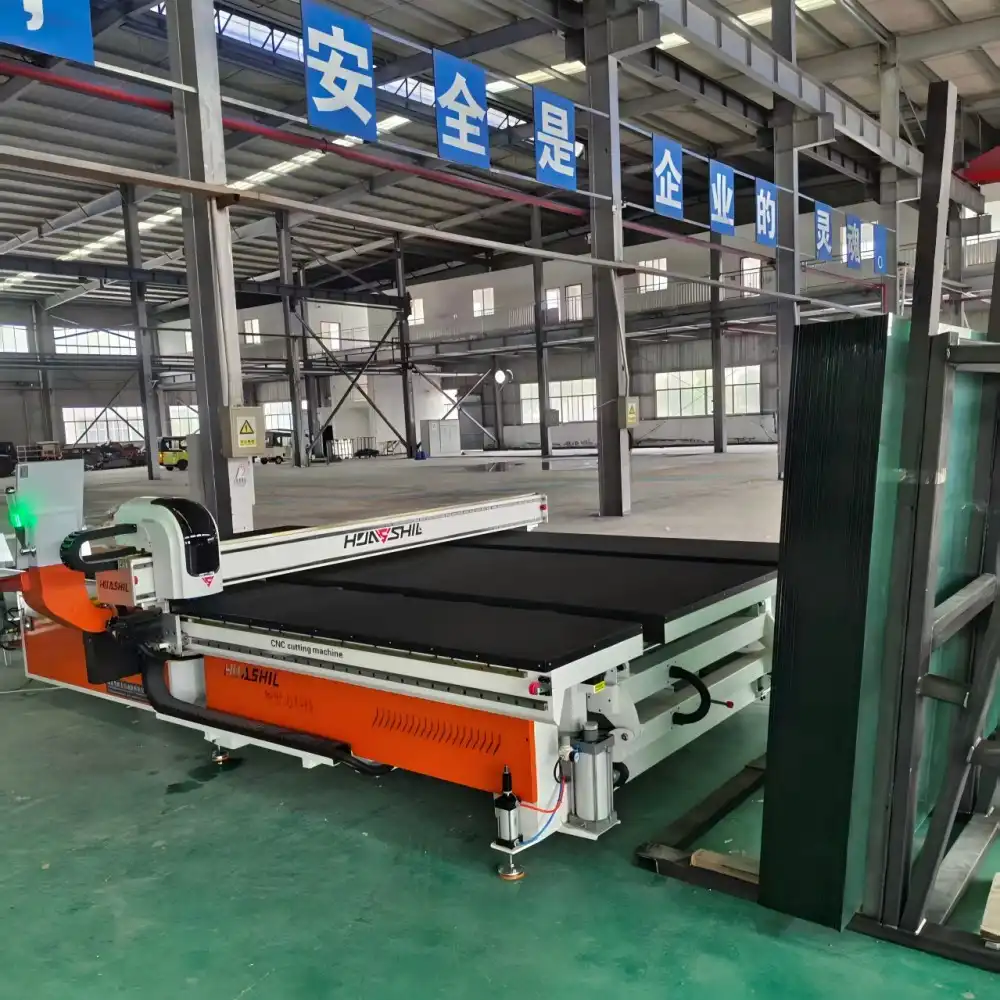
Clear specifications start strategic sourcing. Production supervisors should determine if cutting 100 meters per minute is enough or if greater speeds warrant premium equipment. The equipment footprint (4700×3100×840mm) impacts facility planning and material flow optimization. To facilitate informed decision-making, obtaining laminated glass edging machine quotes is a critical step. Digital transformation streamlines procurement. Engineering managers often use virtual factory tours and video demos to assess machines before site visits. This method shortens discovery from weeks to days, speeding technical evaluation and comparison.
Building Collaborative Supplier Partnerships
Procurement excellence comes from true partnership, not transactions. Customizable glass processing equipment, such as altering table heights within 820±50mm or tweaking photoelectric positioning systems, provides flexibility for individual production needs. Constant supplier evaluation ensures responsibility. Procurement teams may identify partners who perform beyond the purchase agreement by tracking commissioning success rates, warranty claim settlement timelines, and technical support responsiveness. Application-specific cutting guidelines for shower doors and divider systems benefit furniture glass producers.
Leveraging Technology to Drive Procurement Efficiency
Automation in current cutting laminated glass machines changes production costs. CNC interfaces that need less operator training reduce the skill barrier that hampers production. The photoelectric positioning system reduces human measuring mistakes, increasing yields. Advanced cutting machinery can handle 3800mm lengths and 300mm minimum dimensions with accuracy. This adaptability lets architectural glass facilities process multiple order profiles without separate machinery for different sizes. Operational flexibility lowers the production capability unit capital expense.
Real-Time Data and Performance Monitoring
Production insights from IoT-enabled machines guide capacity expansion buying decisions. Integrated monitoring systems give plant management cutting speed, cycle time, and maintenance notifications. This visibility lets data-driven judgments regarding when equipment improvements pay off vs when current assets fulfill demand. An industrial automation industry investigation shows that integrated procurement platforms reduce procurement cycle times by 23-31%. These transparent methods allow finance departments to approve capital expenditures with confidence since performance metrics support it.
Enhancing Supplier Relationships and Risk Management
Both parties must be transparent to preserve supplier relationships. Technical managers should discuss production environment details such as ambient temperatures, power supply, and material handling system integration. Professional suppliers with precise installation documentation and acceptance test methods limit commissioning risks. Risk management includes supplier diversification. Having a major equipment partner provides stability, while having qualified alternatives prevents supply interruptions. This worked well when pandemic-related industrial closures delayed automation equipment deliveries.
Joint Innovation and Technical Development
Progressive glassmakers work with suppliers to improve. Collaboration creates unique cutting profiles for ornamental glass applications for furniture producers. These alliances often give business benefits through proprietary processes. Operational priorities should guide performance metrics. Instead of just the purchase price, the total cost of ownership—installation, training, maintenance, and consumables over five years—reveals genuine value. Smart mirror glass manufacturers that used this analytical approach found that mid-tier equipment with good support outperformed premium machinery without technical help.
Pricing Structure and Investment Considerations
Understanding cost components helps procurement managers negotiate and budget precisely. Budget cutting laminated glass machines with manual feed and rudimentary positioning cost $25,000–$35,000. Smaller furniture workshops processing low quantities can use these devices without automation. Mid-range automated cutting tables with photoelectric positioning, standard glass thickness range, and nearly 100m/min cutting speeds cost $45,000–$75,000. Medium-sized architectural glass and shower door makers need consistent quality without manufacturing line integration.
Premium Equipment and Full Line Systems
Investments of $85,000–$120,000+ include high-capacity equipment with CNC controls, automated loading, and integrated quality inspection. Due to labor reductions and throughput benefits, curtain wall system integrators and big window fabrication operations with several shifts justify this expense. Cutting, edging, and packing automated manufacturing lines cost $200,000–$500,000. The three- to six-month procurement timelines of turnkey systems are due to extensive technical evaluation, site preparation coordination, and phased execution.
Here are the key investment aspects procurement teams must consider beyond initial purchase price:
- Installation and Commissioning Costs: Professional installation adds 8–12% to equipment cost. The foundation, electrical connections, pneumatic system integration, and first calibration are included. Using internal resources to cut costs typically causes performance and warranty difficulties.
- Operator Training Programs: Comprehensive training optimizes equipment capabilities for your crew. Suppliers should offer on-site operation, maintenance, and troubleshooting training. Allow 3-5 days per operator for training.
- Spare Parts Inventory: Keeping important parts in stock reduces downtime. Initial spare parts packages—cutting wheels, positioning sensors, and pneumatic components—cost 5-8% of machine cost but prevent production disruptions.
- Maintenance Agreements: Annual maintenance contracts cost $2,500–$8,000, depending on equipment complexity, and include preventative maintenance and priority technical assistance. Reduced unexpected downtime makes these agreements valuable for continuous production companies.
These factors turn procurement into a strategic investment. Production directors who consider the total cost of ownership outperform those who only consider the initial purchase price.
Payment Terms and Financing Options
International equipment acquisitions usually require 30% payment upon order confirmation and 70% before shipping. Both sides benefit from letter of credit arrangements, especially for first-time purchases from new suppliers. Options for financing affect cash flow management. Specialized industrial financing businesses provide equipment leasing plans to expand capacity without substantial capital investments. Finance executives considering ROI timeframes, like the monthly payment system that matches equipment expenses to income.
How HUASHIL Supports Your Procurement Success
HUASHIL manufactures glass processing equipment with decades of automation experience. Our cutting laminated glass machine solutions solve architectural glass fabricators' and curtain wall integrators' high-demand production problems. We've based our equipment on production needs. Standard cutting equipment can handle glass thickness from 3+3mm to 8+8mm with film layers from 0.38mm to 1.52mm, meeting furniture and smart mirror makers' needs. The small 4700×3100×840mm footprint adapts to current facility layouts without major modifications.
Technical Performance and Reliability
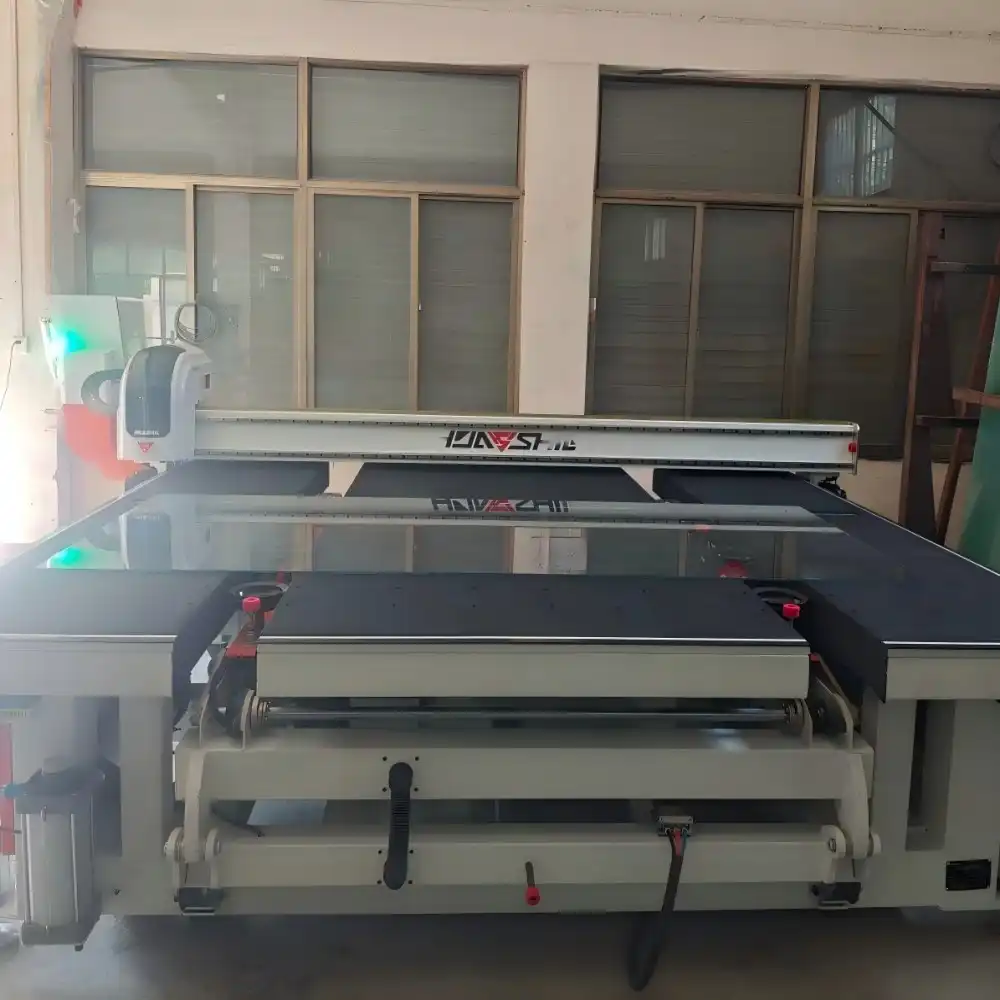
Photoelectric positioning avoids measuring errors that reduce cut precision. The technology delivers variety to production schedules by handling 3800mm lengths and 300mm widths with accuracy. A 100-meter-per-minute cutting speed combines quality and productivity. Our user-friendly CNC interface and this operational parameter allow operators to get consistent outcomes in hours rather than days of training. Engineering supervisors like how rapidly new hires produce.
Complete Support Throughout Ownership
Adjustable work table height (820±50mm) suits operator preferences and combines with various material handling equipment. Though small, this design consideration improves operator comfort and lowers ergonomic strain throughout long production shifts. Our dedication goes beyond equipment delivery. Installation teams optimise layout and workflow interaction with facility workers to commission properly. Operator training includes normal operation, routine maintenance, and typical troubleshooting. Having spare parts ensures manufacturing continuity. We stock crucial components and supply replacements quickly since equipment downtime impacts client commitments and income. Tech support personnel answer questions via numerous channels and offer advice. We provide OEM and ODM services to system integrators and specialty companies. Our engineering team creates unique dimensions, control interfaces, and production management system integrations.
Conclusion
The cost of cutting laminated glass machines must be weighed against their long-term worth. Understanding the total cost of ownership, analyzing supplier capabilities beyond price estimates, and choosing equipment that meets your production needs are key to procurement success. Pricing from $25,000 to $120,000+ represents major capability changes that should match your throughput, automation, and quality demands. Cutting speed, thickness range, and positioning precision affect productivity and product uniformity. Having dependable suppliers with quick technical assistance and easily available replacement parts preserves your investment and ensures production continuity throughout the equipment's lifespan.
FAQ
Q1: What factors most significantly affect cutting laminated glass machine pricing?
Price variance is greatest at the automation level. Manual feed systems are much cheaper than automated lines with integrated loading and unloading. Pricing also depends on cutting capabilities, including maximum size and thickness. Touchscreen control systems with production data logging cost more than simple operational controls. Finally, customization—modified dimensions, specialist tools, or system integration—increases prices according to engineering complexity.
Q2: How do I calculate the ROI on automated glass cutting equipment?
Compare manual cutting labor expenses vs automation savings. Reduce mistakes and material waste to boost yield. Use current demand and price to calculate throughput increases and revenue effect. Include maintenance and spare parts in annual operational costs. Architectural glass fabricators usually get ROI in 18–36 months when output surpasses 60% of equipment capacity. Smaller furniture makers may have longer payback times but better quality consistency.
Partner With HUASHIL as Your Cutting Laminated Glass Machine Supplier
HUASHIL offers reliable automation systems with affordable prices and technical support. Our cutting laminated glass machines are used in architectural, furniture, and decorative glass production. We understand your procurement issues and provide transparent specs, realistic delivery schedules, and prompt communication throughout the process. Talk to salescathy@sdhuashil.com about your needs, check our technical documentation, and see how our equipment fits your production goals. Huashil.com offers installation case studies, equipment specs, and client testimonials to prove our dedication to manufacturing success.
References
1. Glass Processing Automation Standards and Specifications, American Glass Association Technical Committee, 2023
2. Total Cost of Ownership Analysis for Industrial Cutting Equipment, Manufacturing Engineering Journal, Volume 48, Issue 3, 2023
3. Laminated Glass Production Technology and Equipment Selection Guidelines, International Glass Review, 2022
4. Industrial Procurement Best Practices for Capital Equipment Investments, B2B Manufacturing Insights, 2023
5. Automation Technology Impact on Glass Fabrication Productivity Metrics, Industrial Automation Research Institute, 2023
6. Risk Management Strategies in Global Manufacturing Equipment Procurement, Supply Chain Management Quarterly, Winter 2023.