




A cutting machine for stained glass windows is a precision instrument that demands consistent care to perform reliably. Whether you run an architectural glass fabrication plant or a decorative glass studio, keeping your equipment in top condition directly affects cut quality, output volume, and operational safety. This maintenance checklist covers everything from daily cleaning routines to long-term reliability strategies, helping plant managers, engineers, and procurement teams protect their capital investment and maintain uninterrupted production cycles.
Understanding Stained Glass Cutting Machines and Their Maintenance Needs
What Makes These Machines Complex
Cutting wheels, pressure sensors, servo motors, control software, and conveying systems are all part of modern glass cutting equipment that works together as a single automated system. Each part is necessary to make clean, accurate scores on glass panels that are used for everything from art pieces to big building surfaces. Any one part that isn't meeting standards hurts the whole production. A study from 2021 by the Glass Processing Equipment Market says that unexpected equipment downtime is the cause of up to 23% of production losses in glass fabrication plants.
Maintenance isn't just about keeping things from breaking down. It's about keeping the correctness of the measurements, keeping the workers safe, and lowering the total cost of ownership over the life of the machine. In business-to-business settings, where deadlines are tight and customer requirements are strict, missing a lubrication cycle or a sensor that isn't calibrated can directly lead to batches being rejected and shipments being held up.
Stained Glass Cutting Machine Maintenance Checklist: Core Dimensions
Daily Maintenance Tasks
Small problems don't turn into expensive fixes if you take care of them every day. The following are the main jobs that every operator of a cutting machine for stained glass windows should do every day before and after each shift:
- Clean all cutting surfaces by removing glass dust, oil residue, and debris from the cutting bridge, rail guides, and conveying belt. Glass particles accelerate wear on moving parts.
- Inspect the cutting wheel or blade for visible chips, flat spots, or uneven wear patterns. A degraded cutting wheel produces inconsistent score lines that cause breakage during separation.
- Check lubrication levels on linear guides, ball screws, and gear racks. Apply manufacturer-approved lubricant to all specified contact points to minimize friction and heat buildup.
- Verify the air flotation system is functioning correctly. Blocked air holes reduce glass mobility on the table surface and can cause micro-scratches on panel undersides.
These daily checks, which take less than 15 minutes, will significantly increase the useful life of your tools and stop the kind of wear that builds up over weeks without being noticed.
Weekly and Monthly Calibration Procedures
In addition to daily maintenance, routine tuning keeps your machine working within the limits of how it was meant to. As part of your weekly chores, you should check the alignment of the cutting heads, check the tightness of the synchronous belts, and look over the error logs from the control system. As part of the breaking table mechanism's monthly maintenance, software diagnostics, sensor recalibration, and a full check to make sure it engages with consistent force should all be done.
Make sure that material layout methods are producing the expected return rates for automated machines that use optimization software like Optima. Software output changes can sometimes be caused by sensor drift instead of a problem with the programming.
Troubleshooting Common Problems in Stained Glass Cutting Machines
Uneven Cuts and Score Line Inconsistencies
One of the most common issues in glass cutting shops is score lines that aren't straight. A worn cutting wheel, not enough cutting oil, or inconsistent cutting pressure are often to blame. As a rule, this is caused by a pressure monitor that has become out of tune rather than a mechanical problem on automatic machines that use pressure control systems.
Most of these problems can be fixed by recalibrating the pressure control module and getting a new cutting wheel. If the problem still happens after those steps, check the rail guides for buildup of dirt or uneven wear along the path of movement.
Motor Overheating and Drive Errors
When conveying belts aren't lined up right or when cutting resistance goes up because of poor lubrication, the motor usually gets too hot. Drive error codes on the control panel generally mean that there is a problem with the encoder input or the servo drive parameters moving around. Take care of these right away. Ignoring temperature signs could cause lasting damage to the motor, which would cost a lot to fix and take a long time to fix.
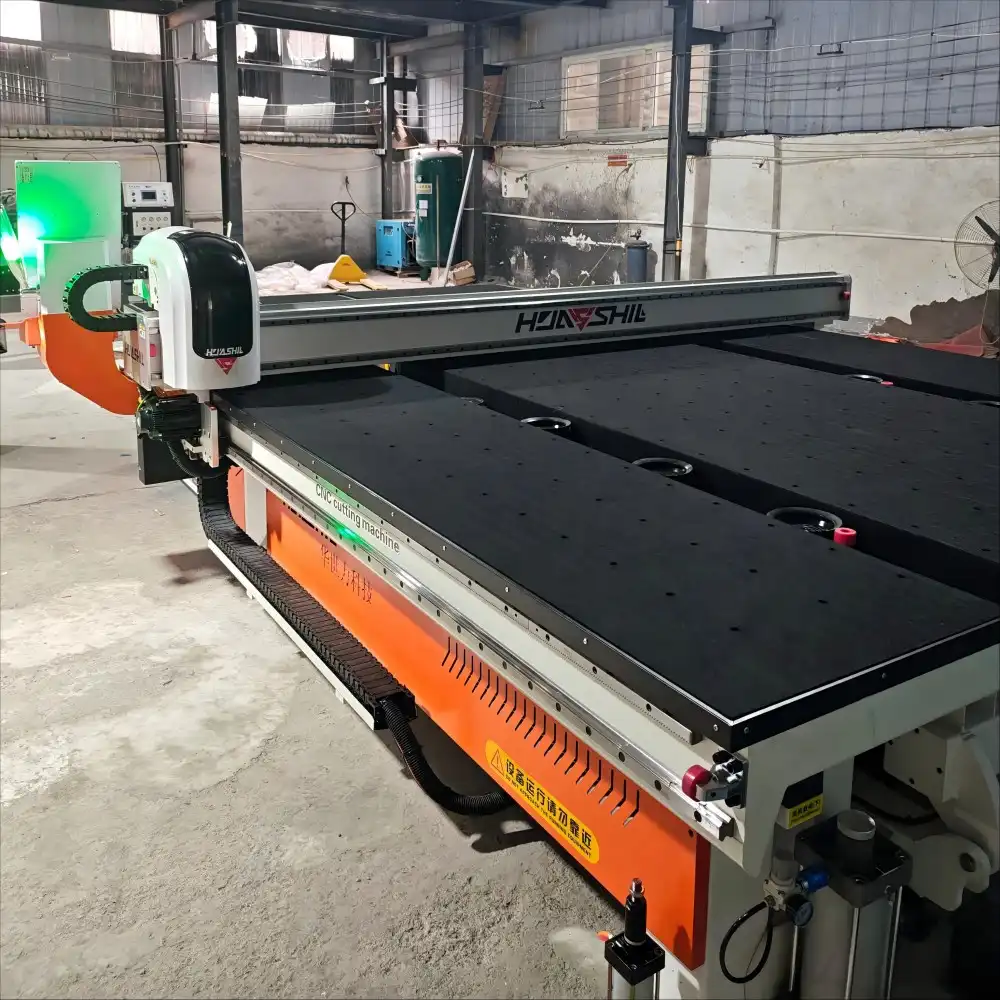
Comparing Manual vs. Automatic Stained Glass Cutting Machine Maintenance
Where Maintenance Requirements Diverge
Manual glass cutters depend a lot on how well the person does their job and how much the cutting wheel wears down. Their upkeep schedule is simple, but they need to be carefully watched every day because mistakes add up quickly without automatic correction. Operators need to learn how to keep their hand pressure and cutting speed constant, and wheels need to be replaced more often than machine-driven wheels.
When it comes to maintenance, a cutting machine for stained glass windows that is automatic and electronic is different. These systems have motor drives, edge-finding sensors, robotic lifting arms, and software that is built in. The software needs to be updated and checked for problems on a regular basis. The cost of maintenance is higher because the systems are more complicated, but the benefits can be seen: automated systems consistently do better than manual setups in terms of repeatability, waste reduction, and output per hour of labor.
When business-to-business buyers look at the total cost of ownership of a piece of equipment, the higher level of complexity in maintaining automated equipment is balanced out by lower scrap rates and less reliance on labor. A well-kept automatic line can cut glass panels to exact measurements that can't be reached by hand on a large scale.
Best Practices for Long-Term Machine Reliability
Building a Preventive Maintenance Culture
It's not by chance that something is reliable. It needs a written maintenance schedule that is tied to the amount of production, a trained maintenance team, and a real dedication to using parts made by the original manufacturer. Digital maintenance logs, like those in a CMMS platform or an organized spreadsheet, make people responsible and make it easier to spot trends of failure before they get worse.
Training is just as important. When maintenance workers know about both the hardware and software sides of their tools, they can act more quickly to problems and do better diagnostics. Setting up refresher classes every three months to coincide with maker service bulletins keeps skills up to date and lowers the chance of wrong servicing.
When a machine needs to be fixed more than twice every three months or can't keep its dimensions, it's time to see if newer technology, like laser scoring or fully integrated CNC cutting lines, would give you a better return on your investment.
Conclusion
Taking care of a cutting machine for stained glass windows on a regular basis improves the quality of the cuts, makes the machine last longer, and makes sure that production is consistent. A good upkeep program is built around daily cleaning, regular calibration, and fixing problems before they happen. The rules are the same whether you use fully automated lines or cutters that you operate by hand: inspect everything often, write everything down, and act on early warning signs before they turn into costly failures. You can protect both your tools and your bottom line by establishing a good maintenance mindset.
FAQ
1. How often should I service a stained glass cutting machine?
Every shift should have daily reviews that include cleaning, lubrication, and eye checks. Every week, calibration and alignment checks should be done. A full service review, which includes software diagnostics, sensor recalibration, and mechanical checks, should be done once a month or every three months, based on the amount of production.
2. Can my team handle maintenance internally?
Routine jobs like cleaning, lubricating, replacing blades, and simple calibration can be done by staff who are trained to do them. For safety reasons and to keep the warranty valid, repairs that involve servo drives, control boards, or structural alignment are usually only done by certified technicians.
3. What safety measures are essential during maintenance?
To do a mechanical inspection, you should always turn off the power and disconnect the machine. When working with glass or tools, operators should always wear gloves that won't cut and safety glasses. Before starting up production again after a service process, make sure that the emergency stop systems work.
4. What causes premature cutting wheel wear?
Too little cutting oil, too much pressure, and dirt on the glass surface are the main reasons. Reviewing the pressure settings and making sure that the cutting head always delivers oil should stop premature wear.
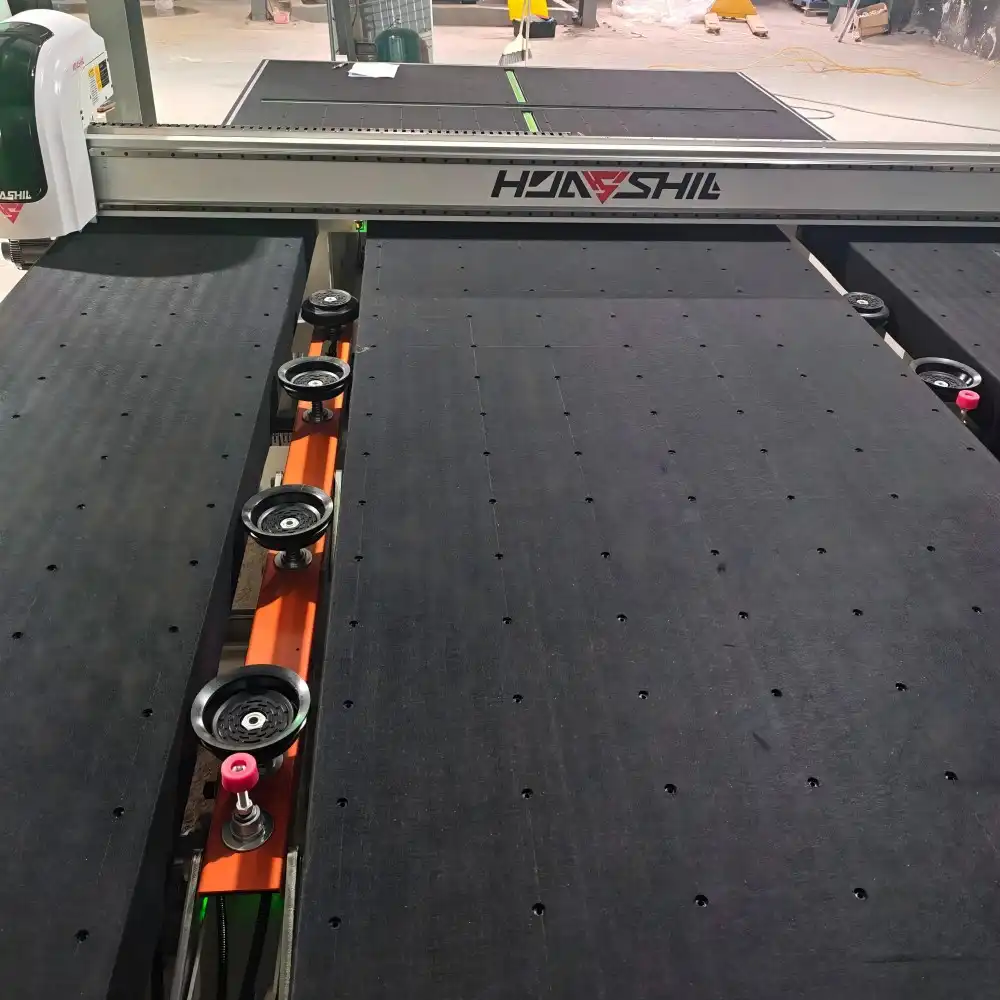
Upgrade Your Glass Cutting Operations with HUASHIL
The HSL-YTJ3829 automatic glass cutting machine from HUASHIL is designed for production areas with a lot of work to do. It cuts glass panels up to 3660 x 2800 mm and widths from 2mm to 19mm. It automatically loads, controls pressure, finds edges, has an air float table, a built-in breaking table, and can be controlled from a 360-degree remote. It has been certified to CE and ISO9001 standards and is powered by Optima optimization software. Even a cutting machine for stained glass windows can benefit from this level of consistent accuracy with little help from the operator. To get a price from a reliable company that makes cutting machines for stained glass windows, email salescathy@sdhuashil.com.
References
1. Glass Processing Equipment Market Report – Grand View Research, 2021.
2. Preventive Maintenance Strategies for Industrial Cutting Equipment – Plant Engineering Magazine, 2020.
3. Glass Cutting Technology: Advances in Automation and Precision – Glass International, 2022.
4. Total Cost of Ownership in Glass Fabrication Machinery – International Journal of Industrial Engineering, 2019.
5. Safety Standards for Glass Processing Equipment – OSHA Technical Manual, U.S. Department of Labor, 2018.
6. Optimization Software Applications in Flat Glass Manufacturing – Glass Worldwide, 2023.