




Keeping your glass cutting equipment in peak condition is not optional — it is a business imperative. A fast speed glass cutting machine operates under continuous mechanical and thermal stress, processing glass sheets ranging from 2 mm to 19 mm thick across demanding production cycles. Without a structured maintenance routine, precision degrades, throughput drops, and unplanned repairs erode your margins. This checklist is designed for plant managers, engineers, and procurement teams in architectural glass fabrication, curtain wall production, furniture manufacturing, and sintered stone processing who want to protect their equipment investment and maintain consistent output quality.
Understanding Why Maintenance Matters for High-Speed Glass Cutting Equipment
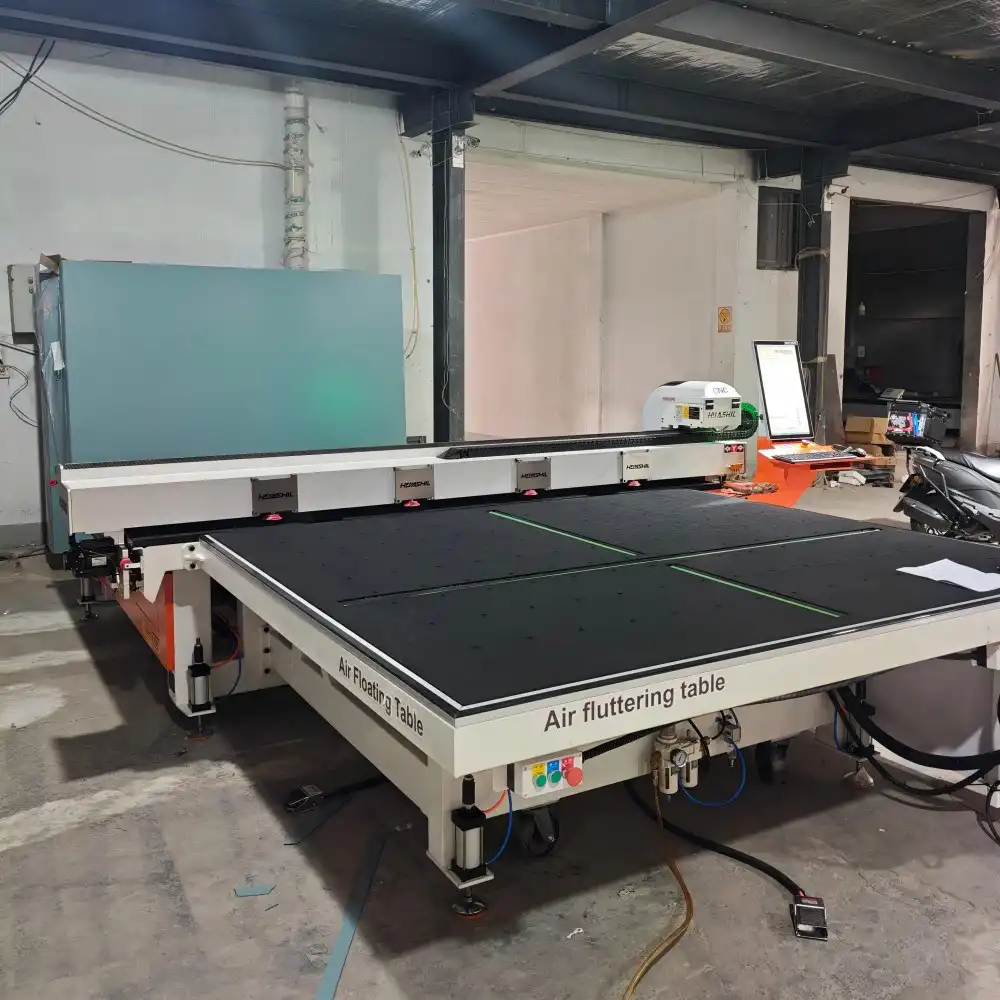
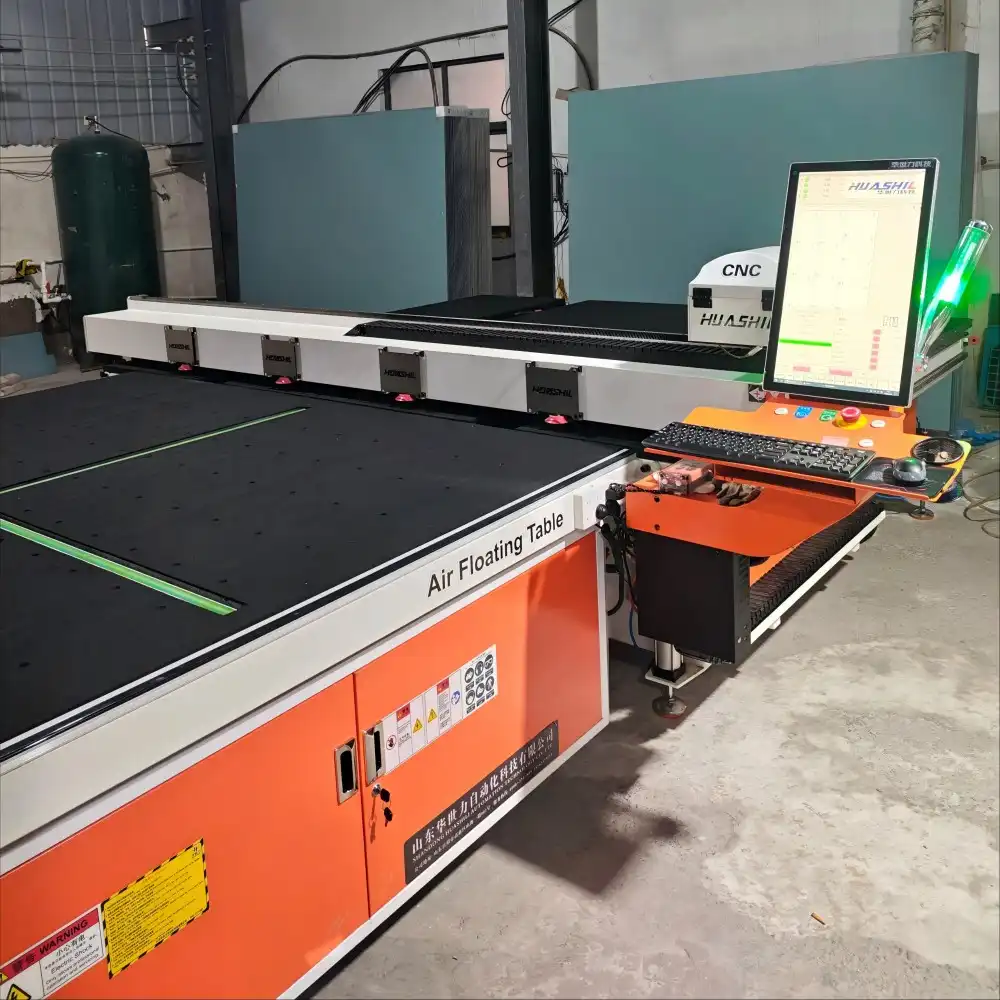
Precision tools include industrial glass cutting machines. The HUASHIL HSL-YTJ3826 can handle glass panels up to 3,660 × 2,440 mm using synchronized belt conveying, an air flotation system, and automatic pressure control. The Optima optimization software makes sure that everything works together perfectly. Every part of the system works with the others. Cutting precision is affected by a rail that isn't well oiled. Cutting fluid that is dirty shortens the life of the blade. Material waste happens when the edge-finding sensor is not lined up correctly.
What Happens Without Regular Upkeep
When it comes to manufacturing reliability, studies show that unplanned downtime costs two to five times more than planned maintenance. When processing glass, a single line stoppage during peak order completion can cause packages to be late, hurt relationships with clients, and waste expensive raw materials. Taking care of risks is what maintenance is, not spending money on it.
How Equipment Complexity Affects Maintenance Scope
The HSL-YTJ3826 has a breaking table, automatic loading, and electrical systems that are CE/ISO9001-certified. It can also walk in any direction with a remote control. With this much automation, you need to take a structured approach. You can't take care of a new automatic cutting line the same way you used to take care of old manual tools.
A Practical Maintenance Checklist for Glass Auto Cutting Machines
A good checklist turns vague maintenance goals into specific actions that can be tracked. Here is a tiered plan that is set up by how often it happens. Every time period checks a different part of the health of your fast speed glass cutting machine.
Checks Every Day—Before and After Every Shift
A visual and functional check at the start of the day takes less than fifteen minutes and stops most mistakes that could have been avoided. Here are the most important things that everyone on your team should do every day:
- Wipe down the conveying belt surface and air flotation table to remove glass debris, cutting fluid residue, and dust that accumulate during production.
- Listen for abnormal vibrations or rattling sounds during the startup cycle, which often indicate loose fasteners or worn guide rollers.
- Verify that the cutting head pressure is responding correctly to the automatic pressure control system before the first sheet is loaded.
- Check cutting fluid levels and confirm the fluid distribution nozzles are unobstructed and delivering consistent flow to the blade contact zone.
- Inspect the synchronous belt tension visually — slack or frayed belts cause glass slippage and misalignment that directly compromise cut accuracy.
A culture of long-term maintenance is built on these daily habits. Teams that don't do them regularly report higher costs for consumables and more emergency fixes.
Inspections every week—System Integrity Review
Maintenance done once a week is more than just cleaning the outside. To do this, your engineering team should compare a reference panel to the automatic edge-finding sensor and make sure that the Optima software is logging cut plans correctly. The air flotation system nozzles need to be cleaned thoroughly because clogged nozzles make the support for the glass uneven, which impacts the depth of scoring and the quality of the break. Use the manufacturer-recommended grease to grease all linear guide rails and ball screws, not a generic one.
Deep Maintenance Every Month and Every Three Months
Every month, use the Optima system to do a full diagnostic run to look over cut optimization data and find waste trends that keep happening. Every three months, the machine's full 5,550 × 4,925 mm footprint should be checked for mechanical alignment. All electrical connections in the CE-certified control cabinet should also be inspected, and any consumable parts that are getting close to the end of their useful life should be replaced. For warranty tracking, keep a log of all the parts you use with dates and part numbers.
At the monthly level, conduct a full diagnostic run using the Optima system to review cut optimization data and identify recurring waste patterns. Quarterly maintenance should include a mechanical alignment check across the full 5,550 × 4,925 mm machine footprint, inspection of all electrical connections within the CE-certified control cabinet, and replacement of any consumable parts approaching their rated service life. Keep a component log with dates and part numbers for warranty traceability.
Troubleshooting Common Operational Issues
Even well-kept tools can have problems with how a fast speed glass cutting machine works. If you notice the sign early and act on it properly, you can keep small problems from turning into expensive fixes.
Reduced Cutting Precision or Score Consistency
This is the problem that glass factories describe happening most often. One of three things is generally to blame: a worn-out cutting wheel, not enough cutting fluid, or an edge-finding monitor that isn't lined up right. Start by changing the cutting wheel with a part that fits the OEM. Check the sensor calibration process again in the software panel if the accuracy doesn't return.
Overheating in the Drive or Control Cabinet
Overheating is usually caused by electrical cabinet ventilation filters that are blocked or a cooling fan that is not running at full speed. The HSL-YTJ3826's CE-compliant electrical enclosure has thermal protection, but it's always better to be safe than sorry. Maintenance should be done every three months to clean the cabinet filters and make sure the fans are working.
Abnormal Vibration During High-Speed Travel
If the cutting bridge shakes a lot at full traverse speed, check the linear guide carriages for damage or wear. The 360-degree walking function on the remote control lets workers try movement across all axes without having to stand in the way of the machine. This feature can be used safely during diagnostics to find the source of the vibration.
Best Practices for Long-Term Maintenance Efficiency
Building systems, not just finishing tasks, is what makes maintenance more sustainable and efficient. A maintenance plan that is written down, put where it can be seen in the production area, and kept track of digitally makes it less likely that intervals will be skipped when things are busy.
Training for operators is just as important. Technicians who know how the air flotation system works, how automatic loading sequences work, and what synchronous belt tensioning is for can make better decisions in real time. They also keep better records of oddities, which helps with finding the root cause of problems when they happen.
Integrating safety protocols should never be seen as a compliance box that needs to be checked off. Before looking at the cutting head, conveying belt, or breaking table with your own eyes, you must follow lockout-tagout procedures. Protective gear like cut-resistant gloves, safety glasses, and steel-toed shoes must be worn when working near glass edges or electrical parts.
Choosing Reliable Partners for Maintenance Support
The infrastructure that supports an automatic cutting line is very important to how well it works in the long run. Over the course of five to ten years, the total cost of ownership of your tools will depend on things like genuine replacement parts, quick expert support, and access to software updates.
Shandong Huashil Automation Technology Co., Ltd. is a high-tech company that has been making and exporting automated glass processing equipment for a long time. There are clear warranty terms, spare parts availability, and technical support channels that HUASHIL offers that meet the needs of architectural glass plants, curtain wall integrators, and furniture glass producers in the US market.
When you work with a well-known company that makes fast-speed glass cutting machines, you get maintenance instructions written in the right specification language, access to Optima software updates, and engineering support that knows exactly how your machine is set up, not just a rough idea.
Conclusion
One of the best investments a glass fabrication company can make is in a regular repair schedule. This structured checklist, which includes daily cleaning, weekly calibration, monthly diagnostics, and quarterly deep servicing, will help your team maintain the accuracy of the cuts, extend the life of the machine, and reduce unplanned downtime. The HSL-YTJ3826 and other similar fast speed glass cutting machines are built to last and be automated, but how well they work over time depends on how well they are taken care of. Put the same amount of money into maintenance routines that you do into meeting output goals.
FAQ
1. How often should I perform full maintenance on a glass cutting machine?
Every shift should do daily checks. Calibration and lubrication are part of weekly inspections. Diagnostics, adjustment, and preventative part replacement are done on a monthly and yearly basis. The exact time relies on how much you make and how long your shifts are, but skipping any tier increases the risk over time.
2. Can regular maintenance improve cutting precision?
Precision is directly affected by regular maintenance. Uneven scoring can be caused by worn-out cutting wheels, sensors that aren't lined up right, and cutting fluid that has gone bad. Keeping your cut quality within specs by replacing consumables on time and recalibrating edge-finding systems lowers the amount of material that breaks and is wasted.
3. What are the warning signs that need immediate professional attention?
Get help from a technician right away if you see sparks coming from the electrical cabinet, the automatic pressure control system acting erratically, glass sheets moving around on the conveyor belt while being scored, or error codes in the Optima software that don't go away after restarting the system. These signs show problems that regular maintenance at the operator level can't safely fix.
4. Does the machine need software updates as part of maintenance?
Yes. The software for optimizing Optima should always be up to date. As part of software updates, cutting plans are often made more efficient, bugs are fixed, and new glass thickness profiles are made compatible. For new release notes, talk to the company that sold you the tools.
Connect With HUASHIL for Expert Glass Cutting Machine Support
Fabricators all over the US market trust HUASHIL's custom-built glass cutting options. Our HSL-YTJ3826 fast speed glass cutting machine for sale comes with CE and ISO9001 certification, advanced automation, and software integration for Optima. It also comes with dedicated help after the sale. Our team is ready to help you with anything from technical advice to help with spare parts to a custom proposal for a production line. Let's talk. Email us at salescathy@sdhuashil.com.
References
1. Maintenance Engineering Handbook — McGraw-Hill, 2014
2. Reliability-Centered Maintenance — Society of Automotive Engineers, 2001
3. Glass Processing Technology: Principles and Applications — Springer, 2018
4. Total Productive Maintenance: Strategies and Implementation Guide — CRC Press, 2011
5. ISO 9001:2015 Quality Management Systems — Requirements — International Organization for Standardization, 2015
6. Automation in Manufacturing: Systems and Integration — Industrial Press, 2019