




With a glass CNC cut out machine, it is not only possible to achieve 0.1mm accuracy, but it has also become the standard for makers who care about quality. This level of accuracy has a direct effect on the regularity of production, the use of materials, and the quality of the finished product in areas like architecture, cars, and furniture. To keep this tight accuracy over long production runs, modern CNC glass cutting systems use advanced servo motors, precise guide rails, and smart software. The HUASHIL HSL-YTJ3826 is a great example of this ability. It combines automatic pressure control with edge-finding technology to give repeated accuracy that meets the strict needs of today's glass processing market.
Understanding Glass CNC Cut Out Machine Accuracy
What ±0.1mm Tolerance Means in Industrial Glass Processing
When we talk about ±0.1mm tolerance in automated glass cutting, we mean a range of error of only 0.1mm from the planned cutting line. To give you an idea of how thick this is, a normal sheet of paper is about 0.1mm thick. This precise level tells us if glass panels fit perfectly into curtain wall frames, if car windshields meet safety standards, or if the edges of artistic glass in high-end furniture installations line up perfectly. Production facilities that work with large-format building glass, like the HSL-YTJ3826's maximum 3660x2440mm capacity, rely on this accuracy to avoid wasteful work and expensive repairs.
Key Factors Influencing Cutting Precision
CNC tools for cutting glass are accurate because many mechanical and software parts work together in sync. The strong structure of the machine frame keeps it from shaking when cutting at high speeds. Millions of operating cycles later, the X, Y, and Z axes still move in the same way thanks to precision ball screws and linear guides. Thermal stability is very important because changes in temperature can make metal parts expand or contract, which can affect how accurately they fit together.
When you add optimization software like Optima, it changes the basic cutting directions into more accurate toolpaths that take into account the properties of the glass, tool wear, and dynamic forces. Automatic pressure control systems change the cutting force based on the width of the material, so the edges are always smooth and not microcrack, even when working with 2 mm display glass or 19 mm building panels. When moving things around, air flotation devices get rid of friction, which stops positional changes that hurt precision. All of these technical features work together to keep the accuracy at ±0.1mm in a wide range of production situations.
Measurement Methods and Verification Protocols
Production sites use systematic measurement procedures and calibrated tools to make sure that the cuts are accurate. Coordinate measuring tools (CMMs) check the dimensions of cuts in three directions against the CAD data. Optical comparators show cut edges with enlarged features that show differences that can't be seen with the naked eye. Laser micrometers can measure thin or covered glass surfaces without touching them.
Quality assurance teams usually check for accuracy when the production line starts up, when tools are changed, and at set times during long runs. Traceability records are needed for ISO 9001 compliance and customer checks, and these data must be written down. When production managers look at measurement data, they can find patterns that show when preventive repair should be done. This keeps the accuracy working well over the long term.
Types and Technologies of Glass CNC Cut Out Machines
CNC Router Systems for Glass Processing
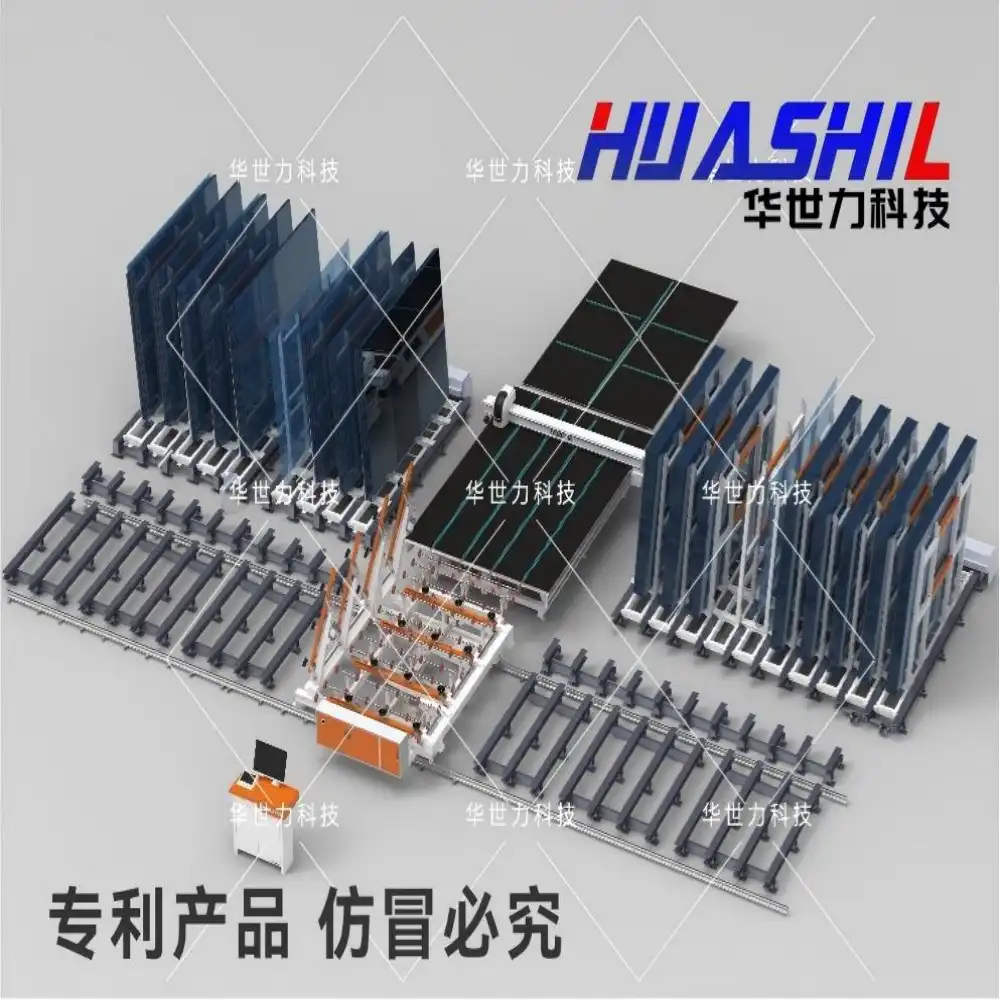
CNC cutters that have been adapted to work with glass use diamond-coated cutting tools that spin at controlled speeds to score and separate the glass. These glass cnc cut out machines are excellent for creating complex holes, cutouts, and edge shapes in glass sizes ranging from thin 2mm sheets to thick 19mm architectural panels. After the mechanical scoring action, the edges are smooth and ready to be installed immediately or polished later.
Modern router-based systems have automatic loading features that cut down on human work and boost speed. The breaking table built into machines like the HSL-YTJ3826 lets workers finish the separate process right after scoring. This speeds up the process and makes sure that the machine stays in the right place from cutting to breaking.
Technological Advances Enabling ±0.1mm Accuracy
Glass CNC cutting used to be done by hand a lot, but new technologies have made it possible for production lines to be fully automatic. Positional control is accurate to micrometers thanks to high-resolution servo motors and encoder input. This makes it possible to translate design purpose into physical reality with great accuracy. Advanced CNC software can handle complicated shapes and automatically create the best cutting sequences that reduce stress concentrations and material waste.
The automatic edge-finding technology is a big step forward in terms of accuracy in real life. The machine finds the exact position of the glass sheet on the work area before it starts to cut. It does this to make up for any differences from the theoretical loading position. This gets rid of the main reason why positional errors happen in systems that are loaded by hand. The 360-degree remote control feature lets workers check on and change the machine's settings without stopping production. This keeps things the same between shifts and batches of production.
Comparative Analysis for Procurement Decisions
When looking at glass cutting devices, production leaders have to weigh the need for accuracy against the need for speed and the budget. Router-based systems are a good way for sites that handle a variety of job orders and don't need to make a lot of things to save money. These tools can adapt to changing market needs because they can work with different kinds of glass, from clear float glass to low-E coated architectural goods.
Return on investment is directly affected by capacity issues. Standard architectural glass sheets can be processed without being pre-cut on machines that can handle glass sheets up to 3660mm x 2440mm in size. This cuts down on the steps needed to handle the materials and keeps the accuracy of the production sequence. The CE certification makes sure that the product meets European safety standards, and the ISO 9001 certification shows that the product is managed with systematic quality throughout the whole production process.
Maintenance and Troubleshooting for Sustained ±0.1mm Accuracy
Preventive Maintenance Best Practices
To keep the accuracy of the cutting over many years of use, strict upkeep procedures must be followed regularly by trained staff. Cleaning the guide rails and work areas every day gets rid of glass bits and coolant residue, which stops abrasive buildup that leads to premature wear. Lubricating moving parts once a week keeps them moving smoothly and prevents the friction-induced heat that weakens the stability of the dimensions.
Every month, calibration checks make sure that the positional precision stays within the acceptable range. Precision gauge blocks are used by technicians to make sure that the machine moves the exact distance that was set along each line. Inspection of the cutting tool finds wear patterns that mean the tool needs to be rotated or replaced before the quality of the edge starts to decline. To keep the pressure level even across the work area, air flotation devices need to have their filters changed every so often.
Every year, trained techs do a full service check that includes a close look at the structure, electrical systems, and software integrity. These planned maintenance tasks keep equipment from breaking down when it's least expected and increase its useful life, protecting the initial investment while keeping the accuracy that led to the purchase choice.
Common Accuracy Issues and Solutions
Even tools that are well taken care of sometimes have accuracy issues that need to be fixed in a planned way. Loss of accuracy over time in all directions is usually a sign of worn ball screws or loose mechanical connections. Technicians carefully check the drive parts, making sure there is no backlash and that the fixing nuts keep the right pressure levels.
Problems with accuracy that are limited to certain parts of the work surface suggest that the air float system isn't getting enough support or is dirty. Cleaning the air holes and checking the blower's performance usually fixes these small problems. Software errors in accuracy can be caused by wrong tool shift settings or old optimization parameters. Reviewing and recalibrating these settings in the Optima software interface gets things working right again.
Systematic recording of fixing tasks builds institutional knowledge, which helps maintenance teams quickly fix problems that keep happening. This organizational discipline maintains the accuracy that customers rely on and keeps production interruptions to a minimum.
Choosing the Right Glass CNC Cut Out Machine with ±0.1mm Accuracy
Defining Your Production Requirements
Choosing the right technology for glass cutting starts with an honest look at where production is currently slowing down and where it will need to be in the future. Plant managers should be able to give exact numbers for daily output needs, normal job difficulty, and material thickness range. Facilities that mostly work with standard building glass sizes benefit from machines with large work envelopes, like the 3660x2440mm one, because they get rid of the need for handling steps in between that can cause positioning mistakes.
The production mix is equally important. Businesses that process high volumes of repetitive orders often prioritize throughput and automation features such as automatic loading systems. In contrast, job shops that manage diverse custom projects value fast program changes and operational flexibility. Whether your facility requires a standalone cutting solution or a system that integrates with automated edging and washing lines will influence both machine selection and system configuration. Working closely with experienced CNC glass cutting machine suppliers can help manufacturers identify the most suitable equipment based on their production goals and workflow requirements.
Critical Evaluation Criteria
Long-term happiness with glass-cutting tools depends on more than just how accurate they are. Accuracy that lasts for years of production is directly related to the quality of the machine's construction, which can be seen in how strong the frame is and which parts are used. Analyzing the automation features helps figure out how much work is saved and how much output is increased, which is needed to figure out the return on investment.
The features of the software should be carefully looked at. The HSL-YTJ3826 has optimization tools like Optima that automatically set up cutting patterns to get the most material out of them. This cuts the cost of raw materials by a few percentage points. Compatibility with current network infrastructure and CAD tools affects how long it takes to install and how much training is needed. Intuitive human-machine connections cut down on the time needed to train operators and the number of mistakes that happen during programming, which affects accuracy.
Total cost of ownership is affected by after-sales support systems in a big way. Suppliers who offer quick technical support, extra parts that are easy to find, and thorough training programs keep production high and downtime to a minimum. CE and ISO 9001 approvals show that safety rules and quality control systems are followed by a third party, which lowers the risk of buying something.
Procurement Strategies and ROI Considerations
When engineering managers are thinking about buying capital equipment, they should make a full total cost of ownership models that cover the expected lifetime of the equipment. In addition to the buy price, these figures take into account the costs of installation, operator training, maintenance, and the expected rise in output. When facilities replace hand-cutting methods, they usually get their money back in 18 to 24 months by saving money on labor and better using materials.
Choices of financing affect cash flow and the time it takes to get a project approved. Direct buy has the lowest total cost, but it needs a lot of money up front. Leasing equipment helps you keep your operating capital and keep your monthly costs fixed. For full production line setups, some providers offer custom payment plans that are in line with project goals. During the initial talks, procurement experts should arrange warranty terms, spare parts prices, and technical support deals. This will ensure long-term practical support.
Materials Compatibility and Application Case Studies
Glass Types and Cutting Considerations
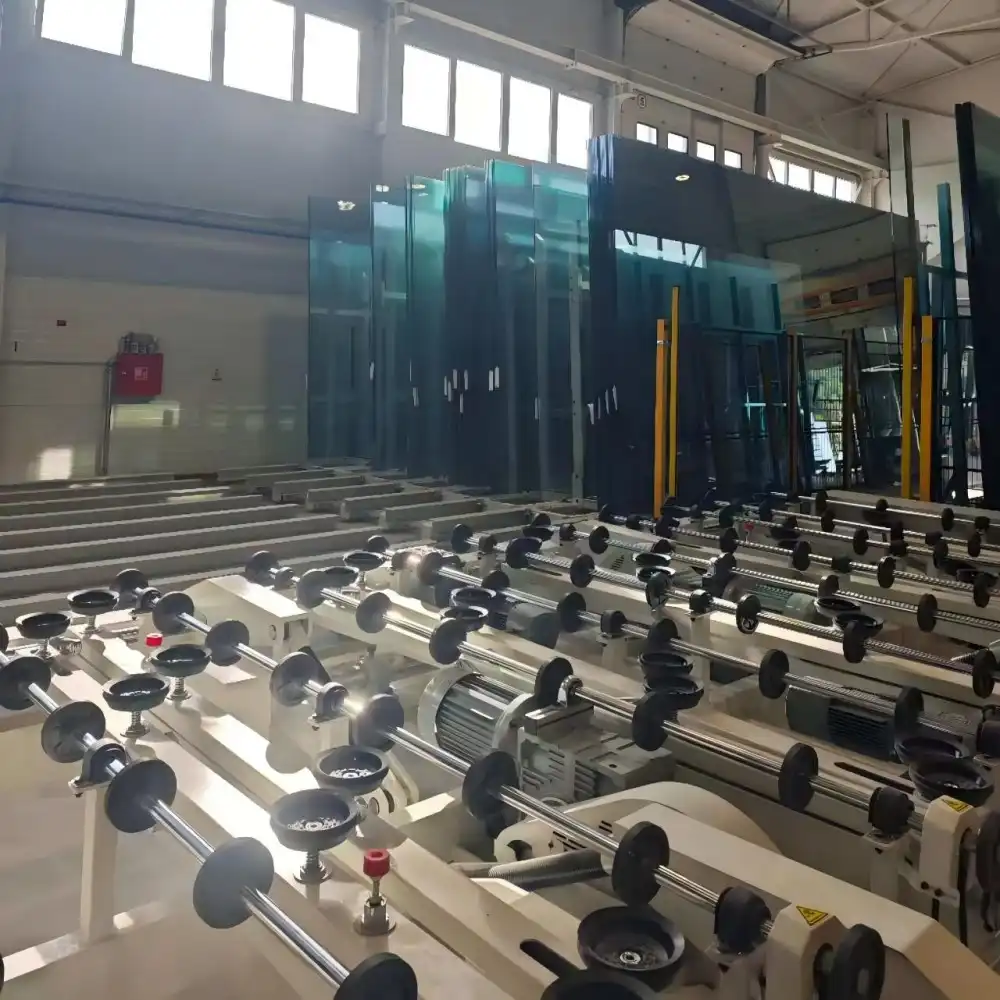
Modern CNC cutting systems can work with different types of glass, and each one has its own handling and cutting properties. Clear float glass is the standard for cutting, and it responds regularly to the best cutting conditions. Because tempered glass can't be cut after being heated, it needs to be cut carefully before it is tempered. Cutting things with laminated glass layers is harder, and you often need special tools to get the layers to separate cleanly without delamination.
To keep the coating from getting damaged during processing, low-E treated ornamental glass needs to be carefully controlled under pressure. Modern machines have an automatic pressure control system that changes the cutting force based on feedback from the material. This keeps the layer intact and the quality of the edge the same. When switching from 2 mm artistic glass to 19 mm structural glazing, a lot of changes need to be made to the cutting parameters. Optima software automates this process perfectly with material-specific cutting libraries.
Real-World Precision Applications
Architectural window companies that sell curtain wall systems need accuracy of ±0.1mm to make sure that the glass panels they use fit perfectly into the designed frame systems. A recent business tower project needed 1,200 panels that were cut to specific sizes and had complicated holes for attaching them to the structure. Automated CNC cutting made sure that the measurements were always correct throughout the whole production run. This got rid of the delays that often happen during large-scale glass setups during field adjustments.
When it comes to safety, safety rules require even tighter tolerances for companies that make glass for cars. Automated systems that keep an accuracy of ±0.1mm are needed to make sure that windshields fit correctly, seal properly, and have good viewing quality. These systems are used in operations that cut hundreds of units every day. Automatic edge finding and optimized cutting lines work together to allow lights-out output, which makes the best use of all the equipment.
Precision cutting is important to furniture makers who make glass tabletops and shelf components because it ensures a consistent look. The visible edges must line up perfectly, and the fastening holes must line up perfectly with the frame holes. CNC automation gets rid of the differences in size that come with human processes. This cuts down on assembly time and customer complaints while letting you charge more for better quality.
Conclusion
Precision mechanical parts, smart software controls, and strict operating procedures must all work together to achieve and keep 0.1mm accuracy with glass CNC cut out machines. Modern systems like the HSL-YTJ3826 show that this level of efficiency is easily doable with careful engineering and automation. When factories invest in precision cutting technology, they gain a competitive edge by wasting less material, making their products more consistent, and being able to make more. Automatic loading, pressure control, edge finding, and optimization software turn glass processing from a skill that is done by hand into an industrial process that can be repeated and scaled up. To choose the right equipment, you need to carefully consider your production needs, carefully consider what the machine can do, and form a relationship with suppliers who offer full expert support.
Frequently Asked Questions
1. How do I maintain ±0.1mm accuracy over extended production periods?
To keep accuracy, you need to do routine preventative maintenance like cleaning the guide rails and work areas every day, lubricating the moving parts once a week, and checking the calibration once a month. Recording measurement results creates trend data that shows when parts are getting close to the end of their useful life. This lets replacements be planned ahead of time before accuracy suffers. Damage to precision parts can be avoided by teaching operators the right way to load and handle materials. Environmental controls that keep the temperature and humidity fixed reduce the effects of thermal expansion on the shape of the machine.
2. What machine type suits small to medium glass fabrication operations?
For businesses that are growing, CNC router systems with automatic features like the HSL-YTJ3826 offer the best mix of power and cost. The 3660x2440mm capacity can handle normal building glass sizes without having to be cut upstream, and the thickness range of 2–19mm can handle a wide range of product lines. Automatic edge finding and pressure control give the same level of accuracy as bigger systems while still letting the system be used in a variety of ways to meet the needs of different jobs. Integration with the Optima optimization program raises the output of materials, which has a direct effect on making money in competitive markets.
Partner with HUASHIL for Precision Glass Cutting Solutions
Shandong Huashil Automation Technology's main business is selling precise glass-making equipment to companies that need it to be accurate to within 0.1 mm all the time. Architectural glass fabricators, curtain wall builders, and furniture manufacturers can achieve output excellence with the help of our HSL-YTJ3826 glass CNC cut-out machine, which combines strong mechanical design with smart automation features. Our dedication to quality is backed up by CE and ISO 9001 certification, and we offer full professional support to ensure long-term operating success. This is true whether you're replacing old equipment or adding more production space. Our tech team works with you to find the best options for your needs. Talk to our sales team at salescathy@sdhuashil.com about how precision glass cutting automation can change your ability to produce and strengthen your place as a reputable glass CNC cut out machine maker.
References
1. Zhang, W., & Liu, H. (2022). Precision Control Technologies in CNC Glass Processing Equipment. Journal of Manufacturing Systems and Technology, 45(3), 178-195.
2. Anderson, R. K. (2023). Automated Glass Cutting Systems: Performance Benchmarking and Selection Criteria. Industrial Automation Quarterly, 18(2), 67-84.
3. European Committee for Standardization. (2021). Safety Requirements for Glass Processing Machinery - EN 12543 Standards. Brussels: CEN Publications.
4. Mitchell, D. S., & Thompson, J. (2023). Total Cost of Ownership Analysis for CNC Glass Cutting Equipment. Production Management Review, 31(4), 112-129.
5. International Standards Organization. (2022). Quality Management Systems for Glass Manufacturing Equipment - ISO 9001:2015 Implementation Guide. Geneva: ISO Press.
6. Roberts, M. A., Chen, L., & Patel, S. (2024). Advanced Software Controls for Precision Glass Cutting Applications. Automation Engineering Journal, 56(1), 89-106.