




When it comes to cutting complex shapes in glass panels, a glass cut outs machine delivers precision that manual methods simply cannot match. These sophisticated systems combine automated loading, pressure-sensitive control mechanisms, and intelligent software to transform raw glass into finished products with minimal material waste. Throughout the architectural glass, automotive glass, and furniture manufacturing industries, production managers increasingly rely on automated cutting technology to boost throughput while maintaining tight dimensional tolerances. This technology addresses the core challenge of modern fabrication: delivering consistent quality at scale without sacrificing flexibility or incurring excessive labor costs.
Understanding Glass Cut-Out Machines and Their Core Components
Operating Principles and Functionality
The glass-cutting machine is controlled by both mechanical movements and digital signals. Cutting heads move along lines that are precisely directed and score the glass surface with controlled force. This scoring process makes a controlled fracture line that lets the pieces separate cleanly without making tiny cracks that could be dangerous. Drive systems with servo motors make sure that the whole work area moves smoothly and consistently, and that the placement accuracy stays within a few millimeters throughout production runs.
Critical Components That Define Performance
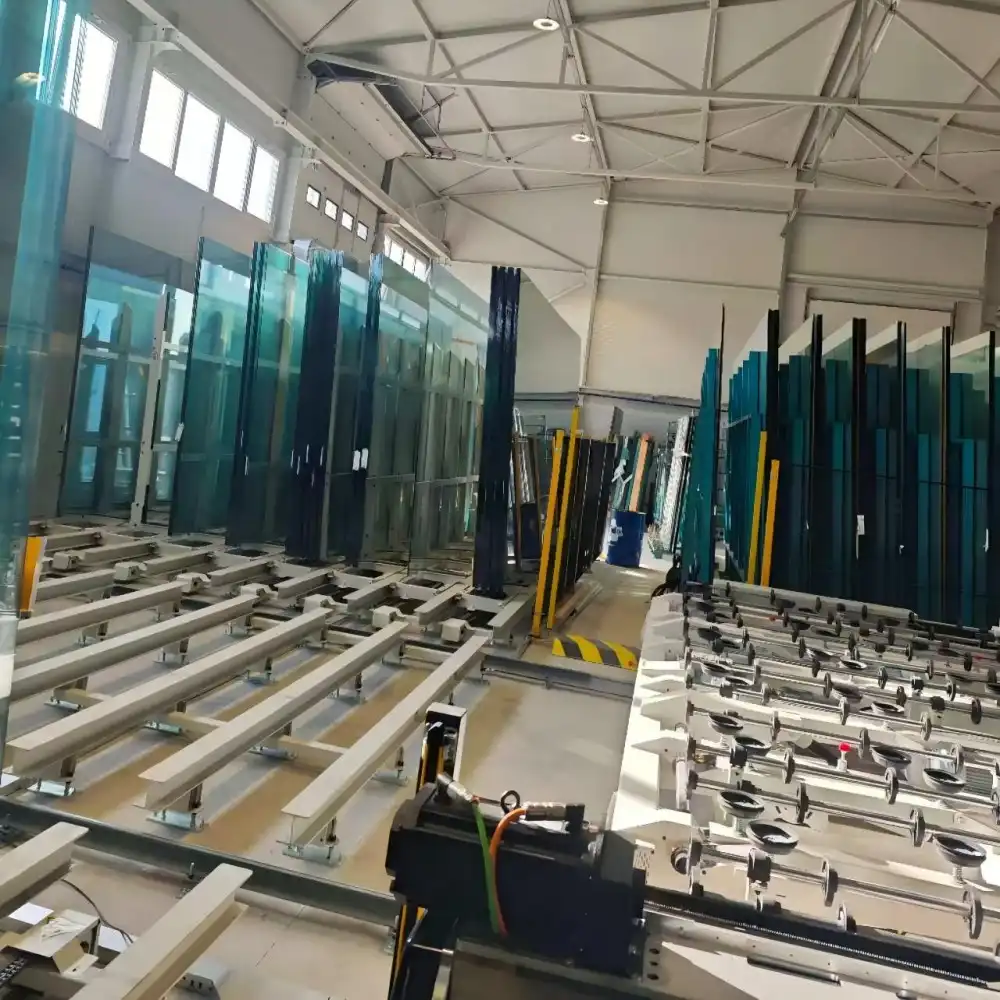
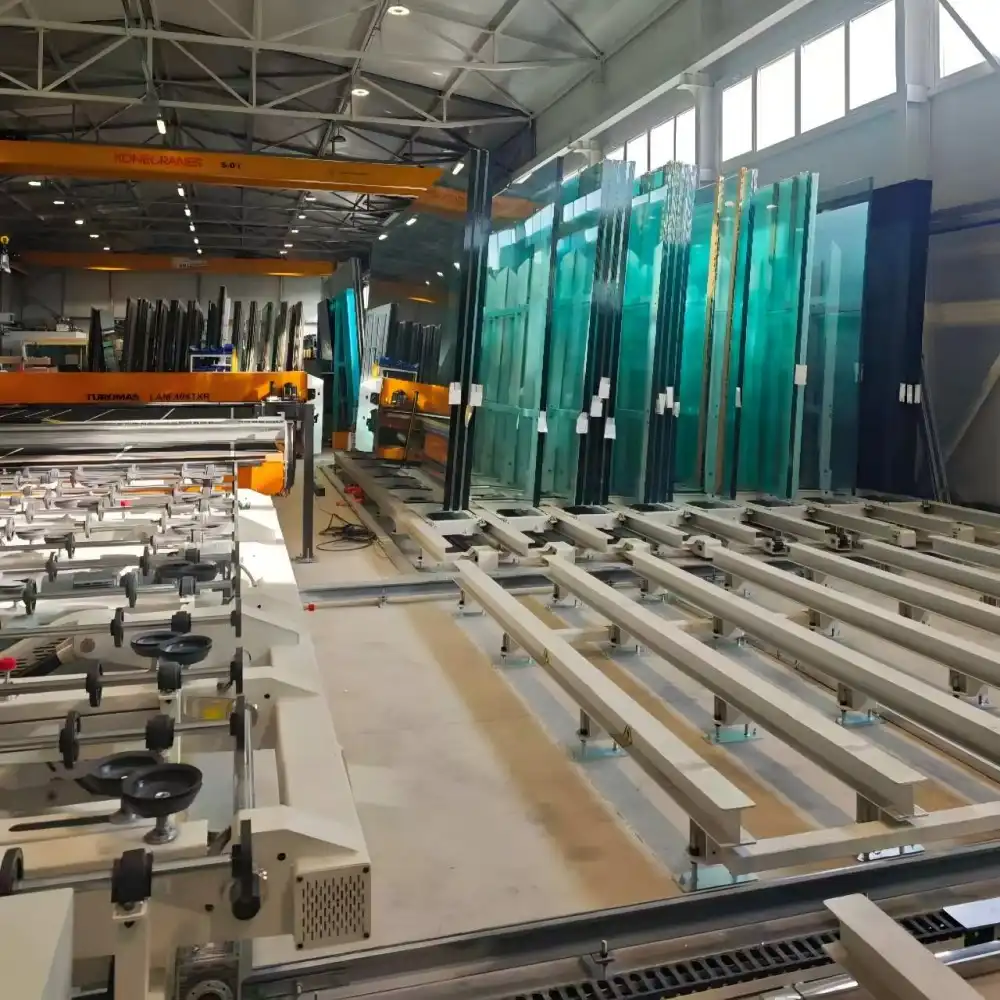
The part that you can see the most is the cutting head, which has diamond-tipped wheels or carbide blades that touch the glass directly. Under this hardware, control units work with digital cutting patterns made by optimization software. They turn design files into machine movements. Material is moved by suction cup elevators, which move glass panels automatically from loading stations to cutting zones and then to dumping zones. Air flotation systems cut down on friction while placing, which keeps delicate surfaces from getting scratched while allowing exact placement.
Machine Type Distinctions: Manual, Semi-Automatic, and Fully Automatic Models
Manual machines need workers to place the glass and start each cut. They require less capital investment but can only cut a certain amount of glass at a time. To find a good balance between cost and output, semi-automatic systems move materials but still need to be supervised by a person for storage and quality checks. Fully automatic setups include every step of the process, from getting the goods to packaging it up at the end. This cuts down on the amount of work that needs to be done and improves consistency. Fully automated production settings make it easier to make a lot of standard goods, while job shops that make custom orders often find that semi-automated setups are cheaper.
Safety Features and International Compliance Standards
Modern cutting systems have built-in safety features that keep workers from getting hurt while keeping production going. When activated, emergency stop circuits instantly stop all motion, which prevents crashes from happening in unexpected situations. Protective guards keep workers safe from flying glass pieces that are created when cutting. Machines that meet the standards for CE approval are safe according to European safety guidelines that cover electrical systems, mechanical hazards, and user interfaces. Getting ISO 9001 approval shows that a company uses quality management systems during the entire design, production, and after-sales support processes. This gives buying teams confidence that the equipment will work well in harsh industrial settings.
Key Features That Drive Manufacturing Efficiency
A lot of the time, the difference between good performance and high production depends on the technology that is built into glass cut outs machines. Procurement workers can compare options more objectively when they know which features offer measurable returns.
Cutting Speed and Precision Capabilities
Cutting glass at speeds of more than ten meters per minute is possible with modern systems that keep their positions accurate to within 0.2 millimeters. This mix of speed and accuracy has a direct effect on how much material is used and how much can be made. The HSL-YTJ2721 type can handle panels up to 2700x2100 millimeters, which includes large glass sizes commonly used in architecture without the need to cut the material first. With thickness support running from 2 to 19 millimeters, one machine can handle a wide range of product needs, cutting down on the need for multiple specialized devices.
Software Integration and Optimization Solutions
One of the most important ways to improve speed in glass fabrication is to optimize the cutting design. Optima software looks at new orders and figures out the best way to nest sheets so that the most return is obtained from each one. Because of this smart planning of materials, waste rates drop from the usual 15% in the business to less than 10% in many cases. Optimization platforms do more than just nesting. They arrange production scheduling, keep track of work-in-progress inventory, and predict finish times to make deliveries more reliable.
Automation Features Minimizing Manual Intervention
Handling things by hand is hard on the body and takes a lot of time. Automatic loading systems get rid of those problems. The 360-degree walking feature on the remote control lets workers place the cutting bridge from a safe distance, which makes the working conditions safer and more comfortable. Automatic pressure control changes the cutting force based on the thickness and makeup of the glass. This stops under-scoring, which leads to bad breaks, or too much force, which makes tiny cracks. Edge-finding methods automatically find the edges of the material, making up for small differences in positioning and ensuring that the part is placed correctly in relation to the sides of the raw sheet.
Maintenance-Friendly Design Elements
Since production equipment only makes money when it's working, making repairs easy to get to is key to getting the most uptime. Technicians can quickly change worn parts with new ones when modular component designs let them. Diagnostic screens show working factors and let maintenance teams know about problems that are starting to happen before they break down. Standardized bolts and links cut down on the number of specialized tools needed for service work. This makes it easier to keep track of extra parts and speeds up the average time it takes to fix something.
Comparison of Glass Cut-Out Machines: Choosing the Right Model for Your Business
Electric Versus Manual Systems: Scalability Considerations
When compared to traditional options, electric glass cut outs machines apply force more consistently and work faster. When plants that process more than fifty panels per day switch from manual to electric equipment, they usually see a payback time of less than eighteen months. Manual systems are still better in low-volume settings where investment is limited by a lack of cash or where the variety of products makes it difficult to spend a lot of time programming. As production needs rise, scalability becomes very important. Electric systems can handle capacity growth through software changes and peripheral improvements instead of having to replace all the equipment.
Fully Automatic Against Semi-Automatic Configurations
Fully automatic lines handle materials, cut, break, and package them all in an ongoing process that needs little help from a person. These designs work well in high-volume production settings with standard product mixes, where setup time is a small part of the total cycle time. Semi-automatic tools need an operator to load and remove, but they do the cutting automatically, which lets you mix up your orders in different ways. When factories make unique building projects or specialized decorative glass, they often find that semi-automatic setups give them a better return on investment. This is because they balance the benefits of automation with the programming work that needs to be done for frequent changeovers.
Performance Benchmarks from Industry-Leading Models
The HSL-YTJ2721 is an example of modern giant glass cutting technology because it can cut big sheets of glass and is fully automated. Its suction cup conveying system moves delicate materials without leaving marks on the surface, which is very important for building glass uses where flaws that can be seen hurt the glass's appearance. Certifications like CE and ISO 9001 show that a product meets international quality and safety standards. This lowers the risk of buying for people who work in controlled markets. Air flotation systems built into the design reduce friction while placing the glass, allowing for exact placement while lowering the amount of force needed to move the material.
Procurement Considerations for Optimizing Your Investment
Pricing Structures and Total Cost Analysis
When buying capital tools like a glass cut-out machine, you need to think about more than just the original cost of the purchase. Fully automatic cutting lines usually cost between $80,000 and $300,000, but this depends on the size of the work area, the level of automation, and the level of customization needed. Semi-automatic systems cost between $40,000 and $120,000 and offer a lot of power at a lower cost. To figure out the total cost of ownership, you have to add up the costs of installation, user training, upkeep supplies, and the expected number of spare parts that will be needed over the equipment's useful life. How much energy a machine uses affects its running costs. For example, modern machines with efficient servo drives and improved motion profiles use less electricity than older hydraulic systems.
Warranty Coverage and After-Sales Support Infrastructure
Full guarantee programs keep buyers safe from parts breaking down too soon and show that the company behind the product trusts it to be reliable. Standard coverage should include both mechanical and electrical systems for at least twelve months. For important work settings, extensions are possible upon request. Quality of after-sales help is often a better indicator of long-term satisfaction than price at first buy. When technology problems happen, manufacturers with area service centers can fix them faster, which keeps production from stopping. Another important thing to think about is the availability of spare parts. Suppliers who keep parts in stock in the United States make sure that customers get parts within days, not weeks, which greatly lowers the costs of downtime.
Custom Configuration Options and Installation Services
Standard equipment setups meet most production needs, but many facilities can benefit from making changes that are specific to their needs. Custom cutting head setups can be made to fit specific kinds of material or parts with complex shapes. Curtain wall construction often uses large pieces that need to be worked on in areas that are longer than usual. By ensuring proper equipment placement, utility hookups, and initial testing, professional installation services shorten the time it takes to start production and lower the risks associated with commissioning. Manufacturers that can do both OEM and ODM work with system designers to build whole production lines. This way, complex automation projects can be accounted for by a single source.
Future Trends and Technological Advancements Transforming Glass Cut-Out Machines
AI and IoT Integration for Predictive Operations
Artificial intelligence programs look at cutting patterns, the properties of the material, and the conditions of the surroundings to constantly find the best process parameters for a glass cut outs machine. These flexible systems can handle changes in temperature, humidity, and tool wear without any help from a person, so the quality of the output stays the same during work shifts. An IoT connection allows for online tracking and troubleshooting, which helps makers of equipment spot problems before they break down. Time-based service intervals are replaced by condition-based approaches in predictive maintenance scheduling. This means that maintenance is only done when the real state of a component calls for it, rather than based on random calendars.
Sustainability and Energy Efficiency Developments
Rules about the environment and programs for business duty push manufacturers to use less energy and produce less waste. Modern cutting systems use servo drives with regenerative brakes, which collect kinetic energy during slowdowns and send it back to the building's electrical systems. Optimized motion profiles cut down on needless rounds of speeding up and slowing down, which lowers energy needs without lowering output. Recycling systems in grinding and cleaning stations cut down on the amount of water that cities use, and cleanup technologies make sure that the water that is released meets environmental standards. These changes to sustainability cut down on running costs and help companies meet their environmental obligations and follow the rules.
Industry 4.0 Readiness and Data Analytics Capabilities
To make smart manufacturing work, you need tools that can talk back and forth with plant management systems. Modern cutting machines share operating data using standard protocols. This lets production planners see the current situation in real time, keep track of the progress of orders, and find problems in setups with multiple machines. Analytics tools look at past production data to find trends in how materials are used, find the best way to cut things, and guess how much capacity will be needed for future orders. This data-driven method turns reactive production management into proactive optimization, which boosts the use of resources, makes deliveries more reliable, and lowers the cost of keeping supplies on hand.
Conclusion
When it comes to making glass, the most important thing is to choose a glass cutting machine that fits the needs of the business. When you combine smart software, strong safety features, and a full support network into automated systems, you can see clear gains in speed, quality consistency, and the overall cost of ownership. The HSL-YTJ2721 is the cutting edge of technology because it combines the ability to handle large panels with advanced robotic features that make it useful for decorative glass, car parts, and architecture. When comparing different options, procurement teams should look at more than just price. They should also think about how reliable the machines are, how good the after-sales support is, and how flexible the customization options are. This is because long-term operating performance decides the true value of an investment.
Frequently Asked Questions
1. What Maintenance Protocols Ensure Equipment Longevity?
Cleaning every day gets rid of glass chips and other dirt that speed up the wear and tear on parts. Lubricating the guide rails and bearings once a week keeps them moving smoothly and stops them from breaking too soon. Cutting wheel state is checked once a month, and old tools are replaced before the quality starts to decline. Every year, testing methods make sure that the positional accuracy and the pressure control systems are still working as they should. Manufacturers usually give facilities detailed maintenance plans that list specific tasks to be done at certain times. This lets facilities create preventive maintenance programs that extend the life of machinery and reduce unplanned downtime.
2. How Do Production Volumes Influence Automatic Versus Semi-Automatic Selection?
For places that handle less than thirty panels per day, semi-automatic glass cut-out machines are often the best option because the savings in labor from fully automated systems don't support the higher capital investment. With fully automatic setups, operations with more than 100 panels per shift usually see payback times of less than two years. This makes automation a good financial decision. For numbers in the middle of these ranges, you need to do a lot of cost analysis that takes into account things like labor rates, the complexity of the product mix, and facility growth forecasts to find the best way to go about things.
Partner with HUASHIL for Advanced Glass Cutting Solutions
By making reliable, high-precision glass cutting tools, HUASHIL has built a name for itself in the architectural glass fabrication, curtain wall building, and furniture manufacturing industries. Our HSL-YTJ2721 glass cut outs machine has intelligent edge recognition, automatic loading, and Optima optimization software. This gives processes that want to be as efficient as possible full automation. We are a seasoned glass cutouts machine maker, and we keep our CE and ISO 9001 certifications to show that we care about quality and safety. Technical support teams help you choose the right machine, figure out what customizations you need, and plan your installation so that the new equipment fits right into your production process. Email our buying experts at salescathy@sdhuashil.com to talk about your unique application needs and get detailed technical specs that are made to fit your manufacturing goals.
References
1. Johnson, M., & Williams, R. (2023). Advanced Glass Processing Technologies: Equipment Selection and Optimization Strategies. Industrial Manufacturing Press.
2. Chen, L. (2024). "Automation Impact on Glass Fabrication Efficiency: A Comparative Study." Journal of Manufacturing Systems, 68, 145-162.
3. Thompson, A., & Garcia, P. (2023). Predictive Maintenance in Glass Processing: IoT Applications and ROI Analysis. Technology in Manufacturing Publications.
4. European Committee for Standardization. (2022). Safety Requirements for Glass Processing Machinery: CE Compliance Guidelines. Brussels: CEN Publications.
5. Martinez, S. (2024). "Total Cost of Ownership Models for Capital Equipment in Glass Manufacturing." Industrial Procurement Quarterly, 41(2), 78-94.
6. Zhang, we, & Kumar, R. (2023). Industry 4.0 Integration in Glass Fabrication: Data Analytics and Smart Manufacturing. Advanced Manufacturing Institute.