




When looking at how efficient glass fabrication production is, the choice between automatic glass cut outs machine technology and human processing has a big effect on how things work out. When compared to traditional human methods, automated systems are more accurate, keep workers safer, and lower long-term operating costs. Advanced CNC controls and cutting-edge software optimization work together in these machines to make sure that the quality is the same during high-volume production runs while reducing waste and the need for manual labor. When procurement workers know about these benefits, they can make smart investment choices that help them reach their long-term output goals.
Understanding the Limitations of Manual Glass Cut Outs
The glass business has been using manual glass cutting for decades, but its limitations cause problems that make it harder to be profitable and successful in today's fast-paced manufacturing world. These old ways of doing things don't seem to be able to keep up with the needs of modern factories.
Labor Intensity and Skill Requirements
To meet quality standards for manual cutting processes, technicians must be highly skilled and have years of experience. Workers are put under a lot of physical stress when they have to move big glass pieces, position them correctly, and make cuts. It's getting harder and harder to find and keep skilled craftsmen as younger workers look for jobs that aren't as physically demanding. This lack of skills makes output less reliable and raises the cost of training by a lot.
Inconsistent Precision and Quality Variability
Every cut is different because of the human workers, no matter how skilled they are. Accuracy is affected by things like being tired, the surroundings, and short-term distractions. On good days, a trained technician might be able to achieve accuracy within a 2-3 mm range, but it's almost impossible for them to keep this level of uniformity every day as they make hundreds of cuts. This variation directly leads to more rejections, more work that needs to be done again, and unhappy customers.
Safety Hazards and Workplace Risks
Workers are always at risk of getting hurt when they handle cutting tools and glass tips that are very sharp. Occupational safety data shows that processing glass by hand is a major cause of injuries at work, such as cuts, repetitive strain injuries, and crashes caused by bad lifting methods. In addition to the harm they cause to people, these accidents lead to workers' compensation claims, lost production, and higher insurance rates, all of which hurt your bottom line.
Hidden Cost Accumulation
Processing things by hand has hidden costs that add up over time. Operating costs are higher because of things like overtime pay during busy times, the need to maintain and repair tools, higher percentages of wasted materials, and downtime for operators during breaks. These things add up every month, making it very expensive to do business and limiting the ability to set prices competitively with a glass cut outs machine.
Core Advantages of Glass Cut Outs Machines
Automated cutting technology changes the way glass is made by getting around all the problems that come with doing things by hand. Modern systems are made up of complex parts that work together to produce reliable, high-quality results.
Superior Cutting Precision and Repeatability
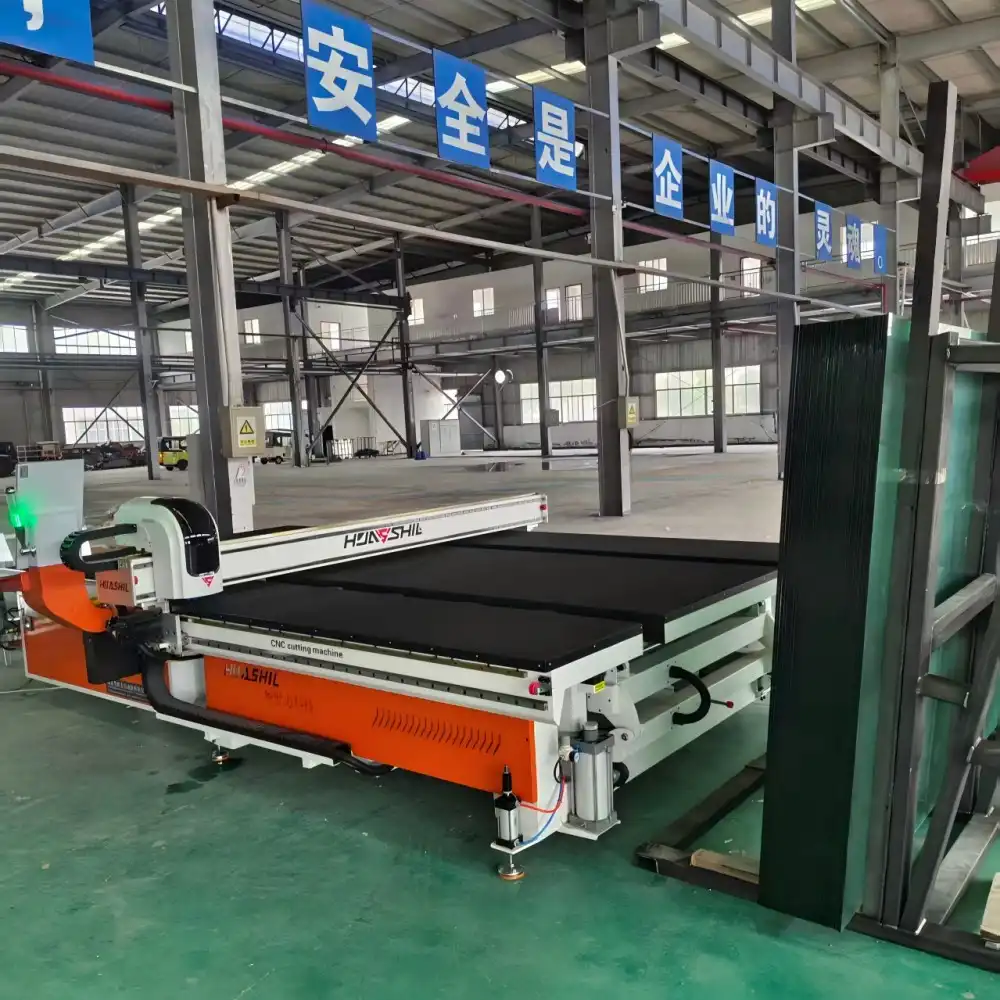
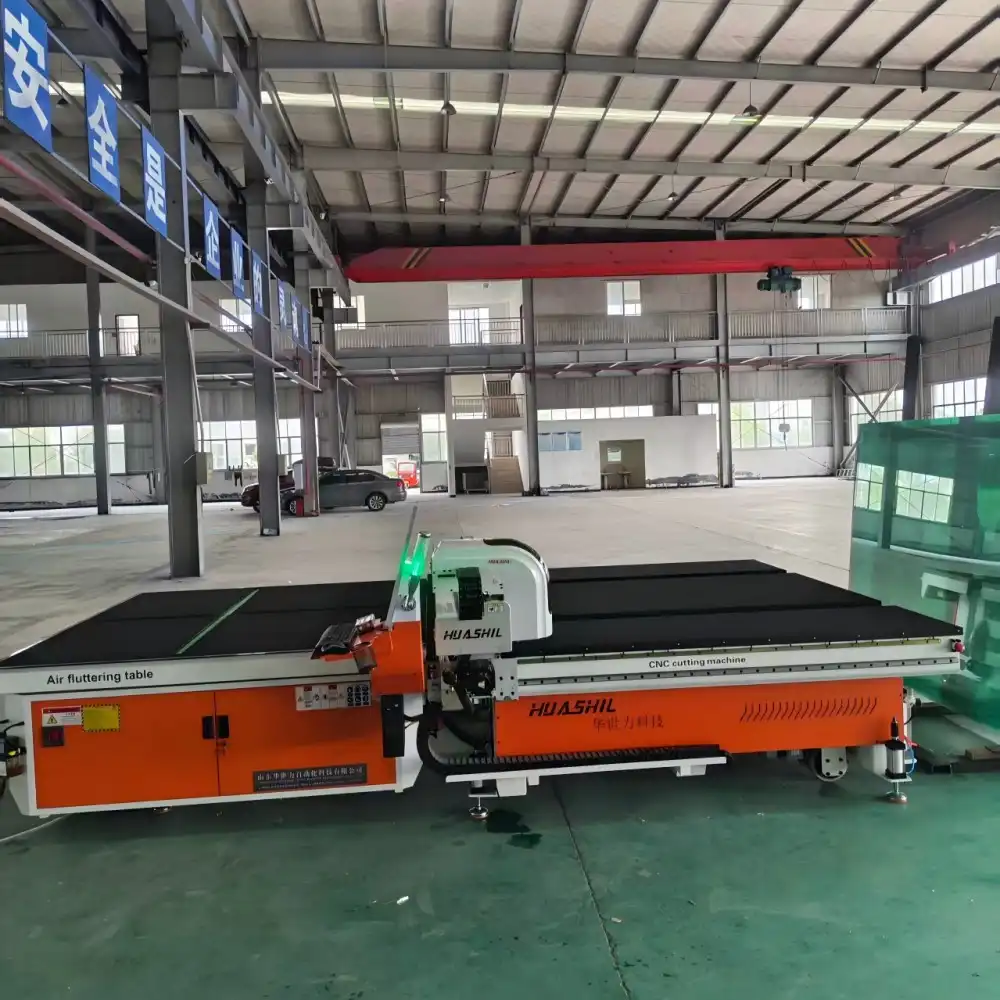
CNC-controlled cutting tools regularly keep their tolerances within ±0.1mm, which isn't possible with human operators. This accuracy is shown by the HSL-YTJ2721 model, which can work with glass panels up to 2700x2100mm and a width of 2–19mm. It can handle a wide range of production needs. With Optima optimization software, the system figures out the best way to cut things so that the most material is used while still meeting all the requirements. The automatic edge-finding function makes sure that the glass is perfectly lined up before each cut, so the products meet the highest standards for architectural and car glass.
Accelerated Production Cycles
When compared to manual ways, automation greatly improves throughput. Automatic loading systems get rid of the need to move heavy glass sheets by hand, which takes time and effort. The air floating system makes it easy to place materials. When production managers switch from human to automated cutting, cycle times drop by 60 to 70%. This speeding up makes it possible to fill orders faster, cut down on wait times, and take on bigger jobs without having to raise labor costs by the same amount.
Enhanced Workplace Safety Standards
By physically separating workers from cutting processes, automated systems completely change how safe the workplace is. Technicians can watch operations from a safe distance with the 360-degree walking feature on the remote control, and automatic pressure control systems get rid of the need to make changes by hand near moving parts. Cutting zones that are closed off and monitored by sensors can spot problems and stop the machine in an emergency before they happen. Industry standards say that this all-around safety design cuts down on accidents at work by over 85%. This protects your employees and lowers your insurance costs.
Advanced Technology Integration
Modern glass-cutting machine systems use many new technologies that can't be applied with human methods. The glass moving system with suction cups gently moves things around, which stops tiny cracks that weaken structures. CNC controls work perfectly with CAD/CAM software, so design files can be directly turned into cutting directions with no steps in between where mistakes could happen. From design approval to final production, this merging makes processes more efficient. This cuts down on communication mistakes and production delays.
Comparing Costs and ROI: Machines vs Manual Methods
Making investment choices requires a full financial analysis that looks at more than just the original purchase price. It also looks at the total cost of ownership over the life of the equipment.
Initial Capital Investment Considerations
Automated cutting systems cost a lot up front. Industrial-grade machines can cost anywhere from $50,000 to $300,000, based on their features and how they need to be customized. This is very different from cutting things by hand, which only needs simple tools and a desk to get started. But this comparison makes things too easy by not taking into account operating costs, differences in efficiency, and quality results that affect long-term profitability.
Long-Term Operational Savings
Through a variety of routes, automated systems offer appealing operational economics. When one machine operator oversees equipment that used to be supervised by three to five human workers, the savings on labor costs often make the investment worth it on its own. When automated cutting designs are adjusted, material waste goes from 12 to 15 percent when work is done by hand to 3 to 5 percent. Improving energy efficiency, setting up regular repair plans, and cutting down on rework costs all help the business make more money. Depending on production output and differences in labor costs, most sites see a full return on investment (ROI) in 18 to 36 months.
Warranty Protection and Support Infrastructure
When something has a CE or ISO9001 approval, you can be sure that it meets strict quality and safety standards. Reliable makers of glass cut outs machine back up their products with full warranties that cover all of the main parts and spell out exactly how to change parts and get expert help. Your production will keep going as long as you have extra parts on hand and quick service networks. When procurement professionals look at different providers, they should check to see if the warranties they offer cover repairs, how long it usually takes for service calls to be answered, and how close approved service centers are to your facility.
Financing and Leasing Alternatives
Businesses of all sizes can use modern automation thanks to equipment financing choices. Leasing spreads costs out over time and keeps working cash available for other business needs. Some makers offer flexible payment terms that can be adjusted to fit your cash flow, which can help you save money during the implementation phase. These adaptable methods make cutting-edge technology more available to everyone, which lets smaller production plants compete with bigger ones.
Selecting the Right Glass Cut-Out Machine for Your Business Needs
When you choose strategic tools, you need to make sure that the machine's powers are exactly right for your operational needs and your plans for future growth.
Assessing Production Volume Requirements
The tools you need depend directly on how much you are currently and plan to produce. Facilities that process fewer than 50 panels per day might be fine with semi-automated solutions. On the other hand, facilities that process 200 or more panels per day would benefit from fully automated lines with built-in systems for loading and unloading. The HSL-YTJ2721 type is best for medium to high-volume production settings where the ability to cut large sheets of glass and its automatic features make the purchase worth it. To choose equipment that can handle growth without overcapitalization, production leaders should look at past order data and market predictions.
Material Specifications and Versatility
Different uses need different types and sizes of glass. 6–12 mm panels are usually used for architectural glass setups, while 4–8 mm panels are usually used for furniture uses. Automobile windshields are made of bent and layered glass that has to be cut in a certain way. When you choose equipment, it needs to be able to handle all of your materials, including special orders that may need processing skills that go beyond normal production. With a thickness range of 2–19 mm and a maximum size capacity of 2700x2100 mm, the glass cut-out machine platform can meet most building, furniture, and car glass needs.
Facility Infrastructure and Space Planning
When choosing tools, you should pay close attention to how it needs to be installed physically. Automated cutting lines need enough floor room for areas to add materials, the cutting table, and staging areas for final products. Ceiling height, the amount of electricity available, the availability of compressed air, and weather settings all affect how easy and how much it costs to install. Before deciding to buy tools, engineering teams should do thorough site surveys to avoid unexpected costs for infrastructure upgrades.
Customization and Scalability Options
As a business grows, it often needs to be able to do more over time. Modular equipment designs let you make small changes without having to update the whole thing. With OEM and ODM customization choices, you can change certain features to fit your business needs. Integration with current material handling systems, compatibility with corporate resource planning software, and plans for future technology improvements make sure that equipment stays useful for as long as it's needed. During the review phase, technical buyers should talk to sellers about ways to customize and improve the products.
Maintenance, Troubleshooting, and Maximizing Machine Performance
Systematic repair and skilled operator training that protects equipment investments are key to keeping output high.
Establishing Preventive Maintenance Schedules
Unexpected breakdowns that throw off production plans can be avoided with regular upkeep. Every day, inspections make sure that the cutting heads of the glass cut outs machine are lined up correctly, that there is enough oil, and that the sensors are working. Calibration processes are done once a week to keep the cutting accuracy within the specs. Every month, full inspections check for wear and tear, test safety systems, and update software when makers make changes. Plant managers should write down all of their maintenance tasks so that they have past records that can be used to find trends that need to be fixed. When compared to reactive repair methods, this proactive approach makes equipment last 40–50% longer.
Common Operational Challenges and Solutions
Even equipment that has been well taken care of sometimes has problems. Cutting quality loss is often caused by worn-out cutting wheels or dirty work areas that need to be cleaned. When software bugs happen, the system may need to be restarted, or improvement programs may need to be reinstalled. Changes in the pressure of a pneumatic system affect how consistently materials are moved. Knowing these common problems and how to fix them cuts down on downtime. Most manufacturers give expert teams troubleshooting tools and the ability to do diagnostics from a distance to help them fix problems fast.
Operator Training and Skill Development
Modern cutting systems need trained workers who know how to use both the hardware and software parts of them. Full training programs should cover how things work normally, how to do simple repairs and maintenance, how to stay safe, and how to fix problems. Intelligent building techniques can help operators who know how to use Optima software get the most out of the materials they use. Putting money into developing human capital pays off with more reliable tools, higher-quality results, and safer working circumstances. Training should be updated once a year and made more in-depth whenever new equipment comes out with new features.
Performance Monitoring and Continuous Improvement
Data-driven performance management finds ways to improve things. Modern machines record operating data like cycle times, error rates, material usage rates, and repair intervals. By looking at these measures, you can find trends that help you make process improvements. Production leaders may find that certain types of glass have higher failure rates or that certain shifts have more practical problems. This information helps with focused interventions that gradually make the equipment work better, generally.
Conclusion
There are clear benefits to automated cutting technology over human processing in all areas that are important for output. Moving to automated systems is a good idea because they offer better accuracy, faster output, higher safety, and better long-term economy. While manual methods can still be useful for certain low-volume tasks, scalable production needs the precision and speed of automation. Strategically choosing equipment based on production needs, thorough repair procedures, and training for operators are all ways to get the most out of your investment and make your facility competitive in tough markets.
FAQ
1. What glass thickness range can automated cutting machines handle effectively?
Depending on the type, industrial automatic systems can handle glass thicknesses ranging from 2 mm to 19 mm or more. The HSL-YTJ2721 can work with all of these different types of glass, from thin artistic glass to thick building and safety glass panels. To keep the quality of the edge, thicker materials may need different cutting heads and feed rates that are changed.
2. How long does a typical installation and commissioning take?
Installation times depend on how ready the building is and how complicated the equipment is. Standard automatic cutting tools need three to five days to be set up, with electrical lines and the pneumatic system being added. Another two to three days are needed for commissioning, which includes testing, setting up the software, and teaching the operators. Usually, it takes two weeks to complete the application process from delivery to production-ready.
3. Can automated systems handle curved or irregular glass shapes?
Advanced CNC glass cutting machines with cutting heads that can move on multiple axes can precisely cut out complicated curves and odd forms. CAD designs can be turned into cutting lines that can fit almost any geometric need by using the Optima program. This feature is useful for things like windshields for cars, building accents, and art pieces.
4. What ongoing technical support should buyers expect from suppliers?
Reliable providers offer a range of levels of support, such as expert help over the phone, remote diagnostics through the internet, on-site service visits, and a wide range of spare parts. Response time promises, information about what the warranty covers, and the sites of regional service centers should all be checked during the buying process. Annual repair contracts let you plan ahead for costs and service times.
Discover HUASHIL's Advanced Glass Processing Solutions
HUASHIL is an expert at sending industrial-grade automatic glass processing equipment to manufacturing companies all over the world that changes how they can make things. Our engineering know-how and quick customer service help make sure that all of our glass cut outs machines work well. Our HSL-YTJ2721 model is the result of years of work to make it better. It has automatic loading, pressure control, edge finding, and air flotation systems built into a base that is CE and ISO9001 approved. Technical teams can email us at salescathy@sdhuashil.com to talk about their particular needs, look over detailed specs, or set up tours of the factory. Our systems engineers will help you set up the best solutions that fit your business goals and budget, whether you're replacing old equipment or adding new production capacity.
References
1. Johnson, M. & Williams, R. (2022). Industrial Glass Processing: Technology and Economic Analysis. Manufacturing Technology Press.
2. Chen, L. (2021). "Automation in Architectural Glass Production: Efficiency Gains and Quality Improvements." Journal of Construction Materials, 15(3), 245-267.
3. National Glass Association. (2023). Safety Standards and Best Practices for Glass Fabrication Facilities. NGA Publications.
4. Rodriguez, P. & Anderson, K. (2022). "Total Cost of Ownership Analysis for Glass Processing Equipment." Industrial Equipment Management Quarterly, 28(2), 112-134.
5. European Committee for Standardization. (2021). CNC Glass Cutting Machinery: Performance Specifications and Testing Protocols. CEN Technical Report 447.
6. Zhang, H., Thompson, D., & Kumar, S. (2023). "Predictive Maintenance Strategies for Automated Glass Processing Lines." Advanced Manufacturing Systems Review, 41(1), 78-96.