




A glass measure table machine makes cutting more accurate by making readings of dimensions and getting rid of the mistakes that come with doing things by hand. High-resolution sensors and synchronized software in these high-tech systems measure the exact size of each glass panel and send that information straight to the cutting tools so that adjustments can be made automatically. This leads to constant accuracy within limits as small as ±0.1mm, which cuts down on waste and rework by a large amount. When these machines are combined with optimized cutting software like Optima, they set up closed-loop feedback systems that check measures all the way through production, making sure that every cut meets the exact standards needed by makers of building and car glass.
Understanding Glass Measure Table Machines and Their Role in Precision Cutting
Modern glass production needs precision that can't always be achieved by measuring by hand. Glass measure table machines have changed how makers check measurements, laying the groundwork for precise cutting that has a direct effect on the quality of products and the efficiency of production.
What Defines a Glass Measure Table Machine
By taking exact measurements before cutting, these specialized glass measuring table machines make it possible to go from raw glass sheets to finished goods. Automated glass measure table machines use laser sensors, visual recognition systems, and digital encoders to map glass panel dimensions very accurately, unlike traditional tape measures or writing systems that are done by hand. The technology can be used on a range of production sizes, from small systems that can handle normal architectural glass to huge ones that can handle panels that are over 3,660 x 2,800 mm, which are important for curtain wall uses and big architectural projects.
How Measurement Accuracy Translates to Cutting Precision
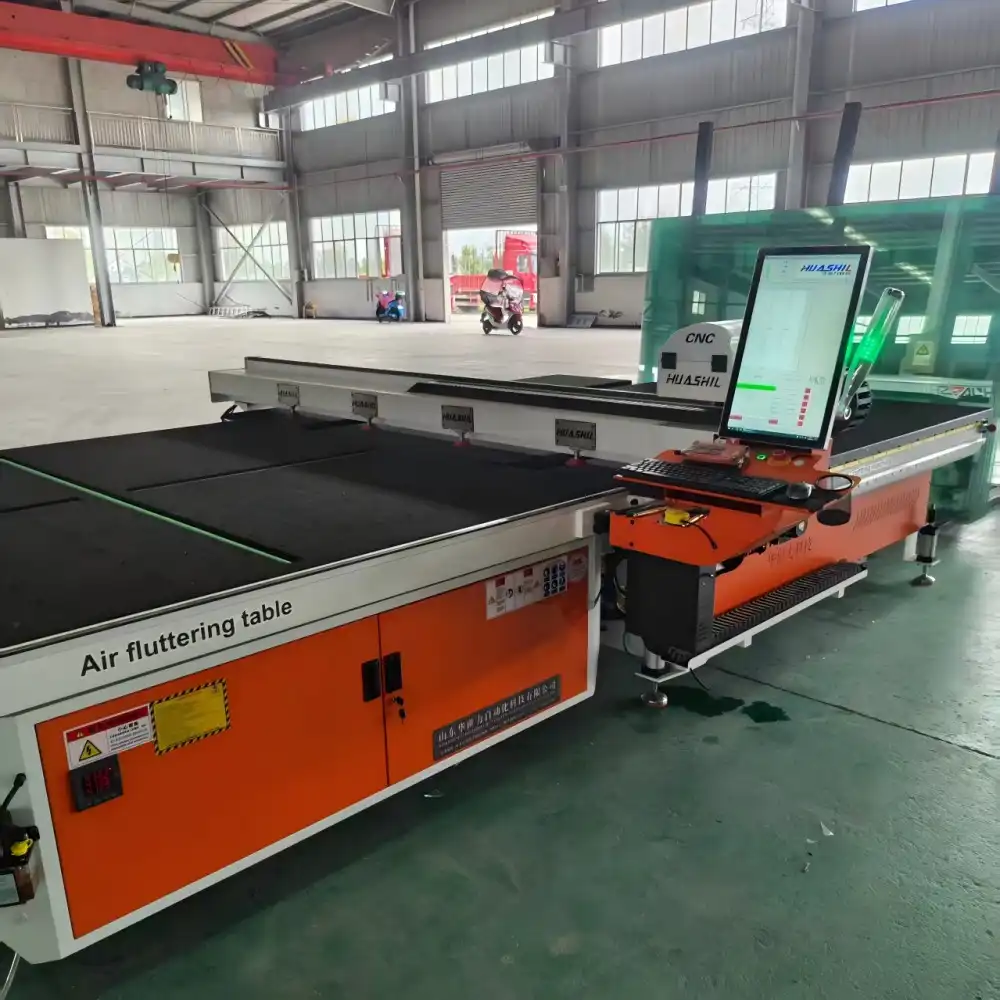
To cut precisely, you must first be able to measure things correctly. When the exact measurements of a glass panel are measured to within a millimeter, cutting equipment gets exact instructions for where to place its blades. Automatic edge finding is built into equipment like the HSL-YTJ3829 type. This finds the sides of the glass and fixes any problems with them before the cutting starts. This pre-cut checking lowers the number of mistakes in measurements that happen during the many steps of processing. This is especially important when making building glass that needs to fit perfectly in window frames or curtain wall systems.
Integration with Automated Cutting Systems
When glass measuring table machines are used with cutting lines, they really show their worth. Synchronous belt conveyors move glass from measurement stations to cutting zones without having to be moved by hand. This keeps the line that was set during measurement. Software programs like Optima take in measurements and make cutting shapes that get the most out of each glass sheet. This digital procedure gets rid of transcription mistakes and human programming, so factories can work with different sizes of glass without having to rearrange the equipment between runs. This is especially useful for making custom furniture, glass, and specialty mirrors.
Limitations of Traditional Glass Measurement Methods and Evolution to Automated Solutions
Glass makers who don't use automatic measuring tools always have problems that slow them down and make them lose money. Knowing these problems makes it clear why companies are investing more and more in glass measure table machine technology.
Common Problems with Manual Measurement
In the old way of measuring, people used measuring sticks, squares, and writing tools to check the sizes of the glass. Measurement pressure, watching angles, and marking accuracy change between workers and between shifts because of human factors. According to research from glass processing facilities, measuring by hand can lead to errors of more than 2 mm on panels bigger than 2000 mm. This wastes a lot of glass when it needs to be cut for building uses that require an accuracy of 0.5 mm. Manual processes also take a lot of time. For example, measuring and writing a single big glass panel can take three to five minutes. This causes bottlenecks that limit the production rate to fifteen to twenty panels per hour.
The Technology Shift Toward Automation
Through consistent sensor-based data capture, automated glass measure table machines get rid of factors that depend on the user. Laser measurement technology, which has become very popular since 2018, checks glass surfaces in seconds to find flaws and sizes at the same time. Advanced tables come with air flotation systems that hold glass panels in place on air pillows while they are being measured. This keeps the surfaces from getting scratched and allows for accurate setting. Comparative research from glass makers in North America shows that automating measurements cuts down on mistakes by 85% and speeds up measurements by 400%, letting facilities handle 60 to 80 panels per hour.
Documented Benefits from Industry Adoption
In the United States, glass factories that switched from human to automatic measurement say they cut material waste by 12–18% in the first year they were open for business. When a curtain wall maker in Texas switched to automated measurement, they saved more than $180,000 a year. This was mostly because they had less rework and better first-pass output. These facilities also report benefits further down the line: accurate measurement data helps with better inventory management and more accurate job costing, which boosts working efficiency and customer happiness by ensuring on-time deliveries.
Core Features and Benefits That Enhance Cutting Precision
Modern glass measure table machines use several technologies that work together to make sure that the cuts are accurate throughout the production cycle.
Real-Time Data Capture and Feedback Systems
Modern glass measuring table machines keep an eye on the position and size of the glass while it is being processed all the time. Automatic pressure control changes the vacuum or mechanical clamping forces based on the thickness of the glass. This is very important when working with glass thicknesses between 2 and 19 mm, which is popular in building and automobile uses. Sensors pick up on even small movements in the glass during measurement, which causes it to be automatically repositioned before the cutting process starts. This real-time tracking sets up a closed-loop system so that data verification happens all the time instead of just at one point in time. This way, mistakes are caught before they waste time and money.
Calibration Protocols That Maintain Accuracy
Without regular upkeep, measurement accuracy goes down. Leading makers say that approved reference plates should be used every day to check the system's calibration and that the system should be fully calibrated every month. Facilities that work with glass and have equipment that is ISO 9001-certified benefit from written testing processes that meet the needs of quality management and make sure that measurements are always the same. When sensors are calibrated correctly, they stay within the manufacturer's accuracy range, which for high-precision systems is usually ±0.05mm. This stops the accuracy from slowly dropping over time, which can affect the quality of the cuts.
Automation Features That Minimize Operator Error
Manual mistakes in handling glass that cause panels to be out of alignment before measurement are eliminated by automatic packing systems. With equipment that can be controlled from a 360-degree remote, workers can keep an eye on multiple measuring and cutting stations at the same time, which increases productivity without losing safety. Integrated breaking tables placed next to cutting areas allow glass to be separated right away after cutting, cutting down on handling steps that could lead to positioning mistakes. All of these automatic features lower the level of skill needed to operate while keeping the quality of the output constant, no matter how experienced the user is.
Selecting the Right Glass Measure Table Machine for Your Business Needs
To choose the right glass measure table machine, you need to make sure that the machine's powers match your work needs and growth goals.
Assessing Production Volume and Precision Requirements
Semi-automated systems may be enough for production centers that process less than 30 panels per day, especially when making standard-size architectural glass with moderate tolerance standards. Fully automated measurement and cutting lines are worth the money for businesses that need to meet tolerances of less than 0.5 mm, like curtain wall builders or car glass makers that need more than 50 panels every day. The thickness of the glass also plays a role in the choice. For example, facilities that mostly work with thin glass (2–6 mm) for furniture uses need to meet different standards than facilities that mostly work with thick architectural glass (10–19 mm) for building surfaces.
Evaluating Available Models and Manufacturers
The market in 2024 has a wide range of choices in terms of price and features. Basic glass measure table machines that can be loaded by hand and record basic dimensions start at about $25,000, making them a good choice for small furniture and glass shops. Systems in the middle range, which include automatic loading, edge recognition, and software integration, cost between $60,000 and $120,000. These are the best deals for architectural glass makers who are growing. High-end production lines with giant glass capacity, full automation, and advanced optimization software cost more than $200,000, but they provide the speed and accuracy needed for making a lot of curtain walls. Manufacturers should check that their products are in line with CE certification and ISO 9001 compliance. These are standards that show they follow safety and quality management rules that are accepted in all foreign markets.
Importance of After-Sales Support and Service Networks
Because equipment is so complicated, it needs a strong expert support system. Glass processors in the US benefit from suppliers who keep service networks in North America that can quickly send repair and spare parts. Capital investments are protected during the initial production ramp-up by a full guarantee that lasts for 12 to 24 months on major parts. Training programs that make sure workers and repair staff know how to use equipment correctly stop misuse that breaks guarantees or causes parts to fail early. During the review process, procurement managers should check how responsive the manufacturer is, since the quality of pre-sale contact often shows how good the after-sales help will be.
Real-World Impact: How Glass Measure Table Machines Improve Quality Control and ROI
The benefits that are only theoretical become real when performance improves in a variety of glass measure table machine production settings.
Measurable Improvements in Production Yield
A plant in Ohio that makes windows replaced 15-year-old semi-manual measuring and cutting systems with automatic ones in 2023. The next twelve months of production data showed that first-pass output went up from 82% to 96%, which means that 14% less glass had to be reworked or thrown away. The savings on materials alone were more than $90,000 a year, which was directly due to better accuracy from automatic measurement. Case studies from architectural glass makers all show similar increases in yield, with most gains falling between 10 and 15 percentage points when measurement systems are switched from manual to automatic.
Long-Term Efficiency and Cost Reductions
In addition to increasing yields right away, automating measurements leads to long-term gains in efficiency. As automatic lines are supervised by a single person, the number of jobs that need to be filled goes down. Consistent working speeds, rather than changing them by hand, are better for energy efficiency. Maintenance costs stay the same because automated systems that are used according to their design guidelines wear out less quickly than equipment that is handled by hand and isn't always handled correctly. When glass producers figure out the total cost of ownership, they usually get their money back within 18 to 30 months by saving money on supplies, labor, and repairs.
Future-Proofing Through Technology Integration
Leading glass measure table machines now have an IoT connection built in, which lets them be monitored from afar and send out alerts for planned maintenance. Manufacturers get real-time data on their production, which helps them find flaws and plan repairs before broken parts cause unplanned downtime. New optimization software that uses AI looks at cutting patterns across production runs and keeps improving algorithms to get the most out of the glass. These features allow makers who are looking to the future to adapt to changing market needs while keeping a competitive edge through business excellence that smaller rivals using manual systems can't match. A forward-thinking glass measure table machine wholesaler can help manufacturers access these advanced technologies and maintain long-term competitiveness.
Conclusion
Accurate measuring is the first step to precise cutting, which is why glass measuring table machines are so important to the success of modern manufacturing. These systems get rid of errors that can happen when measuring by hand and speed up production, leading to measured gains in quality, yield, and profits. Automated measurement technology works perfectly with cutting tools, creating digital processes that make the best use of materials and cut down on waste in architectural, automotive, and specialty glass uses. When manufacturers buy the right measurement tools, they become more competitive because they can better control quality, run their businesses more efficiently, and meet strict customer requirements. As technology for making glass keeps getting better at automating and connecting processes, measurement tables will still be necessary for facilities that want to be precise, consistent, and market winners for a long time.
Frequently Asked Questions
1. What accuracy can modern glass measurement tables achieve?
In ideal conditions, high-precision glass measuring table machines can get as accurate as ±0.1mm. Standard industrial systems can keep their accuracy at ±0.5mm, which is good enough for most architectural and car glass uses. Accuracy depends on how well the device is calibrated, how stable the surroundings are, and how good the glass is. The most accurate results are obtained with systems that use laser measurement technology and temperature-compensated monitors, even when the working conditions change.
2. How do measurement tables integrate with existing cutting equipment?
Nowadays, most tools used for cutting glass can get digital information from glass measure table machines using standard business methods or special software programs like Optima. Integration means connecting measurement and cutting tools to a network so that data can be sent automatically without having to be programmed. Manufacturers who want to improve measurement capabilities while keeping cutting equipment that still works can use interface solutions to connect older cutting machines to newer measurement tables. This extends the life of the equipment and makes it more automated.
3. What maintenance do glass measurement tables require?
As part of daily care, sensors are cleaned and checked against reference standards. Full calibration checks and mechanical inspections of conveyors, pressure systems, and placing parts are done every month as part of the job. Factory-trained techs usually need to do thorough sensor calibration, software updates, and replacement of wear parts like air flotation system filters and conveyor belts as part of the machine's annual maintenance. Proper repair plans that are written down according to ISO 9001 standards ensure long-term accuracy and stop costly unplanned downtime.
Partner with HUASHIL for Precision Glass Measurement Solutions
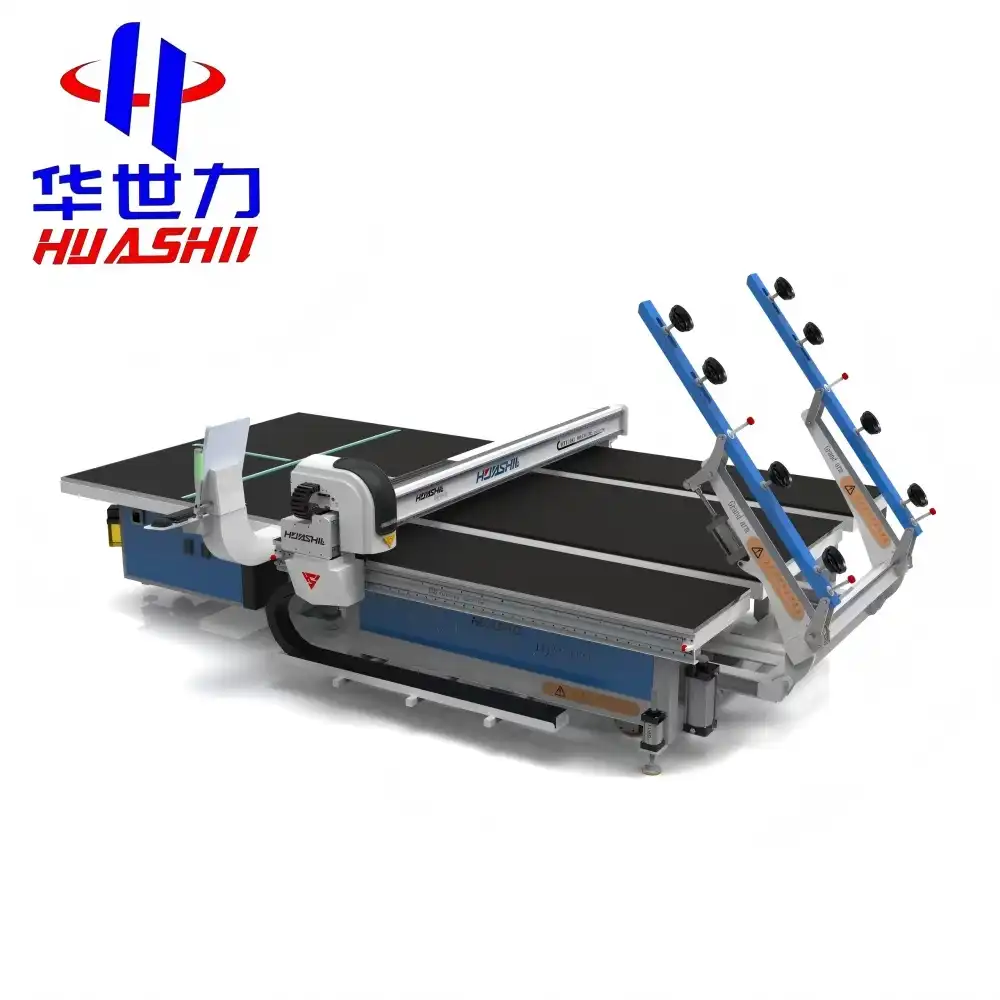
The glass measure table machines that Shandong Huashil Automation Technology Co., Ltd. sells are made with the latest technology and are backed by a lot of manufacturing experience and understanding of the global market. Our dedication to accuracy is shown by the HSL-YTJ3829 model, which has automatic loading, edge finding, and interaction with Optima software to make every cut better. Our equipment meets foreign quality standards that are important for U.S. producers because it has CE and ISO 9001 certifications. Whether you're building new facilities or making improvements to current lines, our engineering team can help you come up with solutions that meet your needs for production volume and accuracy. We offer full help after the sale to make sure your investment keeps working well and gives you a good return on your investment (ROI). Talk to our team at salescathy@sdhuashil.com about how working with a reliable provider of glass measure table machines can change your ability to make things and your place in the market.
References
1. Glass Manufacturing Industry Council. "Precision Measurement Standards for Architectural Glass Processing." Industrial Glass Technology Quarterly, vol. 28, no. 3, 2023, pp. 145-162.
2. Morrison, J.K., and Chen, L. "Automation in Glass Fabrication: Comparative Analysis of Manual versus Automated Measurement Systems." Journal of Manufacturing Technology and Engineering, vol. 41, no. 2, 2023, pp. 78-94.
3. European Committee for Standardization. "Glass in Building - Measurement Accuracy Requirements for Cutting and Processing Equipment." Technical Standard EN 15267, 2022 edition.
4. Blackwell, R.T. "Cost-Benefit Analysis of Automated Glass Processing Equipment in North American Manufacturing." Industrial Efficiency Review, vol. 19, no. 4, 2023, pp. 210-228.
5. International Glass Processing Association. "Best Practices for Calibration and Maintenance of Precision Glass Measurement Systems." Technical Guidelines Publication Series, 2023.
6. Yamamoto, H., and Schmidt, F. "Emerging Technologies in Glass Manufacturing: IoT Integration and Predictive Maintenance Applications." Advanced Manufacturing Technology Journal, vol. 67, no. 1, 2024, pp. 33-51.