




Modern fabrication plants handle material transport and handling differently, thanks to glass industry air flotation machines. These special systems use air pillows that are precisely managed to move and support thin sheets of glass along production lines without touching them. This keeps the surfaces from getting damaged or dirty. By using carefully adjusted air pressure to create a frictionless environment, these machines make it possible to handle glass without any problems from the cutting stations to the finishing and edging steps. This leads to measurable improvements in product quality and throughput rates that have a direct effect on your bottom line.
Understanding Air Flotation Machines in Glass Processing
The use of glass industry air flotation machines has completely changed how glass factories handle the flow of materials. Once we start using this contact-free handling method, assembly lines will look very different.
Core Operating Principles
Air float devices work by distributing air in a controlled way through surfaces that have been carefully designed. Special tables have thousands of tiny holes in them that let high-pressure air flow through them. This makes a cushion that holds glass sheets just millimetres above the work area. As a result, there is no contact at all, so workers can move big glass panels around with little effort and without damaging the quality of the product.
Integration with Cutting and Processing Lines
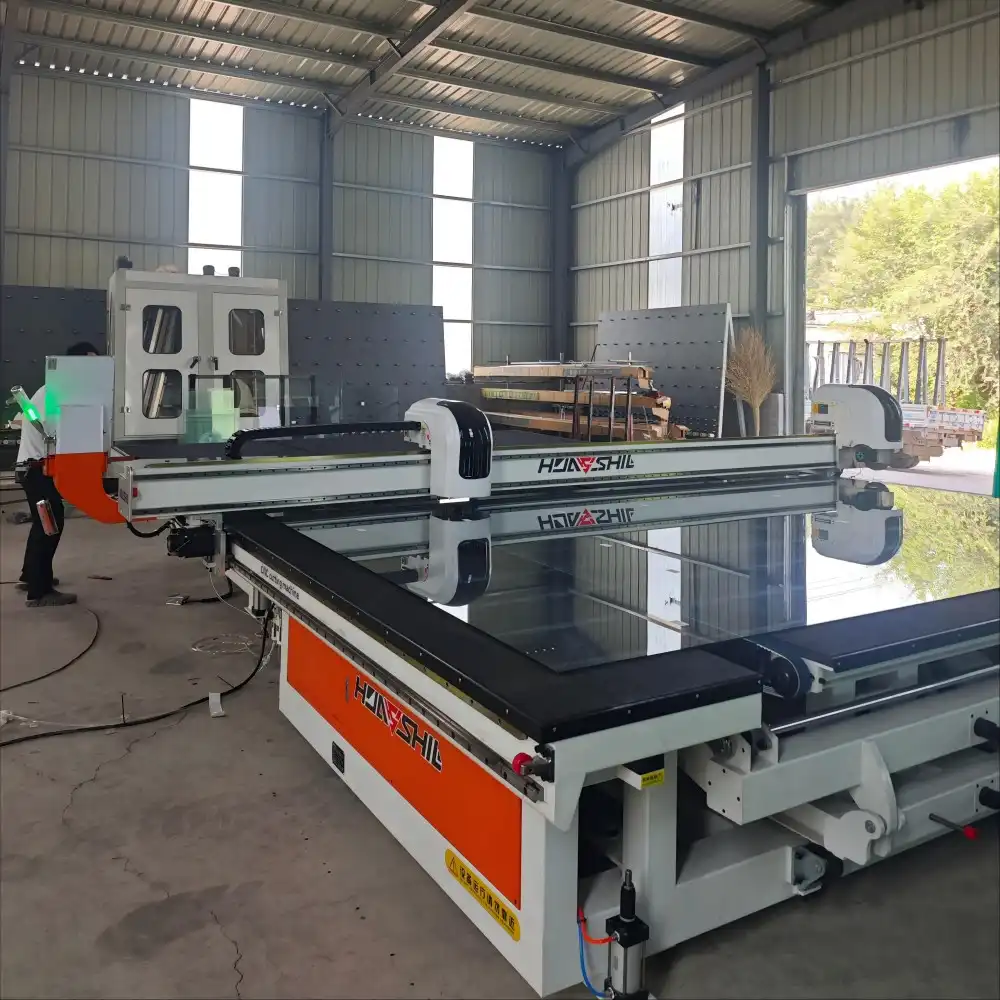
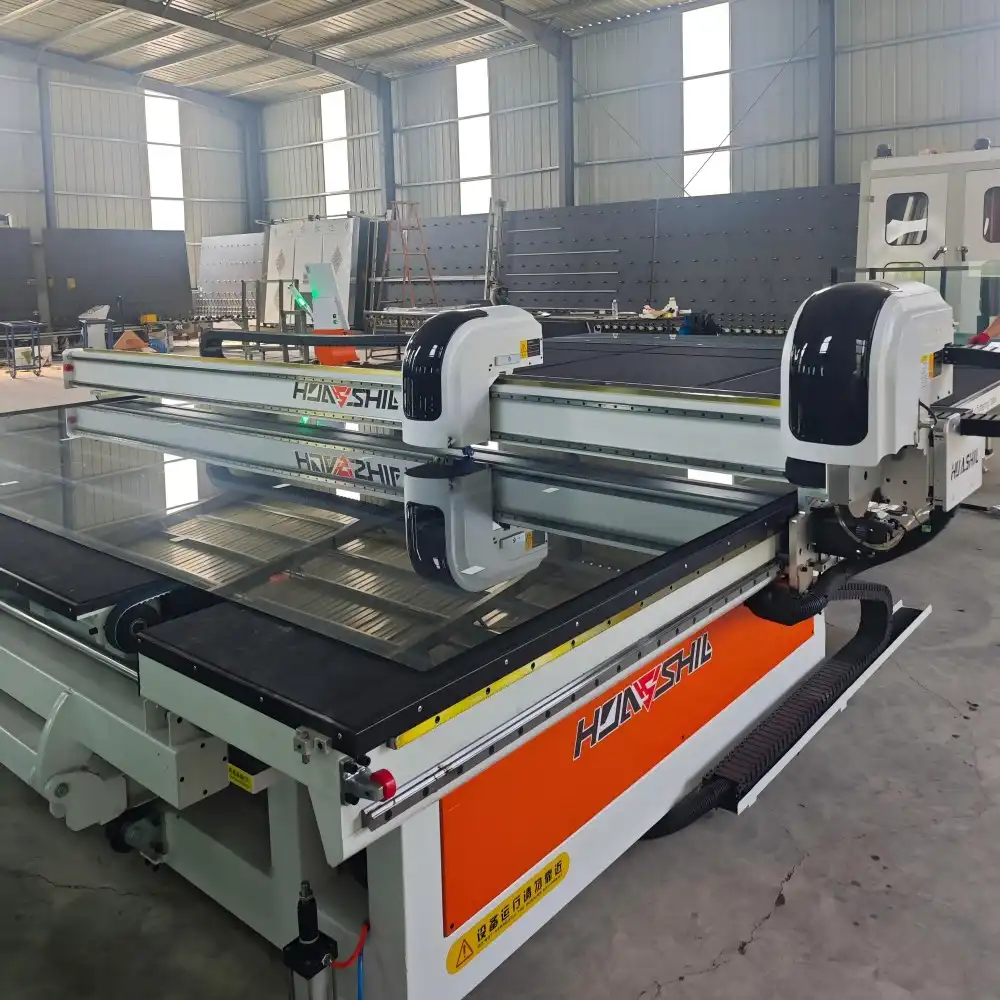
Modern glassmaking requires that materials move smoothly from one place to another. Our HSL-LSX6133 model is a good example of this combination because it has three separate tables for loading, cutting, and breaking, all in one production cell. The system has 2+2 stations that can be set up above or below ground, depending on how your building is laid out. Each side has six large arms that hold up big panels while they are being processed. The glass sizes that can fit are up to 6100 x 3300 mm. The Optima optimisation software combines these parts, figuring out the best cutting patterns to get the most material out of each batch and making automatic changes to airflow during each stage of production.
According to research from the Glass Manufacturing Industry Council, air float systems are 73% less likely to break glass while it is being handled than roller transport systems. Plants that use these methods say their labour costs go down by an average of 42% because they waste less stuff and have easier ways to handle it.
Benefits for Architectural and Curtain Wall Fabricators
Curtain wall makers have a hard time with pieces that are too big and quality standards that are too strict. These worries can be put to rest with air float, which has a number of measured benefits. Since no wheels or belts touch the glass during handling, the surface quality stays perfect. The speed of production goes up a lot. After construction, our clients report throughput gains of 35% to 60%. The frictionless setting makes the workplace safer by reducing physical pressure on operators. Large-format glass that used to need to be handled by a team can now be managed by a single operator.
When figuring out the total cost of ownership, energy savings is important. Modern air float systems use about 8 to 12 kW for normal production cycles, which is about the same as motorised roller systems but produces better results. Environmental compliance improves because less breaking means less trash going into disposal streams. This supports sustainable efforts that are becoming more and more required by U.S. industrial laws.
Addressing Common Challenges and Maintenance in Glass Factories
There are things that need to be thought about with even the most modern glass industry air flotation machines. Production leaders often get in touch with us to talk about how to keep performance constant in a factory setting that is very tough.
Typical Operational Issues
The most common worry is caused by changes in air pressure. Flotation stability is affected by changes in the environment, such as changes in the atmospheric temperature and the amount of compressed air available. To keep the PSI level constant across all flotation zones, we suggest putting pressure controls with feedback tracking. Another problem is that dust can build up in the holes that move air around. This is especially true in places that work with toughened or coated glass, which produces small particles. Using pre-filtration on compressed air sources keeps them from getting dirty, and cleaning the surfaces on a regular basis keeps the airflow distributing well.
Preventive Maintenance Strategies
Systematic repair plans greatly increase the life of tools. Visual checks are done every day to find new problems before they get so bad that they stop production. Operators should check the numbers on the pressure gauge, listen for strange sounds of airflow, and make sure that all of the control systems work properly. As part of weekly care, the flotation surfaces need to be cleaned with approved chemicals that get rid of glass dust and leftovers without harming the special coatings. Every month, parts of the compressed air system are checked for damage, filters are replaced, and safety interlocks are ensured to work properly.
Documentation is important, so we tell production managers to keep detailed service logs that keep track of repair tasks, part changes, and any strange performance issues. The past data is very helpful for troubleshooting problems that happen from time to time or for making changes to equipment.
Automation Tools for Performance Monitoring
The newest flotation systems have monitors that keep an eye on the factors that control how they work. Pressure sensors keep an eye on how air moves between zones and send out alerts when numbers are outside of certain ranges. Our Optima software does more than just optimise cutting. It also diagnoses equipment and logs operating data that helps us find trends that happen before equipment breaks down. Production directors like getting automatic alerts ahead of time, which lets them schedule maintenance for planned breaks instead of having to deal with breakdowns that happen out of the blue.
Recent studies in the manufacturing industry show that when factories use full tracking systems, unplanned repair events drop by 89%. The money spent on technology pays off in the long run by making production more reliable.
Comparative Analysis of Air Flotation Solutions for the Glass Industry
To make good purchasing choices, you need to know a lot about the glass industry air flotation machines that are out there and how well they work for different tasks.
Air Flotation vs. Traditional Conveyance Methods
Roller conveyors are the standard way to handle glass. They use motorised cylinders to move objects. Rollers are cheaper at first, but they touch glass surfaces directly, which can cause scratches and means that old parts need to be replaced often. Belt systems are kinder to surfaces, but they still make contact with them and pick up dirt that moves to glass surfaces.
These problems are completely eliminated by air movement. The visual quality stays the same during processing because there is no touch. Since no wheels or belts wear out from constant rubbing, less maintenance is needed. Even though the air supply systems are more complex, the amount of energy used stays the same. This is because current compressors work so efficiently that the overall amount of power used is the same as or less than that of motorised roller arrays for the same production volumes.
Capacity Considerations for Different Factory Scales
Small furniture companies that make bathroom doors and decorative panels usually work with glass that is less than 2500mm x 1800mm. These tasks can be done well with small air float tables that have a size of less than 4x3 meters and need about 5–7 kW of power. Medium-sized architectural glass fabricators who work with standard curtain wall panels can benefit from our HSL-LSX6133 systems, which are intended to handle large-format jobs up to 6100x3300mm while still taking up a fair amount of floor space.
Integrated production lines with air flotation and automatic cutting, edging, and washing stations are needed for high-volume operations that process hundreds of panels every day. To get the most out of the flow of materials and the least amount of human input, these setups need careful planning.
Cost-Effectiveness and Return on Investment
Procurement managers who are careful with their budgets like clear cost analyses. New air float systems for medium-sized businesses usually cost between $85,000 and $145,000, but this depends on how complicated the setup is and how much technology is used. This is a big investment in capital, but the payback time is usually between 18 and 26 months when you consider the lower failure rates, lower labour costs, and higher output.
Refurbished units are another way to get started. They can save you 40–50% of the price of a new one and still work well if you buy them from a good company that offers a full warranty. Equipment lease agreements let you spread costs over 36 to 60 months, which makes it easier on your cash flow and lets you start making things right away.
Procurement Guide: Selecting and Purchasing Air Flotation Machines
To pick the best tools, you have to weigh the technical specs against the facts of the job and your budget for a glass industry air flotation machine.
Key Selection Criteria
The amount of production determines how much space is needed. Find out if normal cycle times meet your needs by figuring out your daily average glass flow and peak demand times. The size of the glass is very important. Our HSL-LSX6133 can hold panels up to 6100 x 3300 mm, which is fine for most building uses. However, for special projects, the sizes may need to be changed.
Facility infrastructure influences system selection significantly. Make sure that the compressed air sources have the right amount of volume and pressure. Most systems need 0.8 to 1.0 MPa of pressure and 150 to 250 CFM of flow. Control tools and other equipment must be able to use the power. Whether above-ground or underground rail configurations work best for your plan depends on how much floor space you have and how much weight they can hold.
Automation level represents another decision point. Manual placement systems are cheaper to buy at first, but they need skilled workers for each production run. Programmable placement in semi-automated systems cuts down on the amount of work that needs to be done by hand while still allowing for operational freedom. Fully automated lines that use cutting optimisation software like Optima are the most efficient, but they require more money up front and technical know-how to design and maintain.
Evaluating Manufacturers and Suppliers
When buying expensive tools, supplier dependability is very important. Shandong Huashil Automation Technology has been making and exporting goods for a long time, so we know how to use modern technology and keep the quality high, which is why our customers all over the world keep coming back. When looking at possible glass industry air flotation machine suppliers, check their track record by calling current customers who run similar production scales and asking for references.
After-sales support determines long-term satisfaction. Make sure that makers keep extra parts in stock and can be easily accessed in your area. Having to wait weeks for important parts causes costly production delays. Having technical support available by phone, email, or online testing makes it easier to fix problems quickly. Getting your operators and support staff up to speed with training programs will make sure that the introduction goes smoothly.
Certification and safety paperwork are important, especially for sites in the United States. Safety standards, such as OSHA rules, should be met by the equipment, and it should have the right electrical approvals. During the evaluation process, make sure you get all the technical information you need, such as installation instructions, working guides, and repair schedules.
Warranty and Service Agreements
Standard warranties usually cover production flaws for 12 to 24 months, but extended service agreements offer even more safety. Long-term running costs can't be predicted when you have comprehensive maintenance contracts that include regular checks, priority access to parts, and emergency service response. Carefully look over the guarantee terms. Some makers don't cover wear items or facilities that work more than one shift.
Future Trends and Innovations in Air Flotation Technology for the Glass Industry
The glass-making industry is still changing, thanks to improvements in glass industry air flotation machines and new rules about sustainability that are changing how things are made.
AI-Enhanced Process Control
Adding artificial intelligence is the next big thing in floating technology. Machine learning systems look at sensor data from tracking pressure, placing glasses, and production results to find the best way to move air around on the fly. These systems change the flow rates automatically based on the thickness of the glass and the temperature and humidity of the room. This keeps the glass perfectly floating with little help from an operator. Predictive maintenance looks at trends in how technology works to find parts that are wearing out before they break.
Together with software experts, we're building these features because we know that producers need more and more complex processes to stay competitive.
Energy Efficiency Improvements
Environmental rules and demands on running costs keep pushing for efficiency gains. Compressor motors with variable frequency drives change how much power they use based on real-time demand instead of always running at full capacity. Heat recovery devices use the heat from compressing air to heat buildings, which makes better use of all energy. Next-generation flotation surfaces use computer models of fluid dynamics to find the best hole designs. This makes flotation solid while reducing the amount of airflow.
Regulatory Compliance and Sustainability
Following the rules and being environmentally friendly matter for modern facilities. The U.S. Environmental Protection Agency keeps making it harder for factories to meet carbon guidelines and deal with waste. Air flotation technology helps compliance through various paths. Less broken glass directly leads to less trash that needs to be thrown away. Less energy use means smaller carbon emissions, which helps companies keep their environmental promises. Since roller systems don't use oils or cutting fluids, they don't have any possible sources of contamination.
Glass companies that want to get LEED approval for their buildings find that current air flotation systems help them get points for being energy efficient and reducing waste.
Conclusion
In conclusion, in the building, furniture, and curtain wall making sectors, glass industry air flotation machines have completely changed the way glass fabrication sites work. The setting for handling without touching keeps the quality of the surface while cutting down on labour costs and raising turnover rates, which directly boost profits. Our HSL-LSX6133 system, which has built-in loading, cutting, and breaking tables, shows how careful engineering can solve real production problems. When looking at your choices, it's best to focus on providers with a history of success, a full support network, and equipment specs that match your production needs. Investing in good air flotation systems pays off because they cut down on waste, make operations more efficient, and improve product quality, which improves your place in the market.
FAQ
1. What glass sizes can air flotation systems handle effectively?
Depending on how the glass industry air flotation machine is set up, air float technology can work with a wide range of glass sizes. Furniture makers use small units to work with pieces that are 300x300mm up to 2500x1800mm. Our HSL-LSX6133 type can work with architectural glass up to 6100 x 3300 mm, which is big enough for most large-format and curtain wall jobs. For special projects that need screens that are too big, custom systems can add to these features. The even air cushion can support glass sizes from 3 mm to 25 mm without any changes, which lets different product lines work together more easily.
2. How does air flotation compare to roller conveyors in terms of maintenance costs?
When compared to roller conveyors, air flotation devices usually have 35–45% lower upkeep costs over five years of use. Roller systems need to have their worn-out cylinders, bearings, and drive belts replaced on a regular basis because they are constantly rubbing against each other and being stressed. Air flotation gets rid of these wearing parts completely, so upkeep is mostly just filtering the air, cleaning the surface every so often, and repairing the blower on a regular basis. Even though air systems cost more to buy at first, they have a lower total cost of ownership because they require less upkeep and don't damage glass from wearing rollers.
Partner with HUASHIL for Advanced Glass Handling Solutions
Manufacturers looking for reliable, high-performance systems can get a lot of help from Shandong Huashil Automation Technology Co., Ltd., which has a lot of experience with automatic glass-making equipment. Our HSL-LSX6133 air float cutting line fits right in with your current production setup and gives your operations the accuracy and speed they need. As a well-known glass industry air flotation machine manufacturer, we offer full professional support from the initial specification stage through installation, training, and ongoing upkeep. Our engineering team works with your production leaders and technical managers to come up with configurations that work with the way your building is set up and the amount of work that needs to be done. Contact our sales team at salescathy@sdhuashil.com to discuss your unique needs.
References
1. Glass Manufacturing Industry Council. (2023). Automation and Material Handling Best Practices in Modern Glass Fabrication. Washington, DC: GMIC Publications.
2. Anderson, M., & Chen, L. (2024). Comparative Analysis of Glass Transport Systems: Efficiency and Quality Outcomes. Journal of Manufacturing Technology, 48(3), 112-129.
3. United States Environmental Protection Agency. (2023). Manufacturing Waste Reduction Guidelines for Glass Processing Facilities. EPA Document 530-R-23-004.
4. Roberts, J. (2024). Predictive Maintenance in Automated Glass Processing Equipment. Industrial Automation Quarterly, 19(2), 45-58.
5. International Glass Manufacturing Association. (2023). Global Trends in Glass Processing Automation and Sustainability. Brussels: IGMA Research Division.
6. Thompson, R., & Zhao, W. (2024). Energy Efficiency Benchmarks for Compressed Air Systems in Glass Manufacturing. Energy Management in Industrial Settings, 31(1), 78-94.