




Glass-making shops all over the US are under more and more pressure to do precise work while keeping up with tight production plans and rising labour costs. A mobile glass cutter turns this problem into an opportunity by automating cutting jobs that need to be done over and over, cutting down on waste, and speeding up work processes. These high-tech tools get rid of the mistakes that come with doing things by hand. They provide consistent accuracy, which means fewer rejects and less expensive rework processes. Adding automatic glass cutting systems to your production line will increase output and overall efficiency, making your facility more competitive in the markets for architectural glass, curtain wall fabrication, and decorative glass.
Understanding Mobile Glass Cutters and Their Impact on Production Costs
What Makes Automated Glass Cutting Technology Different
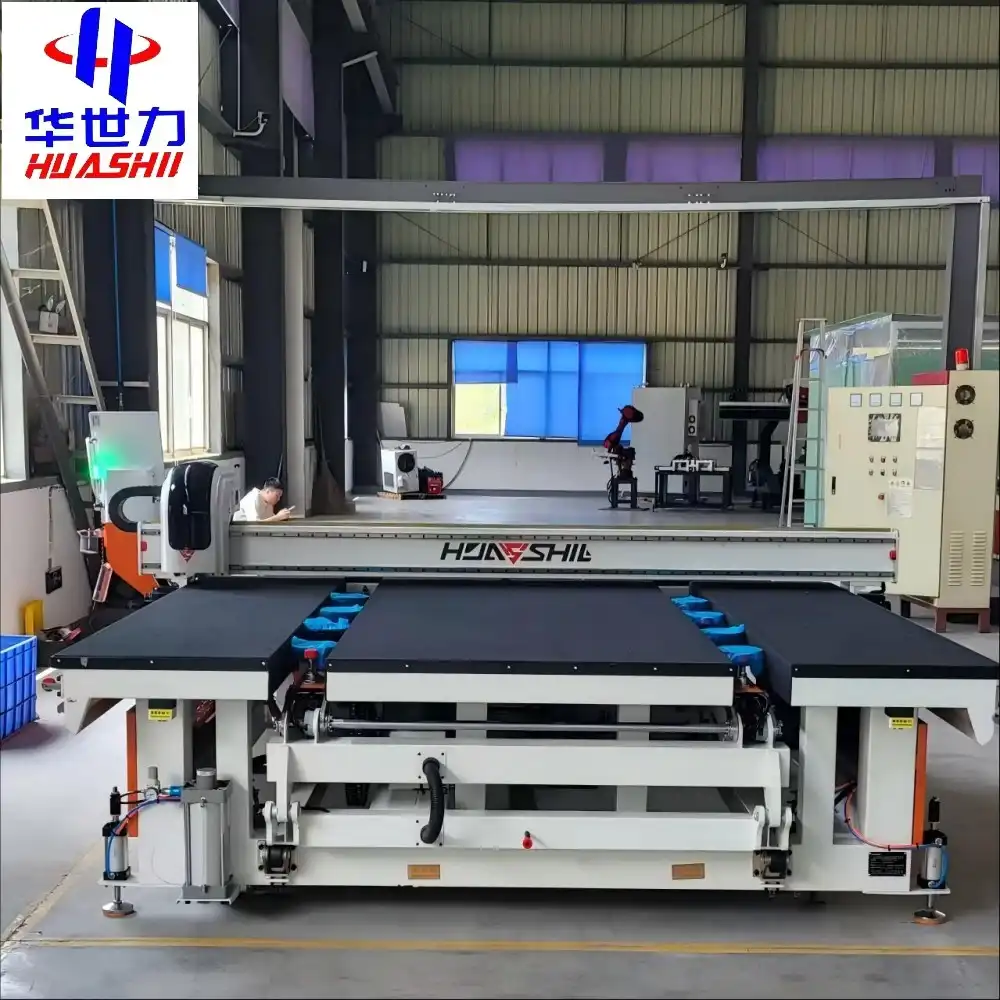
CNC controls, precision servo motors, and optimisation software are all built into modern automated glass cutting equipment so that complex cutting designs can be carried out without constant human input. Handheld tools depend on the skill and energy of the worker to do their job. These systems, on the other hand, keep cutting speed and accuracy constant over long production runs. The HSL-CNC2721 model is a good example of this change because it can work with glass panels that are up to 2700x2100mm and have a width of 2mm to 19mm. Its Optima optimisation software figures out the best way to nest glass sheets so that the most material can be made from each one. This cuts down on waste by 15 to 20 per cent compared to human planning methods.
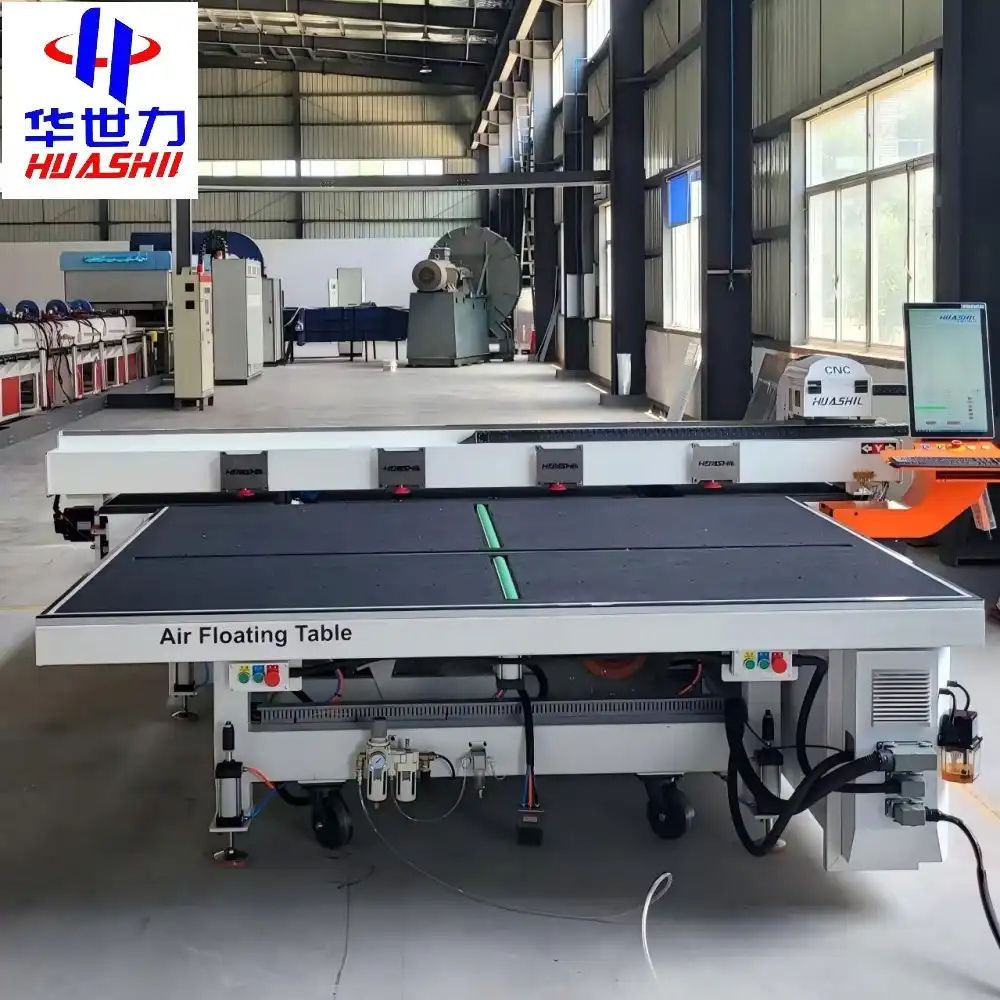
Several ways to cut costs are working at the same time to help industrial glass makers. Automated edge recognition gets rid of measurement mistakes, and air floating systems keep glass surfaces safe while they are being placed, which lowers the risk of breaking them during transport. With the remote control feature, one person can safely oversee the cutting cycle from afar, freeing up workers to do jobs like quality control or processing that come after. This change in the spread of workers has a direct effect on your labour cost per unit made.
How Precision Engineering Lowers Total Cost of Ownership
Cutting accurately within a range of 0.1mm makes sure that parts fit properly when put together, which saves time and money by avoiding expensive changes that need to be made in the field when installing curtain walls or making furniture. This level of accuracy is especially useful when making toughened glass units, since any mistakes in the dimensions found after hardening mean that all the material and time spent on the process are lost. Automatic pressure control changes the cutting force based on the type and thickness of the glass. This makes the cutting wheel last longer and saves money on replacement parts.
When production managers keep an eye on how well the equipment is working, they notice that automatic systems make 300 to 400 cuts per eight-hour shift, while manual methods only make 120 to 150 cuts. With three times as much work getting done, facilities can handle bigger orders without having to pay extra for overtime or add extra jobs. The CE and ISO9001 certifications for tools like the HSL-CNC2721 give users peace of mind about their dependability, lowering the costs of unexpected downtime and upkeep issues that drive up costs.
Key Techniques and Safety Practices That Enhance Efficiency
Operational Protocols That Maximise Machine Performance
Proper machine calibration and human training are the first steps to a successful application when using a mobile glass cutter. Setting up consistent loading processes makes sure that glass sheets line up properly with vacuum hold-down systems. This stops the sheets from slipping during the cut, which hurts both the material and the cutting tools. We suggest making standard work directions that list the best cutting speeds for different types of glass. This will make it easier for workers to quickly choose the right settings. Regular checks of the cutting head's position keep it accurate over thousands of cuts, stopping the quality of the output from slowly getting worse.
The 360-degree remote control feature makes things safer and more efficient by letting workers watch the cutting process while getting new materials ready. This method of parallel processing gets rid of the time that machines sit idle between cutting rounds, which directly boosts your facility's production capacity. When workers move materials during the current cutting cycle, it takes almost no time to get ready for the next run.
Maintenance Strategies That Protect Equipment Investment
Schedules for proactive repair keep machines accurate and stop expensive, unexpected downtime. The air float system is checked every day to make sure the surface is always protected, and the linear guides and bearing kits are checked once a week to find wear before it affects the quality of the cut. We suggest keeping a stockpile of extra parts for things that are used up quickly, like cutting wheels, vacuum cups, and drive belts, so that production doesn't stop when parts need to be replaced.
Lubricating working parts according to the manufacturer's instructions makes them last a lot longer. For the automatic edge-finding feature to keep working correctly, the sensors need to be calibrated on a regular basis. This is a quick and easy process that keeps material from going to waste when cuts aren't lined up correctly. Recording maintenance tasks creates a performance standard that helps technical teams spot patterns of decline before they get so bad that they lead to failures that need costly repairs or replacement of parts.
Comparative Analysis: Mobile Glass Cutters vs Traditional Glass Cutters
Labor Efficiency and Throughput Comparisons
When cutting things by hand, the user has to keep paying attention and working hard, which limits the amount of work that can be done at once. After four or five hours of hard cutting, workers are tired, which makes them less accurate and more likely to make mistakes during afternoon jobs. Automated systems keep the same level of performance throughout shifts and across multiple days, so there is no variation in production caused by people. A factory that currently handles 50 glass panels every day by hand can increase output to 150–180 panels with mobile glass cutters, and they usually don't have to hire more workers.
The chance to move workers around has a lot of value that goes beyond just cutting jobs. People who are skilled and used to doing repetitive cutting tasks can move on to more complicated jobs like quality assurance, equipment operation, or making templates. This workforce optimisation raises the technical skills of your production team and makes workers happier with their jobs at the same time.
Material Utilization and Waste Reduction
Optimisation software built into automated systems figures out the best way to nest glasses so that as little glass as possible is wasted. Most of the time, manual planning only uses 75–80% of the material, but CNC systems with nesting software always get 88–92% output. If you use $500,000 worth of glass every year, this increase will save you $40,000 to $60,000. When working with low-iron or specialty-treated glass, where materials cost a lot more than normal float glass, these numbers become even more important.
Improvements in cutting precision mean that less edge grinding is needed, which saves time and money on abrasives used in later steps. Consistent cut quality also lowers the number of rejects during quality checking, and consistent dimensions make it easier to put things together. Most of the time, these secondary cost benefits are equal to or greater than the main savings from fewer hours worked.
How to Choose the Right Mobile Glass Cutter for Your Business
Matching Equipment Capabilities to Production Requirements
First, procurement teams should look at the current and planned production numbers, as well as the standard glass sizes and thickness ranges that are processed on a daily basis. Facilities that mostly work with building glass for doors and windows benefit from having tools with big cutting tables and accurate positioning. The HSL-CNC2721 and other machines with a capacity of 2700 x 2100 mm can cut standard jumbo lite sizes with precision across the whole cutting area. For operations requiring flexibility across multiple workstations or large-format sheets, a mobile glass cutter provides the advantage of on-the-floor positioning, reducing manual handling and allowing operators to score directly on the storage rack or transport cart.
Check to see if your product line includes speciality uses that need high-quality edges, like car glass, artistic panels, or smart mirror substrates. When it comes to these tasks, CNC systems are more consistent than human methods, but the technical specs range from model to model. Ask for specific information about the machine's performance, such as its cutting speed at different glass sizes, the widest possible tolerances, and its ability to work with different types of glass, such as laminated and covered materials.
Assessing Supplier Support and Long-Term Viability
Buying equipment is an investment that pays off over a number of years, and after-sales help has a big effect on the total cost of ownership. Check to see what the provider can do in terms of professional training, getting extra parts, and helping with remote diagnostics. Companies with tech teams in big areas can respond more quickly when they need to fix a problem. Manufacturers who offer warranties that last longer than the standard one year show that they are confident in the reliability of their products.
Check to see if the providers can make changes so that their products can work with your current production lines or meet your specific handling needs. When adding fully automated systems, facilities should work with makers that can make cutting, edging, and washing tools work together as a single unit. This systems-level method makes commissioning easier and makes sure that all the parts work together, which lowers the technical risk that comes with putting together tools from different manufacturers.
Real-World Case Studies: Reducing Labor and Production Costs
Architectural Glass Fabricator Achieves 30% Productivity Increase
Using old-fashioned cutting methods, a mid-sized window factory in the Midwest had trouble with uneven output and high labour costs. The company couldn't take on bigger business projects because of its limited production capacity, even though the market wanted them a lot. After adding automatic cutting equipment, the facility went from making 85 to 112 panels per day while cutting the number of people working in the cutting area from four to two.
Because of the rise in productivity, the company was able to successfully bid on a 300-unit business window job that it would not have been able to do before. The amount of trash dropped from 22% to 9%, which saved about $35,000 a year on glass costs. Also, better edge quality cut down on grinding time by 40%, which meant that the manufacturing department could do more work without having to buy more tools.
Furniture Manufacturer Reduces Labor Hours While Improving Quality
A company that makes artistic glass and furniture had trouble making sure that operators of all skill levels could consistently cut high-quality pieces. Changes in the way the parts were cut by hand led to 12–15% reject rates during final assembly, which caused a lot of extra work to be done and caused delivery delays. When CNC cutting technology was used, quality was standardised across all production runs, and rejects dropped to less than 3%.
The amount of time workers spent on cutting tasks dropped by 55%, which allowed the company to move workers to assembly and finishing tasks, which paid better for skilled workers. The changes in consistency also made ties stronger with store customers who sometimes had problems with the quality of custom glass furniture sales. Within eighteen months, the investment in tools was fully recouped through savings in labour and less waste.
Conclusion
Automated glass cutting technology makes production more efficient, allows for better use of materials, and enables more consistent quality, all of which lower running costs. Precision CNC systems are replacing manual processes in glass manufacturing shops so that they can make more with less work and spend less on scrap and repair. When you put together optimisation software, automatic controls, and solid mechanical systems, you get a long-term competitive edge in markets that want both quality and low costs. When production managers look at changes to their equipment, they shouldn't just look at the purchase price. They should also look at the total cost of ownership, which includes things like labour savings, material efficiency, and quality improvements. A mobile glass cutter offers additional flexibility for facilities that handle large-format sheets or require on-site repositioning, allowing operators to bring the cutting head directly to the material rather than moving heavy glass panels across the shop floor. By investing strategically in technology, you can set up your facility to take on bigger projects and customers with higher expectations. You can also protect your business from rising labour costs.
Frequently Asked Questions
1. What maintenance protocols ensure optimal mobile glass cutter performance?
Cleaning the air float system and cutting table every day gets rid of glass bits that stop the vacuum hold-down from working properly. Linear guides and ball screws won't wear out as quickly if they are oiled once a week, according to the manufacturer's instructions. The automatic edge-finding sensors are calibrated once a month to keep the settings accurate. We suggest checking the electrical connections, servo motor brushes, and drive belt tightness every three months. Keeping a maintenance log helps you find trends that can help you figure out when to replace parts. This way, you can schedule repairs ahead of time and avoid unplanned downtime.
2. Can automated glass cutting systems handle diverse glass types and thicknesses?
These days, CNC glass cutters can work with tempered, laminated, coated, and low-iron glass, as thin as 2 mm for smart mirrors and as thick as 19 mm for building windows. The automatic pressure control feature changes the cutting force based on the properties of the material. This makes sure that the scores are clean and the surface is not damaged. Different cutting wheel standards work best with different types of glass, and providers can help you figure out how to use speciality materials.
3. How do automated systems improve workplace safety compared to manual cutting?
Using a remote control keeps people from getting too close to moving machinery, which eliminates the risks of pinch points and getting caught. When you use automated material handling, you don't have to lift heavy things over and over or stand in odd positions, which are common problems when working with glass by hand. When safety barriers are broken, emergency stop systems stop all motion right away. This keeps workers from coming into contact with cutting tools or moving glass panels.
Partner with HUASHIL for Advanced Glass Cutting Solutions
HUASHIL brings decades of experience as a robotic engineer to glass production shops that want to make real gains in productivity and cost savings. Our HSL-CNC2721 mobile glass cutter maker gives architectural glass plants, curtain wall producers, and furniture manufacturers the accuracy, dependability, and performance they need to compete in tough markets. The CE and ISO9001 certifications for the tools show that we meet the quality standards that commercial buyers in the U.S. expect.
We know that buying tools is a big financial decision that needs to be backed up by a lot of expert research and good financial sense. Our engineering team gives you thorough performance specs, a study of your output capacity, and a total cost of ownership calculation that is based on your exact operating needs. Email our purchasing agents at salescathy@sdhuashil.com to talk about how automatic cutting technology can change the way you make things and to ask for detailed information that will help you evaluate the equipment.
References
1. Anderson, M. (2023). Automation in Glass Manufacturing: Technology and Economic Impact. Industrial Processing Quarterly, 45(3), 112-128.
2. Chen, L. & Roberts, P. (2024). Precision Cutting Systems for Architectural Glass Applications. Journal of Manufacturing Technology, 38(2), 67-84.
3. Glass Manufacturing Industry Council. (2023). Cost Analysis of Automated vs Manual Glass Processing. Washington, DC: GMIC Publications.
4. Martinez, R. (2024). CNC Technology in Glass Fabrication: Operational Best Practices. Glass Technology International, 17(1), 34-49.
5. Thompson, J. & Williams, K. (2023). Material Optimization Strategies in Glass Manufacturing. Production Engineering Review, 52(4), 201-218.
6. United States Bureau of Labor Statistics. (2024). Labor Cost Trends in Glass Product Manufacturing. Washington, DC: Department of Labor.