




The glass loading table with arm is a big step forward in material handling technology. It combines remote-controlled accuracy with air flotation to completely change how glass makers move and place big sheets. This automated approach solves important problems in the production of architectural glass, curtain walls, and furniture by reducing the risks of moving heavy objects by hand and increasing output. Modern loading systems are essential for businesses that put worker safety and production speed first. They come with features like built-in braking systems and the ability to move around 360° with a remote control.
Understanding Glass Loading Tables with Arm: Features and Functionalities
The development of glass loading tables with an arm has made huge steps forward in how industries work. Modern loading tables with flexible arms make it easier to handle large glass panels and sintered stone sheets in manufacturing facilities than ever before.
Core Components of Advanced Loading Systems
Modern glass loading tables with an arm are based on air flotation technology. The friction factors are almost zero because tiny air cushions are created under the glass surface. This makes it easy for operators to move 3660mm x 2440mm panels across work areas with little physical effort. This frictionless movement device stops tiny scratches that hurt the clarity of images used in architectural applications.
With the 360° remote control device, users can navigate in any direction. Using wireless control units, technicians move glass sheets through tight production line setups while staying away from heavy loads. This ability to operate from a distance is especially useful when placing panels close to CNC cutting stations or edging tools that are hard to get to by hand because of limited space.
The loading function is complemented by built-in breaking tables that provide specialized surfaces for controlled glass separation after score operations. Putting these functions into a single unit saves floor space and makes it easier to move from the cutting stage to the breaking stage.
Safety Features and Ergonomic Design
Multiple safety procedures are built into equipment that meets CE and ISO9001 standards. When unexpected hurdles come up, emergency stop mechanisms act within milliseconds, and overload sensors stop the system from trying to lift things that are too heavy for it to handle. Anti-collision devices look for people or things close and stop moving automatically if clearance limits are crossed.
Ergonomic concerns go beyond just making sure things are safe. Using human factors engineering principles, the location of the control panel puts buttons that are used a lot in easy-to-reach places. Visual indicators let workers know about system state, air pressure levels, and operating modes in real time, so they don't have to take their eyes off the glass loads.
Maintenance Requirements for Sustained Performance
Scheduled repair is needed for operations to work well. To keep particle pollution from hurting flotation performance, air compressor screens need to be checked once a week. Lubricating artificial arm joints once a month makes sure that they can move freely throughout their entire range of motion. Safety devices should be recalibrated once a year to keep their reaction accuracy as the parts age.
Predictive repair methods are helpful for buildings that work multiple shifts. Vibration analysis of drive motors finds worn-out bearings before they fail completely, and pressure tracking systems find air leaks in flotation pipes. These proactive steps cut down on unplanned downtime during times of high production.
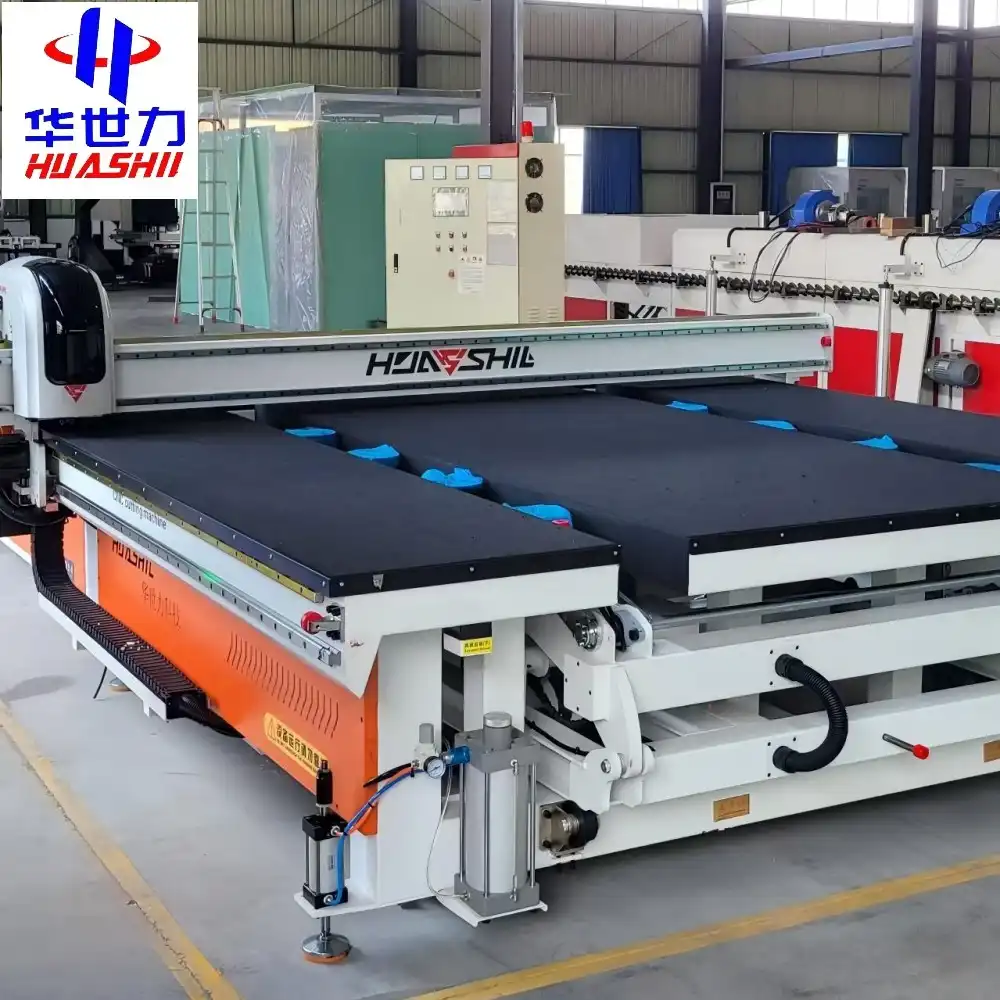
How to Operate and Maintain a Glass Loading Table with Arm Effectively
Learning how to use a glass loading table with arm and doing regular repairs has a direct effect on how long it lasts and how consistently it produces goods. With the right training, workers can get the most out of their investments in technology and avoid making mistakes that cost a lot of money.
Step-by-Step Operating Procedures
Preparing the area for an operation includes making sure there are clear paths between the loading stations and the equipment that will do the processing later. Before turning on floating systems, operators make sure that air pressure gauges read within certain ranges. Power-on processes are set up according to the manufacturer's instructions, which include initializing control systems and doing diagnostic self-checks.
The remote control starts by slowly speeding up the glass to see how stable it is on the floating surface. Operators keep an eye on the loads as they move and change the speed based on the size of the panels and how evenly the weight is distributed. As the target places get closer, deceleration starts early to avoid changes in motion that could damage the edges of the glass.
When using a breaking table, the glass must be perfectly lined up over the pivot edge. Once the scoring part of CNC cutting is done, workers use foot pedals to start the breaking process. This way, they can still use their hands to guide the pieces as they come apart. This planned method makes sure that the breaks are clean along the score lines and doesn't cause any fractures that aren't needed.
Proactive Maintenance Strategies
Every day, inspections make sure that the float holes are clean because glass dust builds up and blocks airflow, which lowers the raising performance. The operators clean the surfaces with lint-free cloths and make sure the air links are still tight. Checking the amount of hydraulic fluid and figuring out how worn the cables are on robotic arms are now part of the weekly jobs.
Problem-solving for common problems saves time that could be used for output. When flotation performance drops, technicians find the trouble spots by trying to separate parts of the manifold. Uneven lifting usually means that the air holes are blocked and need to be cleaned with ultrasound waves. Problems with control systems can usually be fixed by updating the software or following the steps in technical guides for recalibration of sensors.
Seasonal upkeep takes into account how the weather affects the performance of tools. During the summer, humidity control keeps water from getting into pneumatic systems. In the winter, operations need warm air sources in buildings that aren't insulated. Because of these external factors, parts last longer, and the same levels of performance are reached all year long.
Comparing Glass Loading Tables: With Arm vs Without Arm & Electric vs Manual
Clear comparisons that show the useful differences between equipment setups help people make decisions about what to buy. Knowing the differences between capabilities helps match the specifications of tools to the needs of production.
Articulated Arm Advantages in Production Environments
When compared to stationary platforms, glass loading tables with an arm are much more productive. The arm's reach makes working areas bigger, so one person can work on more than one processing station without having to move the whole table. This wider covering cuts down on the number of glass loading tables with arms needed in production lines with more than one stage, which lowers the cost of capital.
Along with better usefulness comes better safety. Operators never have to lift or carry glass between stations by hand, which gets rid of the main reason why people get hurt at glass manufacturing plants. Loading tasks can be done well by people who have physical limits, which increases the pool of available workers and supports inclusive job practices.
Glass loading tables with an arm are different from basic platforms because they can be precisely placed. Within ±2mm of repeatability, alignment with CNC machine tool roots is always the same. This cuts down on setup time and material waste from cuts that aren't lined up right. This level of detail is very important when making curtain walls, because correct measurements affect how well the whole building environment works.
Electric vs Manual Operation Considerations
When compared to manual options, electric drive systems are better at handling loads and keeping things running smoothly. Even though they cost more to buy at first, electric types are more cost-effective in sites that process more than 50 panels every day. Electric tables get rid of the need for multiple workers to move large sheets, which saves a lot of money on labor costs.
In some situations, manual tables are still useful. Small furniture companies that make personalized glass pieces can get started with less money and with fewer upkeep requirements. When daily panel volumes are too low to support automation investments, operations with inconsistent production plans don't need to deal with the complexity of electric systems.
Applications with heavy loads need electric power assistance. Panels that weigh more than 300 kilograms are too heavy to handle by hand, no matter how strong the person is. Electric drive motors keep their speeds constant even when they are loaded with different amounts of weight. This keeps the glass from moving in jerky ways that could damage it when moved by hand.
Choosing the Right Glass Loading Table with Arm for Your Business
When choosing the right glass loading table with arm for your company, you need to look at more than just the price. A good buying process combines short-term operating needs with long-term help and scalability needs.
Critical Evaluation Criteria
The load capacity must be higher than the largest panel measurements that can be expected, with enough room for error. The HSL-SPT3624 model can hold sheets that are up to 3660 mm x 2440 mm, which is big enough for large glass sizes used in modern architecture. Facilities that want to grow in the future should focus on glass loading tables with an arm that offers ways to upgrade to bigger sizes without having to replace whole systems.
How hard and how long it takes to perform depend on how compatible the production line interaction is. Standardized communication methods allow equipment to easily connect to CNC machines, edge systems, and warehouse management software that is already in use. When you have proprietary control systems, you can't switch vendors, which makes it harder to grow or update your technology in the future.
Infrastructure for after-sales help has a big effect on business continuity. Keeping extra parts in stock locally by suppliers cuts down on machine downtime when parts need to be replaced. For factories that run continuous production plans, having technical help available during the second and third shifts is important. Manufacturers who back their products with warranties that cover both parts and labor for at least 24 months show that they trust the tools to work well.
Supplier Evaluation and Negotiation Strategies
Manufacturers that have been around for a long time, like Shandong Huashil Automation Technology Co., LTD, have decades of experience designing tools and helping customers. In the past, they've installed things in architectural glass plants, curtain wall makers, and furniture manufacturers, showing that they can adapt to a wide range of needs. Certifications like CE and ISO9001 show that a product meets foreign safety and quality standards.
By asking for factory examples, tech teams can see how well equipment works in real-life situations. Video footage of similar installations gives promises of potential even more weight. Referrals from current customers who run similar production numbers can help you figure out how reliable a supplier is over the long term and how quickly they can solve technology problems.
When you negotiate for big purchases or full production line packages, you can often get better prices and longer guarantee terms. Talking about OEM and ODM customization choices early on in the buying process makes sure that the specifications of the equipment perfectly match the specific needs of the operation. Payment structures that allow for deposit arrangements or letter of credit terms make foreign trade easier while handling financial risk properly.
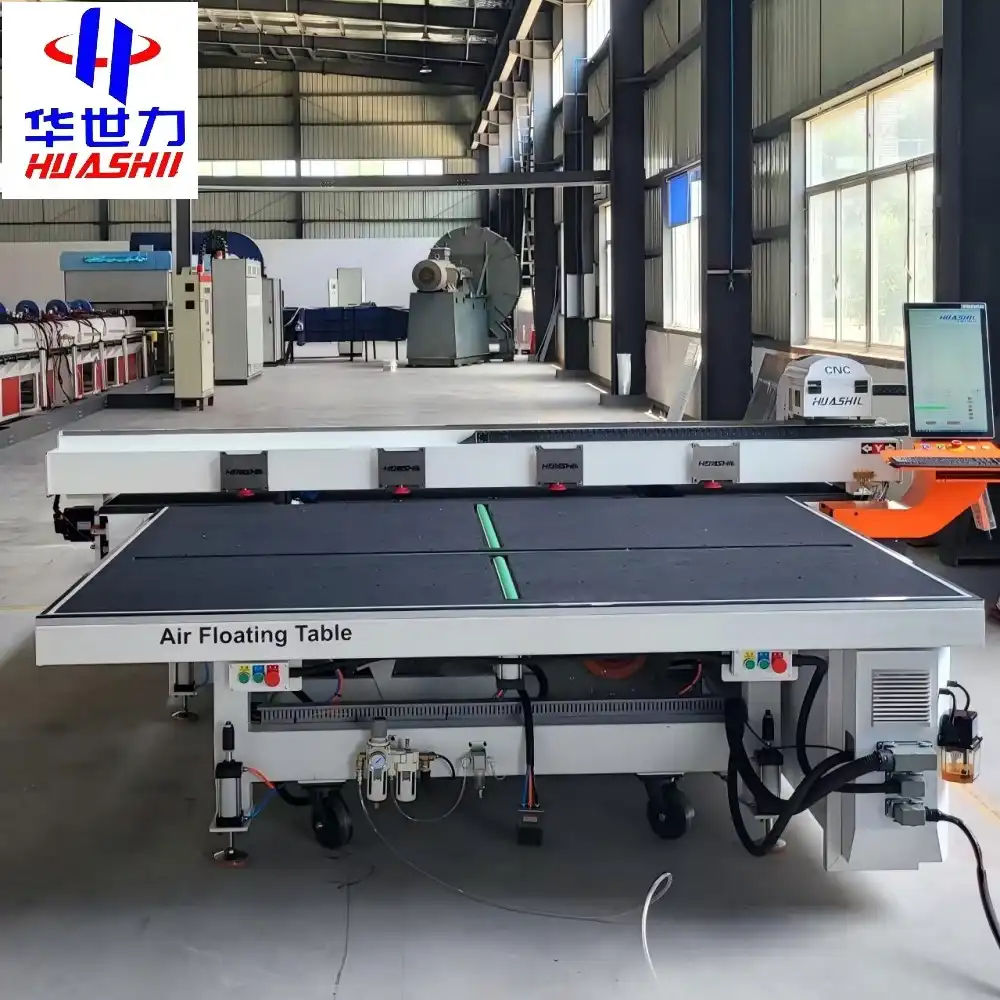
The Future of Glass Loading Tables with Arm: Trends and Innovations
As technology keeps getting better, glass loading tables with arm equipment keep getting new features that make them safer, more productive, and better for the environment. By keeping up with new trends, producers can keep their competitive edge by making smart investments in equipment.
Automation and Control System Evolution
Augmented reality guide systems are built into next-generation remote control devices. Operators who wear smart glasses get visual overlays that show them where to put their glasses optimally and how far away they are from other equipment in real time. This improved positional awareness cuts down on placing mistakes and speeds up the training of operators.
Using artificial intelligence to help with maintenance planning makes it possible to do better than current planned methods. Machine learning systems look at patterns of vibration, trends in power use, and working cycle data to predict when a part will break weeks before it happens. Maintenance teams get prioritized work orders with exact part numbers for replacements. This cuts down on the time and money needed to do repairs and keep supplies.
Using artificial intelligence to help with maintenance planning makes it possible to do better than current planned methods. Machine learning systems look at patterns of vibration, trends in power use, and working cycle data to predict when a part will break weeks before it happens. Maintenance teams get prioritized work orders with exact part numbers for replacements. This cuts down on the time and money needed to do repairs and keep supplies. Leading glass cnc cut out machine suppliers are integrating these same AI-driven diagnostic capabilities into their cutting systems, enabling predictive alerts for spindle wear, coolant pump performance, and axis drive health to minimize unplanned interruptions.
Sustainability and Energy Efficiency Improvements
During partial-load activities, variable frequency drive technology cuts down on the amount of power used. Motors don't run at full capacity all the time; instead, they only use as much power as they need to lift something. Compared to older fixed-speed designs, these new ones can save 30 to 40 percent of the electricity used each year. They also reduce carbon emissions, which is important for makers who care about the environment.
When a vehicle slows down, regenerative braking systems collect its kinetic energy and feed it back into the building's electricity lines. Even though the amounts of energy recovered may not seem like much, when added up over many daily cycles, they add up to real cost savings. This technology is especially helpful for centers that handle hundreds of panels every day.
When structural conditions allow it, recycled materials can be used instead of standard steel parts. Aluminum metal frames are just as strong as steel frames, but they are lighter. This means they use less energy when they're being moved and are easier to recycle when they're no longer needed. Project sustainability scorecards are becoming more and more important to manufacturers who want to get LEED approval or other environmental awards.
Conclusion
To stay competitive in the glass production business, modern glass loading tables with an arm, 360° remote control, and air flotation systems are must-have piece of equipment. The HSL-SPT3624 model shows how combined breaking tables and automated positioning technology can meet the complicated needs of the furniture, curtain wall, and architectural glass industries. Operations meet their output goals while adhering to strict safety standards by carefully choosing equipment that balances capacity, integration compatibility, and provider support. New developments in robotics, predictive maintenance, and energy economy show that glass handling will continue to get better.
Frequently Asked Questions
1. What distinguishes glass loading tables with arms from standard loading platforms?
Armed glass loading tables with an arm have automatic positioning systems that make them easier to use and allow exact placement of glass across multiple processing stations from one place. Standard platforms need to be moved by hand, or more than one unit is needed to cover the same area. The articulated arm design cuts down on the amount of work that needs to be done, makes things safer by getting rid of the need to move things by hand, and provides placement accuracy within ±2mm limits, which is important for CNC machining operations. The remote control feature lets workers move loads from a safe distance. This is especially helpful when moving panels close to cutting machines or navigating crowded factory floors.
2. How does the air flotation system protect glass surfaces during transport?
Air flotation technology uses carefully designed surface perforations to create tiny cushions under glass panels. Continuous airflow keeps the glass and table sides from touching, which almost completely eliminates friction. This smooth surface stops tiny scratches that hurt the quality of light in building uses, and makes moving hundreds of kilograms of panels around easily by hand. Pressure control devices change the flow of air based on the weight of the panel. This keeps the lift height the same for all types of glass and materials, even sintered stone.
3. What maintenance intervals do automated loading tables require?
As part of daily upkeep, the surface is cleaned, and the float holes are checked to get rid of glass dust that blocks airflow. Checking the amount of hydraulic fluid, making sure air connections work, and lubricating mechanical joints are all things that need to be done every week. Every month, routines include checking the drive motor, checking the wear on the cables, and making sure the safety sensors work. Professional work once a year includes recalibrating the whole system, replacing the bearings, and updating the software. Facilities that run continuous production can use predictive maintenance to plan when to change parts before they break. This is done by keeping an eye on patterns of sound and power use.
Partner with HUASHIL for Superior Glass Handling Solutions
For production to be efficient, the tools must be reliable and come with full expert help. HUASHIL is a well-known company that makes the glass loading table with arm. They offer tried-and-true robotic solutions to architectural glass makers, curtain wall manufacturers, and furniture manufacturers all over the world. Our HSL-SPT3624 model has an accurate remote control that works in all directions, air flotation technology, and built-in braking capabilities. It is approved by CE and ISO9001 standards. Email our engineering team at salescathy@sdhuashil.com to talk about customization choices that fit the needs and capacity forecasts of your production line.
References
1. Glass Manufacturing Industry Council. (2022). Automated Material Handling Systems in Modern Glass Fabrication Facilities. Industrial Glass Technology Quarterly, 18(3), 45-62.
2. Peterson, R. & Martinez, J. (2023). Comparative Analysis of Manual versus Automated Glass Loading Systems: Productivity and Safety Outcomes. Journal of Manufacturing Process Optimization, 31(2), 112-128.
3. European Committee for Standardization. (2021). Safety Requirements for Glass Processing Machinery: Air Flotation and Robotic Handling Systems. CEN Technical Report 156-4.
4. Anderson, K. (2023). Total Cost of Ownership Models for Glass Fabrication Equipment Procurement. B2B Manufacturing Equipment Review, 27(1), 78-91.
5. International Glass Technology Association. (2022). Emerging Trends in Automated Glass Handling: Remote Control Systems and Predictive Maintenance. Annual Industry Technology Summit Proceedings, 204-221.
6. Williams, D. & Chen, L. (2023). Energy Efficiency Improvements in Industrial Material Handling: Air Flotation System Optimization. Sustainable Manufacturing Engineering, 14(4), 332-347.