




Measurement errors may affect product quality and company performance. Automatic measuring systems with sophisticated settings and accurate sensors in glass measure table machines are one approach. These technologies reduce human errors, environmental differences, and inconsistent methodologies by eliminating manual input and standardising measuring methods. The improved precision (typically within ±0.1 mm) significantly reduces waste and rework while maintaining quality consistency across manufacturing batches. This is crucial for architectural glass, curtain walls, and furnishings.
Understanding Measurement Errors in Glass Processing
Common Sources of Inaccuracies in Manual Measurement
Using manual measuring techniques increases production cycle uncertainty. Tape measure and portable gadget readings aren't always precise due to their approach, how they interpret what they see, and where they stand. One worker may measure a 3660 mm glass panel 2–3 mm differently from another. Environmental variables amplify these inequalities. Glass surfaces expand with warmth, and equipment nearby makes it challenging to maintain the sample steadily while being measured.
Small modifications exacerbate issues over time. Glass architects claim that measuring errors lose 8–12% of material in standard operations. Having a curtain wall panel with 4 mm off-dimensions at the work site creates significant delays while it is recut or altered. Shower door manufacturers also have poor dimensions, which creates closing system gaps and client refunds. The financial implications go beyond the cost of goods and include the time and effort required to redo the work, the delay in completion, and harm to customer relations.
Impact on Production Quality and Cost
Every phase of glassmaking is affected by inaccurate measurements. Production chiefs must decide whether to discard pricey glass sheets or undertake dangerous solutions when measurements are incorrect. Quality control offices claim inspections take longer because personnel must manually verify measurements that should have been recorded accurately. Before automation, one window manufacturer spent 23% of its quality assurance efforts on measuring errors.
Secret expenses rise. Measurement errors increase scrap percentages, making it difficult for procurement managers to forecast material utilisation. Engineering teams spend hours correcting installation issues caused by erroneous measurements instead of developing new products. Plant managers see bottlenecks during quality checks when personnel identify problems that computerised measuring equipment might have spotted earlier. These blunders reduce business margins and make it tougher to compete in image-driven marketplaces.
How Glass Measure Table Machines Work to Eliminate Errors
Automated Measurement Technology and Precision Sensors
Modern automated glass measuring systems employ sensor technology to measure without human assistance. Hi-resolution optical scanners locate edges in the X and Y directions and relay that data to control units, which instantaneously calculate dimensions. Pressure-sensitive contact probes compare thickness values at many locations to identify material or processing faults.
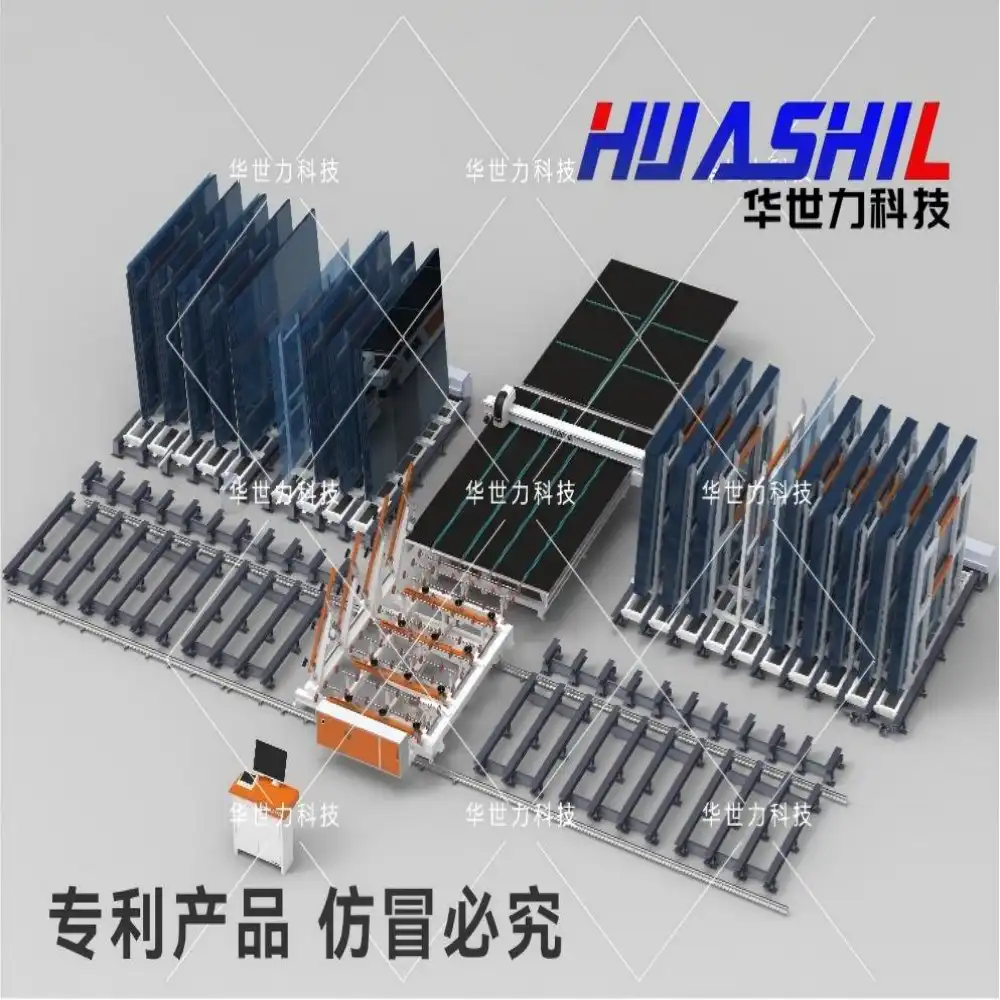
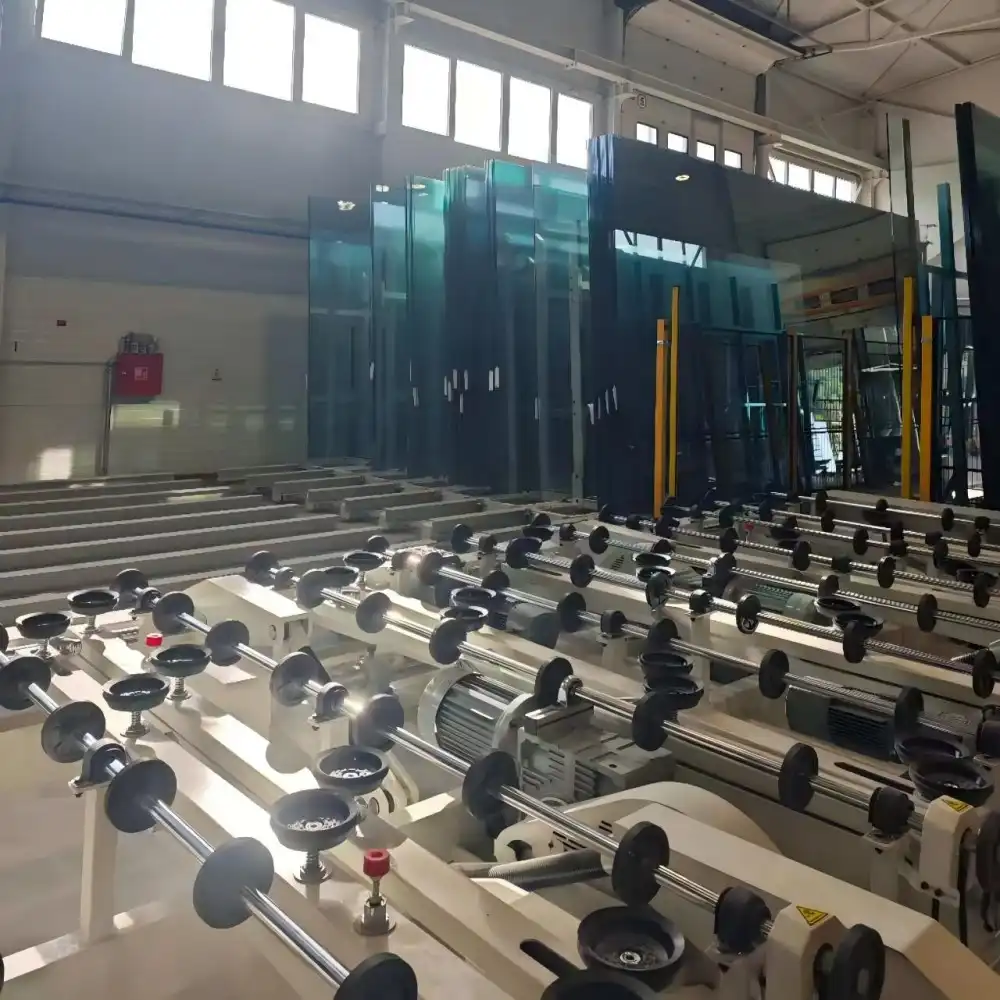
Combining this technology is shown by the HSL-YTJ3829 type. Its automated edge-finding mechanism swiftly detects glass panel edges, whether they are rectangles or ornamental shapes. Glass sheets are suspended on cushioned airflow in the air float system to prevent friction during measuring. Synchronous belt conveyors maintain material flow during addition, measurement, and cutting. This ensures precise measurements throughout. Coordinated equipment allows repeated readings with precision that can't be achieved by hand.
Integration with Cutting and Optimization Software
Measurement accuracy is particularly beneficial when paired with cutting optimisation techniques. Measurement devices transmit physical data to Optima software, which develops cutting forms that maximise material utilisation and satisfy standards. Optimisation algorithms create layered patterns using accurate measurements from a glass measure table machine, reducing waste from 15% to 6-8% in many situations.
This link aids complex manufacturing demands. Curtain wall integrators who deal with 2 to 19 mm thick panels up to 3660 x 2800 mm may utilise measurement data to automatically modify cutting settings for various glass kinds. The remote control's 360-degree walking feature lets workers precisely arrange measuring equipment for panels too large to handle. Automatic pressure control adjusts to glass thicknesses to avoid measurement errors from too much force on thin substrates or not enough contact on larger ones.
Standardization Across Production Batches
Measurement consistency affects manufacturing reliability. Human workers being weary or misinterpreting orders doesn't affect automated systems' glass measurements since they employ the same methodologies. Since automating measuring techniques, glass tabletop furniture manufacturers estimate that their physical uniformity has increased by 40%. This implies consumers no longer complain about furniture fit.
CE and ISO9001 certifications demonstrate that measuring instruments fulfil global precision and reliability criteria. This clearance shows that measuring methods perform the same in all settings, which is vital for procurement managers considering large capital equipment acquisitions. The breaking table feature permits controlled separation after cutting, improving measurement accuracy. This prevents handle damage from influencing accurate measurements.
Benefits of Using Glass Measure Table Machines in B2B Procurement
Enhanced Measurement Accuracy and Quality Consistency
All glass manufacturing processes experience quality variations from precision measuring instruments. Automatic measuring techniques reduce architectural glass plant failures from 5.8% to 1.2% in six months. This improvement comes from repeating measurements. No matter when or who begins the procedure, automatic systems offer the same figures for the same glass.
When making many products, quality stability is crucial. Shower door companies that create over 200 units per day make all doors the same size to simplify part swapping and inventory management. Assembly is quicker when measurements are within ±0.2mm. The pieces fit the first time correctly. Technical managers prefer this dependability since measurement-related delays don't affect process planning while setting production schedules.
Reduced Labour Costs and Increased Throughput
Automation fundamentally alters glassmaking plant task distribution. Manual measurement requires full-shift recorders, cross-checkers, and problem spotters. A glass-measuring table machine can execute these tasks rapidly and alone. This lets staff focus on equipment maintenance or quality analysis.
Practical advantages come from throughput gains. Automatic measurement systems reduce plant measurement cycle times from 90 seconds per item to 12 seconds per piece. This speedup lets you process 240 additional panels in an eight-hour shift, increasing revenue without adding floor space or people. Production executives prefer that automation systems measure more quickly without sacrificing precision.
Lower Waste Rates and Extended Equipment Lifespan
Reducing material waste saves money immediately, making technological investments beneficial. As measurement accuracy improves, cutting operations reject fewer pieces due to size. One architectural glass company saved $147,000 in lost resources by automating measurements across three manufacturing lines. Less waste and improved optimisation allowed more completed pieces per glass sheet.
Equipment lasts longer with less handling. Traditional measuring methods include repeatedly moving glass sheets to ensure accuracy, which may create edge chips and surface scratches. Automatic measuring systems that use moving systems limit the number of times glass is touched, protecting its structure throughout processing. Automatic material location reduces equipment maintenance. Because precise motions create less mechanical stress than human manipulation.
Comparing Glass Measure Table Machines with Traditional Manual Methods
Speed and Reliability Differences
When measurements are being made in a factory, the differences in performance between human and automatic methods become clear. It takes 75 to 90 seconds to measure a normal 2440x1830mm architectural glass panel by hand, which includes placing it; reading multiple dimensions; recording data; and checking the accuracy. An automated glass measure table machine can do the same job more accurately and in 8–15 seconds, giving it a 6x speed edge that adds up to a huge benefit over daily production amounts.
Differences in reliability go beyond speed. When using manual methods, the level of attention of the operator changes throughout the shift. For example, measures taken in the first hour are often more accurate than those taken in the seventh hour, when tiredness makes it hard to focus. No matter how long they are used, automated systems always work the same way, giving the same accuracy on the 500th test as on the first. When engineering managers evaluate equipment, this uniformity is very important because it gets rid of factors that make quality control analysis harder.
Semi-Automatic vs. Fully Automatic Models
Choosing the right equipment relies on the size of the company and the needs of the business. In semi-automatic types, operators have to physically place the glass sheets while the machine does the measuring and data recording. Smaller furniture companies that make 50 to 80 pieces a day will benefit from these systems because they have lower startup costs and can handle moderate production rates. Simplified processes that make measurements easier while still giving operators direct control over moving materials are appreciated by operators.
In fully automatic setups, filling, measuring, and cutting are all done at the same time. This method is shown by the HSL-YTJ3829, which has automatic loading that gets rid of the need for human placement completely. Large architectural glass plants that process more than 300 panels every day get the most out of full automation because the higher costs of the equipment are covered within 18 to 24 months by the savings in labour and increased output. When comparing semi-automatic and fully automatic setups, plant managers should look at how many hours of work are saved, how much waste is reduced, and how much output is increased.
Total Cost of Ownership Analysis
Procurement managers need more than just the purchase price when it comes to financial research. The initial prices of automated measurement systems' equipment range from small expenses for entry-level models to large capital expenditures for production lines that are fully integrated. Total cost of ownership estimates, on the other hand, show benefits that make investments in technology worthwhile. If you get rid of specific measurement staff, you can save between $45,000 and $65,000 per shift each year, based on the wage rates in your area.
Long-term ownership economics are affected by the cost of repairs. Automated measurement systems need to be calibrated, and their sensors need to be replaced every so often. This adds up to yearly repair costs of about 3–5% of the equipment's value. When you think about the hidden costs of manual processes, like teaching new workers, fixing mistakes in measurements, and handling quality control, these costs look pretty good. When comparing different options, financial managers should figure out how much they will cost to own for five years, taking into account things like repairs, testing, and training for operators.
Selecting the Right Glass Measure Table Machine for Your Business
Key Specifications and Performance Criteria
The measurement capacity needs are the first part of the technical review. To avoid processing limits, glass makers who work with normal architectural sizes need tools that can handle sizes up to 3,660 x 2,800 mm. It doesn't matter what the thickness range is—machines that can measure 2–19 mm glass can work with a wide range of products, from thin furniture parts to thick industrial windows. It is recommended that measurement accuracy standards be at least ±0.1mm to meet quality standards in both building and driving settings.
How well a production line integrates depends on its throughput ability. The working speeds of each piece of equipment must be the same as or faster than the cutting, edging, and sintered stone cutting machines next to it to avoid jams. The 360-degree remote control feature lets operators put tools in the best place on a small floor area, making the best use of the facility. Ease of system integration affects how long it takes to adopt. Machines with standard data interfaces can join easily to current MES platforms and optimisation software, which cuts down on setup time and costs.
Supplier Reliability and After-Sales Support
Choosing a supplier has long-term effects on how well the equipment works and how long operations can go on. Companies that have both CE and ISO9001 certifications show that they are committed to quality standards and process controls that make sure products are always reliable. This method is used by Shandong Huashil Automation Technology, which uses advanced manufacturing methods and strict testing routines to make sure that equipment works well before it is shipped.
Long-term owner happiness depends on the infrastructure for after-sales assistance. Reliable providers keep spare parts on hand so that parts can be replaced quickly. This cuts down on downtime when repair is needed. Access to technical support is important during the start-up and operational phases. Engineers who are quick to respond help workers find the best settings for equipment and fix problems before they stop production. Time to productivity is sped up by installation help and user training programmes, which help companies reach their ROI goals more quickly.
Warranty Coverage and Training Programs
The details of the warranty show that the maker is confident in the performance and durability of the equipment. For 12 to 24 months, full coverage protects mechanical parts, computer controls, and sensors, keeping you financially safe during the important first few months of use. Managers of procurement should make sure that warranties are clear about what they don't cover, especially when it comes to things like testing standards and preventative maintenance duties that affect the warranty's validity.
The level of operator training affects how well equipment is used. Structured programmes that teach workers how to use measurement systems, do regular upkeep, and fix basic problems let them get the most out of their tools on their own. Hands-on training at customer sites boosts operators' confidence and makes them less reliant on outside help for everyday jobs. The quality of the technical paperwork is also important. Maintenance teams can fix problems more quickly with thorough manuals that have clear diagrams and support in multiple languages.
Conclusion
Accurate measurements are the basis of glass production processes that work well. Manual methods have problems with human error, environmental factors, and techniques that don't always work the same way. Automated testing systems get rid of these problems. The results are better quality, less trash, and more work getting done. This gives a clear return on investment (ROI) that makes investing in automation worthwhile. When purchasing tools, procurement managers should put measurement accuracy, system integration, and seller support infrastructure at the top of their list of priorities. Automated measurement technology gives plants a competitive edge by improving quality control, lowering running costs, and making production more flexible to meet the needs of demanding industries like automobile, furniture, and architecture.
Frequently Asked Questions
1. How often should a glass measure table machine be calibrated?
How often calibration is done depends on how much is being made and how accurate the measurements need to be. Facilities that work more than 200 panels every day should use approved reference standards to check the calibration once a week. For businesses with lower volumes, the time between checks may be pushed back to once a month while still being accurate. Environmental factors affect the security of the calibration. For example, plants that have big changes in temperature or mechanical movements need to be validated more often. Documenting the results of calibration helps with quality certifications and gives customers concrete proof of how reliable the measurement system is.
2. Can automated measurement systems handle various glass sizes and thicknesses?
Modern measuring tools can adapt to different glass standards by changing their shapes. Systems that can handle panels up to 3,660 x 2,800 mm can handle both normal building sizes and larger panels for business use. The thickness ranges from 2mm to 19mm, so you can work with everything from thin safety glass to thick furniture glass without having to change the tools. Different types of glass can be measured accurately across all product lines thanks to automatic pressure control and edge-finding features. Because it can do so many things, it gets rid of the need for multiple specialised measurement stations.
3. What troubleshooting steps resolve common measurement issues?
Most measurement errors are caused by sensor contamination. Cleaning optical sensors and contact probes once a month keeps dust from building up and messing up readings. Check that the pressure in the air flow system meets the requirements. If there isn't enough wind, the glass can move during the measurement, which leads to incorrect data. Check the tightness of the synchronous belt because material can move on conveyors that are too loose. After making any technical changes or replacing parts, systems need to be recalibrated. If problems keep happening even after regular maintenance, you should call technical help right away to stop business problems from getting worse.
Partner with HUASHIL for Precision Glass Measurement Solutions
In competitive markets for glassmaking, accuracy in measurements is what makes businesses profitable. HUASHIL offers tried-and-true robotic technology backed by decades of factory experience and a full support system. Our HSL-YTJ3829 glass measure table machine uses advanced sensor technology, smart controls, and strong construction to get rid of measurement mistakes that lower quality and raise costs. Our dedication to international quality standards is shown by our CE and ISO9001 certifications. Our experienced engineering team also provides quick technical help throughout the lifecycle of all of our products.
Evaluating automation investments requires detailed technical specifications and cost analysis tailored to your production requirements. Contact our glass measure table machine experts at salescathy@sdhuashil.com to talk about measuring problems that come up when making architectural glass, curtain walls, or furniture. We give full demonstrations of the tools, calculate the return on investment (ROI), and make sure that the integration plan fits your business goals. Whether you're looking for single measurement systems or whole production lines, HUASHIL has solid options from a well-known glass measure table machine maker that wants you to succeed.
References
1. Anderson, M. & Thompson, R. (2021). Automated Measurement Systems in Glass Manufacturing: Performance Analysis and Implementation Strategies. Industrial Automation Press.
2. Chen, L. (2022). "Precision Measurement Technology for Architectural Glass Processing," Journal of Manufacturing Systems, 58(3), 412-428.
3. European Committee for Standardization (2020). Glass Processing Equipment: Measurement Accuracy Standards and Calibration Protocols, EN 15842:2020.
4. Martinez, J. & O'Brien, K. (2023). Cost-Benefit Analysis of Production Automation in Glass Fabrication Industries. Manufacturing Economics Institute.
5. Smith, D., Williams, P., & Zhang, H. (2022). "Reducing Material Waste Through Automated Measurement in Glass Processing Operations," International Journal of Production Research, 60(8), 2547-2563.
6. Wilson, T. (2021). Glass Industry Equipment Selection Guide: Technical Specifications and Performance Benchmarking. Glass Manufacturing Association Technical Publications.