




When production directors are under more and more pressure to cut down on injuries at work while also speeding things up, the glass loading table with arm stands out as a game-changer. This high-tech equipment combines precise engineering with smart technology to solve the problems that architectural glass plants and curtain wall makers have had for a long time with handling glass by hand. Modern loading tables with articulated arms do a lot more than just move things around. They completely change how facilities handle safety rules and productivity goals in glass processing environments.
Understanding Glass Loading Tables with Arm: Features and Benefits
Over the past ten years, the glass loading table with arm equipment has changed a lot. This is because of stricter safety rules at work and pressure from competitors to keep production lines running smoothly. Putting together articulated arms and air flotation systems is a big step forward from the old way of moving things by hand.
Core Components and Construction Quality
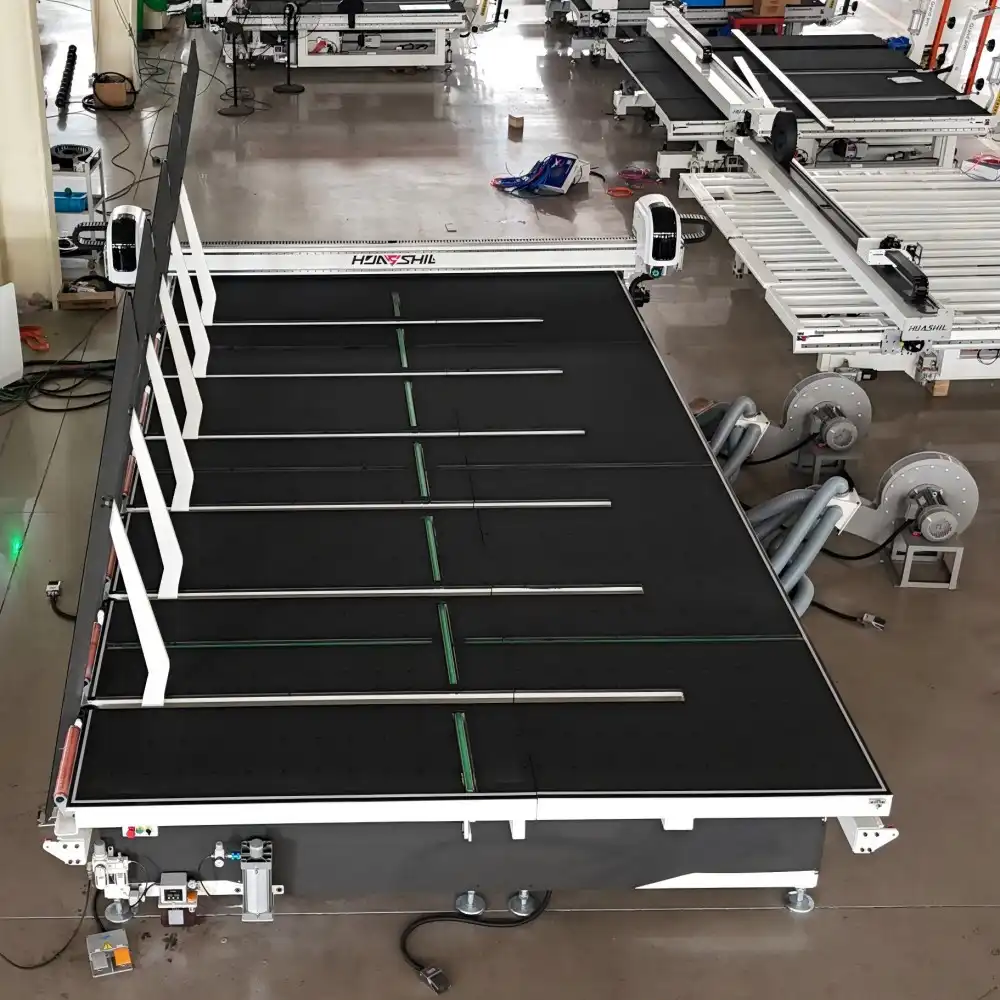
Industrial-grade loading tables have frames made of strengthened steel that are designed to hold a lot of weight without bending or twisting while they are in use. This model, the HSL-SPT3624, can hold glass sheets up to 3660×2440mm, which makes it perfect for use in architecture and cars. High-density polyethylene contact surfaces keep the edges of fragile glass from getting tiny scratches that weaken the structure and make it hard to see.
Precision bearings and hydraulic dampening systems are used in the articulated arm mechanism to make sure that the movement is smooth and controlled throughout the whole range of motion. This design gets rid of the sudden jerks and vibrations that come with cheap equipment and often cause expensive damage to glass during positioning operations.
Air Flotation Technology Advantages
The way workers move big sheets of glass across the table surface has changed a lot because of air floating systems. Multiple air jets make a thin cushion that cuts down on surface friction by up to 90%. This means that one worker can move panels where three or four people would normally need to do it. This drop in manual labour directly leads to lower staffing costs and fewer strain injuries at work.
The breaking table adds more functionality by letting workers score and separate glass sheets without having to move the materials to different workstations. This unified workflow cuts down on the number of steps needed to handle things and lowers the risk of breaking things during production changes.
CE Certification and Safety Compliance
European safety standards are very strict and go beyond what is needed for basic operations. When a machine gets CE approval, it means that it meets certain rules about electrical safety, electromagnetic compatibility, and protection against mechanical hazards. These standards require emergency stop systems, circuits that protect against overload, and fail-safe stopping systems that turn on by themselves when the power goes out.
ISO9001 certification further proves that quality management practices are consistent throughout the whole manufacturing process, from choosing the raw materials to checking the final assembly. This two-level certification system gives purchasing managers proof of trustworthiness when they look at investments in capital equipment.
Comparing Loading Tables with Arm: Finding the Best Fit for Your Business
To choose the right equipment, you need to carefully consider your working needs, your budget, and your long-term needs for expansion. Different areas of glass fabrication have very different production environments, which means that standard suggestions don't work without knowing the context.
Tables with Arms versus Standard Configurations
Standard glass loading tables with arms let the glass move only by floating on air, which makes it harder to control the position and gives the operator more freedom. When mechanical arms are added, they allow for programmable positioning, which improves repeatability. This is very important for large production runs that need to keep alignment tolerances consistent.
Arm-equipped tables work great in factories that process different sizes of glass throughout the day. The remote control's 360-degree walking feature lets you precisely move tables without having to push them back into place by hand. This works with changing factory floor plans and just-in-time production methods.
Electric Automation versus Manual Operation
Electric systems keep operators from getting tired during long production shifts and give the same level of performance to everyone, no matter how skilled they are. Automated loading sequences cut down on the chances of human error that causes damage to materials and delays in production.
Manual alternatives have lower initial capital costs, but they cost more in the long run because they need more workers and can't handle as much. Total cost of ownership estimates usually favour electric automation when factories handle more than 200 glass sheets every day or panels that are longer than 2500 mm.
Alternative Lifting Solutions Analysis
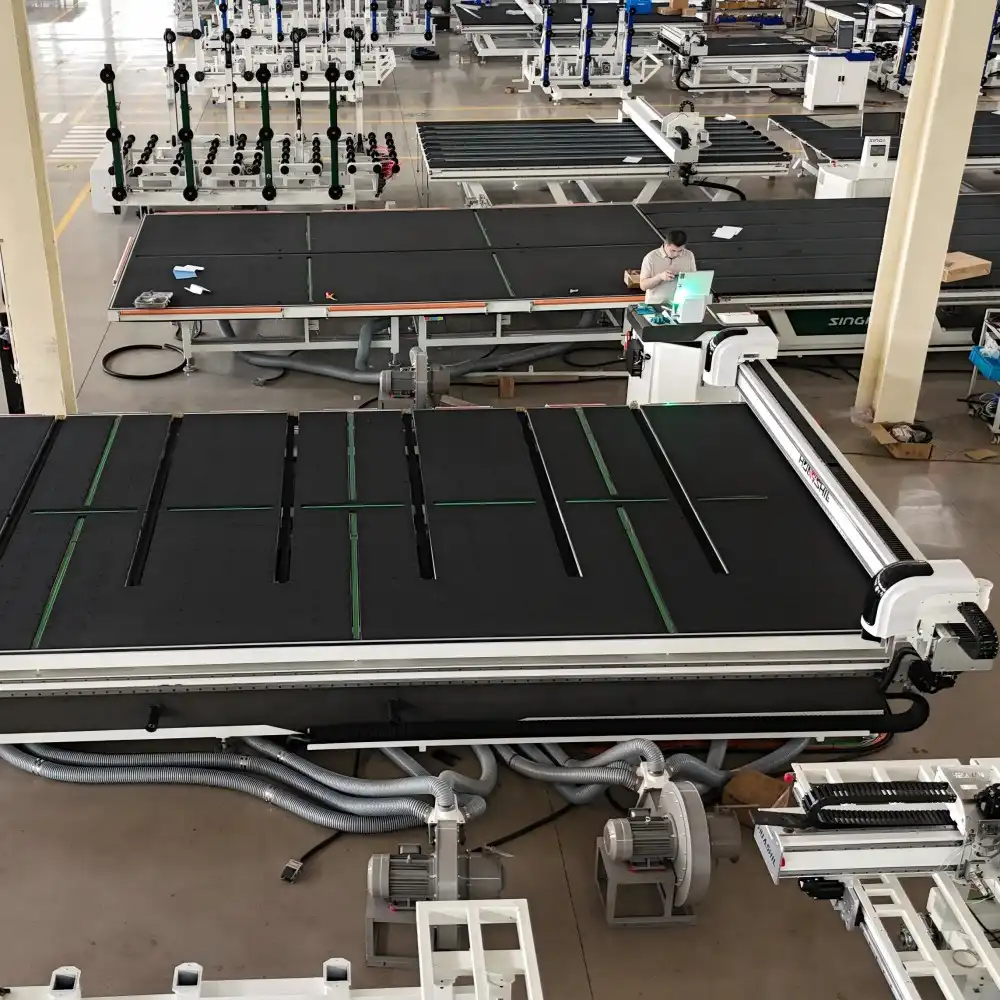
Jib cranes can lift things vertically, but they can't move precisely horizontally or cover the top like air flotation can. Scissor lifts can be used for vertical positioning, but they take up more floor space and can be unstable when working with thin glass sheets that can bend when supported unevenly.
Integrated loading table solutions combine several functions into a small space, making the best use of valuable factory floor space and improving the flow of materials, which has an effect on the overall efficiency of production.
OEM Solutions: Customizing Glass Loading Tables with an Arm for Your Operations
Most of the time, generic equipment can't handle the unique technical problems that come up in specialised manufacturing settings. Through OEM partnerships, engineering teams can create custom glass loading table with arm solutions that work perfectly with the way production lines are set up and the needs of the process.
Bespoke Design Benefits
Custom arm length specs can be made to fit different workspace shapes and make sure that equipment works well with cutting tables, edging machines, and quality checking stations that are close by. In addition to standard steel, you can choose materials like corrosion-resistant alloys for places with a lot of humidity or special coatings that keep things clean in cleanrooms.
Advanced automation integration lets you connect to current plant control systems, so you can keep an eye on production in real time and plan repairs ahead of time. These features give engineering managers data that they can use to drive efforts for ongoing growth and cut down on unplanned downtime.
Manufacturing Process and Quality Control
OEM production follows strict rules that start with detailed technical specifications that are made by client engineering teams and manufacturing designers working together. Computer-aided design systems make three-dimensional models that are tested for their structural integrity and accuracy in simulations before they are built in real life.
Component sourcing gives priority to certified suppliers who keep written records of their quality systems and traceability. Before being put together with other parts of a system, critical assemblies are put through separate testing methods that check their performance parameters. Final acceptance testing mimics real-life production conditions to make sure that all performance standards are met before the equipment is shipped.
Installation Support and Maintenance Protocols
Professional installation teams work with facility managers to make sure that production is interrupted as little as possible while equipment is being set up. Operators and maintenance staff get the technical knowledge they need from thorough training programs so they can use tools safely and efficiently and do regular preventive maintenance.
Maintenance plans are very detailed and include things like how often to lubricate, how to check for wear parts, and how many extra parts you should keep on hand. This cautious method increases the life of equipment and keeps its performance stable over the years of hard production use.
Procurement Guide: How to Source and Purchase Quality Glass Loading Tables with Arm
Strategic decisions about where to get materials have effects on production for years after the first piece of equipment is put in place. When you carefully evaluate a provider, you can avoid making mistakes that are bad for safety, reliability, and your long-term running costs.
Supplier Evaluation Criteria
Verified approvals show that a product meets safety standards and is of high quality. In addition to CE and ISO9001 paperwork, you should look into whether the seller of the glass loading table with arm is a member of any industry groups and read customer reviews from similar production sites. Site visits to reference sites are a great way to learn about how well equipment works in the real world and how quickly a seller responds to support requests after the sale.
Technical support should be carefully looked at, especially when it comes to the availability of spare parts and the time it takes for emergency service to arrive. Suppliers who keep regional service centers open show that they care about their customers' success after the initial equipment sale.
Financial and Logistical Considerations
When figuring out if a price is competitive, you need to look at the total cost of ownership, not just the price of the equipment itself. Long-term costs and operational risk are greatly affected by warranty terms, including training, installation help, and maintenance agreement options.
Delivery times affect how output is planned and when facilities are expanded. Standard equipment usually ships between 4 and 6 weeks, but custom OEM solutions can take up to 3 to 6 months, depending on how complicated the design is and how much can be made at the moment. For international shipping to work, you need to pay attention to export paperwork, customs procedures, and insurance coverage that is enough for expensive machinery.
Most payment plans require a deposit of 30 to 50 percent, and the rest is due when the product is delivered or the work is finished. International transactions are safer with letter of credit agreements, which set clear performance goals and acceptance criteria.
Ensuring Safety and Performance: Maintenance and Troubleshooting Best Practices
How long a piece of equipment lasts depends directly on how well it is maintained and how well operators follow safety rules. When you do proactive maintenance, you stop small problems from getting worse and turning into big failures that stop production and cost a lot to fix.
Preventive Maintenance Essentials
Visual checks done once a week find clear signs of wear, fluid leaks, and loose fasteners before they make the equipment less useful. Lubrication plans that are updated every month make sure that moving parts work smoothly without too much friction, which speeds up wear and increases energy use.
Every three months, a full inspection checks the electrical connections, the condition of the hydraulic hoses, and the strength of the frame. Professional service calls should be done once a year, and they should include full system calibration, checking of the safety circuit, and replacement of suggested wear parts based on manufacturer specs and real working hours.
Common Issues and Resolution Strategies
Most of the time, clogged air jets or problems with the compressor's ability cause air float performance to drop. These problems can be avoided by following regular cleaning instructions and replacing filters. Most of the time, problems with the accuracy of arm positioning are caused by mounting bolts that are too loose or old bearings that need to be adjusted or replaced.
Control system problems need to be fixed right away by qualified technicians who know how to fix that model of equipment. If you try to fix something without knowing how to do it right, you could cause more damage or even hurt yourself.
Operator Training and Safety Protocols
Full training programs from a reputable glass loading table with arm manufacturer teach the right way to operate, how to stop in an emergency, and how to spot hazards. Safe practices are reinforced through regular refresher sessions, which also teach operators about new equipment or changes to the way things are done.
When qualified people do safety checks, they find possible dangers before they cause accidents. These systematic reviews look at how equipment is guarded, how easy it is to get to the emergency stop, and how well operators follow set safety measures.
Conclusion
Glass loading tables with arms are a tried-and-true solution to important operational problems that modern glass fabrication facilities face. When you combine the ability to float on air, automated positioning, and safety features that have been approved by CE, you get measured gains in worker safety, product quality, and efficiency. OEM customisation choices make sure that the specs of the equipment exactly match the needs of different manufacturing uses, such as those that make architectural glass, cars, and furniture. Facilities can gain a long-term competitive edge in tough market conditions by making strategic purchasing decisions based on thorough supplier evaluation and total cost of ownership analysis.
Frequently Asked Questions
1. What load capacity do I need for my glass processing operation?
How much weight can be put on something depends on the sizes and thicknesses of glass sheets your facility usually works with. The HSL-SPT3624 type can handle sheets up to 3660×2440mm and is good for most building and car uses. To figure out what you need, find the largest standard size of your product and add 20% to account for occasional orders that are too big.
2. Why does CE certification matter when purchasing glass handling equipment?
CE approval makes sure that a product meets the safety and quality standards of the European Union. These standards cover things like mechanical design, electrical systems, and features that protect the user. This certification shows purchasing managers that the equipment they're buying meets strict safety standards. This lowers their risk of liability and protects workers.
3. Can OEM providers customize glass loading tables for specialized applications?
OEM makers give customers a lot of ways to customise their glass loading table with arm products, such as changing the layout of the arms, adding special finishes to the surfaces, making the machines more automated, and integrating them with other equipment already on the production line. Custom solutions usually take between three and six months to plan, build, and deliver, but they meet exact operational needs in a way that standard equipment can't.
Partner with HUASHIL for Advanced Glass Loading Solutions
For the architectural glass fabrication, curtain wall manufacturing, and furniture production industries, HUASHIL offers industry-leading glass loading table with arm solutions that are designed specifically for tough production environments. Our HSL-SPT3624 model has advanced air flotation technology, an automatic loading feature, an integrated breaking table, and 360-degree remote control movement. It also has CE and ISO9001 certifications, which show our dedication to quality and safety.
For decades, we've been making robotic solutions for OEMs as a well-known manufacturer. Our engineering team works directly with your technical experts to create unique solutions that solve your operational problems, work around building limitations, and meet your efficiency goals. Contact our team at salescathy@sdhuashil.com to talk about your needs and get full support from the first consultation through installation and ongoing maintenance. You will also get detailed technical specifications and competitive pricing information.
References
1. Chen, Wei and Zhang, Lin. "Automation Technologies in Modern Glass Processing Industries." Journal of Manufacturing Systems Engineering, vol. 45, no. 3, 2022, pp. 178-192.
2. European Committee for Standardization. "Machinery Safety Standards: Application in Glass Processing Equipment." CEN Technical Report TR 16789, 2021.
3. Henderson, Robert and Collins, Michael. "Total Cost of Ownership Analysis for Industrial Material Handling Equipment." Industrial Engineering Management Review, vol. 38, no. 2, 2023, pp. 56-71.
4. International Organization for Standardization. "Quality Management Systems in Manufacturing Environments: Implementation Guidelines." ISO 9001:2015 Application Handbook, 2020.
5. Martinez, Carlos and Johnson, Patricia. "Workplace Safety Improvements through Automated Glass Handling Systems." Occupational Safety and Health Journal, vol. 29, no. 4, 2022, pp. 234-248.
6. National Glass Association. "Equipment Selection and Procurement Best Practices for Glass Fabrication Facilities." NGA Technical Document Series, 2023.