




When it comes to accuracy, speed, and ability to be scaled up or down, the glass measure table machine beats human measurement methods when it comes to making glass. When you use tape measures or tools by hand, mistakes can happen, which wastes materials and makes the quality of the work uneven. Automated glass measurement systems get rid of these problems. Digital sensors and optimization software in modern glass cutting tables make sure that the measurements are always exact, which cuts down on the cost of rework and boosts productivity. Because of this basic difference, architectural glass fabricators, curtain wall manufacturers, and furniture manufacturers who want to gain a competitive edge through operating efficiency choose automated measuring technology over other options.
Limitations of Manual Measurement in Glass Processing
Even though they have problems, manual measurement methods are still used by most smaller glass manufacturing businesses. Before cutting glass sheets, operators usually use tape measures, calipers, and writing pens to figure out how big they are. At first, this method seems like a good way to save money, but it ends up costing a lot more in the long run.
Accuracy Inconsistencies Drive Material Waste
The biggest problem with measuring by hand is that people make mistakes. When measuring big building glass panels over and over, even skilled workers get errors of 2 to 5 mm. During high-volume production runs, these differences get worse, which means that pieces are thrown away and expensive materials are wasted. Such differences can't be allowed in a curtain wall project that needs exact specs without lowering the quality of the work.
Labor Intensity Limits Production Capacity
When measuring by hand, the person doing it has to pay close attention and work hard all the time. Multiple people, a lot of hard work, and a lot of time are needed to measure a single 3660mm x 2800mm glass piece by hand. This process requires a lot of work, which slows things down and makes it impossible for makers to grow or meet tight project deadlines. When trying to increase capacity, production leaders are aware of these limitations.
Quality Control Becomes Unpredictable
When you rely on the opinion of each person, consistency suffers. When marking glass, different techs use different amounts of pressure or have different ideas about what the numbers mean. Standardized quality control is very hard to do because of this variability. This is especially a problem for makers who serve many building sites where uniform dimensions are important.
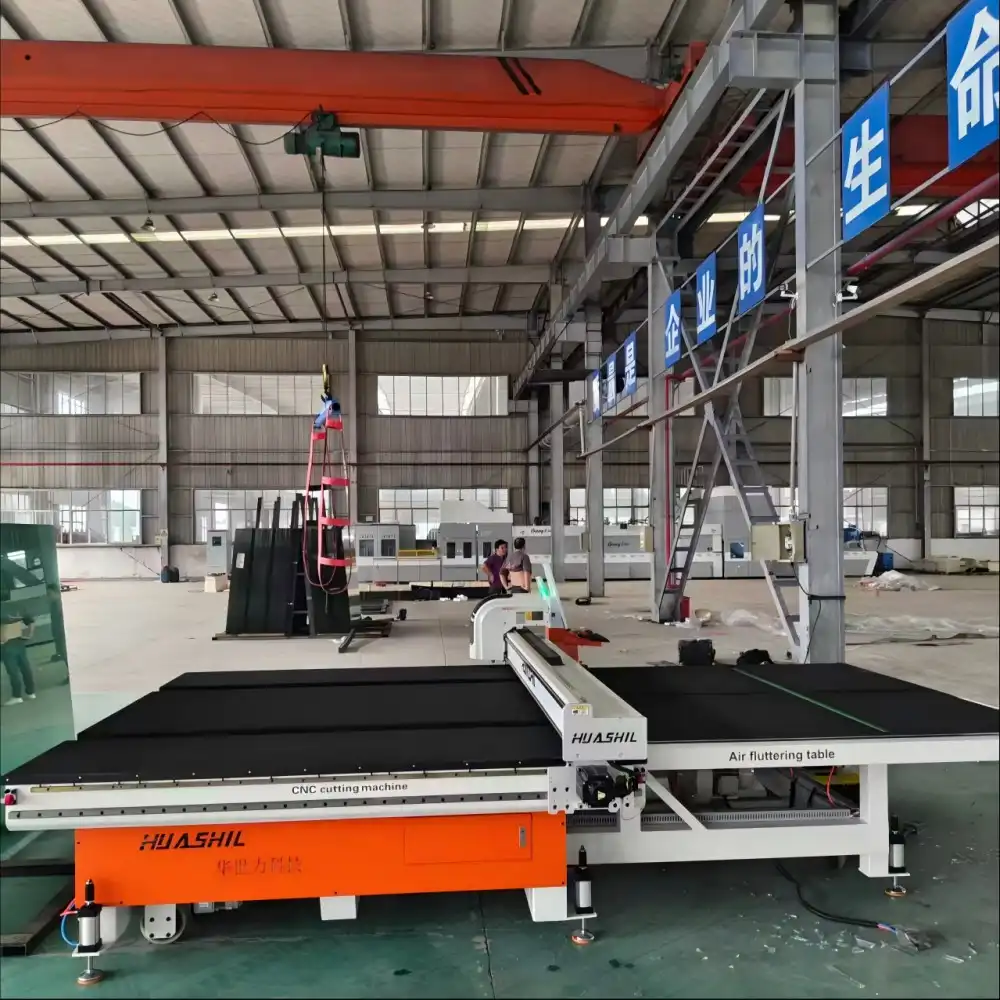
Introduction to Automated Glass Cutting Tables: Features and Functionalities
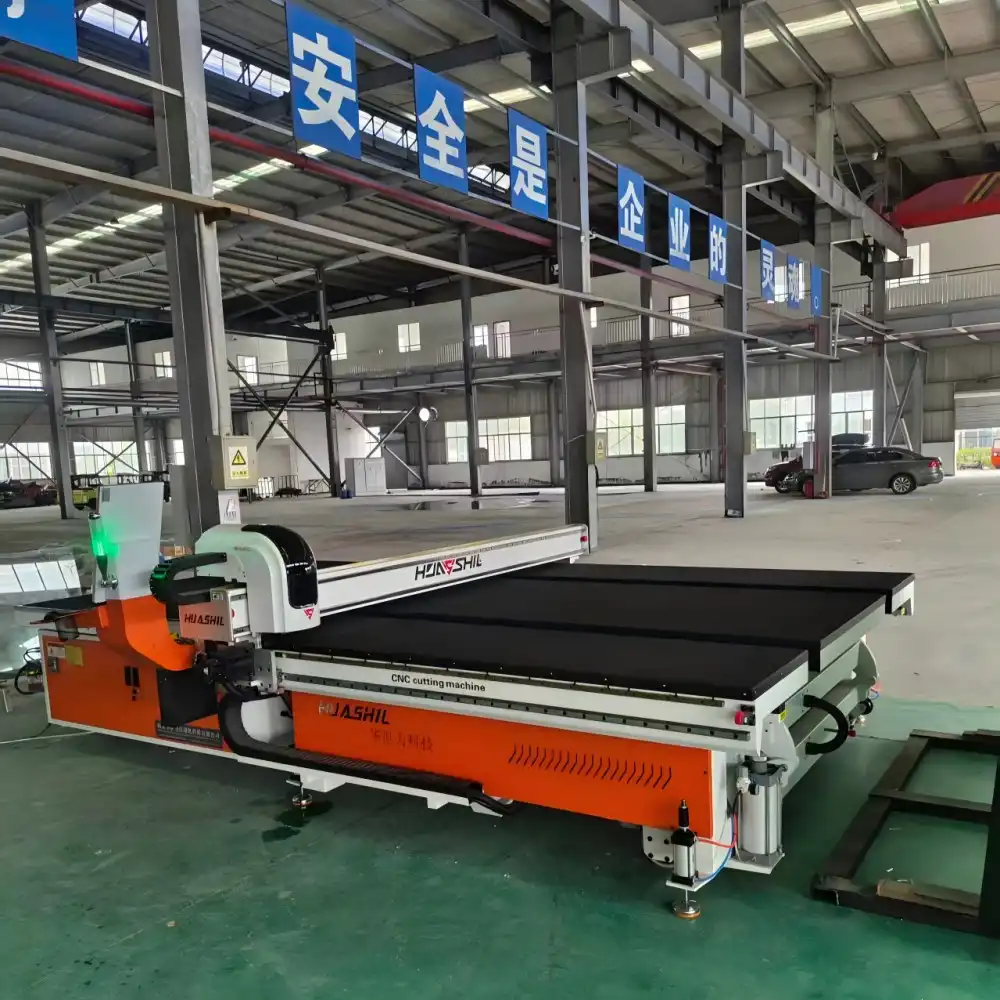
Integrated technology in automated glass cutting and measuring systems changes the way manufacturing work is done. The HUASHIL HSL-YTJ3829 model is a great example of this new technology because it combines accurate measuring with smart cutting features made just for building glass and curtain wall uses.
Digital Measurement Systems Ensure Repeatability
Laser sensors and digital readouts built into modern glass measure table machine wholesaler systems make it possible to measure glass measurements to within 0.1mm of accuracy. These systems get rid of mistakes caused by human judgment by giving objective, consistent data, no matter how experienced the operator is. The Optima optimization program automatically studies glass sheets, figures out the best cutting patterns, and reduces waste, all of which cannot be done by hand.
Comprehensive Automation Reduces Touchpoints
Multiple automatic functions built into the HSL-YTJ3829 make output more efficient. Automatic loading systems can handle glass sheets up to 3660 mm x 2800 mm, so there is no need to lift them by hand. Cutting force is changed automatically based on glass thickness (2–19 mm), which ensures clean breaks without any help from the user. The automatic edge-finding feature accurately finds the edges of the glass, and the air floating system makes it easy to place heavy sheets. The process is finished by a breaking table, and workers can safely oversee the whole process from a distance using a 360-degree remote control.
Production Flexibility Accommodates Diverse Applications
This adaptability meets the wants of a wide range of customers in many fields. Architectural glass makers get extra work when they have to work with large pieces for building facades. Manufacturers of auto glass like how precisely bent windshields have to be. Shower doors and glass walls are made with the same tools that are used to make furniture, while shops that sell artistic glass make unique shapes for interior design projects. No matter what kind of job it is, the synchronous belt moving system keeps the flow of materials steady.
Comparative Analysis: Glass Cutting Table Machine vs Manual Methods
Procurement teams can make smart investment choices when they know the practical and financial differences between automated and manual methods. The comparison shows benefits that go beyond simple measures of output.
Precision and Quality Consistency
Automated glass measurement tables keep the accuracy of measurements within 0.1 mm throughout production runs, while human processes usually have variations of 2 to 5 mm. This accuracy has a direct effect on the project's success. Installing a curtain wall with glass panels of different sizes causes alignment issues that can be seen and requires expensive changes to be made in the field. Digital measuring tools give quick numbers that work with production management systems to make it possible to track things that can't be done by hand.
Operational Throughput and Efficiency
It takes about 15 to 20 minutes and several people to measure and cut a single big glass panel by hand. With the HSL-YTJ3829, this period can be cut down to 3–5 minutes, and only one person needs to be present to watch the process. With this increase in productivity, 60 to 80 panels can be processed per shift instead of 20 to 25 panels that had to be done by hand. When production directors look at expanding their facilities, they know that these numbers can mean the difference between taking on new projects and turning down chances.
Return on Investment Analysis
Automated equipment requires an initial capital investment of $45,000 to $85,000, based on how it is set up. On the other hand, measuring tools that are used by hand cost less than $500. But figuring out the total cost of ownership shows a different picture of the economy. The money saved on labor alone usually covers the cost of the tools within 18 to 24 months for medium-volume businesses. Cutting down on waste adds another 8–12% to the savings on glass costs. Rework costs go down by about 15% when quality is improved. These things show why finance managers agree to investments in automation even though they cost more at first.
Maintenance and Reliability Considerations
Maintaining manual tools is pretty easy, but the skill of the person using them is completely up to them, which makes them vulnerable to changes in the workforce. Automated systems like the HSL-YTJ3829 need to be calibrated and have their software updated on a regular basis, but their CE and ISO9001 certifications show that they meet standards for reliability. Maintenance routines that can be predicted and makers that make spare parts make it possible to plan output in a way that manual processes can't.
Procurement Guide: Selecting the Right Glass Processing Solution
To make the best equipment investment, you need to carefully look at it from technical, business, and strategic points of view. There are important points of view that engineering managers, procurement leaders, and plant heads all bring to the decision-making process.
Assessing Your Production Requirements
Start by figuring out how much glass is being processed now and in the future. If your business handles fewer than 15 panels every day, physical methods may be fine, but you should still think about quality. Automating facilities that process 30 to 50 screens every day gives them instant benefits. Take a look at your product mix. For example, architectural glass makers who work with big formats get different benefits than furniture manufacturers who work with smaller shower door panels. Also, the thickness of the glass is important, and the HSL-YTJ3829 glass measure table machine can handle glass thicknesses from 2mm to 19mm, which is enough for most building and furniture uses.
Evaluating Supplier Credentials and Support
Partner with producers that have a track record of success in your business and full after-sales services. Check certificates like CE and ISO9001 that prove quality control systems. Ask for proof of the warranty terms. For major parts, the guarantee lasts between 12 and 24 months. Verify the availability of spare parts and reaction times—important factors when production plans depend on equipment being up and running. Well-known brands offer expert help and training during installation, which protects your investment over time.
Budget Planning and Financing Options
Instead of just looking at the purchase price, figure out the total cost of ownership, which should include setup, training, and support for the first year. A lot of makers offer different ways to pay, like arrangements where you pay a deposit and then the rest at the end, or Letters of Credit for sales from other countries. When deciding between buying directly from the factory and going through a distributor, you should look at the price changes and the availability of local help. Some businesses benefit from hiring programs that help them save money for other investments while still getting better results.
Future-Proofing Your Investment
Pick out tools that can work with software that connects to production management systems. The Optima optimization software that comes with HUASHIL tools can connect to other factory execution systems. This lets production planning be based on data. As production needs change, look at ways to improve the system. For example, can it add more automation units or work with robot handling systems? This kind of planning ahead keeps things from becoming obsolete too soon and gets the most out of an item's useful life.
Real-World Applications and Industry Success
The switch from manual to automated methods for measuring and cutting glass has been proven to work by a number of different makers. These examples show what happens at different levels of operations and in different types of businesses.
Medium-Scale Curtain Wall Fabricator
A curtain wall manufacturer in the southwest of the United States used to measure custom building jobs by hand. Material waste averaged 12% because of mistakes in measuring, and the company could only work on three projects at once because of its production capacity. Once automatic glass cutting tools with built-in measurement systems were put in place, waste dropped to 4%, which freed up money to buy more materials. The processing time per panel went down by 65%, which allowed the business to work on five projects at once without needing more floor space. The engineering manager said that uniform quality cut down on problems with field installations by about 80%, which made customers much happier and encouraged them to buy from them again.
High-Volume Window Manufacturing Plant
A big window factory that works on home projects needed to double its capacity without adding on to its existing buildings. Cutting things by hand caused delays that made it impossible to meet contractor deadlines. When three automatic glass cutting tables with synced conveyors were put in place, things changed. With the same number of workers, production went from 180 to 420 window pieces per shift. The plant manager said that standardizing the quality of cutting had cut guarantee claims for glass flaws by 45%. The investment paid for itself in 16 months because the company saved money on labor and materials, which helped them get a bigger share of a competitive market.
Custom Furniture and Shower Door Manufacturer
A company that makes specialized glass furniture for interior designers had trouble keeping small-batch custom orders profitable. Measuring and cutting by hand made these projects very time-consuming and left very little room for error. By switching to automated equipment that could be quickly switched over, orders ranging from a single shower door to 50-piece furniture runs could be processed profitably. The production director stressed that accurate digital measures got rid of the need for expensive remakes, which used to happen with 8–10% of unique orders. With its focus on dependability and quick response times, the business grew its client base and product line.
Conclusion
When you compare glass measure table machines to human measurement methods, it's clear that automation is better for operations. Precision digital measurement systems get rid of the mistakes that happen when things are done by hand, which cuts down on waste and ensures that the quality is always the same. Automation of glass cutting tables greatly raises the output while lowering the amount of work needed per unit. When you buy tools like the HSL-YTJ3829, you get a clear return on your investment through higher productivity, higher quality, and more space. When looking at glass processing equipment, plant managers, engineering directors, and procurement workers should focus on automated options that can meet both current output needs and future business growth.
Frequently Asked Questions
1. How does a glass measure table machine improve accuracy compared to manual methods?
Automated glass cutting tables use laser sensors and computer measurement systems to get accuracy within 0.1mm. This is much better than using tape measures, which can vary by 2 to 5mm. The technology gets rid of mistakes made by humans in analysis and maintains the accuracy of thousands of pieces of data. Integration with optimization software like Optima makes sure that the accuracy of the dimensions is transferred straight to the cutting settings, so mistakes in entering data by hand are avoided.
2. What maintenance does automated glass processing equipment require?
As part of regular care, the glass surface and air flotation system are cleaned every day, the measurement sensors are calibrated every week, and the software is updated from time to time by the maker. Professional repair is needed for most automated systems every three to six months to check and change the parts. The HSL-YTJ3829 has long-lasting sealed bearing systems and synchronized belt conveyors that keep wear to a minimum. To keep downtime to a minimum, manufacturers usually offer thorough repair plans and remote diagnostic help.
3. Can automated glass cutting tables handle specialized applications?
Modern tools can handle a wide range of glass production needs. The HSL-YTJ3829 can work with sheets of glass up to 3660mm x 2800mm thick and 2mm to 19mm thick, so it can be used for building panels, car glass, furniture parts, and decorations. The cutting force is changed automatically based on the features of the material, and heavy or large pieces are supported by an air flotation system. Many makers let you make changes to meet your specific needs for integrating their products into a production line.
Partner with HUASHIL for Advanced Glass Processing Solutions
Shandong HUASHIL Automation Technology Co., Ltd. has everything a manufacturer needs to find reliable automatic glass measurement and cutting technology. Our HSL-YTJ3829 glass measure table machine gives architectural glass cutters, curtain wall manufacturers, and furniture makers the accuracy and speed they need to stay competitive. With Optima optimization software, automatic filling, pressure control, edge finding, and air floating systems, this equipment changes the way production works and cuts down on waste and labor costs.
We have a lot of experience making robotic equipment, and our CE and ISO9001 certifications show that we follow high standards for quality management. As a well-known company that sells glass measure table machines, we offer full technical support, including help with installation, training for operators, and quick access to extra parts. Email our team at salescathy@sdhuashil.com to talk about your unique production needs and set up tours of our tools. Our buying specialists work directly with plant managers, engineering directors, and purchasing supervisors to create solutions that are perfect for your business's size and budget.
References
1. Glass Manufacturing Industry Association. (2022). "Automation Technologies in Architectural Glass Fabrication: Industry Standards and Best Practices." Technical Publication Series, Vol. 18.
2. Morrison, J. & Chen, L. (2021). "Comparative Analysis of Manual versus Automated Glass Cutting Systems in Commercial Production Environments." Journal of Manufacturing Technology, 45(3), pp. 127-145.
3. International Glass Processing Equipment Council. (2023). "Digital Measurement Systems for Precision Glass Fabrication: Technical Requirements and Performance Metrics." Industry White Paper.
4. Reynolds, M. (2022). "Total Cost of Ownership Models for Glass Processing Automation: A Procurement Guide for Manufacturing Executives." Industrial Equipment Management Quarterly, 29(2), pp. 88-104.
5. National Building Glass Standards Committee. (2021). "Quality Control Standards for Architectural Glass Fabrication: Dimensional Tolerances and Testing Protocols." Technical Standard Publication NS-478.
6. Zhang, W., Anderson, K. & Torres, R. (2023). "Return on Investment Analysis of Automated Glass Cutting Systems in Small to Medium Manufacturing Operations." Production Engineering and Economics Review, 37(1), pp. 56-73.