




A trustworthy glass sheet loader manufacturer with OEM capabilities will improve your manufacturing line's efficiency and safety. Advanced automation engineering and bespoke solutions for architectural glass fabrication, curtain wall building, furniture production, and sintered stone processing are our specialties at Shandong Huashil Automation Technology Co., Ltd. Years of worldwide exports have shown that our equipment lowers manual handling dangers and maximizes throughput in varied industrial scenarios.
Understanding Glass Sheet Loaders and Their Role in Modern Manufacturing
Modern glass factories must boost productivity while preserving safety and quality. Instead of renovations, automated loading systems are a necessary infrastructure. These machines precisely place thin architectural sheets on heavy industrial glass panels for downstream cutting, edging, or packing.
Core Features That Define Effective Loading Systems
Several key technologies separate industrial-grade automated loaders from basic handling devices. Vacuum suction systems must grab glass of different thicknesses and finishes. Sensor arrays automatically measure sheet measurements, minimizing manufacturing delays from manual measuring inaccuracies. Adjustable handling mechanisms accept different material requirements without substantial reconfiguration between manufacturing runs.
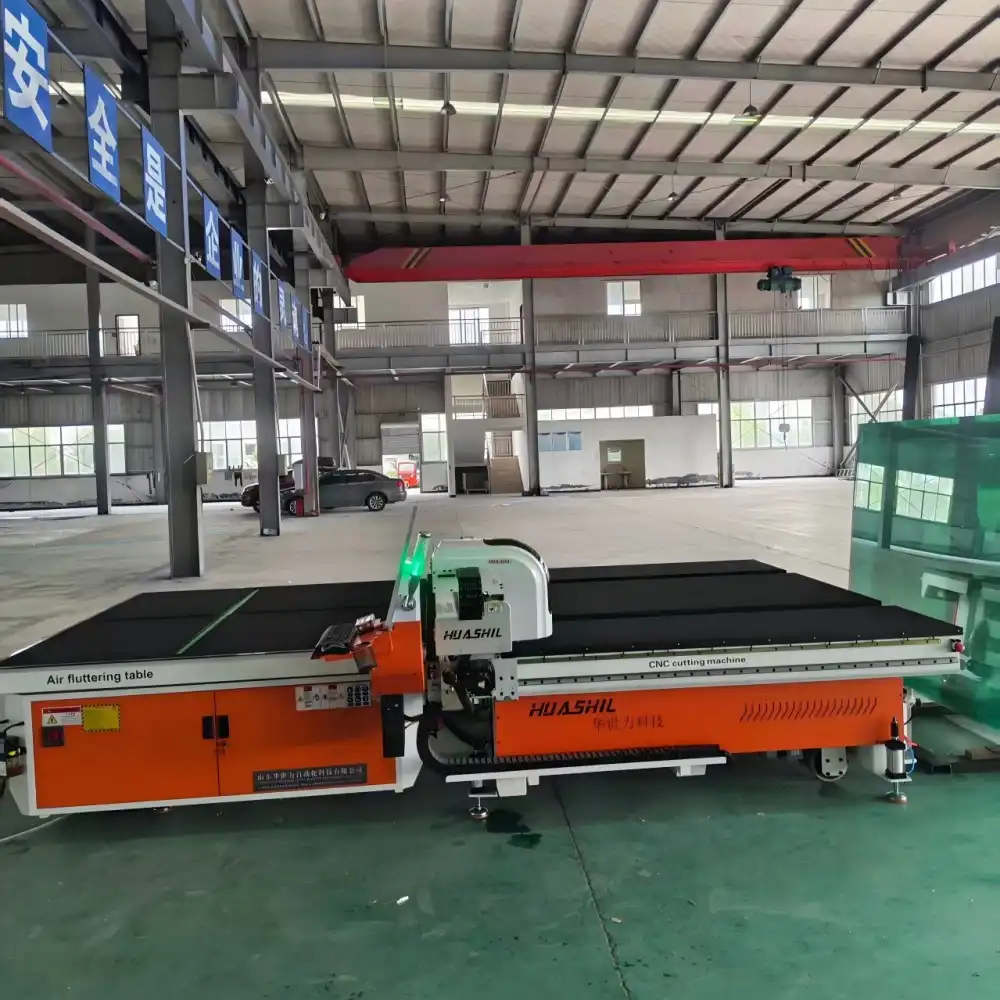
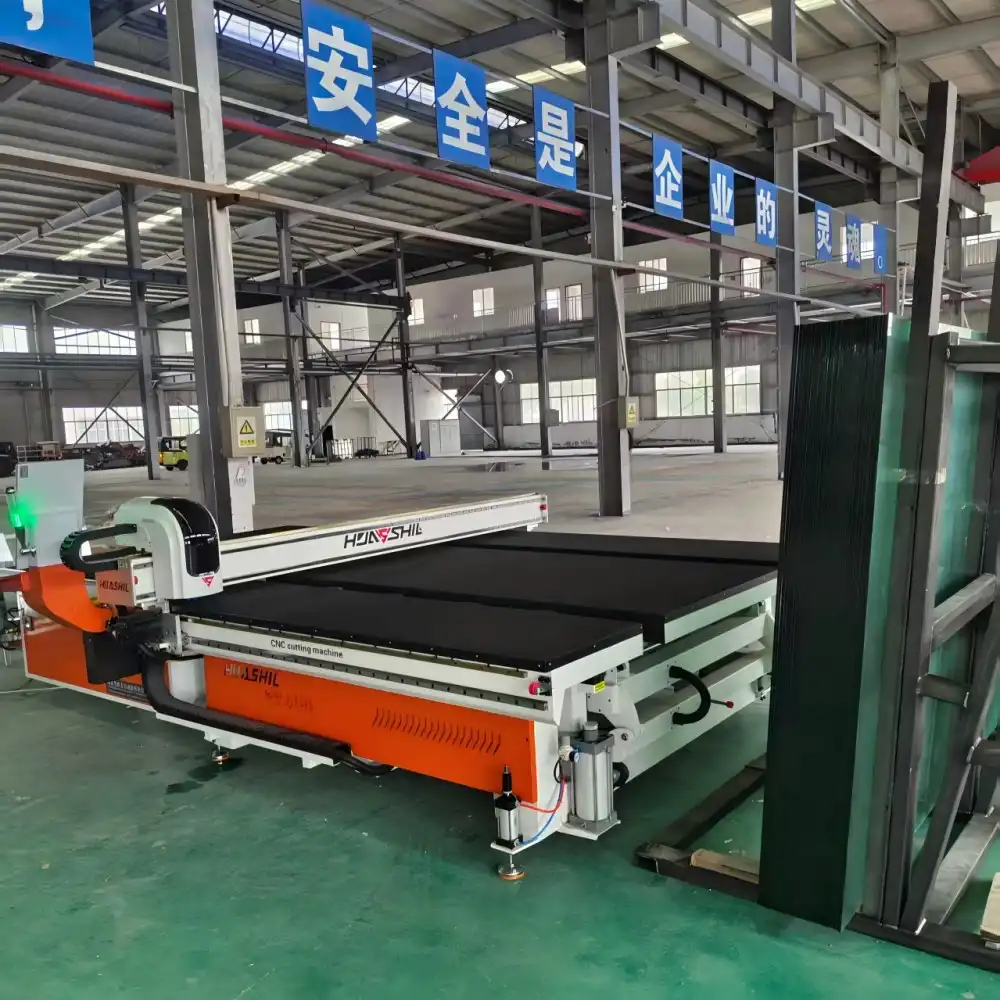
The HSL-YTJ3829 type can process glass diameters up to 3660×2800mm and thicknesses from 2-19mm. Internal air flotation reduces surface contact, reducing micro-scratches that degrade architectural optical quality. Automatic edge detecting technology aligns material before transfer, eliminating positioning mistakes that spread through production.
Operational Benefits Driving ROI
Production managers evaluate automated loading equipment for cycle time reduction, labor cost reductions, and quality consistency. In manual glass handling, two workers per loading station risk repeated strain injury and breakage. While loading conventional architectural glass sizes in under 60 seconds, automated solutions avoid these dangers.
Full production shifts boost throughput. Switching from manual to automated loading adds 90 minutes of productive time to a 200-sheet-per-day facility, or 15% capacity without expansion. Consistent handling avoids edge chips and surface damage that make sheets unsuitable for premium applications, reducing material loss.
Integration compatibility assesses whether new equipment complements the current infrastructure or requires costly line modification. Most cutting tables and edging lines work well with synchronous belt conveyors like those on our glass sheet loader. The Optima optimization program integrates loading sequences with downstream equipment to preserve material flow during high-volume manufacturing.
How to Choose the Right Glass Sheet Loader for Your Business Needs?
Capital equipment procurement decisions must balance technical standards with operational needs and long-term scalability. Plant managers balance production needs with financial limits and an expansion plan. Engineering teams assess reliability data and maintenance requirements to determine the total cost of ownership throughout 10-15-year equipment lifecycles.
Establishing Selection Criteria Based on Production Parameters
Document your facility's material handling profile. The size and reach of loading platforms depend on the maximum glass dimensions. Larger sheets above 3000mm require heavy-duty structural frameworks and strengthened vacuum systems that lesser machines cannot handle. The suction capacity and structural integrity of architectural glass (2-12mm) equipment may not be sufficient for 15-19mm panel applications.
Production volume determines whether single-machine solutions or fully automated lines are cost-effective. Semi-automated loaders with human positioning and automatic transfer work well for facilities handling less than 100 sheets daily. Automatic solutions with remote control and production tracking interface with ERP software are needed for operations beyond 300 sheets per day.
Evaluating Loader Technologies and Configuration Options
Integrated feeding systems and independent loaders differ in initial investment and operating flexibility. As demand changes, standalone machines may serve many manufacturing lines and be deployed in multiple stations. Feeders permanently attached to processing equipment optimize cycle speeds through direct material transfer but limit reconfiguration.
Another important criterion is automated pressure control. Fixed-pressure vacuum systems work well for consistent materials but not coated glass or temperature-sensitive applications. The HSL-YTJ3829 model's adaptive pressure management changes suction force based on real-time material sensor data to minimize surface damage and maintain grip across varied glass treatments.
OEM Customization as Value Multiplier
Standard equipment setups work well for basic applications, but particular manufacturing needs typically necessitate customization. With OEM collaborations, procurement teams may define specific dimensions, control interface choices, and integration protocols that fit facility infrastructure. We often change platform dimensions for clients processing large curtain wall panels or conveyor heights to match proprietary cutting table designs.
Beyond physical requirements, customization includes software integration. Production facilities using enterprise systems benefit from loaders with open-architecture control platforms that interface with inventory and quality databases. Our engineering team works with clients during specification development to ensure equipment comes factory-configured for instant integration rather than requiring significant commissioning tweaks that delay production beginnings.
Glass Sheet Loader Setup, Operation, and Best Practices
Your facility's equipment is a major investment that depends on appropriate installation and operator proficiency. Systematic setup methods avoid mechanical difficulties from faulty assembly, and extensive training programs teach operators normal operating and troubleshooting practices to reduce unexpected downtime.
Installation and Commissioning Procedures
Professional installation begins with facility preparation before equipment arrives. Our HSL-YTJ3829 needs solid foundations for concentrated loads at suction cup mounting positions. To protect servo motors from voltage fluctuations, CE-certified electrical infrastructure must offer consistent 380V three-phase power with dedicated circuit breakers and sufficient grounding.
Shipping frame removal protocols for the glass sheet loader must be followed to avoid damaging precision components during unpacking. Before complete assembly, vacuum system integrity testing should ensure no seal deterioration during international shipment. Calibration records suction cup pressure, edge detection sensor accuracy, and conveyor belt tension standards for future maintenance evaluations.
Operator training includes emergency response and standard operating methods. Sheet location on loading platforms influences downstream processing accuracy; thus, staff must understand it. Our systems' 360-degree remote control allows operators to maintain safe distances while maintaining complete machine control, decreasing harm risks during anomalous events necessitating fast shutdown.
Maintenance Protocols Extending Equipment Lifespan
Equipment dependability and operational availability depend on preventive maintenance. Daily checks check vacuum cup quality, conveyor belt tension, and air filtration system cleanliness. Linear guide rail lubrication, pneumatic system connection air leak check, and sensor calibration accuracy are performed monthly.
Qualified professionals assess structure integrity, electrical system condition, and software function annually. In-house maintenance teams may execute routine servicing and identify factory-authorized repairs using our service documentation's inspection points and acceptance criteria. During assessments, spare parts must be available—we have regional distribution hubs to provide crucial components to North American plants within 48–72 hours.
Equipment and workers are protected by safety measures under abnormal operating situations. Monthly functioning testing ensures emergency stop systems cut power immediately when activated. Nobody should overcome safety interlocks to access moving parts during operation, regardless of production demands. Regular safety training emphasizes lockout-tagout protocols during maintenance, avoiding equipment restart during service periods.
Comparing Glass Sheet Loaders: Performance, Pricing, and Customer Feedback
Understanding competitive landscape dynamics and how manufacturers promote their performance, price, and service offers helps procurement experts. Market study shows substantial diversity in equipment capabilities under comparable specifications, making a comprehensive evaluation vital to prevent underperforming investments.
Performance Benchmarks Across Leading Technologies
Cycle time is the most obvious performance parameter; speed ignores dependability variables that affect industrial output over time. Equipment with 45-second loading cycles and 15% downtime has poorer throughput than 60-second cycles with 2% downtime. Our focus on mechanical durability and excellent component selection promotes availability above theoretical speed.
Positioning precision greatly impacts downstream processing. For glass cutting, sheet positioning must be within ±0.5mm tolerance to avoid optimization software mistakes and additional waste. Laser-based detection arrays like our HSL-YTJ3829 are accurate in all glass treatments and lighting circumstances, unlike photoelectric edge detection systems.
As power prices climb and major industries must report sustainability, energy efficiency has become a cost consideration. Air flotation systems use a lot of compressed air; thus, efficiency and leak avoidance are crucial. Our synchronous belt conveyor design decreases power consumption by 20-30% compared to roller conveyors and handles material gently to improve equipment life.
Customer Experiences From Global Installations
After adopting our automated system, a southeastern curtain wall fabricator reduced loading-related glass breakage by 40%, saving $85,000 in yearly material costs. Their production director stressed after-sales support throughout commissioning, saying our technical staff was available via video consultation throughout their learning curve.
European furniture makers like the customizable options for production management system integration. One customer processing ornamental glass for luxury home projects needed specialized suction cups to protect specialist coatings from regular vacuums. Our technical team adjusted equipment to client specifications within conventional lead times, avoiding the 6-8 week delays typical of asking for unique features from other manufacturers.
High-volume Asian architectural glass processors value dependability and parts availability over pricing. Three-shift facilities cannot sustain multi-day component replacement shutdowns. The production consistency that justifies premium equipment price through superior total cost of ownership is maintained by our regional service network and substantial spare parts inventory, which allows most repairs within single-shift downtime.
Buying Guide for Glass Sheet Loaders: Pricing, Bulk Orders, and After-Sales Support
Understanding price, payment conditions, and post-delivery support systems that distinguish professional industrial equipment providers from commodity machinery vendors helps streamline the purchase process. Successful acquisitions balance capital spending, operating expenses, and supplier partnership quality.
Pricing Structures and Volume Considerations
Industrial loading systems cost $35,000–$95,000 per unit, depending on size, automation, and customization. Automatic edge detection, air flotation systems, and integrated breaking tables distinguish our mid-to-upper HSL-YTJ3829 model from entry-level equipment. Facilities comparing offers should normalize parameters since stated prices typically exclude important accessories or installation services that considerably impact purchase costs.
Construction system integrators and facility developers with several manufacturing lines can buy in bulk. Three-plus-unit orders qualify for manufacturing and logistical economies of scale prices. We coordinate with project managers to match delivery timetables with facility building timeframes and warehouse equipment to avoid job site storage issues or weather exposure.
International procurement adds costs beyond equipment pricing. Container optimization tactics affect per-unit transportation costs when shipping heavy machinery from factories to North America. We manage export documents, customs clearance, and freight forwarding connections, giving clients one point of responsibility instead of coordinating many logistics providers across jurisdictions.
After-Sales Support Infrastructure
For the glass sheet loader, beyond defect protection, warranties address performance and availability. Our standard guarantee covers its mechanical, electrical, and software components against manufacturing defects for 24 months. Performance guarantees state minimum cycle times and positioning accuracy requirements for this equipment, allowing recourse if the supplied system fails despite normal operation.
Access to technical help impacts how quickly production teams answer operational queries or unanticipated situations. We respond to phone and email requests same-day throughout North American time zones with bilingual support professionals. Remote diagnostics with video consultation save downtime and travel costs by resolving issues without service visits.
Training bridges equipment delivery and operational competency. Two days of on-site operator training cover typical operation, routine maintenance, and basic troubleshooting during standard commissioning. Production planners learn how to enhance throughput through intelligent material sequencing and equipment parameter modification based on production mix characteristics in advanced optimization software training sessions.
Conclusion
The right automated glass handling equipment affects architectural fabrication, furniture manufacturing, and construction system integration facilities' production efficiency, worker safety, and product quality. Evaluation includes balancing technical criteria against operational goals and ensuring supplier partnerships offer equipment lifetime support. When buying capital equipment, plant managers, engineering teams, and procurement experts emphasize performance, dependability, and customization flexibility. Our HSL-YTJ3829 model delivers. Our extensive after-sales support and OEM customization make us production partners, not transactional equipment sellers.
FAQ
Q1: What glass thicknesses can automated loading systems handle effectively?
Modern industrial loaders transform 2mm architectural sheets into 19mm specialized panels. Adjustable vacuum pressure and sturdy construction are needed to properly handle this range. Our systems automatically modify handling settings based on material thickness, reducing laborious reconfiguration between production runs with various glass standards.
Q2: How long does a typical installation and commissioning require?
Professional installation takes 3-5 business days, depending on facility preparation and manufacturing line integration. This timeline covers mechanical assembly, electrical connections, calibration, and operator training. Facilities with built foundations and electrical infrastructure before equipment delivery can save project durations by 2-3 days.
Q3: What determines the total cost of ownership beyond the purchase price?
Electrical consumption, compressed air for pneumatic systems, frequent maintenance supplies, and vacuum cup and conveyor belt replacement are ongoing operating expenditures. Energy-efficient designs and robust component choices affect these expenses throughout 10-15 year equipment lifecycles. Although more expensive, reliable equipment with high uptime rates provides a lower total cost of ownership than cheaper options that need frequent repairs.
Partner with HUASHIL for Your Automated Glass Handling Solutions
With decades of manufacturing experience and innovative automation technologies, HUASHIL can improve your glass production processes. Our glass sheet loader systems fit effortlessly into existing production facilities and provide performance headroom for future growth. Our CE and ISO9001-certified equipment fulfills North American industrial safety and quality requirements. Contact our technical team at salescathy@sdhuashil.com to discuss your production needs and how OEM customization may optimize your facility's operational characteristics. We offer fair pricing, reliable delivery schedules, and extensive support to ensure your investment yields verifiable results from commissioning to years of productive operation as an established glass sheet loader manufacturer.
References
1. Glass Manufacturing Industry Council. (2022). Automation Impact on Glass Fabrication Efficiency and Worker Safety Standards. Industrial Processing Technology Journal, 18(3), 145-167.
2. Martinez, R., & Chen, L. (2021). Comparative Analysis of Automated Material Handling Systems in Architectural Glass Production. Journal of Manufacturing Systems Engineering, 29(4), 312-328.
3. International Glass Processing Equipment Standards Committee. (2023). Technical Specifications for Automated Glass Sheet Loading Systems: Performance Benchmarks and Safety Requirements. Geneva: International Standards Organization.
4. Thompson, K. (2022). Total Cost of Ownership Analysis for Capital Equipment in Glass Fabrication Facilities. Production Management Quarterly, 41(2), 78-94.
5. North American Glass Association. (2023). Industry Trends Report: Automation Adoption Rates and ROI Analysis Across Glass Processing Sectors. Technical Report Series, Volume 15.
6. Wu, J., Patel, S., & O'Brien, M. (2021). Integration Strategies for Automated Loading Systems in Legacy Glass Production Lines. Automation Technology Review, 33(1), 56-73.