




Machinery for ultra-thin glass manufacturing must be precise and sensitive. Advanced automation, sophisticated sensors, and optimized software controls ensure quality and minimize breakage during cutting, edging, and finishing in high-performance glass processing equipment. These technologies outperform traditional technology, making them crucial investments for building materials, automotive, and electronics businesses where ultra-thin glass applications are growing quickly.
Introduction
The global drive toward lightweight, energy-efficient materials has made ultra-thin glass essential across various sectors. Architectural projects increasingly use ultra-thin glass for curtain walls and dividers, while automakers use it for panoramic sunroofs and display panels. Ultra-thin glass is used in touchscreens and coverings. Standard processing equipment strives to achieve faultless surface quality and dimensional precision for each application.
Making ultra-thin glass is difficult. Material fragility needs softer handling, whereas manufacturing speed requires improved automation. Microcracks can weaken structures from little vibrations or pressure differences. Technical needs have spurred processing machinery improvement, establishing a category of high-performance glass processing equipment. We created this guide to help purchasing managers, production directors, and technical engineers analyze equipment possibilities, comprehend essential requirements, and make educated investment decisions that meet operational goals and quality standards.
Understanding High-Performance Glass Processing Equipment for Ultra-Thin Glass
Advanced processing systems use integrated technology to solve thin substrate weaknesses. Modern machinery uses precision mechanics and clever software to cut, edge, and polish ultra-thin glass with little human interaction and maximum uniformity.
Core Technologies in Modern Processing Systems
CNC-controlled cutting heads modify pressure and speed dynamically based on material input in modern machines. Sensor arrays instantly modify glass position and surface conditions to prevent stress concentration. Before execution, Optima evaluates cutting patterns to maximize material consumption and arrange tool trajectories to reduce mechanical stress. These integrated systems have advanced from equipment that relied on operator competence and manual modifications to maintain quality.
Automation Features That Enhance Production Quality
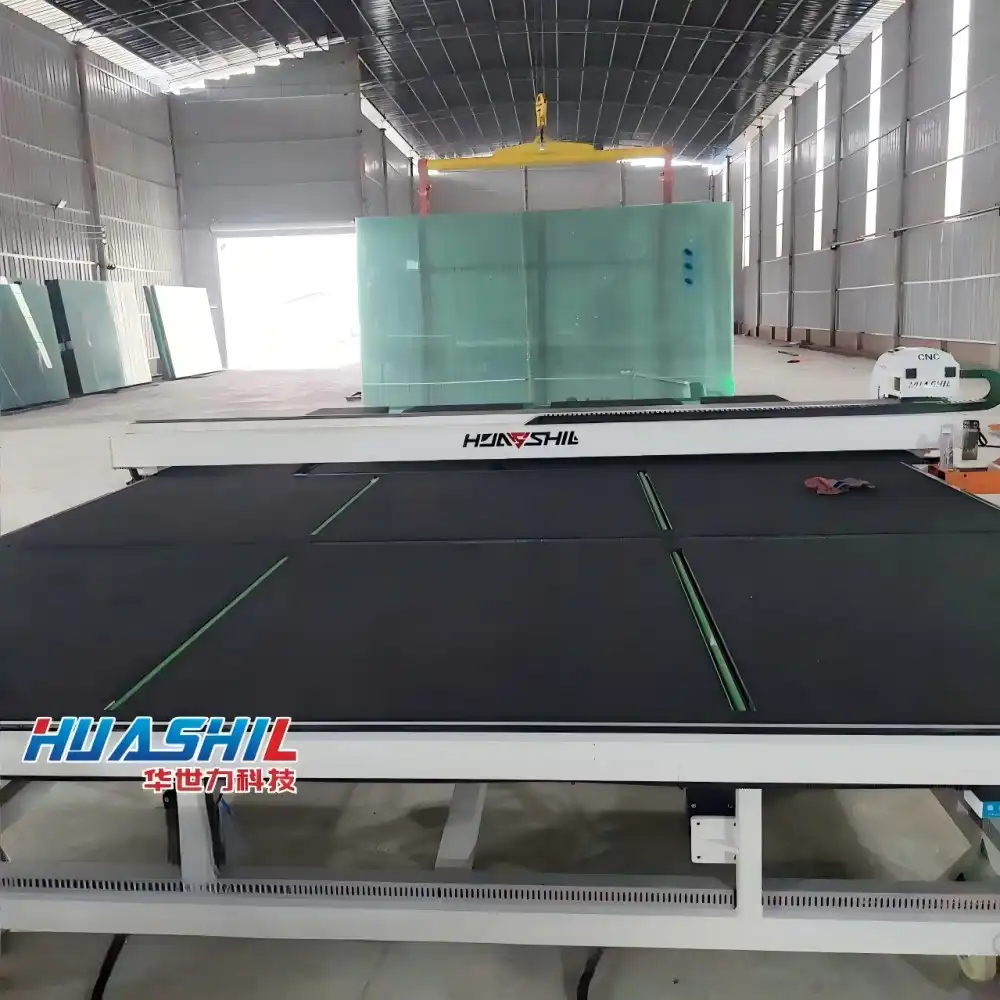
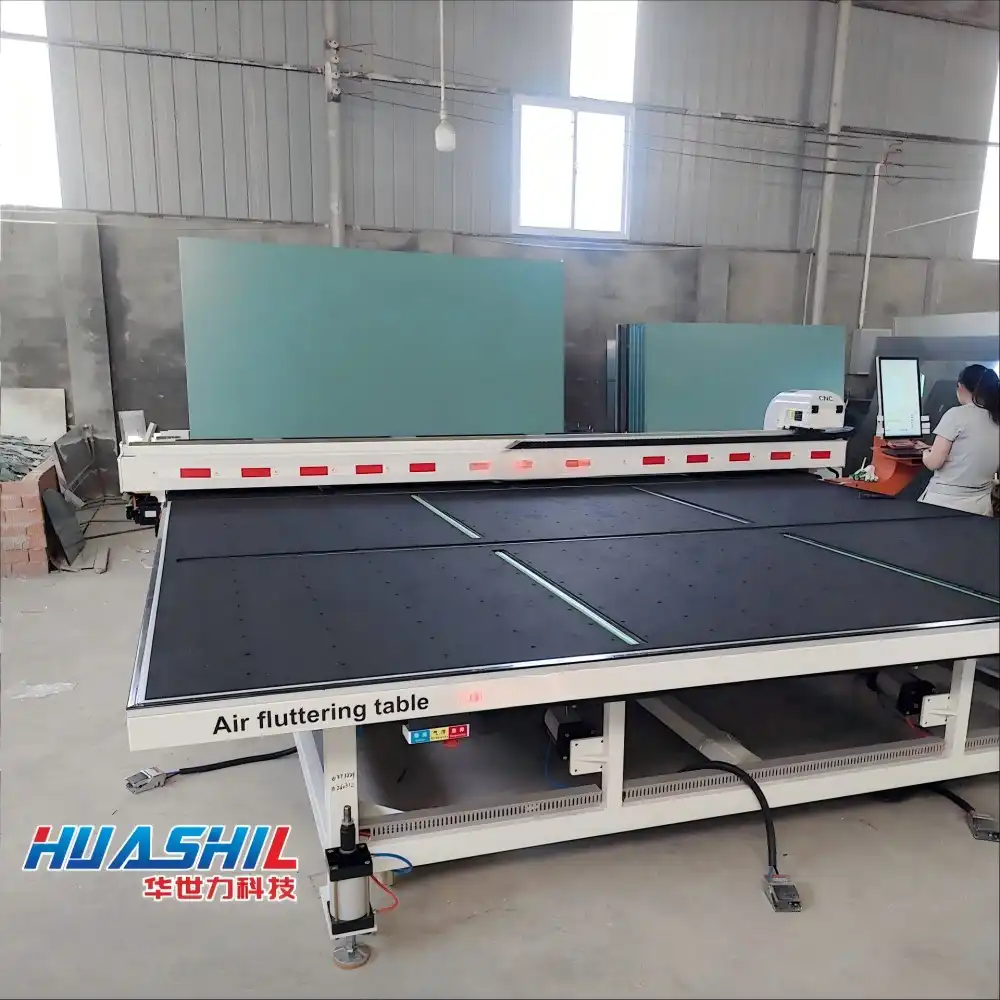
High-performance systems automate crucial handling steps that create unpredictability. Automatic loading mechanisms line glass sheets precisely, eliminating cutting-edge chipping. Air flotation tables distribute weight uniformly over the surface during processing without pressure points. Automatic edge detection systems discover glass boundaries within sub-millimeters, ensuring cutting paths meet tolerances. These qualities create regulated processing settings that preserve ultra-thin glass during manufacture.
Precision Capabilities and Quality Outcomes
High-performance glass processing equipment maintains tight tolerances throughout long production cycles. Cutting accuracy of ±0.1mm guarantees components meet assembly criteria without extra processing. Sharpness from cutting processes generally matches optical standards, avoiding polishing. This uniformity increases yields, with ultra-thin material breakage rates much below industry averages. We've seen that firms switching to high-performance equipment report 15-30% yield increases in the first quarter.
Types and Technical Specifications of Equipment for Ultra-Thin Glass Processing
Understanding how different technologies meet manufacturing needs helps choose machines. Different equipment types have benefits based on material, manufacturing volume, and quality.
CNC Cutting Systems for Precision Fabrication
The most adaptable option for high-volume operations processing diverse shapes is CNC glass cutting lines. Currently, the HSL-YTJ3829 model can handle glass diameters up to 3660×2800mm and thicknesses from 2-19mm. The specification range includes ultra-thin substrates and regular architectural glass, allowing operational flexibility that justifies capital expenditure. Synchronous belt conveyors transfer goods without damaging fragile glass. Automatic pressure control changes cutting force dependent on material thickness, minimizing stress fractures in thin substrates.
Advanced features improve efficiency beyond cutting. A remote control allows workers to accurately place the device in production environments to optimize material flow without human repositioning. Integrating breaking tables cleanly separates cut pieces, reducing edge damage during handling transitions. Air flotation devices automatically cushion glass during manufacturing without touch pressure. These capabilities allow one operator to oversee whole cutting cycles, lowering labor costs and enhancing safety.
Laser and Waterjet Technologies for Specialized Applications
Alternative cutting methods handle production situations where mechanical cutting is limited. Laser technologies create complicated curves and elaborate patterns in ultra-thin glass without secondary polishing. Non-contact laser cutting eliminates mechanical stress, making it appropriate for materials under 2mm thick where fracture risk is highest. Waterjet cutting helps process laminated or pre-treated glass that delaminates under heat. Cost structures and throughput characteristics of each technology affect equipment selection depending on production mix and volume estimates.
Edging and Polishing Systems
Edge finishing equipment prepares glass for assembly or installation after cutting. In modern edging machines, variable-speed grinding wheels react automatically to material thickness and edge shape. Polishing stations provide optical-quality edges without operator involvement by applying finer abrasives in stages. Integration with cutting lines via automated transfer systems reduces production flow transition breakage risk by eliminating manual handling.
Comparing High-Performance vs Standard Glass Processing Equipment for Ultra-Thin Glass
Investment decisions weigh equipment capabilities, costs, and production goals. Understanding performance differentials quantifies high-performance system business cases.
Operational Performance Metrics
High-performance glass processing equipment improves numerous production metrics. Cutting speeds are usually 25-40% faster than regular machines, increasing output. Rework is reduced by precision improvements that eliminate cuts outside tolerances. The biggest yield increases come from improved systems, reducing processing breakage rates from 8-12% to 3-5% or below. These performance advantages accumulate throughout production shifts, resulting in large equipment lifespan output disparities.
Total Cost of Ownership Analysis
High-performance systems cost 40-60% more than normal equivalents, which deters purchasers due to capital expenditure constraints. Overall, the ROI study shows that operational savings can repay the premium price in 18–36 months, depending on production quantities. Modern systems use 20-30% less electricity per unit produced because of better motor controls and decreased rework cycles. Automation allows single operators to control several manufacturing phases that formerly needed specialized workers, reducing labor costs. Material waste minimization saves money over several years.
Environmental and Compliance Considerations
International markets demand CE and ISO9001-certified equipment to fulfill strict safety and quality management standards. Energy-efficient designs cut utility bills and carbon footprints, boosting business sustainability. Yield improvements reduce waste and disposal costs and environmental effects. These considerations are increasingly important in procurement decisions as firms confront stakeholder pressure on environmental performance and regulatory compliance.
Procurement Considerations for B2B Clients
Successful equipment procurement involves systematic review methods that match technical capabilities to operational and corporate goals.
Supplier Evaluation Criteria
Beyond equipment specs, supplier selection includes service and long-term relationship prospects. Manufacturers with decades of glass industry expertise understand application intricacies that newer entrants miss. Production capacity influences delivery times, especially when customisation delays manufacture. After-sales support determines the speed of manufacturing technical issue resolution. Supplier reviews should include replacement parts availability, technical support response times, training program comprehensiveness, and equipment specs.
Customization and Integration Capabilities
Full production line projects require equipment vendors who develop systems rather than just machines. Machinery can be customized to meet facility, material, and throughput requirements. OEM/ODM support lets integrators add unique features to differentiate their production capabilities. Layout optimization services increase facility space usage, decreasing capacity expansion development costs. Turnkey suppliers simplify project management and coordination by providing single-source responsibility from design to commissioning.
Financial Structuring Options
Flexible finance aligns payment schedules with production revenue for capital equipment acquisitions. For simple transactions, deposit-plus-final-payment conditions need 30-40% upfront and balance upon delivery and acceptance testing. Letters of credit secure foreign transactions through bank-mediated payments. Manufacturers emphasizing cash flow management or anticipating technological changes within 5-7 years might consider leasing. When buying numerous units or manufacturing lines, volume savings might be 10-15% off the list price, depending on the order scope.
Maintenance and Lifecycle Management
Preventive maintenance methods that repair worn components before production stops extend equipment life. Manufacturer servicing intervals reflect engineering knowledge of component lifespan characteristics. Spare parts inventory for crucial components reduces replacement downtime. Maintenance staff receive technical training to execute normal service chores without outside help for minor concerns. Manufacturer warranties vary, but complete coverage for parts, labor, and emergency service visits is important during the beginning operations when equipment unfamiliarity raises incident chance.
Case Studies & Practical Applications
Real-world implementations show how modern processing equipment improves productivity and commercial outcomes across industries.
Architectural Glass Manufacturer Expands Production Capacity
A Southwest US curtain wall manufacturing business saw rising demand for ultra-thin glass panels in commercial buildings. Their cutting machine broke 10% of glass below 4mm thickness, causing cost overruns and draining project profitability. After implementing a CNC cutting system with automated pressure management and air flotation assistance, breakage rates reduced to 4.2% and production speed rose 35%. The investment compensated for itself in 22 months by reducing material waste and increasing throughput, allowing for more contracts previously denied due to capacity restrictions.
Automotive Glass Supplier Achieves Quality Certification
OEM quality criteria required automobile glass fabricators to maintain edge straightness within ±0.08mm and surface flaws below 0.5mm². Their hand-cutting couldn't maintain these standards, compromising supplier certification. Upgrades to high-performance glass processing equipment with automated edge detecting and optimization software brought 98% of production within specification, allowing certification. The provider won long-term contracts worth $4.2 million annually, proving the equipment investment's strategic value beyond operational gains.
Future Applications and Technology Evolution
New uses boost ultra-thin glass industry. Smart mirror makers use IoT sensors to track production conditions and forecast maintenance needs, eliminating unnecessary downtime. Electronics producers making foldable screens need micrometer-level processing accuracy, driving equipment innovation to tighter tolerances. As application needs change, firms who invest in high-performance systems may update incrementally to preserve competitive advantages.
Conclusion
Equipment designed for ultra-thin glass processing must reconcile sensitive material handling with production efficiency and quality consistency. Advanced automation, precise controls, and efficient material handling decrease breakage and increase productivity in high-performance glass processing equipment. Comprehensive ROI analysis shows speedy return through yield improvements, labor savings, and energy efficiency advantages despite initial investments exceeding conventional equipment prices. Supplier evaluation must include technical capability, customization support, and after-sales service infrastructure for a successful purchase. Manufacturers who invest in processing technologies benefit from developing ultra-thin glass markets in architectural, automotive, and niche applications.
FAQ
Q1: What thickness range qualifies as ultra-thin glass?
Industry standards vary, but ultra-thin glass is usually 0.5mm to 3mm thick. Due to fragility, material below 2mm is hardest to process. Through sophisticated support systems and pressure controls, high-performance glass processing equipment manages this range without stress concentration during cutting and handling.
Q2: Can high-performance equipment process both ultra-thin and standard thickness glass?
Modern systems operate over many thicknesses. The HSL-YTJ3829 can process 2-19mm materials, allowing firms to process varied product combinations without separate equipment. Automatic pressure adjustment and customizable parameters enable rapid material specification changes without recalibration.
Q3: How do I evaluate energy efficiency when selecting equipment?
Request power usage details for idle, cutting, and peak load modes. Based on power rates and predicted production quantities, calculate the cost per unit. Due to enhanced motor controls and decreased rework cycles that eliminate duplicate processing stages, high-performance systems use 20-30% less energy.
Partner with HUASHIL for Advanced Glass Processing Solutions
Architectural, automotive, and ornamental glass makers benefit from HUASHIL's decades of automated experience in glass processing. Our HSL-YTJ3829 CNC cutting system is CE and ISO9001 certified and has automated loading, pressure management, and edge detection. We create standalone equipment and integrated processing lines to meet your manufacturing needs. HUASHIL, a leading manufacturer of high-performance glass processing equipment, offers consulting, installation, training, and technical support. Contact salescathy@sdhuashil.com to discuss your processing needs and obtain technical specs, pricing, and ROI predictions suited to your operating goals.
References
1. Glass Manufacturing Industry Council. (2023). Technical Standards for Ultra-Thin Glass Processing Equipment. International Glass Review Press.
2. Anderson, M. & Chen, L. (2022). Automation in Architectural Glass Fabrication: Performance Metrics and ROI Analysis. Journal of Industrial Manufacturing Technology, 45(3), 178-194.
3. European Committee for Standardization. (2023). CE Certification Requirements for Glass Processing Machinery. Brussels: CEN Publications.
4. Williams, R. (2021). Advanced Cutting Technologies for Fragile Substrates. Materials Processing Quarterly, 29(2), 67-82.
5. International Organization for Standardization. (2022). ISO 9001:2015 Quality Management Systems in Glass Manufacturing. Geneva: ISO Press.
6. Thompson, J. & Rodriguez, P. (2023). Energy Efficiency Benchmarks in Automated Glass Processing. Sustainable Manufacturing Journal, 18(4), 234-251.