




Precision machinery and clever software solutions streamline cutting, edging, and breaking in automated glass processing. This technique solves industrial bottlenecks that lower productivity and raise expenses. Manufacturing productivity, quality consistency, and labor allocation increase with CNC-controlled glass cutting lines and real-time optimization software. The switch from manual to automated processes provides operational stability needed to scale production while meeting architectural, automotive, and furniture standards.
Understanding Automated Glass Processing and Its Role in Manufacturing Efficiency
Core Components of Modern Glass Automation Systems
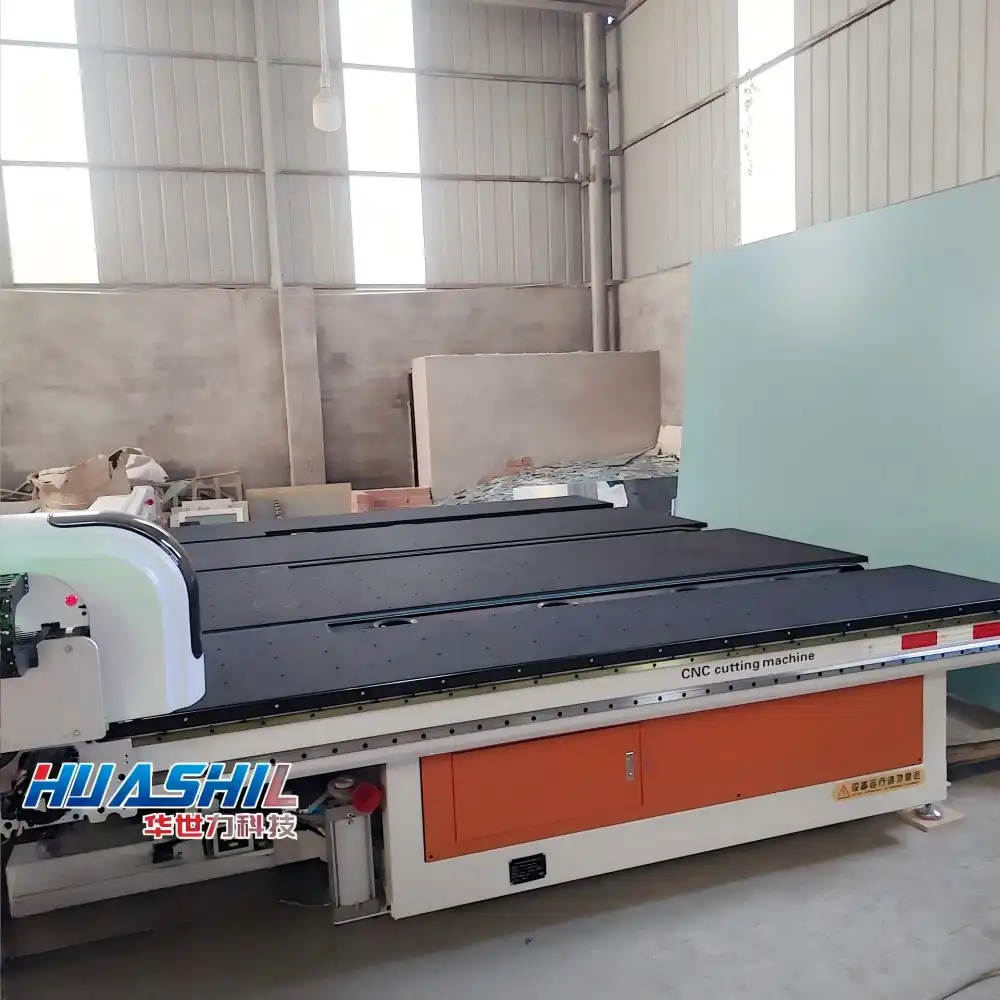
Advanced glassmaking uses integrated equipment with coordinated production lines between processing phases. Loading systems place raw glass sheets on cutting tables where CNC-controlled bridges follow optimization algorithms. Breaking tables use controlled fracture to separate parts without damaging edges. Eliminating station-to-station human handling reduces breakage hazards and speeds cycle times. Manufacturers may adjust product specifications without retooling with programmable logic controllers, accommodating varied order profiles and preserving quality requirements.
Software Optimization Driving Production Intelligence
Optimization software like Optima calculates optimal cutting patterns to decrease glass sheet waste, revolutionizing resource use. Orders are analyzed, manufacturing sequences are prioritized, and nested patterns are optimized for yield. Intelligent planning cuts material costs and improves delivery predictability. Real-time monitoring dashboards show production managers machine status, completion rates, and maintenance notifications. These capabilities turn reactive troubleshooting into proactive management, ensuring equipment runs efficiently during production shifts.
Precision Mechanics Enabling Quality Consistency
Automated glass processing's mechanical design influences output quality and dependability. Rail-guided cutting bridges, available above- and below-ground, maintain positioning precision across vast cutting surfaces. The four-grand-arm arrangements on each side enable steady glass handling for sheets up to 4200×2800mm, suitable for architectural panels and large furniture pieces. Manual scoring and breaking procedures introduce dimensional inconsistencies, whereas servo-driven motors provide reproducible placement within tenths of millimeters. Mechanical accuracy reduces rework and boosts first-pass output.
Identifying and Overcoming Manufacturing Bottlenecks with Automated Glass Processing
Labor Constraints Limiting Production Capacity
Manual glass cutting requires trained specialists to measure, score, and shatter each piece. This laborious method limits capacity by worker availability and shift coverage. New hires need months of training to become reliable, making expansion staffing vulnerable. Automated cutting sequences maintain output rates regardless of operator expertise. A single technician may manage many automated lines, greatly increasing labor productivity and minimizing skill requirements.
Quality Variation Impacting Customer Satisfaction
Automation eliminates operator variability in cut size, edge quality, and piece squareness through mechanical uniformity. Manual scoring depths vary with operator pressure and weariness, causing inconsistent break lines and edge chipping. Automated cutting heads provide clean cracks with minimum secondary finishing by applying calibrated force across score lines. Architectural curtain wall fabricators must maintain rigorous dimensional tolerances for multi-story building installations, where mistakes cause assembly issues.
Material Waste Eroding Profit Margins
Operator discretion determines sheet arrangement in traditional cutting procedures, which achieve material utilization rates of 75-82%. Software optimizes order size and nesting configurations to achieve 88-93% raw material yields. This modification saves a lot on annual glass purchases. Improved yield percentages can save a mid-sized fabrication business processing 500 square meters every day tens of thousands of dollars. The program also finds ways to integrate client orders into single cutting cycles, increasing material economy and minimizing setup times.
Case Evidence from the Architectural Glass Sector
A commercial building window manufacturing company replaced three manual cutting tables with the HSL-LSX4228 automated cutting line. While lowering manpower from nine operators to three supervisors, production capacity climbed 180%. Dimensional accuracy improvements cut field installation modifications by 60%, reducing warranty callbacks. Energy monitoring showed 35% reduced power use per square meter compared to before, meeting the company's sustainability goals and lowering operational costs. These data show how automation improves various performance measures concurrently.
Comparing Automated vs Manual Glass Processing: Making the Business Case
Performance Metrics Revealing Operational Gaps
Speed differences between human and automated cutting show significant productivity disparities. Manual workers make 8-12 cuts per hour, depending on intricacy, whereas automated systems make 40-60 precise cuts per hour. This four-to-five-fold throughput increase lets manufacturers accept higher order quantities or cut lead times for a competitive advantage. Dimensional accuracy measures reveal ±0.3mm tolerances for automated systems and ±1.5mm for competent human operations. Precision improvements decrease material rejection and expensive subsequent processes.
Total Cost of Ownership Analysis
Complete automated glass processing cutting lines need a large initial capital investment, which is the main hurdle to automation adoption. When operational savings are considered, rigorous financial analysis shows appealing return timelines. In two-shift plants, labor cost savings repay 40-50% of equipment investment within 18 months. Quality consistency lowers rework and customer complaints, while material yield gains save money. Scheduled repair intervals keep maintenance expenses for correctly specified automation systems predictable, minimizing the unexpected downtime of aging manual equipment.
Technology Integration Capabilities
Standardized communication protocols allow modern glass cutting devices to work smoothly with downstream operations. Production machinery receives cutting instructions from order management software, reducing human data input mistakes and paperwork. Barcode tracking systems follow pieces during edging and washing for quality monitoring. Digital integration increases supply chain visibility, allowing precise delivery commitments and real-time customer updates that build company connections.
Energy Efficiency Supporting Sustainability Goals
Automated systems use variable-speed motors, efficient cutting sequences to decrease bridge movements, and standby modes during production gaps to save energy. These design principles save power use significantly over pneumatic and hydraulic equipment. These efficiency gains help green building certifications and business carbon reduction targets while lowering power costs. Operational and environmental advantages boost equipment upgrade business cases.
Selecting the Right Automated Glass Processing Solution for Your Business
Assessing Production Volume Requirements
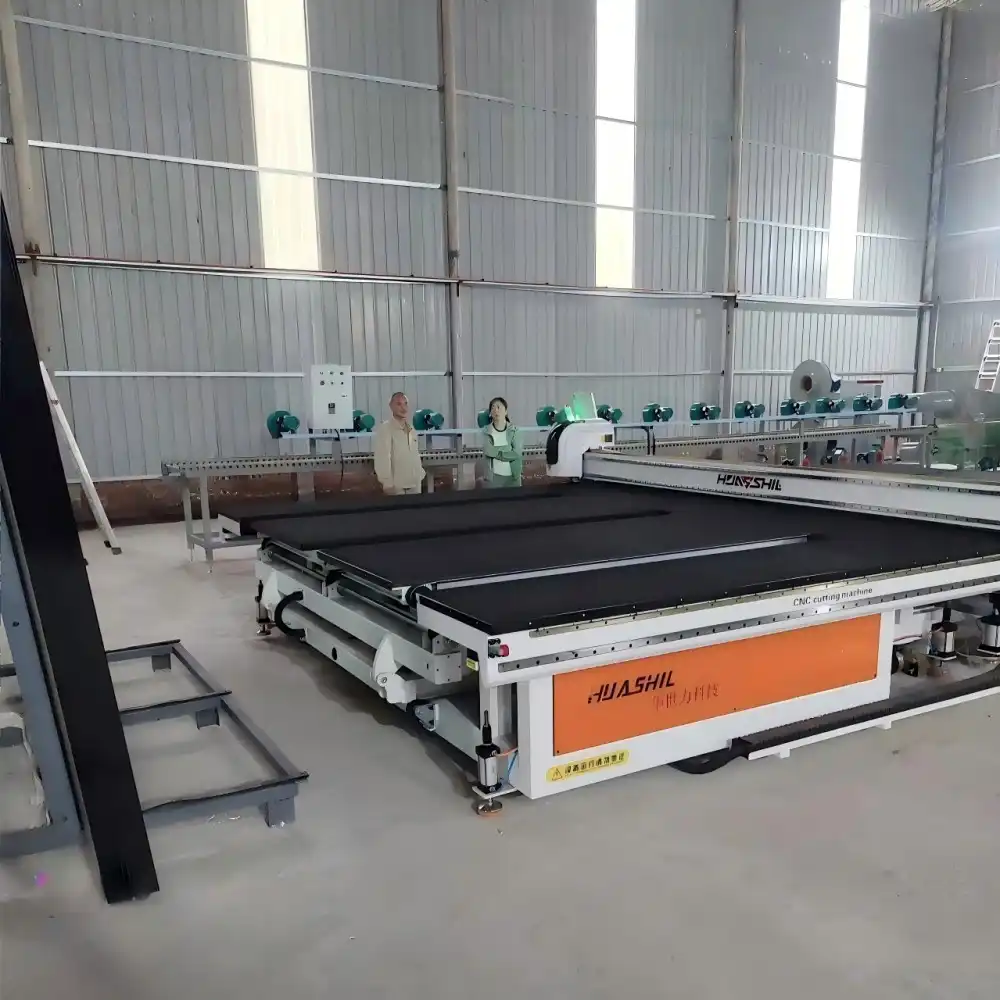
To choose equipment, realistically assess present and forecast throughput demands. Semi-automated systems with manual loading and automatic cutting and breaking benefit 200-400 square meter facilities every day. Over 500 square meters, lines must be completely integrated with automated loading tables, multi-station setups, and continuous operation. The HSL-LSX4228 model's versatile 2+2 station combinations let producers combine productivity with floor space restrictions and upgrade routes for future development. Understand volume needs to avoid over-investing in capacity or under-specification that generates bottlenecks.
Evaluating Glass Type Compatibility
Different glass uses demand different processes. Cutting and shattering architectural low-E coated glass requires caution to avoid coating damage. Laminated and sophisticated curved templates must be processed for automotive glass. Furniture makers require methods for 3mm ornamental panels and 19mm tabletop glass. Equipment specs must cover existing and future product lines. Multi-purpose capacity supports product diversification without capital expenditure, adding investment value.
Supplier Reliability and Support Infrastructure
Manufacturer support after installation is crucial to equipment performance. Complete evaluation covers warranty coverage, replacement parts availability, and technical support response processes. Established service networks help manufacturers resolve unanticipated difficulties faster, reducing production disruptions. Training operators and maintenance staff on equipment capabilities maximizes ROI. HUASHIL supports clients throughout equipment lifecycles with broad documentation libraries, multimedia resources, and direct technical service channels.
Budgeting Strategies for Capital Equipment
Automation investment financial planning goes beyond the purchase price. Budgeting requires precise estimates for electrical infrastructure, compressed air systems, and facility improvements. Team efforts in operator training maximize new equipment capabilities. Professional servicing and maintenance contracts estimate budgets and preserve equipment investments. Some manufacturers provide leasing agreements or phased implementation to align capital expenditures with revenue growth, lowering financial hurdles for growing businesses.
Future Trends and Innovations in Automated Glass Processing
Artificial Intelligence Enhancing Cutting Optimization
Glass processing efficiency will advance with machine learning techniques. These technologies find trends in past production data to advise more advanced cutting improvements. Artificial intelligence forecasts equipment maintenance needs before breakdowns, arranging repairs during scheduled downtime rather than emergencies. Neural network-based visual inspection systems identify edge faults and dimensional deviations in real time, changing settings or flagging items for human evaluation. Early adopters of these intelligent systems obtain competitive advantages from compounding efficiency gains.
IoT Connectivity Creating Smart Factories
Internet-connected production equipment allows remote monitoring and diagnostics, changing maintenance. Production managers may monitor productivity trends and respond to alarms from anywhere using real-time performance dashboards. Remote technical help from equipment makers analyzes sensor data to diagnose faults and guide local teams through solutions. Connectivity decreases service response times and travel delays. Predictive analytics tools provide optimization opportunities hidden in machine data.
Customization Capabilities Meeting Market Demands
Manufacturing supply networks are under strain as consumers seek personalized items over standardized ones. Automated glass processing systems thrive in high-mix production scenarios with changing order specifications. Manufacturers can affordably produce small batch orders with quick changeover and flexible programming, enabling bespoke furniture makers, specialist architectural projects, and prototype development. This agility makes customisation a competitive differentiation, allowing premium pricing for customized solutions while preserving operational efficiency.
Strategic Timing for Technology Adoption
Technology adoption timing is a strategic decision for manufacturers. Early investment boosts capabilities and market position but increases financial risk and integration issues. Waiting lets technology evolve, and prices fall, but aggressive competitors may steal market share. Balanced implementations start with high-impact bottlenecks and prove benefit before increasing automation. Partnering with established equipment manufacturers to improve capabilities protects original investments and allows for technology advancement.
Conclusion
Manufacturing efficiency, quality, cost management, and strategic flexibility improve with automated glass processing. Production needs, equipment capabilities, and supplier support infrastructure must be assessed before investing. Modern automation, like the HSL-LSX4228 cutting line, combines precise mechanics and clever software optimization. Manufacturers using these technologies report enhanced throughput, greater material usage, and reduced worker reliance. Automation becomes more important for architectural, automotive, and furniture glass companies as market needs shift toward personalization and speedy delivery.
FAQ
Q1: What glass processing operations can be automated?
Complete automation includes cutting, breaking, edging, drilling, washing, and quality checking. Synchronized manufacturing lines reduce process handling. Modular system designs let producers automate key bottlenecks first, then expand as funds and operational experience improve.
Q2: How quickly does automated equipment deliver return on investment?
Production quantities and labor costs determine ROI timescales, usually 18–36 months. Maximizing equipment utilization helps high-volume, multi-shift businesses recover investments faster. Comprehensive financial analysis should incorporate labor reductions, material yield increases, quality enhancements, and energy efficiency advantages.
Q3: What maintenance requirements do automated systems demand?
Quarterly or semi-annual maintenance depends on operational intensity. Maintenance includes lubrication, alignment, cutting wheel replacement, and software upgrades. Manufacturers with extensive maintenance documentation and quick parts supply chains save downtime. Preventive maintenance extends equipment lifespan beyond 15 years while preserving performance.
Partner with HUASHIL for Advanced Glass Processing Automation
HUASHIL provides proven automation systems with manufacturing knowledge and customer support. Our HSL-LSX4228 CNC glass cutting line with intelligent Optima software, precise rail systems, and variable station combinations can handle glass sizes up to 4200×2800mm. Architectural fabricators, curtain wall integrators, furniture makers, and specialized glass companies seeking dependable automated glass processing equipment to improve operations choose us. Our engineering teams develop tailored systems for individual manufacturing needs, and our global service network provides fast technical support. Discuss how automation may improve factory efficiency and competitiveness with our experts at salescathy@sdhuashil.com. As an experienced automated glass processing manufacturer, we provide consulting, installation, training, and support.
References
1. Glass Manufacturing Industry Council. (2022). "Automation Impact on Glass Fabrication Productivity: Industry Benchmarking Study." Glass Technology International, Vol. 18, pp. 45-62.
2. Thompson, R. & Martinez, L. (2023). "Total Cost of Ownership Analysis for Industrial Glass Processing Equipment." Journal of Manufacturing Systems Economics, Vol. 31(2), pp. 112-128.
3. Chen, W. (2021). "Optimization Algorithms in Glass Cutting Systems: Material Yield Improvement Strategies." International Journal of Production Research, Vol. 59(8), pp. 2341-2358.
4. Anderson, K. (2023). "Energy Efficiency Trends in Automated Manufacturing Equipment: Glass Industry Case Studies." Industrial Energy Management Quarterly, Vol. 14(3), pp. 78-94.
5. European Glass Processing Association. (2022). "Quality Management in Automated Glass Production: Standards and Best Practices." Brussels: EGPA Technical Publications.
6. Liu, H. & Patel, S. (2024). "Artificial Intelligence Applications in Glass Manufacturing: Current State and Future Prospects." Smart Manufacturing Technology Review, Vol. 7(1), pp. 34-51.