




Precision engineering, robotics, and smart workflow design come together in modern industrial glass cutting and laminating systems, which turn raw glass into high-performance parts for buildings and cars. These systems have high-speed operation, photoelectric positioning, and controlled cutting accuracy. They can handle glass sizes from 3+3mm to 8+8mm and film layers from 0.38mm to 1.52mm, so the results are always the same, no matter how many are made. Modern machines have cutting speeds of up to 100m/min, easy-to-use software settings, and small footprints. This lets makers get the most work done with the least amount of waste and effort. These advanced systems are unique because they can balance operating efficiency with environmental responsibility. This gives architectural glass plants, curtain wall integrators, and furniture makers long-term value.
Understanding Industrial Glass Cutting and Laminating Systems
To understand how industrial glass cutting and laminating systems work, two very important steps are needed to process glass in an industrial setting: precise cutting and safe sealing. Cutting systems cut glass sheets to specific sizes, and laminating systems join several pieces of glass together with films between them to make them stronger, safer, and better at blocking sound. Different types of glass, different thicknesses, and different output sizes must all fit into these processes.
Automation Levels and Production Scale
Types of equipment range from those that need to be operated by hand to those that run completely automatically. Manual methods work well for small-scale custom production and give furniture and decorative glass makers the freedom to work with odd forms and sizes. Semi-automated machines combine mechanical help with human control. They are perfect for medium-sized window manufacturing plants that want to increase output without spending a lot of money. Cutting, edging, and laminating stages are all built into fully automatic lines. This gives architectural curtain wall developers the throughput they need for big projects. Choosing the right amount of automation relies on how much you're producing, how many workers you have access to, and how fast you want to grow.
Material Considerations and Thickness Capabilities
Modern tools for cutting and sealing can work with different types of glass, from plain float glass to goods with low-emissivity layers and that have been tempered. The ability of a thickness to change directly affects the range of applications. Systems that work with layered glass in sizes ranging from 3+3mm to 8+8mm are used by both companies that make windows for homes and companies that make windshields and need to be precise. Film thickness compatibility ranges from 0.38 mm to 1.52 mm, so it can be used for both normal safety uses and unique setups that need to be soundproof or secure. Knowing these important factors will help you make sure that the equipment you buy fits your current production needs and your plans for expanding your product line in the future.
Safety Protocols and Environmental Responsibility
Advanced systems have many safety features, such as emergency stop buttons, protective shelters, and automatic material handling that keep operators from being hurt by sharp edges and heavy loads. When people decide what to buy, environmental factors are now just as important as technology specs. Motors that use less energy, hydraulic systems that work better, and cutting algorithms that make the least amount of waste all lower running costs and help business-building projects get the sustainability certifications that are becoming more and more important. We see factory managers putting an emphasis on buying equipment that uses less energy per square meter of processing. They do this because they know that being environmentally friendly has a direct effect on the total cost of ownership and market competitiveness.
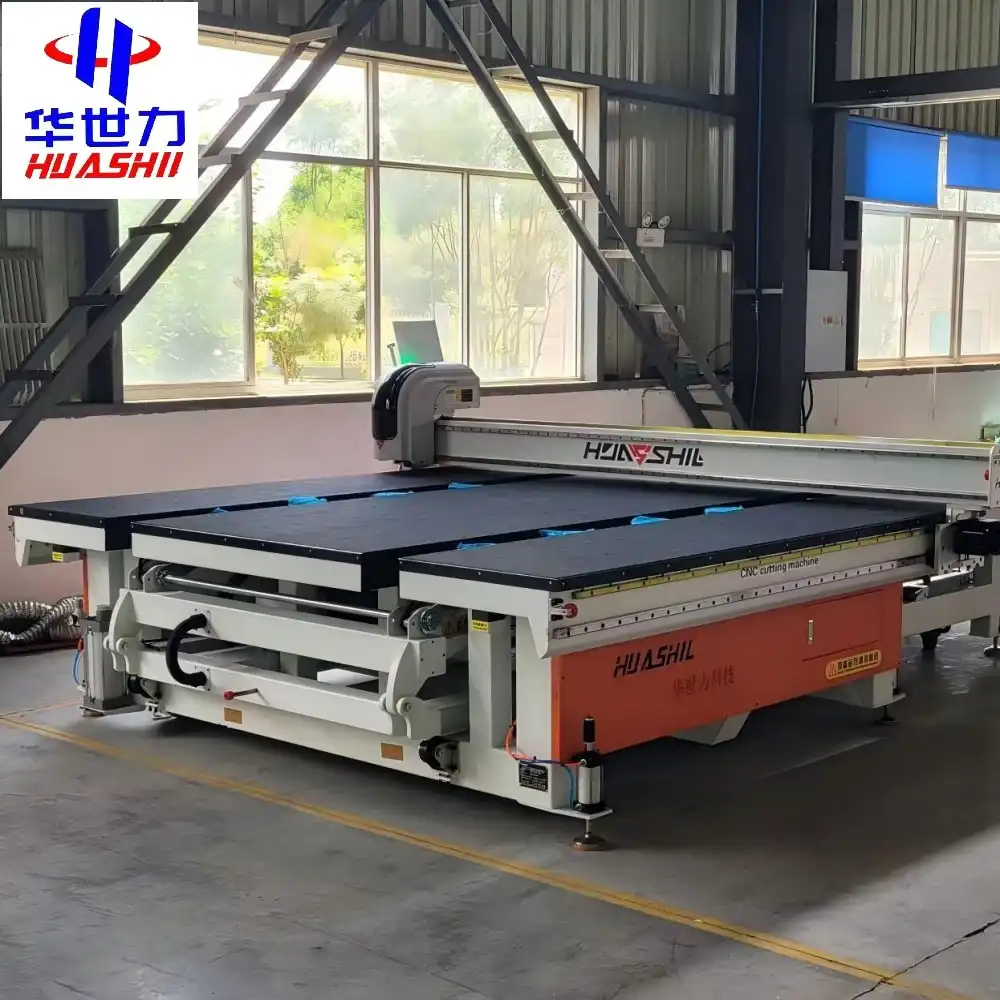
Key Features That Define Advanced Systems
Basic glass processing equipment is different from advanced options that can meet strict standards in the architectural and automobile industries. When B2B buyers are reviewing equipment choices, the following features are important things that set some apart from others in the context of industrial glass system integration.
Precision and Cutting Accuracy
Automated cutting systems can keep tolerances within ±0.2mm over long production runs. This is important for curtain wall parts because consistent dimensions avoid mounting problems and waste of materials. Photoelectric tracking technology gets rid of measurement mistakes caused by human error by instantly finding the edges of glass and changing the cutting paths in real time. This level of accuracy goes all the way to the complicated shapes needed to make smart mirrors and custom furniture. When judging tools, look at how accurate it is across the full range of cutting lengths, from 300mm at the shortest to 3800mm at the longest. This will make sure that the machine performs the same way, no matter what size the part is. During factory visits, testing procedures should include checking dimensions across multiple production cycles to make sure that the stated specs are met in real-world settings.
Integrated Software and Workflow Optimization
Touchscreen screens on modern control systems make programming, storing patterns, and tracking production easier. This cuts the time it takes to train new workers from weeks to days. Software integration can handle not only one machine but also whole production lines, automatically scheduling cutting jobs to cut down on waste and time needed to switch between specs. Nesting optimization in more advanced packages figures out the best way to lay out the glass, which is especially helpful for furniture makers who use standard sheets to make parts of different sizes. These changes to process cut down on worker costs per unit while also increasing daily throughput. This gives plant managers a better return on investment (ROI), which they can track in quarterly production reports. We suggest asking for test access to the control software while the equipment is being evaluated. This will let the engineering staff check how easy it is to use and how well it works with other production execution systems.
Laminating Technology and Material Compatibility
Laminating systems use controlled processes of heat and pressure to stick interlayer sheets together without causing bubbles, distortion, or delamination. Even temperatures across the manufacturing area make sure that windshields for cars that need to be clear and strong always stick together. It is possible for normal PVB films to be compatible with special sound-dampening layers and security-rated compositions that meet government standards for use in transportation and institutions. Modern systems can handle film thicknesses between 0.38 mm and 1.52 mm without having to change the tools. This gives the production freedom to switch between product standards without any downtime. Managers in charge of buying things should make sure that the laminating equipment they're looking at has recorded heating profiles for all of the interlayer materials that are listed in their product line. They should also make sure that the seller offers expert support for tweaking processing parameters.
Energy Efficiency and Operational Cost Reduction
Energy use is a high ongoing cost in the glass industry, so features that make it more efficient are important for making money in the long run. Variable frequency drives make the best use of a motor's power based on its load, using less electricity when it's not in use and during light-duty shifts. Laminating machines with efficient heating systems take less time to start up and keep the temperature stable with less power input. This is especially important for places that work multiple shifts. Standardizing the height of work tables at 820±50mm makes them easier to use with systems that move and lift things, which saves energy. When figuring out the total cost of ownership, operational planning should include details about how much energy is used. When power management is adjusted, and the cutting speed is 100 meters per minute, newer equipment can cut energy costs per unit by 20 to 30 percent compared to older equipment. This can save a lot of money over the course of a year's worth of production, which can be counted in thousands of square meters.
Comparing Leading Industrial Glass Equipment Solutions
In the global market for glass processing tools, there are both well-known companies and new companies that are giving competitive options. Knowing the scene helps procurement teams find solutions that meet their technology needs and stay within their budget for industrial glass cutting and laminating systems.
Market Positioning and Technology Leadership
Major European makers made their names by offering precise engineering and full automation, and they provide large-scale building glass operations with custom production lines. Their systems usually have advanced software integration, a lot of customization options, and service networks that are already set up all over North America. Asian manufacturers, such as specialized Chinese suppliers like HUASHIL, offer affordable options that combine tried-and-true technology with lower costs. This makes them especially appealing to mid-sized fabricators and furniture makers. These companies sell machines that can be placed using photoelectric technology, cut materials quickly, and take up little space, making them ideal for places that are limited on space. Recent industry shows show how technologies are coming together. For example, Asian companies are using robotic standards that were only available from high-end European names, but they're keeping the prices 30–40% lower than Western equipment that does the same thing.
Price Analysis and Return on Investment
Spending on equipment runs from $50,000 for cutting tables that work on their own to more than $500,000 for production lines that work together and have automatic systems for moving materials and checking for quality. When figuring out the return on investment (ROI), you should include things like increased production capacity, lower labor costs, less waste, and better energy economy. Architectural glass plants save more than $30,000 a year on materials with a cutting and laminating system that processes 200 square meters of glass every day with 15% less trash than traditional methods. Automation often lowers the cost of labor more than it pays for itself within 18 to 24 months for businesses that run on multiple shifts. When you buy a lot of full production lines, you should talk about things like installation help, training for operators, and longer guarantee coverage. These are all things that have a big effect on the total cost of ownership, which is different from the price of the equipment itself. Buyers should ask sellers for specific ROI models, along with sensitivity analyses that show how well the products work in different production volume situations.
User Experience and Operational Validation
Claims about how well a piece of equipment works need to be backed up by user references and actual case studies. Ask for contact information for installations in your business that serve similar applications. This will let you have direct talks about reliability, service experiences, and the differences between what the installations can actually do and what they say they can do. When it comes to temperature control and film bond quality over long production runs, production managers who run laminating systems for car glass can give you very useful information. According to user comments, some operating strengths are easy-to-use control panels, quick switching between specifications, and regular repair intervals that make planning production easier. Problems that are reported usually have to do with getting spare parts and getting help from expert staff. This shows how important it is to look at more than just the equipment specs when evaluating a seller. When planning your purchase timeline, you should keep track of how long it takes to install, commission, and train operators. This is especially important for full production line deployments that need to change the way the building is set up and how work gets done.
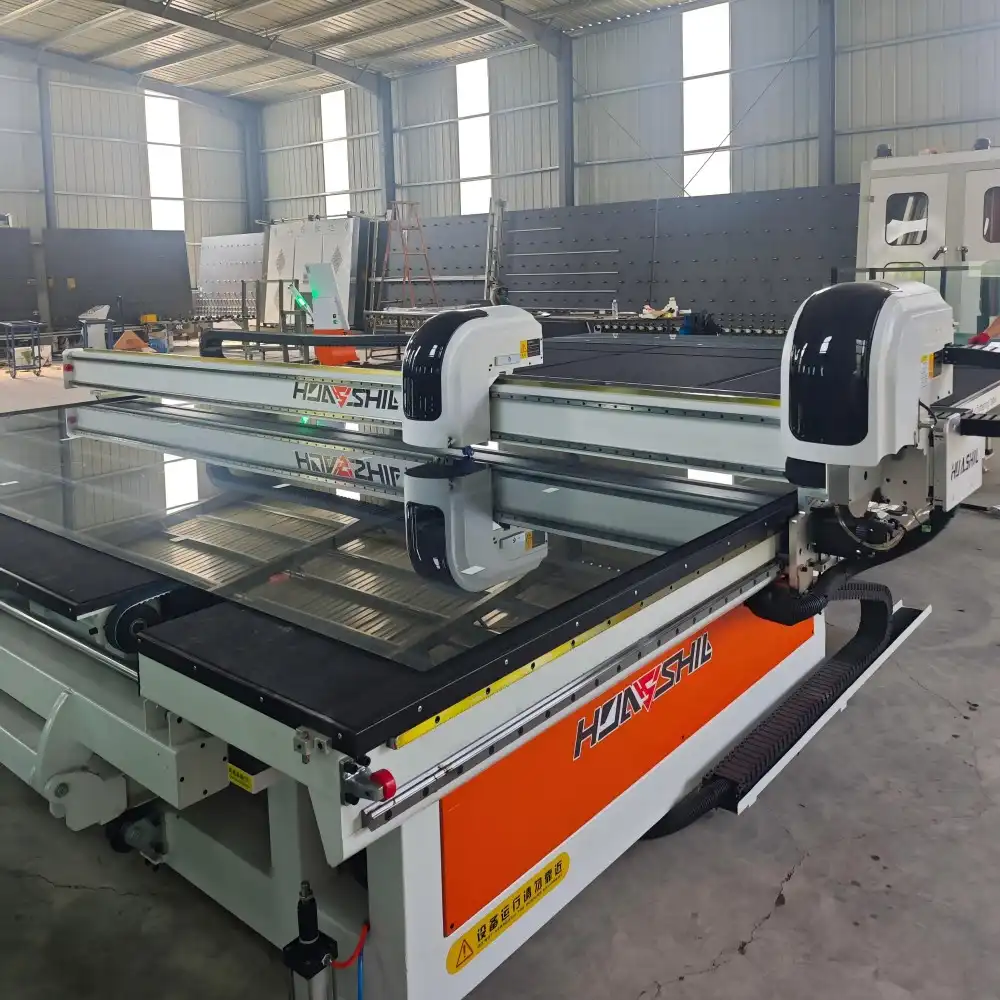
How to Pick the Best System for Your Business
When choosing equipment, it's important to think carefully about both present needs and long-term growth goals. The following framework walks decision-makers through review factors and the best ways to buy things.
Assessing Business-Specific Requirements
Baseline capacity needs are set by production volume research. Window factories that work with 5,000 square meters of glass every month need different levels of automation than furniture factories that work with 500 square meters of handmade artistic glass. The thickness of the glass directly affects the equipment that can be used. For example, companies that focus on standard building products with laminated thicknesses between 3+3mm and 6+6mm have more equipment choices than car suppliers that need 8+8mm capability for windshield production. How complex customization is affects how complicated the control system needs to be. Manufacturers of standard parts benefit from interfaces that are easy to use and don't offer many programming options. Decorative glass makers, on the other hand, need patterns that can be stored in different ways and specifications that can be changed quickly. An honest evaluation of these factors keeps you from investing too much in skills that you don't need or not specifying enough, which limits the freedom of production as business needs change.
Core Criteria for Selection and Performance Metrics
For building and automobile uses, precision tolerances are requirements that can't be changed. Check that the equipment is accurate to within 0.2 mm across the entire cutting length range by following well-written testing procedures. When figuring out the amount of automation, you should weigh the cost of capital investment against the possible savings in labor costs. For most operations, semi-automated systems are the best way to keep their skilled workers while still trying to boost productivity. Cutting speeds of 100m/min are recommended for high-volume production, but slower speeds may be enough for custom construction that values flexibility over output. Compatibility with current production execution systems and future Industry 4.0 implementations will depend on how well the software can integrate with other systems. The amount of energy used affects the ongoing costs of running a business, so the amount of energy used is very important for figuring out the total cost of ownership. We suggest making weighted score grids that rank these criteria by how important they are to your operation. This will allow you to compare rival equipment offers in an objective way.
Procurement Best Practices and Supplier Evaluation
Finding approved wholesalers and direct makers makes sure that you can get real tools, guarantee protection, and expert support. Check the qualifications of the seller by looking at their involvement in industry groups, past participation in trade shows, and examples of installs in your market. It is recommended that installation methods include clear instructions on how to prepare the site, when things need to be done, and how to set up the system, along with clear standards for acceptance testing. On-site support services, such as user training, help with starting, and troubleshooting after installation, have a big effect on how well equipment is deployed. Training programs should include both classroom teaching and hands-on production runs using your exact glass specs so that they can work with operators of all skill levels. Strategies for negotiating should include payment terms that work with budget cycles and keep performance promises. Both parties can share the risk with standard terms like deposit and milestone payments, or letter of credit plans for foreign suppliers. Ask for performance promises with clear measures, acceptance standards, and ways to fix things if the equipment doesn't meet requirements during commissioning.
Conclusion
It's important to find a balance between technical requirements, business needs, and long-term strategy goals when choosing advanced industrial glass cutting and laminating systems. Architectural glass producers, car providers, and furniture makers can compete well by being precise, efficient, and flexible, thanks to modern equipment that offers photoelectric positioning, 100m/min cutting speed, and a wide range of thickness options from 3+3mm to 8+8mm. Thoroughly evaluating suppliers, doing a detailed ROI analysis, and giving clear performance promises are all important parts of successful buying. As automation technologies improve and environmental concerns change industry standards, investments in equipment should plan for what will be needed in the future while also meeting the needs of current production. Plant managers, engineering directors, and procurement professionals can make choices that boost competitiveness and operational success with more confidence when they understand these defining features.
FAQ
1. What glass thickness ranges do advanced cutting and laminating systems accommodate?
Modern machines can work with layered glass that is 3+3mm thick to 8+8mm thick and has interlayer films that are 0.38mm to 1.52mm thick. This range includes windows for homes, screen walls for buildings, windshields for cars, and special security glass goods. When you're looking at equipment, make sure that it has been tested to make sure it can meet your specific thickness needs. This is because processing quality can change at the edges of stated capability ranges.
2. How do laminating technologies improve workplace safety?
Through closed rooms with limited access, automated laminating systems keep operators from coming into contact with high-temperature processing equipment. Consistent bonding quality reduces the number of flaws in the product that could affect how safe the glass is in automobile and building settings. Material handling technology cuts down on the need to lift heavy glass units by hand, which lowers the risk of injuries that often happen in glass production settings.
3. What factors drive equipment costs in industrial glass processing?
Costs are mostly affected by how automated the system is, how fast it works, how accurately it cuts, how complex the control system is, and how well it works with material handling. Small systems for furniture use start at about $50,000, and full production lines that can cut, edge, and laminate go over $500,000. Features that save energy, insurance coverage, and how easy it is to get service all affect the total cost of ownership, which is different from the initial purchase price. Buying things in bulk and getting loans often lowers the amount of money that is needed to fully install a system.
Partner with HUASHIL for Precision Glass Processing Solutions
Advanced industrial glass cutting and laminating systems from HUASHIL are designed for architectural makers, car suppliers, and furniture manufacturers who need accuracy, dependability, and high operating efficiency. Our equipment features photoelectric positioning technology, can cut at speeds of up to 100m/min, and can handle laminated glass with thicknesses ranging from 3+3mm to 8+8mm. It all fits into a small 4700×3100×840mm size that makes the best use of building space. We offer stable quality backed by full technical help and easy-to-reach service networks thanks to our many years of experience making things and exporting them around the world. As a well-known company that makes industrial glass cutting and laminating systems, we can offer competitive prices, a wide range of customization choices, and quick shipping times that help you meet project deadlines. Our engineering team works with your technical staff to create solutions that meet your exact needs, whether you're improving current equipment or setting up whole production lines. Email our sales team at salescathy@sdhuashil.com for full specs, an ROI analysis, and help with your glass working problems. Find out how HUASHIL's robotic technology changes the way production works and how it cuts costs.
References
1. "Glass Processing Equipment: Technology and Applications in Architectural Manufacturing," International Journal of Advanced Manufacturing Technology, 2022.
2. "Automation Standards for Industrial Glass Cutting and Laminating Systems," Society of Manufacturing Engineers Technical Report, 2023.
3. "Energy Efficiency in Glass Fabrication: Equipment Selection and Operational Optimization," Building Materials Processing Quarterly, 2023.
4. "Safety Engineering for Industrial Glass Processing Equipment," Occupational Safety Research Institute, 2022.
5. "Market Analysis: Global Glass Processing Equipment Industry Trends and Forecasts 2023-2028," Industrial Equipment Research Group, 2023.
6. "Comparative Performance Study of Automated Glass Cutting Technologies in Architectural Applications," Construction Technology Review, 2022.
