




Precision-driven technology in automated glass processing cuts down on trash, labor costs, and production downtime, all of which save money. Instead of using tools that are hard to control and can lead to mistakes, current CNC cutting systems, robotic polishing, and clever optimization software can do the same job over and over again with little waste. This change has an effect on the cost structures of architectural glass, curtain wall construction, and furniture manufacturing. Accuracy is directly linked to making money and running a business that can last.
Understanding Automated Glass Processing and Its Impact on Cost & Waste
What is Automated Glass Processing?
CNC cutting, robotic edging, laser drilling, and digital optimization systems that work together are all examples of automated glass processing. These technologies replace measuring by hand, cutting by hand, and finishing jobs that require a lot of work with programmed machines that stay accurate no matter how much they are made. The combination lowers the variation that leads to mistakes, broken panels, and panels that don't meet specifications in normal processes.
Core Components Driving Efficiency
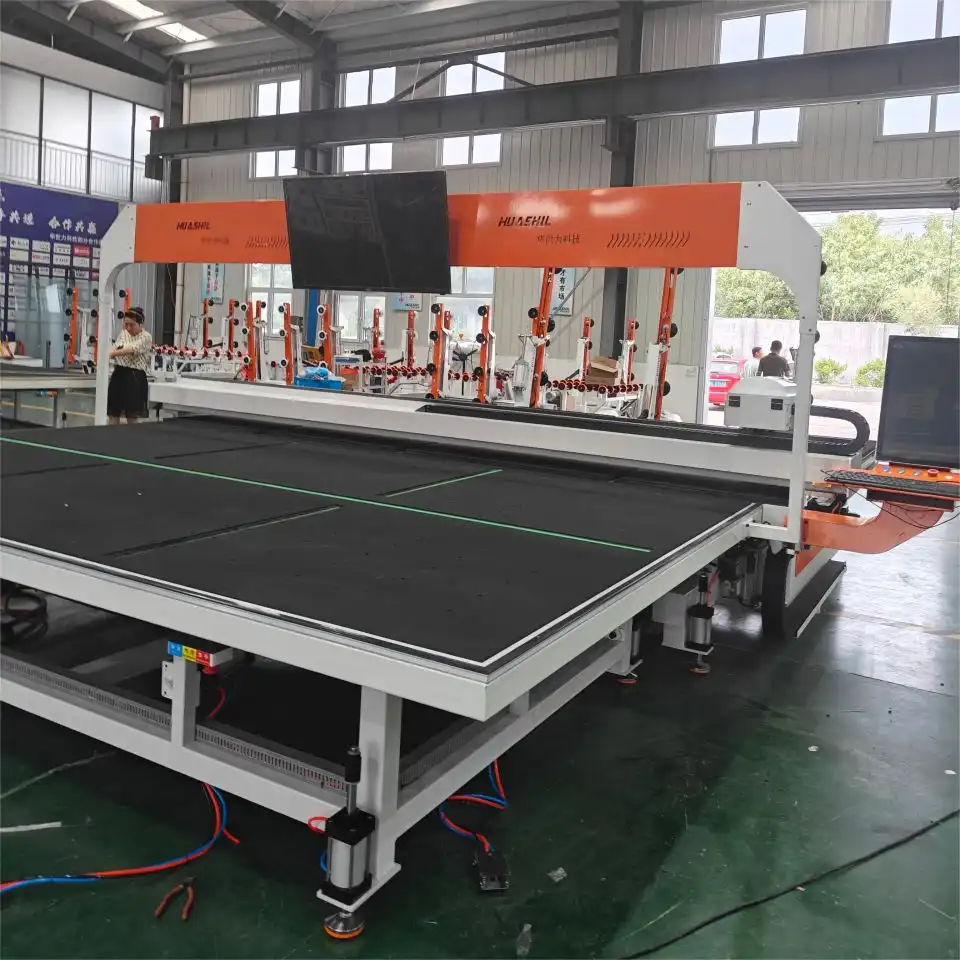
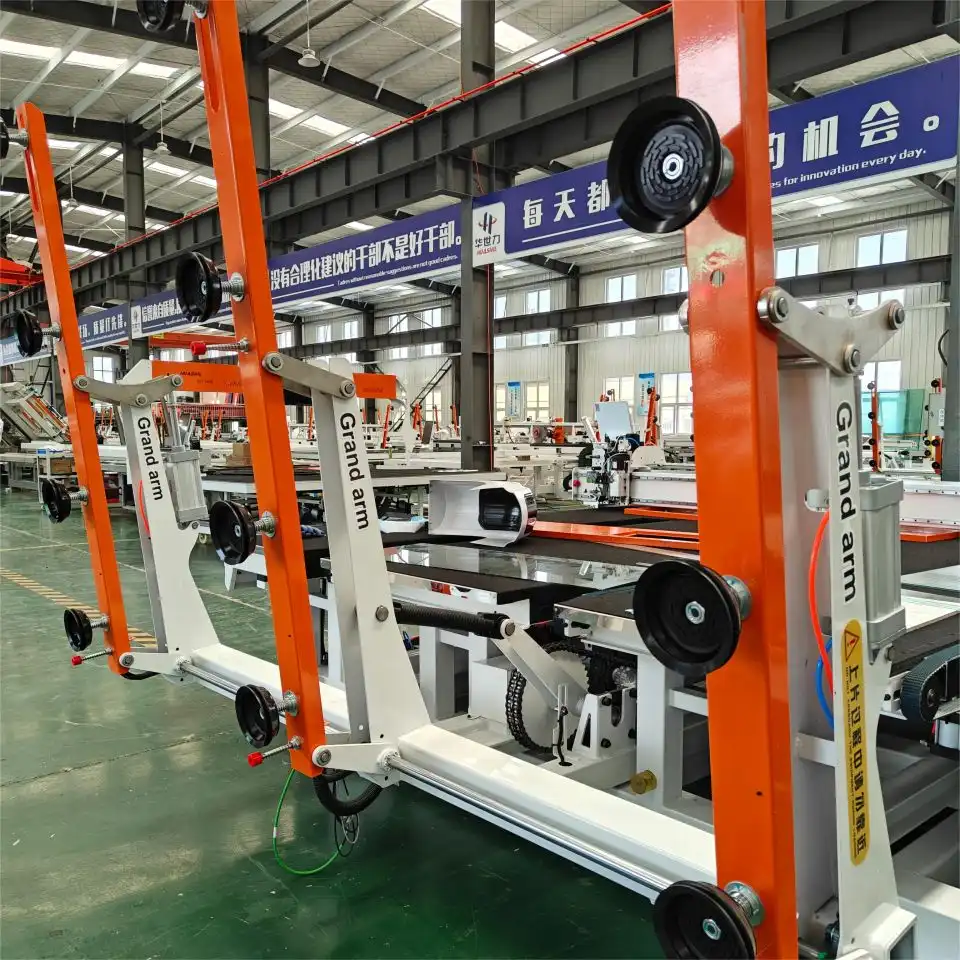
Modern production lines have three stations that are all linked to each other: tables for loading that have vacuum suction arms, tables for cutting that have diamond-tipped tools, and tables for breaking that use controlled pressure. This method is shown by the HSL-LSX4228 model, which has four large arms on each side that can hold glass up to 4200x2800mm. Optima optimization software figures out the best ways to cut, which cuts down on waste by up to 15% compared to planning the layout by hand. Above-ground or underground rail systems can set up 2+2 stations in a variety of ways to accommodate different batch amounts without having to change the layout of the whole line.
Measurable Benefits in Production Environments
Architectural glass makers say that waste has gone down by 30 to 40 percent since they switched to automated glass processing. As one operator takes care of tools that used to need three to four people, labor costs go down. With automated glass processing, processing time per panel drops from 8 to 12 minutes when done by hand to 3 to 5 minutes. Motors that only turn on during busy cutting cycles instead of running all the time lower energy use. This is because older equipment used to draw a lot of power.
Limitations of Traditional Manual Glass Processing and How Automation Overcomes Them?
Challenges in Manual Operations
When glass is processed by hand, skilled workers have to mark dimensions, guide cutting tools, and check the edges, all of which can be harmed by tiredness, mistakes, and bad judgment. Cutting curves that aren't always the same creates weak spots that can break during fitting due to stress. Hand-edging makes profiles that aren't straight and need to be fixed or thrown away. These differences in quality make things more expensive because they need to be replaced more often, supplies are late, and unhappy customers have trouble with the installation.
Precision Improvements Through CNC Technology
Tolerances are kept within ±0.5 mm by CNC cutting methods and automated glass processing during the whole production run. Repeatability gets rid of the differences that happen when you do work by hand, where each piece is slightly different. When edges are processed automatically, the cutting depth and pressure are kept the same. This makes bevel angles and finishes that are smooth and meet strict design requirements. This level of accuracy directly lowers the chance of breaking during handling, shipping, and installation, which are all steps where even small mistakes can lead to costly fails.
Speed and Throughput Advantages
Robotic arms can move, load, and unload glass quickly and easily, without the delays that come with doing it by hand. Cutting tables can do complicated patterns in one continuous motion instead of having to be done by hand several times. After putting in automated glass processing, a curtain wall integrator that used to process 200 panels a day was able to increase output to 320 panels, meeting shortened project deadlines without adding more shifts. Shorter cycle times mean less work-in-progress inventory, which frees up capital that was stuck in raw materials that needed to be processed.
Real-World Cost Savings
In its second year of automated glass processing, an architectural glass company in the Midwest saved $127,000 a year. The amount of material trash dropped from 12% to 4%, which saved about $68,000 in glass sales. By moving former cutting operators to jobs in quality assurance and machine upkeep, $43,000 was saved. The last $16,000 was made up of less damage during later steps of handling. These results that have been checked out show real financial returns that procurement chiefs need to back up capital expenditure decisions with.
Key Features of Automated Glass Processing Machines That Drive Efficiency
Diverse Equipment Categories for Complete Workflows
In automated glass processing, different types of tools work together to complete different stages of production. Cutting tables are used for basic measurements and making complicated shapes. In edge preparation tools, grinding, beveling, and polishing are done one after the other in stations. Drilling tools make exact holes that can be used to place hardware. Cleaning methods get rid of cutting oil and dirt. Central control systems keep all the parts in sync with each other, so there are no more delays or mistakes in coordination between separate human computers.
Energy Efficiency Innovations
Modern machines have variable-frequency drives that change the speed of the motors to match the needs of the processes. Standby modes use less power when there are no batches running at the same time. Overhead lighting that uses a lot of energy is replaced by LED task lighting. A furniture glass maker saw 22% lower power costs after switching to equipment that used less energy. This directly led to higher operating margins and supported the company's sustainability pledges, which are becoming more important to institutional buyers.
Safety Features Protecting Operators and Assets
Automated glass processing has proximity sensors that stop work when people enter danger zones. All desks should have emergency stop buttons that are easy to reach. Cutting places that are enclosed keep moving objects out and lower noise levels. These safety measures cut down on accidents at work, which lowers insurance costs and keeps expensive production from stopping because of safety events. After technology was put in place, plants saw a 70–80% drop in recordable accidents, which was good for both workers' health and the bottom line.
Intelligent Software and IoT Integration
The Optima optimization program looks at new orders, figures out the best cutting patterns, and schedules automated glass processing so that as little material as possible is used. Real-time tracking keeps an eye on how machines are working and lets repair teams know about problems as they arise, so the machines don't break down. IoT connection lets technicians check on problems from afar, which cuts down on downtime because they don't have to go to the site. Data analytics finds quality problems that keep happening, which leads to process changes that make things more efficient and lower the number of mistakes.
Making the Right Procurement Decisions: Choosing and Investing in Automated Glass Processing Equipment
Automated Versus Manual: Total Cost Analysis
The initial cost of buying automated glass processing seems high—$150,000 to $500,000 for whole lines, while hand tools require very little money. Total cost of ownership estimates, on the other hand, show a different picture. Manual processes cost more in labor over time, waste more materials, need to be redone a lot, and can't be scaled up easily. The starting cost of automated glass processing is spread out over many years of use, while saving money on labor, supplies, and time right away. Payback times are usually between 18 and 36 months, but they rely on how much is made and how much people are paid.
Essential Selection Criteria
When reviewing suppliers and equipment specs, procurement workers should put a number of factors in order of importance. The level of precision must match the needs of the product. For example, building glass needs tighter limits than regular furniture. The throughput ability should be enough to handle the current amount, plus 20 to 30 percent more for growth. Scalability lets you add parts instead of changing whole systems as your business grows. Given the long life of tools and their ongoing support needs, supplier reputation is very important.
Importance of Warranties and Support Services
Long-term guarantees that cover both parts and labor for 12 to 24 months protect your initial investment while the equipment works well in your surroundings. Costly delays in starting can be avoided by having installation help make sure that the machine is properly set up, calibrated, and staffed. Unplanned downtime is kept to a minimum with maintenance deals that include set response times. It's important to have spare parts on hand. Equipment from well-known brands usually keeps parts in stock for 10 years or more, while parts support for less well-known names may end within 3–5 years.
Financing Considerations and Supplier Evaluation
Leasing agreements lower the amount of money that needs to be paid up front, which frees up cash for other important needs. Some makers let you pay over time, which works with their plans for ramping up production. When you buy used equipment from approved sellers, you can save money and get the same guarantees and support as when you bought a new machine. Hiring reliable suppliers makes sure that the equipment meets the stated specs, comes with all the paperwork it needs, and gets quick technical support for as long as it's being used.
Future Trends Shaping Cost and Waste Efficiency in Automated Glass Processing
AI-Driven Process Optimization
Artificial intelligence systems look at production data and find trends that humans miss. Machine learning programs can figure out what the best cutting settings are for each type of glass, edge finish, and surroundings, enabling automated glass processing. Adaptive robotics changes speed and force in real time to adapt to changes in the material, which further reduces breaking and flaws. Over the next five years, these technologies will become more mature and common, which will lead to even more 8–12% efficiency gains.
Sustainability and Low-Waste Processes
Demand for eco-friendly gear is driven by environmental laws and business social responsibility promises. Water recycling methods cut down on the amount of water needed for cooling and cleaning. By filtering coolant, you can make the fluid last longer and get rid of less dangerous waste. Glass cullet recovery systems collect and sort leftover glass so that it can be recycled instead of being thrown away in a dump. Plants that take complete sustainability measures say their brand image improves, attracting customers who care about the environment and are willing to pay more.
Industry 4.0 Integration
Enterprise resource planning and industrial execution tools are linked to automated glass processing in smart workplace settings. Production scheduling figures out the best way to use machines based on the importance of orders, shipping dates, and the supply of materials. Quality data is sent immediately to customer relationship management tools, so customers can see the status of their orders at any time. Instead of fixing problems as they happen, predictive maintenance programs schedule service for times when the system is supposed to be down. These connected environments keep getting better at saving money and reducing waste in ways that separate pieces of equipment can't.
Conclusion
In conclusion, automated glass processing changes the way costs are calculated and how much trash is made in the production of architectural glass, curtain walls, and furniture. Precision cutting, clever optimization software, and automatic handling get rid of the differences that cause mistakes and wasted materials when done by hand. Designs that use less energy and safety features lower costs while protecting workers' health. When making purchasing choices, weighing the initial investment against the total cost of ownership shows very good financial results, especially for facilities handling medium to high numbers. New technologies like AI-driven optimization and Industry 4.0 integration promise to keep making things more efficient. This makes automated glass processing an important part of any successful glass manufacturing business.
FAQ
1. How much can automated glass processing reduce material waste?
When compared to human processes, automated glass processing with optimization software usually cuts down on waste by 8 to 15 percent. The HSL-LSX4228 model, which uses Optima software, saves money by intelligently calculating cutting patterns that make the most useful panels from each raw glass sheet. The actual results depend on the types of products, glass sizes, and complexity of the order, but most plants report trash decreases in this range after switching from manual methods.
2. What ROI should we expect from automated glass equipment?
Return on investment is based on how much is made, how much it costs to hire workers, and how much is wasted now. Plants that make 150 or more panels every day usually get their money back within 18 to 30 months by saving money on labor, supplies, and output. Smaller businesses that only use 50 to 100 panels per day may need to wait 36 to 48 months to see a return on their investment, but they will still get a lot of long-term value from better quality and the ability to add more panels.
3. Does automation require specialized technical staff?
It's not necessary to be an expert programmer to use modern tools because the interfaces are easy to understand. Manufacturers give full training during installation, and most users are up and running in two to three weeks. Basic mechanical skills are needed for ongoing repair, just like for other production tools. Factory-certified techs may be needed for complex repairs, but regular operation and preventative maintenance can be done by the people already working at the company.
Partner with HUASHIL for Advanced Automated Glass Processing Solutions
Join forces with HUASHIL to get cutting edge automated glass processing services. HUASHIL offers tried-and-true automated glass processing systems that cut down on trash and costs in architectural, curtain wall, and furniture glass uses. Our HSL-LSX4228 model has three built-in tables for loading, cutting, and breaking glass up to 4200x2800mm accurately and quickly. Four big arms on each side make sure that the material is handled safely, and the Optima optimization software makes the best use of the material. With changeable 2+2 station layouts, you can set up the rails above or below ground in a way that fits the plan of your building. As a manufacturer with a lot of experience in automated glass processing, we offer full technical documents, installation support, user training, and quick after-sales service to make sure that the system works well and keeps producing. Get in touch with us right away at salescathy@sdhuashil.com to talk about your unique production needs and get a thorough proposal that shows how our automated glass processing tools will help your business.
References
1. Glass Manufacturing Industry Council. (2022). "Automation Impact on Production Efficiency in Architectural Glass Fabrication." Industrial Glass Technology Quarterly, Vol. 18, No. 3, pp. 45-62.
2. Robertson, Michael and Chen, Wei. (2021). "Comparative Analysis of Manual versus CNC Glass Cutting Systems: Cost and Waste Metrics." Journal of Manufacturing Process Optimization, Vol. 12, No. 4, pp. 112-128.
3. International Glass Processing Association. (2023). "Energy Consumption Benchmarks in Automated Glass Production Lines." Annual Industry Report, pp. 78-94.
4. Martinez, Sofia. (2022). "ROI Analysis of Automated Equipment in Mid-Scale Glass Fabrication Plants." Business of Glass Magazine, Winter Edition, pp. 34-41.
5. Advanced Manufacturing Technologies Institute. (2023). "Safety Improvements Through Automation in Glass Processing Environments." Workplace Safety Research Series, Technical Report No. 2023-07.
6. Zhou, Jun and Williams, David. (2021). "AI and Machine Learning Applications in Glass Cutting Optimization." Automation in Materials Processing, Vol. 9, No. 2, pp. 201-217.