




Special shape sintered stone cutting machines can handle complicated designs thanks to cutting-edge CNC technology that turns complicated CAD models into exact lines for cutting. With multi-axis control systems and diamond-tipped blades, these tools can follow curves, angles, and non-standard shapes with an accuracy of up to ±0.1mm. Using optimization tools like Optima makes sure that the right amount of material is used and that the quality of the edges is maintained, even when working with hardened sintered stone. Automated pressure control and real-time edge recognition make these systems essential for building and artistic uses because they ensure consistent results, no matter how complicated the design is.
Understanding Special Shape Sintered Stone Cutting Machines
The needs for industrial fabrication have changed a lot, which is forcing makers to look for tools that can make complicated shapes without damaging the material. Special shape sintered stone cutting machines are a big step forward in technology compared to regular cutting tools. They are designed to handle non-standard forms that are hard to cut with regular tools.
The Core Technology Behind Precision Cutting
The CNC technology that handles every part of the cutting process makes these high-tech systems stand out. Unlike semi-automatic or human cutters, CNC-driven tools take digital design files and turn them into exact cuts. The combination makes it possible for production managers to keep the quality of hundreds of units the same, which is a major worry in large-scale operations. The cutting head can approach the material from different directions because it can move on multiple axes. This is very important when making complex curved edges or intricate internal cutouts, which are popular in architectural glass and decorative stone applications.
Differentiating Factors from Traditional Equipment
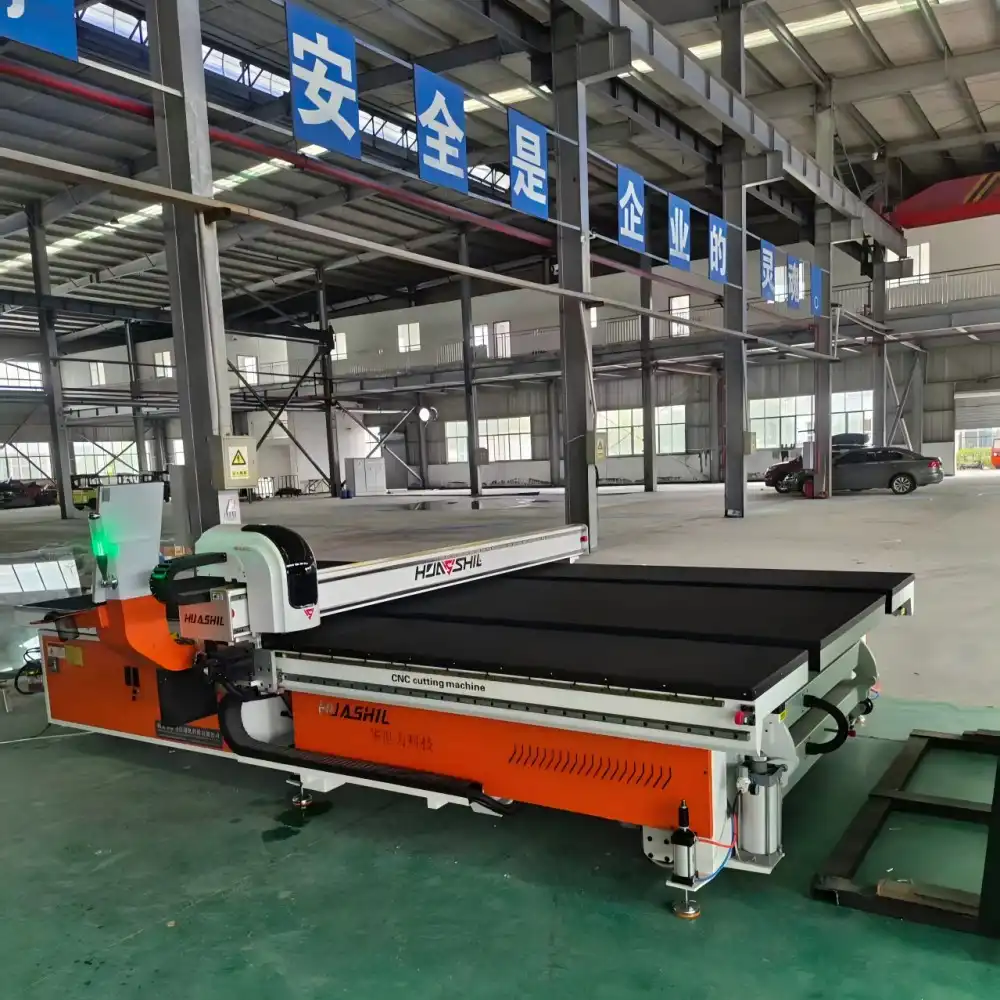
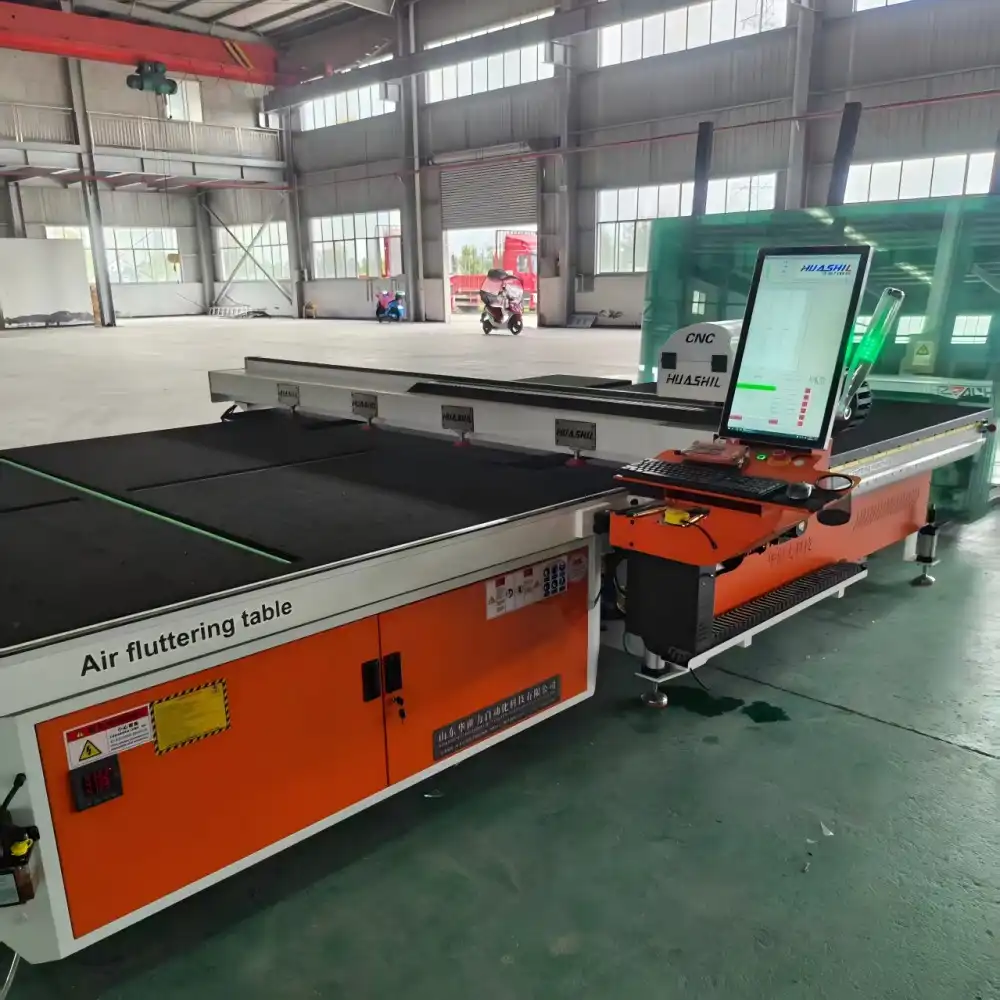
Traditionally, stone cutters work along straight lines, so they can only make straight cuts and simple shapes. Modern tools that are made to fit specific forms can rotate and move the blades around automatically. Facilities using modern equipment report up to 40% faster throughput on difficult projects compared to facilities using traditional methods. This technological difference has a direct effect on how efficiently production works. Models like the HSL-CNC3616 have air floating systems that lower friction while moving materials. This keeps the surface from getting scratched, which can happen when placing it by hand.
Machine Categories and Industrial Applications
The market has a range of designs that are made to fit different operating scales. Fully automatic CNC systems work best for companies that make a lot of building curtain wall parts and need to make sure that the quality of thousands of panels is always the same. Mid-range semi-automated tools are used by furniture makers who need to be able to handle unique orders but don't want to invest in full automation. By knowing about these groups, procurement workers can better match the capabilities of equipment to the needs of production, preventing both under-use and capacity bottlenecks that hurt return on investment.
Challenges in Handling Complex Designs with Sintered Stone
When working with sintered stone, there are special challenges that set good machinery apart from great machinery. The engineered makeup of the material makes it hard enough to be similar to natural granite, but it is still fragile enough that it needs to be handled carefully.
Material Properties and Cutting Complications
Sintered stone is denser and harder than many natural materials. This means that cutting tools have to stay sharp under constant pressure. When the wrong cutting speeds or blade types are used, edge chipping is a frequent failure point. We've seen that special shape sintered stone cutting machines that don't have automatic pressure adjustment often leave tiny cracks along the sides of the cuts, which are flaws that you can't see until after the machine is installed. This problem is especially bad for large-format panels that are used on the outside of business buildings and need to look the same across dozens of pieces.
Waste Reduction Through Precision
Material waste has a direct effect on how much money a project makes, especially when quality sintered stone costs a lot more than normal materials. When cutting complicated shapes with traditional methods, 8–12% of the material is wasted because the cuts aren't accurate enough and need to be fixed. This number is cut down to 3–5% by optimization software in modern cutting tools that figure out the best way to cut. The Optima software package, which comes with high-end models, looks at design files and arranges cuts automatically to get the most out of each slab. This is a trait that production directors always say is the most important thing when making a choice.
Meeting B2B Quality Standards
Clients in the architecture and furniture industries have strict standards for edge finish and correctness of measurements. To meet these requirements, equipment must always keep tolerances within ±0.1mm. Repeatability is a problem for equipment that doesn't have advanced control systems. It can do a good job with initial tests, but not with production runs. Because of this, there are delays during the quality inspection stages, which means that makers can't meet their legally required end dates for projects.
Key Features Enabling Complex Design Handling
Several combined technologies working together make it possible for special shape sintered stone cutting machines to successfully carry out complex designs. By knowing about these features, engineering managers can compare the specs of equipment to what is actually needed for production.
CNC Control Systems and Software Integration
CAD/CAM tools and machine control systems work together very well in modern sintered stone processes. Standard CAD design files are put into optimization software, which then makes cutting paths that take into account the properties of the material and the blade's specs. The HSL-CNC3616 model is a good example of this combination because it uses Optima software to process design files before making precise cuts. To get the best cycle times, the system automatically changes the cutting speed depending on the radius of the curve. It slows down for tight corners and speeds up for straight parts.
Multi-Axis Positioning and Movement Capabilities
When the shape is complicated, the cutting head has to move in ways other than the simple X-Y plane. The machine can tilt and move the blades in relation to the material surface on both three- and five-axis setups. When making curved edges or three-dimensional shapes, this feature is very useful. Advanced models have a 360-degree remote control walking feature that lets operators exactly position big slabs without having to move them by hand. This cuts down on injuries at work and improves positioning accuracy. The air float system holds the weight of the material while it is being moved. This keeps the surface from getting damaged when heavy stones are dragged across support tables.
Blade Technology and Automatic Adjustments
Diamond-impregnated blades are still the standard for sintered stone, but the quality of the blades from different sources varies a lot. Premium blades keep cutting well for 50 to 80 hours, while cheaper blades start to lose their quality quickly, and the cut is no longer good after 20 hours. Automatic pressure control systems keep an eye on the resistance of the blade while it's cutting and change the downward force to keep the cutting speed steady and stop chipping. Before cutting, the automatic edge-finding feature scans the edges of the material to set exact reference points that take into account slight differences in slab dimensions. This makes sure that cuts are made correctly according to design specifications, even when material dimensions are slightly different from standard sizes.
Production Automation and Quality Control
Less human involvement makes things safer and more consistent. When a single piece needs to be processed in more than one step, automated tool changes are important. They can switch between different types of blades or grinding heads without having to be replaced by hand. Sensor systems check the amount of vibration and the cutting resistance. If there are any problems, they let workers know before they damage the material. All of these features take care of the main concerns of plant managers who are in charge of keeping things running smoothly and meeting production plans. Facilities say that fully automated tools have 15-20% higher effective capacities than semi-automated ones, which has a direct effect on how profitable the operations are.
Maintenance and Safety Best Practices for B2B Users
Structured maintenance procedures and safety compliance are very important for the long-term performance of special shape sintered stone cutting machines. As industrial gear costs a lot of money to buy, its operating reliability is very important to people who make financial decisions.
Preventative Maintenance Schedules
As part of daily inspections, the state of the blades, the water system, and the guide rails should all be checked and oiled. During times of high demand, production managers often forget to do these simple jobs, which speeds up wear and tear and causes unplanned downtime. When to change a blade depends on how hard the material is and how much it needs to be cut. For heavy use, the times are usually between 40 and 60 hours. Facilities that work with harder materials should keep track of measures for blade performance to figure out when to change them most efficiently for their individual production mix.
Safety Protocols and Operator Training
High-speed spinning blades and moving heavy materials around are used in complex cutting processes, which create many points of failure. Machine guards must stay in place while the machine is running, and interlocks keep the blades from engaging when the guards are open. A machine's operator training program should teach them how to stop in an emergency, how to clamp materials correctly, and how to recognize sounds that aren't normal that could mean the machine is about to break down. More and more, insurance companies want to see records of training, which means that safety programs must go beyond just following the rules.
After-Sales Support and Service Networks
Reliability of equipment includes more than just the quality of the parts that come with it. It also includes how quickly expert support can help you. Managers in charge of buying things should make sure that sellers keep regional service centers stocked with important wear parts. Technicians can fix problems without having to go to the site right away thanks to remote testing. This cuts down on downtime when problems happen. Manufacturers with CE and ISO9001 badges show that they follow international quality and safety standards. This gives finance teams peace of mind when they approve capital expenditures. Longer warranty periods that cover major parts beyond the usual terms offer extra risk reduction for businesses where equipment failure directly affects meeting contract delivery obligations.
Selecting the Right Special Shape Sintered Stone Cutting Machine
When choosing equipment, you have to weigh the technical specs against the working needs and funds. Because the choice will affect production for years, it is important to do a full evaluation of special shape sintered stone cutting machines before purchase.
Evaluating Technical Specifications
The types of projects that a facility can take on are directly limited by its maximum working measurements. The HSL-CNC3616 can handle glass sizes of up to 3600x1600mm, which is good for big building panels but might be too big for work on furniture. Cutting thickness levels is just as important as the materials themselves. Machines that can handle 3–12 mm thick materials can handle most architectural glass and thin sintered stone jobs, but they can't handle thicker tabletop materials. To avoid buying equipment that stops the business from growing, engineering managers should make a plan for what is needed for present projects and what work is expected to be done in the future.
Considering Total Cost of Ownership
The price of the tools is only one part of their total cost. Different models use a wide range of amounts of energy. Older models use 30 to 40 percent more energy than newer, more energy-efficient systems. 15 to 25 percent of the equipment's cost goes toward installation, user training, and the first set of tools. Over the course of five years, maintenance costs can add up to 20 to 30 percent of the original purchase price. This means that the quality of after-sales help is a real factor in choosing a product. Before authorizing capital expenditures, finance chiefs are asking for TCO analyses that compare multiple choices more and more.
Customization and Production Scaling
Manufacturers can make equipment work with specific production processes by working with OEMs and customizing it. When production rates rise, modular designs let you add more cutting stations or automatic loading systems to increase capacity. This freedom is especially helpful for curtain wall installers who have to deal with changes in demand based on projects. Custom setups usually have longer procurement processes that last between 3 and 6 months. This means that planning ahead is needed to make sure that equipment needs are met within the project timelines.
Supplier Evaluation Criteria
In addition to the specifications of the tools, the supplier's skills have a big impact on long-term happiness. Lead times affect how projects are planned; normal machines can ship in 4 to 6 weeks, but special systems take 12 to 16 weeks. Payment terms affect cash flow. Usually, buildings need a 30–40% fee, and the rest before they can be shipped. Letters of credit (L/C) protect foreign deals, but they cost more for banks. Suppliers who take part in industry trade shows like Glasstech Asia show that they are present in the market and offer live equipment demos that boost trust in technical claims.
Conclusion
To work with complicated shapes in sintered stone, you need special shape sintered stone cutting machines that combine CNC accuracy, high-tech robotics, and complex software control. Material hardness and design complexity make it necessary for machines to be accurate all the time, use materials efficiently, and work reliably over time. Technical features like multi-axis control, automatic pressure adjustment, and optimization software directly meet the needs of architectural glass makers, curtain wall installers, and furniture manufacturers when it comes to production. When choosing the right tools, you need to compare the specs to your operational needs, think about the total cost of ownership, and work with sellers who offer strong after-sales support, which is important for keeping production going in competitive B2B markets.
FAQ
1. What materials can special shape cutting machines process besides sintered stone?
These special shape sintered stone cutting machines can cut building glass, auto glass, smart mirror glass, and decorative glass products well. When it comes to toughened and layered glass, the same CNC control systems and blade technologies that work well with hard sintered stone also work well with those materials. Furniture makers really like this feature because it lets them use one machine for a lot of different products without having to buy a lot of different machines.
2. How long does it usually take to learn how to use a CNC cutting system?
For workers who have used CNC machines before, basic operating competence is gained in three to five days of hands-on training. It takes two to three weeks to fully learn the software, which includes using optimization software and doing advanced fixing. When compared to buying tools alone, suppliers that offer full training programs make the learning curve much shorter. Getting help from afar during the first few production runs helps workers feel more confident while still meeting quality standards.
3. What factors have the biggest effect on blade life and how often they need to be replaced?
Material strength, cutting speed, and the quality of the coolant are the main factors that affect how long a blade lasts. For facilities that only work with lighter materials, each blade lasts 60 to 80 hours. For mixed production that includes harder solid stones, this time drops to 40 to 50 hours. Proper coolant care stops blades from wearing out too quickly; dirty coolant speeds up the breakdown of diamond segments. By keeping track of measures for blade performance, repair teams can find the best replacement schedules, which balance the cost of the blades with how well they cut.
Partner with HUASHIL for Advanced Sintered Stone Cutting Solutions
Shandong Huashil Automation Technology has years of experience making things and has been successful at exporting them around the world. They are experts in automated cutting systems. Our HSL-CNC3616 model has both precise engineering and useful features, such as automatic pressure control, edge-finding technology, and an air floating system that keeps material surfaces safe while it is being processed. The 3600x1600mm cutting area can handle big building projects and keep the accuracy within very tight limits. Our dedication to meeting world quality standards is shown by our CE and ISO9001 certifications. If an engineering manager is looking for a trusted company that makes special shape sintered stone cutting machines, they will find that our technical documentation is thorough and that we can make changes to meet unique production needs. Email our team at salescathy@sdhuashil.com to talk about the details of your project and get thorough proposals that are made to fit your business goals.
References
1. Johnson, M.R. & Chen, L. (2023). "Advanced CNC Technologies in Stone Fabrication: A Comprehensive Analysis of Precision Control Systems." International Journal of Manufacturing Technology, Vol. 118, pp. 2847-2863.
2. Williams, A.P. (2024). "Material Properties and Processing Challenges of Engineered Sintered Stone in Architectural Applications." Stone Industry Research Quarterly, Vol. 45, No. 2, pp. 134-152.
3. European Stone Industry Association (2023). "Automation in Stone Processing: Technical Standards and Best Practices for Industrial Equipment." Brussels: ESIA Technical Publications.
4. Martinez, C.F. & Tanaka, H. (2022). "Optimization Algorithms for Complex Shape Cutting in Hard Materials: Comparative Study of Commercial Software Solutions." CAD/CAM Systems Review, Vol. 31, No. 4, pp. 89-107.
5. Industrial Safety Council (2024). "Machinery Safety Guidelines for Automated Stone and Glass Cutting Equipment." Washington, D.C.: ISC Standards Division.
6. Thompson, R.K. (2023). "Total Cost of Ownership Analysis for Industrial Cutting Systems: A Five-Year Operational Study." Manufacturing Economics Journal, Vol. 56, pp. 423-441.
