




Modern glass fabrication needs speed, accuracy, and flexibility, which are all things that standard cutting methods have trouble regularly delivering. Mobile glass cutters are a huge change in how architectural glass plants, curtain wall installers, and furniture makers work with their production lines. These advanced automatic systems are portable and use cutting-edge technology. This lets them be adjusted on-site and greatly reduces the need for workers. Traditional hand tools depend on the operator's skill and stamina. Mobile glass cutters with CNC controls and smart software, on the other hand, can cut glass of different thicknesses with repeatable accuracy. This gets rid of the operational bottlenecks that slow down projects and waste money in today's competitive manufacturing environment.
The Limitations of Traditional Glass Cutting Methods
In traditional glass cutting, scoring tools are mostly used by hand, and the operators need to be very skilled. This leaves a number of operating holes that affect the consistency of production and the revenue of the business.
Inconsistent Precision and Operator Dependency
The effects of manual cutting methods depend on the person, their level of fatigue, and the factors of the work area. A trained worker might be able to keep up a good level of accuracy for weeks, but over time, small mistakes start to show up in different batches of work. This variety is especially annoying when working on big curtain wall jobs that need thousands of identical glass pieces. Using human opinion to set the score depth and break lines leads to measurement errors that affect building standards and raise the number of rejections during quality checks.
Safety Hazards and Workplace Risks
Workers who handle glass by hand can get cuts, repeated strain injuries, and joint disorders from having to bend and lift things all the time. Positioning big glass sheets—sometimes more than 2700x2100mm—requires more than one person and raises the risk of an accident. Traditional cutting stations don't have automatic safety measures, so workers have to be extra careful during dangerous tasks. These situations not only put workers' health at risk, but they also put plant managers who are supposed to keep sites OSHA-compliant at risk of being sued.
Material Waste and Production Delays
When cuts aren't done correctly, scrap material is made, which directly cuts into profits. When a panel that was scored by hand breaks in the wrong way, the whole sheet is wasted, which can be expensive when the glass is treated or toughened. Traditional methods also don't have optimization tools to figure out the best cutting patterns, which means that less material is used than could be. When repair needs to be done, it adds to production delays because later steps like edging and heating depend on getting the right-sized glass pieces on time.
What Is a Mobile Glass Cutter and How Does It Work?
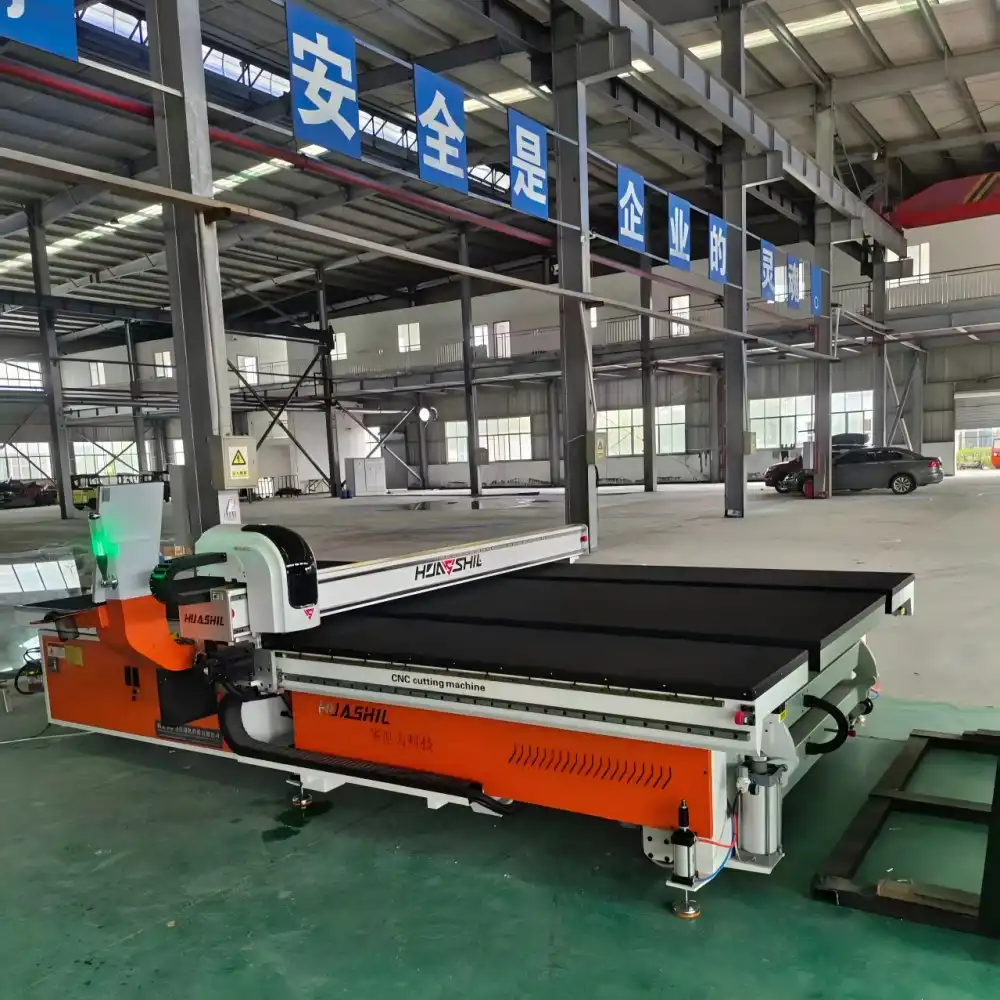
In the business world, a mobile glass cutter is an automated CNC glass cutting system with portable cutting heads and built-in control systems that are meant to bring the ability to make precise parts straight to the workpiece.
Core Components and Operating Principles
Modern mobile glass cutting systems have servo-driven gantries that move across flat pieces of glass. This means that big panels don't have to be moved by hand during cutting operations. This method is shown by the HSL-CNC2721 model, which can handle glass pieces up to 2700x2100mm and keep their position accurately with ball screw transmission and linear guide rails. Carbide or diamond wheel assemblies in the cutting machinery score the glass surface along predetermined routes. The glass is then broken carefully along the score lines.
Modern systems have air flotation platforms that hold up glass sheets on pressured air pillows. This keeps the surfaces from touching and avoids tiny scratches while the sheets are being placed. Before cutting starts, automatic edge detection sensors make a map of the real edges of the glass. This accounts for differences in placement and makes sure designs line up correctly with the sides of the material. In contrast to older ways, where operators had to physically line up cutting guides, this sensor feedback loop is a huge improvement.
Software Integration and Automation Benefits
Optimization software, such as Optima, turns raw cutting orders into efficient nesting patterns that get the most out of the materials you cut. The software figures out the best way to cut so that the tool path is as short as possible, and the output time per sheet is cut down. Plant managers can post CAD files directly from architectural specs. This gets rid of the problems that come with measuring and typing things by hand, which are common in older ways of doing things. The system's automatic pressure control changes the cutting wheel force based on the thickness of the glass, which can be anywhere from 2mm to 19mm. This keeps the scoring level constant without the user having to do anything.
With remote control, workers can keep an eye on multiple cutting stations from one place, which makes supervision more efficient and lets them respond quickly to problems in production. The 360-degree remote walking feature lets you make exact adjustments to the cutting zone's position without entering it, which increases practical safety during setup and maintenance tasks.
Comparing Mobile Glass Cutters with Traditional and Other Cutting Tools
Understanding the differences in performance between cutting-edge technologies helps buying managers decide whether to make investments and estimate when they will pay for themselves.
Precision and Repeatability Metrics
In ideal conditions, traditional hand cutters can hold tolerances of about ±2mm. However, CNC mobile glass cutting systems can keep their consistency at ±0.1mm over thousands of cuts. This tenfold increase in accuracy directly leads to fewer fitting problems during curtain wall installation. Panel placement affects both how well the wall seals against the weather and how it looks. When human score errors are taken out, the first panel and the thousandth panel from the same production run have the same dimensions.
Operational Speed and Throughput
Depending on how complicated the job is, manual cutting operations usually make 15 to 20 cuts per hour, with a lot of downtime for measuring and adjusting. Mobile automated cutting systems make 40 to 60 cuts an hour while also maximizing material use through software-driven nesting. When working on a lot of projects at once, the productivity boost is especially clear. With the old way of doing things, meeting delivery targets would require multiple shifts or adding more people.
Versatility Across Glass Types and Thicknesses
Mobile CNC systems can work with different types of glass without having to change their tools. Standard float glass, low-emissivity finishes, layered constructions, and even sintered stone materials can all be worked on by the same machine when it has the right cutting wheels. Using old-fashioned ways means using various tools and techniques for various materials, which makes the inventory more complicated and increases the need for user training. Furniture makers who make bathroom screens, tabletops, and decorative walls out of different types of materials can benefit from this ability to adapt.
Practical Benefits of Choosing a Mobile Glass Cutter for B2B Procurement
When deciding what capital tools to buy, operational gains and the chance of long-term cost savings are very important.
Cost Efficiency Through Waste Reduction
When compared to standard cutting patterns that are determined by hand, optimization algorithms use 8–15% less raw material. This efficiency means that a medium-sized architectural glass plant that processes 500 sheets of glass every month can reuse 40 to 75 sheets of glass every year that would have been thrown away. At the current price of glass, saving money on materials can cover the cost of buying new equipment within 24 to 36 months, and that's before you take into account the cost savings from fewer workers and higher productivity.
Labor Optimization and Workforce Allocation
With automated cutting systems, there is only one boss who needs to keep an eye on several machines instead of three workers per cutting station. By moving workers around, plants can use skilled techs on tasks that add value, like inspecting products for quality and talking to customers, instead of doing boring cutting work. The lower physical demands also lower workers' compensation insurance costs and keep lost output from injuries to a minimum.
Enhanced Safety and Compliance
Modern mobile glass cutters have many safety features, such as emergency stop circuits, multiple safety interlocks, and guarded work areas that meet international safety standards, such as CE approval. Lifting heavy glass sheets by hand is no longer necessary with the air flotation systems. This directly addresses the main cause of accidents in glass manufacturing settings. These built-in safety features make it easier to show compliance during regulatory checks and lower the risk of liability that worries finance teams looking at equipment purchases.
Scalability for Growing Operations
Mobile cutting devices allow businesses to grow without having to add more floor space or workers. One HSL-CNC2721 machine can handle the same amount of work as two traditional cutting tables and six workers. As the number of orders goes up, plants can gradually add more cutting space instead of changing the whole layout of their production areas. Standardized working procedures also make it easier to train new workers when the company is growing.
Best Practices and Maintenance Tips for Mobile Glass Cutters
To keep equipment running at its best and make it last as long as possible, you need to follow systematic repair routines and be a disciplined user.
Operational Guidelines for Consistent Results
If you clean the glass properly before cutting, dirt won't affect the quality of the score. Surface dirt or wetness can shift cutting wheels, making break lines that aren't straight and reducing the size of the panel. Before each production run, operators should make sure that the air flotation pressure meets the manufacturer's requirements. If the pressure is too low, the glass sheets will not touch the table surface equally, which will cause stress concentrations.
Positional precision is kept up over time by regularly calibrating edge-finding devices. Changes in temperature and wear on the parts gradually affect the orientation of the sensors, so they need to be checked every three months against known reference points. This preventative calibration stops mistakes from adding up over time that could throw whole production runs off.
Preventive Maintenance Schedules
Instead of set times, cutting wheels should be inspected every 500 linear meters of cutting and replaced when they show signs of chipping or poor scoring quality. Every 200 hours of use, the gantry system's bearing parts need to be oiled to keep them from wearing out too quickly. Air float tubes need to be cleaned once a month to get rid of the glass dust that builds up and makes flotation less effective.
The optimization software database benefits from regular backups that keep data from being lost, which could stop output if the system fails. Keeping extra parts for wearing parts like cutting wheels, timing belts, and air seals on hand cuts down on downtime when replacements are needed.
Troubleshooting Common Issues
When break patterns aren't regular, it's usually because the cutting wheels are dull or the score pressure is wrong. Systematically trying with different pressure settings helps figure out if replacing the wheels or adjusting the pressure fixes the problem. Positioning mistakes are usually caused by misaligned sensors or mechanical backlash in drive systems. To fix this, both the software parameters need to be changed, and the drive systems need to be inspected mechanically.
When glass pieces chip along the sides where they are cut, it's usually because the blades are moving too fast for the thickness of the material. Chipping can usually be stopped by lowering turn rates by 10 to 15 percent without having a big effect on production output. These fixing tips give technical managers the tools they need to quickly fix problems without having to make long service calls.
Conclusion
Moving from traditional manual cutting to mobile glass cutters solves some of the most important problems that modern glass makers face in their daily work. CNC technology improves accuracy, makes work more efficient, and raises safety standards. These are all things that plant managers want in order to gain a competitive edge in terms of quality and cost structure. Systems like the HSL-CNC2721, which have optimization software, automatic pressure control, and air float handling, are not new technologies but tried-and-true solutions. Automated cutting equipment is a smart investment for architectural glass plants, curtain wall integrators, and furniture manufacturers that compete in quality-sensitive markets because it increases productivity right away and can be readily expanded in the future.
FAQ
1. What factors should procurement managers prioritize when selecting automated glass cutting equipment?
When choosing equipment, you should think about both the needs for current work and the needs for future expansion. Your machine's capacity should be big enough to fit your biggest standard glass dimensions, plus extra space in case you get a project that's too big. For example, a system designed for 2700x2100mm panels can handle most building needs without putting artificial size limits on orders that can be accepted. Cutting thickness range decides how versatile a material is; systems that can handle 2–19mm glass can be used for both thin furniture uses and thick building glazing. Software compatibility is very important because optimization methods have a direct effect on the yield of materials and the economy of production. Make sure the system works with your current business resource planning tools and can open the CAD files you want to use. This will help keep your work from getting stuck.
2. How do safety features in automated cutters reduce workplace incidents?
Physical protection and interlock circuits that stop machine motion when access panels open keep operators from coming into direct touch with cutting tools while they are in use. With air flotation tables, you don't have to lift heavy things by hand, which is what causes most musculoskeletal accidents in the glass manufacturing industry. Using a remote handle, you can change the position of the machine from a safe distance, outside the cutting zone. Having emergency stop keys in several places makes it possible to quickly shut down in case of an emergency. Cutting glass used to be a dangerous job that had to be done by hand, but these engineered controls turn it into a controlled, automated process where workers watch over the system instead of using dangerous tools directly.
3. Can mobile CNC glass cutters handle high-volume production demands?
Modern CNC systems work best in places where they have to do a lot of the same thing over and over again. This is because their accuracy and speed benefits add up over thousands of rounds. If you keep your HSL-CNC2721 in good shape, it will work nonstop during production shifts, with only breaks for adding materials and cleaning. When you combine optimization software with automatic cutting, you get the same hourly output no matter how experienced the operator is. This is different from manual methods, where productivity drops as workers get tired. Increasing production capacity doesn't mean hiring more people; it means adding more equipment. This makes automatic systems very cost-effective as numbers rise.
Partner with HUASHIL for Advanced Glass Cutting Solutions
HUASHIL offers technical knowledge that has been honed over many years of working with architectural glass plants and curtain wall makers around the world. Our mobile glass cutter systems are both reliable and have advanced automation features, such as automatic edge recognition, air floatation handling, and Optima optimization software, that will make your production more efficient. As an ISO9001-certified maker of glass cutting equipment, we offer full support, from helping you figure out what you need to find the right equipment to teaching you how to install it and giving you ongoing expert support. Whether you're replacing a single cutting station or adding full automated lines, our engineering team works directly with plant managers and technical buyers to set up systems that meet the needs of your production. Email our team at salescathy@sdhuashil.com to talk about how our mobile glass cutting systems can help you cut down on waste, make the workplace safer, and speed up your next project to add on or update equipment.
References
1. Smith, J. & Anderson, M. (2021). Automation in Architectural Glass Fabrication: A Comprehensive Guide. Industrial Press.
2. Chen, L. (2022). "Precision Manufacturing Technologies for Modern Glass Processing." Journal of Manufacturing Systems, 63, 245-260.
3. Williams, R. (2020). Safety Standards and Best Practices in Glass Manufacturing Operations. Technical Publishing Group.
4. Garcia, A. & Thompson, K. (2023). "Cost-Benefit Analysis of CNC Integration in Glass Fabrication Plants." Industrial Engineering Review, 45(2), 112-128.
5. European Committee for Standardization (2022). Glass Processing Equipment: Safety Requirements and Testing Methods. CEN Standards Publication.
6. Mitchell, P. (2021). "Material Optimization Strategies in Automated Glass Cutting Systems." Production Engineering Quarterly, 38(4), 89-104.