




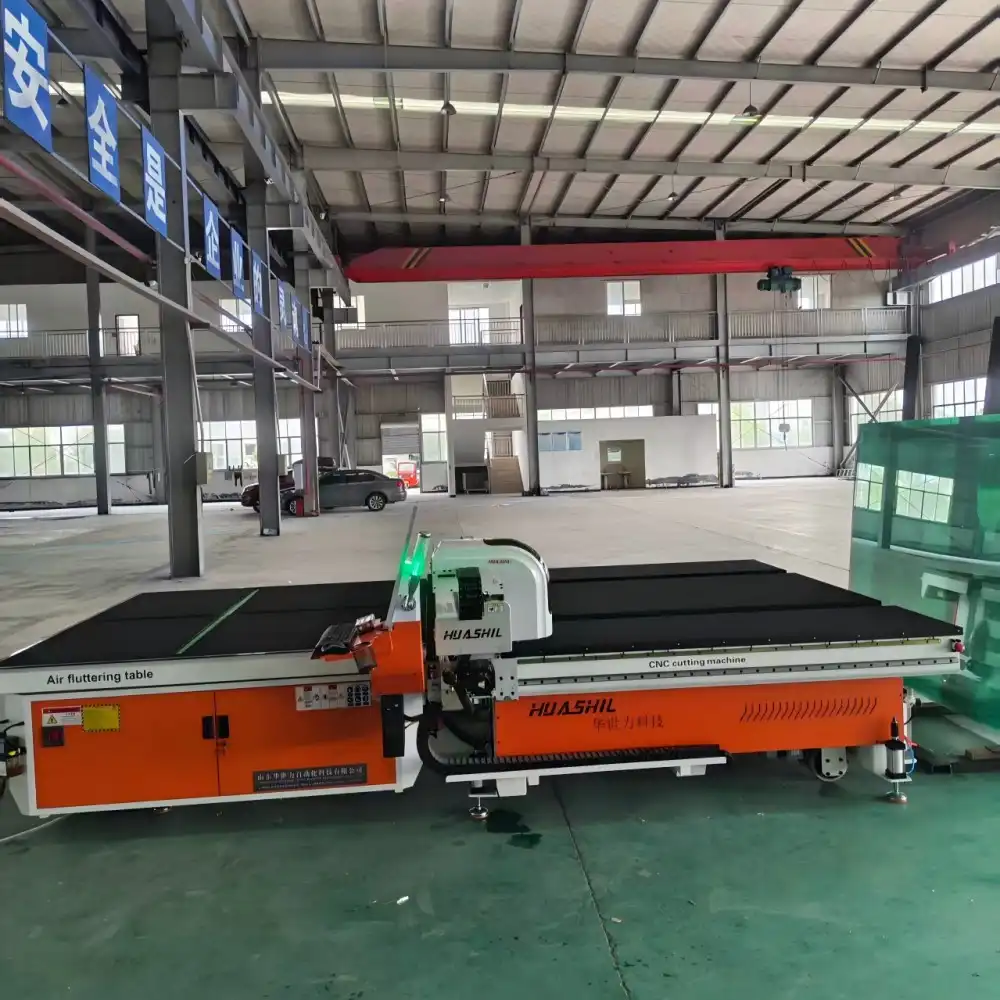
A cutting laminated glass machine for PVB film uses precision blade technology and controlled pressure to separate glass layers without breaking the interlayer. Modern mechanised gear employs photoelectric positioning and specific cutting wheels to cleanly cut exterior glass surfaces without damaging the PVB layer. The method slices both glass layers sequentially, leaving the PVB film between them until manually detached. CNC settings enable you to select a cutting speed up to 100m/min on advanced models. This maintains film quality over production runs.
Understanding the Laminated Glass Cutting Process and PVB Film Handling
Cutting and handling laminated glass and PVB film. PVB bonds two or more glass sheets to form laminated glass. This creates a durable hybrid. Safe laminated glass is needed for building surfaces, automotive windscreens, and security. Cutting through glass layers without delaminating or harming the PVB film is the trickiest task.
The Critical Role of PVB Film in Laminated Glass
PVB film's importance in laminated glass. PVB film can do more than glue glass. It absorbs impact energy, inhibits UV rays, and prevents noise. The film's thickness ranges from 0.38 to 1.52 mm, depending on its use. Maintaining film structure while cutting prevents edge peeling, moisture infiltration, and structural failure. Curtain wall factory production managers estimate that damaged PVB film causes 15–20% of quality rejections when cutting tools aren't good enough.
How Modern Machines Address PVB Film Challenges
Modern laminated glass tools safeguard PVB film during cutting with three key innovations. Tungsten carbide or diamond precision cutting wheels cut cleanly without stressing the film layer. Pressure control systems adjust force depending on glass thickness. Machines with 3+3mm to 8+8mm designs require adjustable pressure. Photoelectric positioning ensures alignment to within 0.1 mm, preventing crooked cuts and environmental damage to film corners.
Cut sequence is crucial. The machines score the top layer of glass along a specified path, then the bottom layer. Without being trimmed, PVB film works as a hinge when breaking. This procedure preserves film edges for heating and cutting.
Industry Applications Demanding Precision Film Handling
Business-project architectural glassmakers must meet quality criteria. Any film defect implies discarding the panel. Auto glass manufacturers must cut within 0.5 mm for safety certification. Making furniture with glass tops and shelves requires clean edges to prevent them from coming off during edge cleaning. Each project requires durable instruments that can preserve PVB film integrity over thousands of cutting rounds.
Types of Laminated Glass Cutting Machines and Their PVB Film Handling Capabilities
There are different types of machines on the market, and each one handles PVB film differently during the cutting process. Knowing these differences helps buying teams choose equipment that meets the needs of production volume, complexity, and quality. Using an automatic cutting machine for laminated glass can significantly improve consistency and reduce film damage.
Manual vs. Automatic Cutting Systems
Manual cutting machines provide direct control over speed and pressure, although film handling quality might vary. Manual methods work well for small or special orders because competent personnel can adapt. Automatic systems eliminate human mistake by configuring CNC cutting parameters. Window manufacturers report that mechanised laminated glass cutting machines retain films 98% of the time, compared to 85–90% by hand.
Volume and freedom trade off. With little setup, manual systems can manage strange shapes and sizes. However, automatic lines must be configured to cut standard sizes at 100 m/min and 3800 mm lengths. Medium-sized fabricators use both techniques to discover the optimal speed-change ratio.
CNC and High-Precision Models for Complex Operations
CNC-controlled tools can cut, break, and remove edges in one manufacturing line. These systems maintain cutting wheel pressure within 0.1N using servo motors. This prevents film tension and edge defects. The photoelectric positioning system automatically adjusts cutting lines based on material variances by looking at the glass sides.
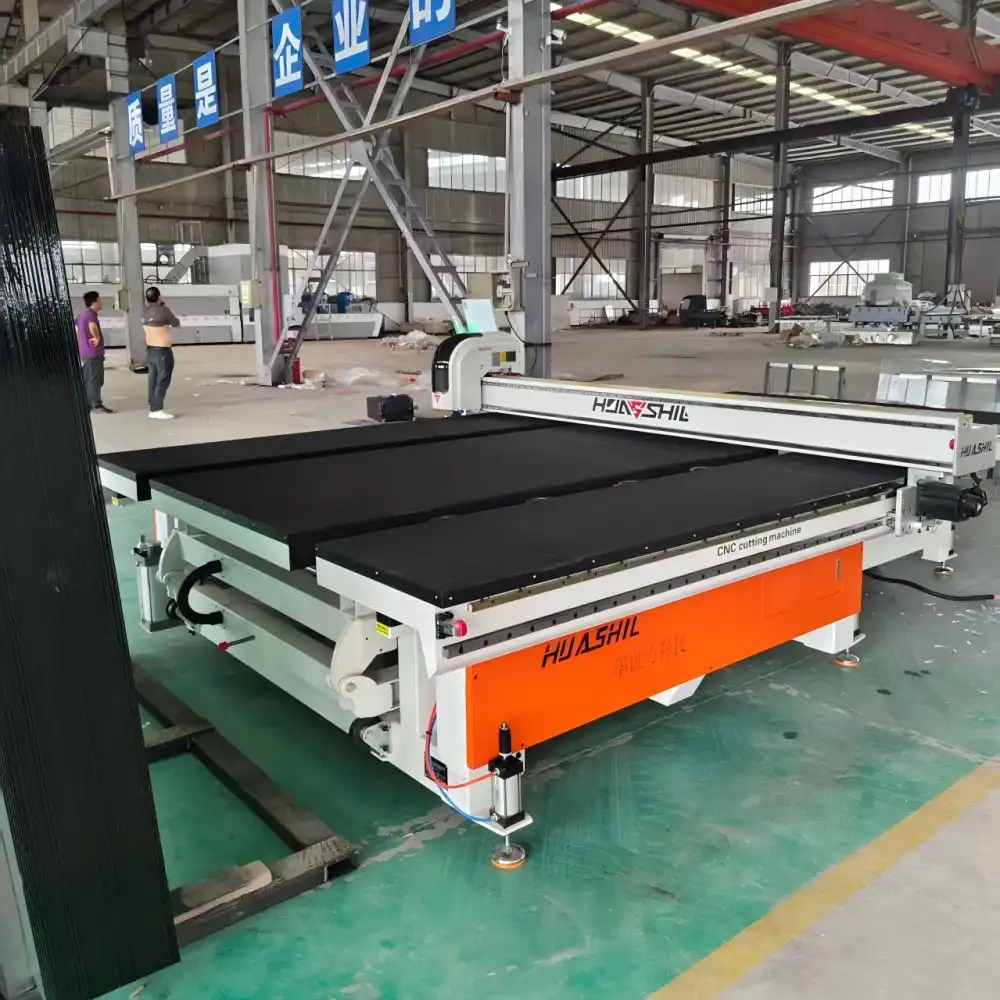
High-precision versions with vacuum table surfaces stabilise glass sheets when cutting, eliminating vibrations that may separate films for creating glass. The 820±50mm work table height enables easy loading and unloading of sheets of any size. Curtain wall glass plants report that CNC systems reduced PVB film faults by 60% and boosted daily productivity by 40%.
Energy-Efficient Technologies in Film Handling
New servo-driven machines handle films effectively while using 30–40% less energy than hydraulic counterparts. Variable frequency drives adjust motor speed for cutting. Having the machine in place or off saves electricity. Energy economy is crucial for operating numerous shifts on a continuous manufacturing line, as power costs affect the total cost of ownership.
Selecting Machines Based on Business Scale
Small to medium-sized firms that create glass furniture or interior walls benefit from 4700 x 3100 x 840 mm machines that fit on production floors. These tools cut compact cabinet doors to 300 mm. They can handle longer panels. Large curtain wall installers require manufacturing lines with built-in handling devices to cut and pack glass without touching it. OEMs generally want adaptable equipment that can expand with their output when making whole systems.
Maintenance, Safety, and Troubleshooting for Effective PVB Film Cutting
Consistent quality of PVB film relies on strict upkeep plans and aggressive troubleshooting methods that stop problems before they affect production. Proper maintenance of a cutting laminated glass machine is essential for ensuring reliable performance and film quality.
Essential Maintenance Protocols for Film Quality
Check the cutting wheel every 500 linear meters or daily, whichever comes first. Worn wheels create uneven scores that stress the PVB film layer and delaminate after fitment. Flat patches, inconsistent cutting noises, or more pressure needed for clear scores indicate blade replacement. To prevent quality loss, glass processing plant engineering managers arrange wheel replacement depending on glass thickness and daily operations.
Table cleanliness affects film handling quality. Small particles of glass or debris create high areas that stress the laminate when cutting, damaging the film. The surface remains flat if cleaned daily with compressed air and weekly using approved cleaners. Photoelectric positioning sensors require monthly calibration to stay aligned. If they shift more than 0.2 mm, film edges reveal cutting path errors.
Safety Features Protecting Operators and Equipment
Modern machines include emergency stop keys at the operator's locations, light curtains that halt cutting in hazardous zones, and protections around the cutting instruments. Following OSHA and CE certification guidelines ensures that tools satisfy international safety standards. This is crucial for plant managers concerned about liability and insurance.
Automatic film handling devices prevent workers from contacting jagged glass edges, improving safety and quality. Repair personnel are protected by safety interlocks that prevent equipment from operating while access panels are open.
Common Troubleshooting Challenges and Solutions
When the film tears off at the cut edges, it typically indicates excessive cutting pressure or dull wheels. Lowering the pressure by 10–15% and inspecting the wheels usually cures the issue. If the peeling persists, the laminating provider's PVB film quality may reveal adhesion issues unrelated to cutting equipment. Data from production helps identify tendencies that relate particular film lots to quality issues.
Positioning errors can cause film to seem different along clipped edges. Recalibrating photoelectric sensors and flattening the table fixes most issues. Film stretching while cutting may indicate insufficient glass support during breaking. This requires changing the breaking bar or vacuum hold-down pressure.
Comparison and Decision-Making Guide for Procurement of Laminated Glass Cutting Machines
When purchasing, professionals look at buying new tools, professionals have to think about a lot of technical and business issues that affect both the ability to make things right away and the costs of running the business in the long run.
Critical Features Impacting PVB Film Handling
How well film quality lasts depends on automation. CNC-controlled, fully automated systems provide consistent outcomes for all tasks and operators. However, semi-automatic devices need trained operators to maintain quality. Speed may cause film tension and flaws; cutting rates up to 100m/min must be balanced with precision.
Film-care technology, like adaptive pressure management and real-time location change, distinguishes basic machines. Plants that use costly architectural glass might justify higher equipment costs by having lower scrap rates. Furniture companies choose mid-range film-handling devices with reduced capital costs.
Balancing Technical Requirements with Budget Constraints
The purchase price, installation costs, operator training, material costs, and upkeep needs should all be included in the total cost of ownership analysis. A machine that costs $85,000 but needs a lot of repairs and high wheel consumption may cost more over five years than a unit that costs $110,000 but has lower running costs. Managing cash flow is affected by financing options like lease agreements and payment terms provided by the seller. This is especially true for plants that are increasing their production capacity.
Evaluating Suppliers Through Reviews and Reputation
Businesses that want to grow need to think about scalability. As production rates rise, modular tools that can be upgraded to automated handling systems in the future give companies more options. When OEM providers offer customized setups, integrators can choose the exact features that will work for current projects and meet the needs of the future.
A supplier image analysis should look at how reliable deliveries are, how quickly technical help responds, and how easy it is to get spare parts. Manufacturers of glass production tools with decades of experience have shown they know how to handle film handling problems. Plants that are far from provider service centers should give preference to sellers who already have established networks of local distributors who can help.
After-Sales Support as a Risk Mitigation Factor
References from customers in related businesses show that the machine works well in similar production conditions. By asking to visit existing installations, procurement teams can see the real film quality and talk to current users about their working experiences.
A full warranty that covers all important parts for 12 to 24 months guards against unexpected repair costs during the start-up phase of production. Technical help via phone, email, and videoconferencing makes sure that problems with operations are quickly fixed, which could otherwise stop production. Spare parts kept on hand by suppliers or area dealers cut down on downtime when worn-out parts need to be replaced.
Training programs that teach multiple workers how to properly use machines and fix simple problems make them less reliant on a single person. Documentation in English, such as operation instructions, repair plans, and troubleshooting tips, helps with managing tools well.
Future Trends and Innovations in Laminated Glass Cutting Technology
Digital technologies and environmentally friendly production methods are being used more and more in laminated glass-making tools to make it better. When considering upgrades, a cutting laminated glass machine is central to improving precision and efficiency.
Laser Cutting and Advanced Automation
Laser cutting devices can handle PVB film without touching it, so there is no mechanical stress on it at all. At the moment, laser technology is too expensive for most uses, but it works well for specialty goods that need complex shapes or patterns that can't be cut with regular cutting wheels. Predictive repair is possible with AI-driven automation. Vibration analysis and cutting force tracking find wheel wear before it gets worse. Machine learning algorithms automatically find the best cutting settings based on the type of film and the thickness of the glass. This cuts down on setup time and makes the quality of the first piece better.
Intelligent detection systems send real-time alerts when working conditions stray from the ideal ranges. This lets workers make changes right away that keep the film from getting damaged. Integration with corporate resource planning tools lets you track quality across multiple machines and make the best use of production schedules.
Sustainability and Energy Efficiency Priorities
Servo motors and regenerative braking are used in energy-saving types that use up to 45% less power than regular designs. This decrease means that facilities with ongoing production plans will save a lot of money. Environmental laws are making it more and more necessary for makers to keep track of energy efficiency metrics. This makes low-consumption equipment appealing to businesses that want to get green building certifications or meet their own corporate sustainability goals.
When solvent-based cutting fluids are replaced with water-based ones, the environmental impact is lower while the quality of handling film stays the same. Cutting more accurately reduces waste by reducing the amount of scrap material that needs to be thrown away.
Strategic Investment Alignment with Emerging Technologies
When buying new tools, procurement managers should look at the technology roadmaps of sellers to make sure that their products will work with new technologies as they come out. Machines with flexible design and control systems that can be upgraded can get software changes and hardware improvements without having to be completely replaced. Partnerships with equipment makers that offer ongoing expert support help plants keep up with new technologies and best practices in their field.
When new technologies are adopted depends on the type of application. High-volume auto glass processors can instantly afford to invest in cutting-edge automation. Smaller furniture producers, on the other hand, may plan changes that happen over time as production levels allow for capital spending.
Conclusion
To handle PVB film well while cutting laminated glass, you need precise tools with cutting wheels, pressure systems that are managed, and technology for precisely placing the glass. Modern tools make sure that the quality of the film is always the same, thanks to CNC automation, which gets rid of the differences that people make while keeping output speeds that are good for business. When making a purchase choice, you should weigh the technical specs, like cutting speed, size capacity, and film thickness range, against the total cost of ownership and the quality of the seller's support. As the industry moves toward AI-driven automation and designs that use less energy, choosing tools that can be upgraded will help companies stay competitive in the long run. To make laminated glass that works well, you need tools that can keep the PVB film's integrity over thousands of production cycles and meet the throughput needs of building, car, and furniture uses.
FAQ
1. What thickness range of laminated glass can modern cutting machines handle?
Modern cutting tools can handle fused glass in shapes ranging from 3+3mm to 8+8mm, and PVB film thicknesses ranging from 0.38mm to 1.52mm. The adaptable pressure control systems change the cutting force automatically based on the width of the whole piece of material. This makes sure that the film doesn't get damaged during scoring. For building uses, specialized tools can stretch this range to 12+12mm for security glazing. However, the thinner end of this range is usually used for furniture production. When looking at tools, make sure that the range of thicknesses listed fits the products you currently use and the ones you think you will need in the future.
2. How does cutting speed affect PVB film quality?
The link between blade contact time and stress distribution shows that cutting speed has a direct effect on the quality of handling film. Too much speed causes vibrations and heat building that can make it harder for films to stick to the sides of cuts, while too little speed slows down production. For most films and thicknesses of glass, the best speeds are between 60 and 100 meters per minute. Modern machines with CNC control change speed automatically based on factors that have been set. This keeps the balance between quality and productivity even when the material requirements change.
Partner with HUASHIL for Reliable Laminated Glass Processing Solutions
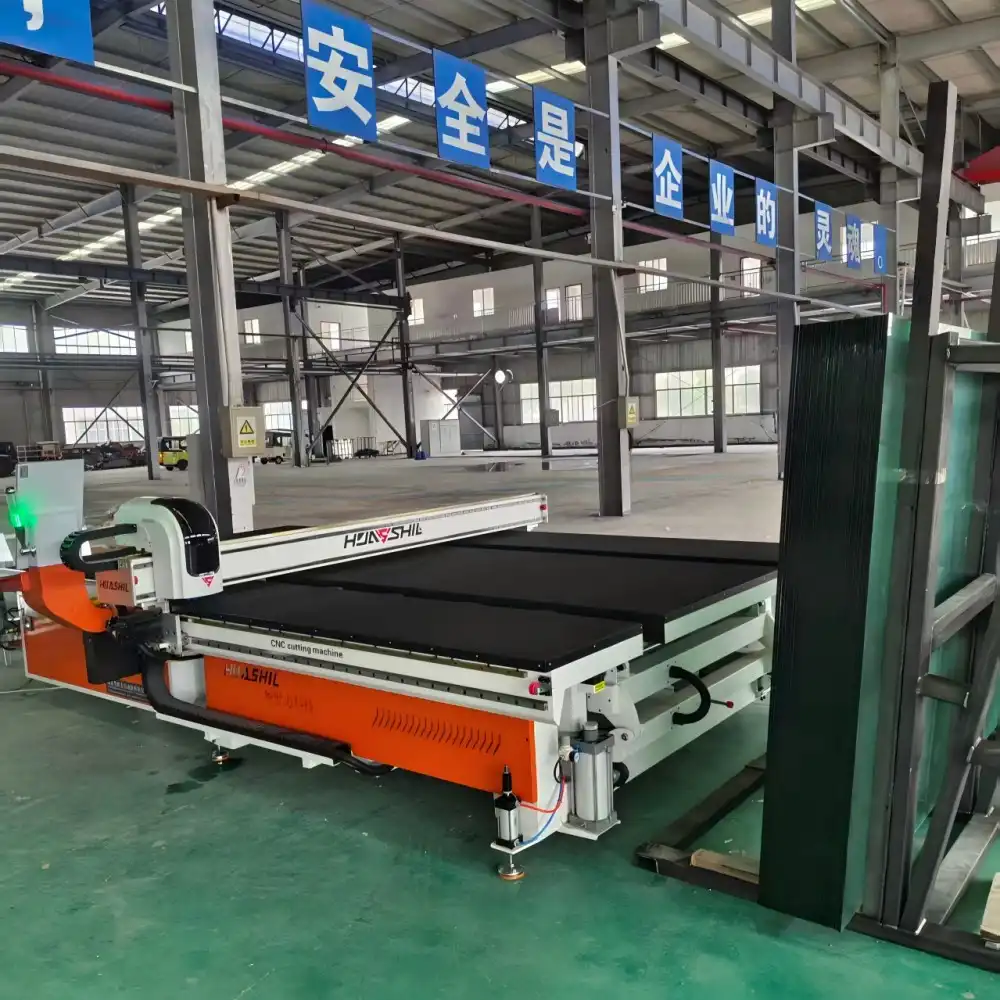
Shandong Huashil Automation Technology Co., Ltd. has been making automatic glass processing equipment for decades and offers cutting laminated glass machine options that keep the integrity of the PVB film throughout production. Our automated systems have photoelectric positioning that can achieve an accuracy of 0.1 mm, adaptable pressure controls that can handle film thicknesses from 0.38 mm to 1.52 mm, and cutting speeds of up to 100 m/min that make the most of output without sacrificing quality. We offer full technical support, including help with installation, training for operators, and quick delivery of spare parts to keep production running as smoothly as possible. As a well-known provider of cutting laminated glass machines, we can make arrangements that are exactly what you need for your production needs, whether you're making furniture parts or curtain wall glass. Our engineering team works directly with production leaders and procurement managers to find the best equipment options that balance the need for capital investment with the efficiency of operations. Email our team at salescathy@sdhuashil.com to talk about how you want to process laminated glass and get full technical specs and quotes that are made just for your facility.
References
1. Glass Processing Technology Handbook, International Glass Manufacturing Association, 2022.
2. "PVB Film Characteristics and Processing Considerations in Laminated Glass Production," Journal of Architectural Glass Engineering, Volume 18, Issue 3, 2023.
3. Automated Glass Cutting Systems: Design and Performance Standards, Society of Manufacturing Engineers Technical Report, 2021.
4. "Comparative Analysis of Manual and Automated Laminated Glass Cutting Methods," Glass Production Quarterly, Spring 2023 Edition.
5. Safety Standards for Glass Processing Equipment, Occupational Safety and Health Administration Technical Manual, 2022.
6. Energy Efficiency in Glass Manufacturing Equipment: Trends and Technologies, Industrial Energy Conservation Council White Paper, 2023.