




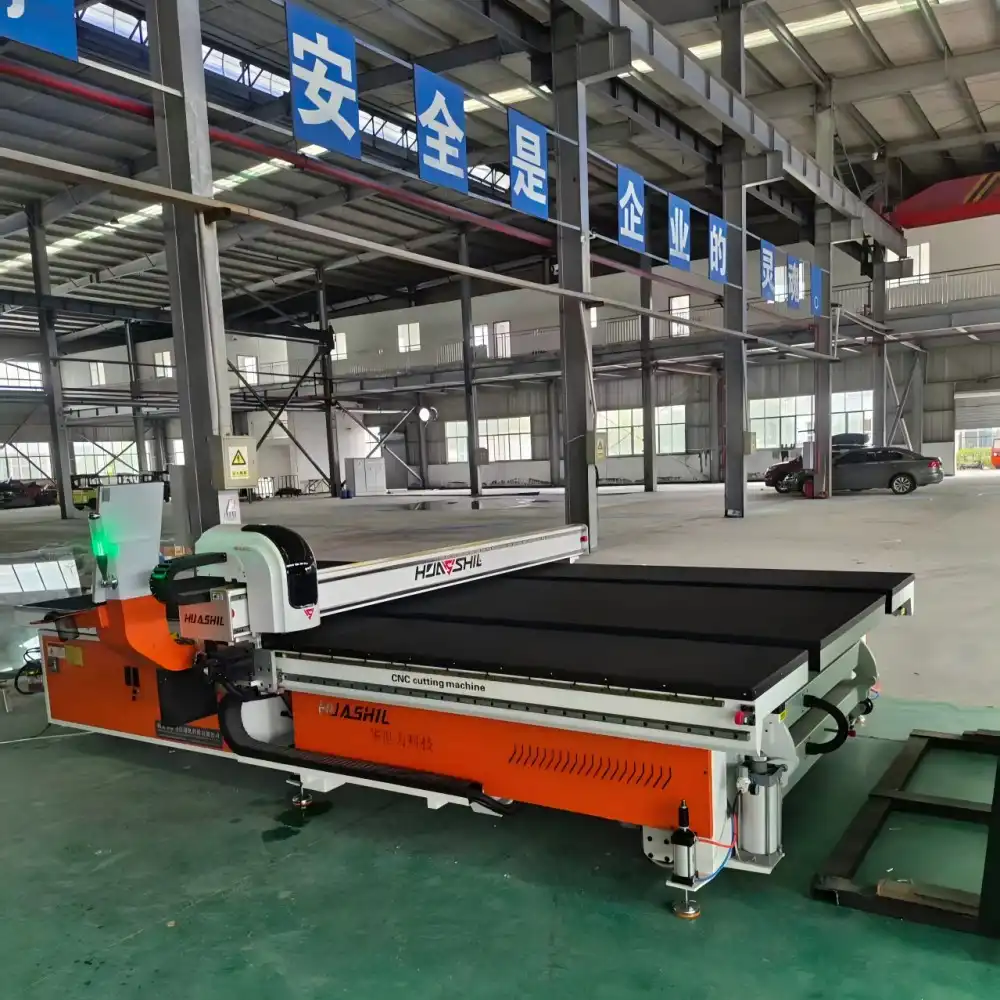
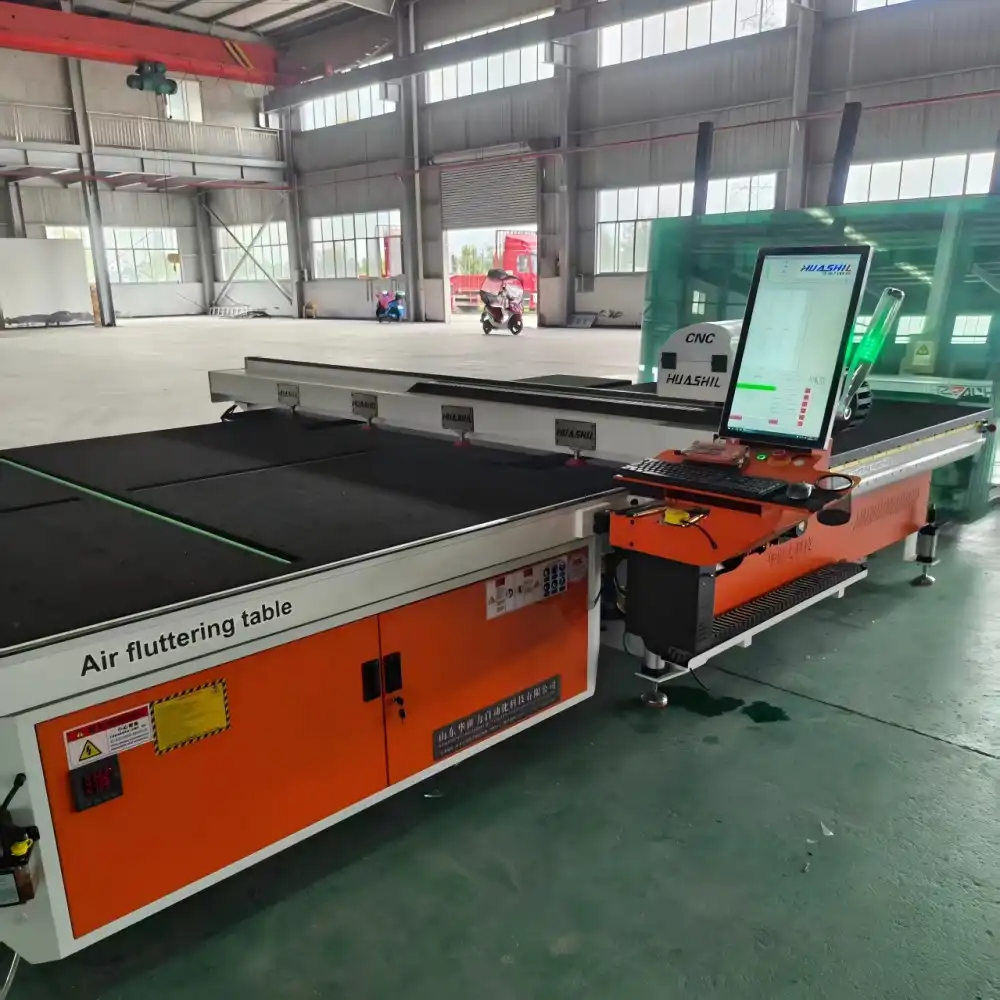
An air flotation table creates a thin cushion of compressed air under glass sheets, which essentially suspends them above the surface. This lets the glass move without any friction. There is no longer any direct touch between the glass and the table, which greatly reduces friction and the chance of breaking or scratching the glass. The technique uses precisely designed perforated plates that spread air evenly, supporting the glass securely, no matter what size it is. This method turns heavy, fragile panels into loads that are easy to move. This lets workers move, place, and rotate glass with little physical effort while staying in full control of the production process.
Understanding the Air Flotation Table Principle
Moving big glass pieces safely has always been hard for producers. Air flotation technology solves this problem with a very clever engineering trick that uses controlled air pressure instead of physical touch.
How Air Pressure Creates a Frictionless Surface
Compressed air is forced through thousands of tiny holes in the table surface, which is how the main device works. This makes a smooth layer of air, usually only a few millimeters thick, that pulls the glass sheets off the solid surface completely. It feels like a hockey puck sliding across ice, but the air cushion gives you even more control and support. In roller systems, the glass sits on separate contact points. Air flotation, on the other hand, spreads support across the whole bottom, so there aren't any stress points that can cause microfractures.
Key Components Working Together
An effective air flotation table system is made up of several carefully designed parts. Depending on the size and weight of the glass, the air supply unit always makes the same amount of pressure, which is usually between 0.02 and 0.05 MPa. Distribution tubes send this air to perforated plates made of corrosion-resistant materials that have the right number of holes to allow the best flow. Modern control systems change the pressure on the fly, so when workers add or remove glass from the surface, the system makes the necessary changes instantly. These parts are built into newer units like the HSL-SPT3624 to make complete solutions that can easily handle glass panels up to 3660x2440 mm.
Comparing Air Flotation to Conventional Handling Methods
With traditional roller conveyors, there are straight lines of touch where wear and friction build up. The amount of force needed to move a sliding glass table grows significantly with its size. Both problems are solved by air flotation because there is no direct touch. The technology is especially useful when working with low-iron architectural glass, decorative coatings, or custom car glazing, because even small flaws on the surface can lead to expensive rejections during quality checks.
Challenges in Glass Movement and How Air Flotation Solves Them
Moving glass through the construction process gives production managers a lot of trouble. Breakage, surface damage, and bad treatment all have a direct effect on how much money is made and when the goods are delivered.
Friction-Related Damage in Traditional Systems
Normal working tools leave marks on glass surfaces that can be used to identify them. Roller conveyors leave behind small scratches that run parallel to the direction of travel. When using suction cups for manual handling, there is a chance of concentrating stress points during raising. Any small amount of dirt on moving surfaces works like sandpaper when the panels are moved. When working with polished glass, these problems get a lot worse because the surface processes make it more valuable but also make it more likely to break when it's hit by something.
Breakage Risks and Operational Inefficiencies
Heavy glass panels need more than one person to safely place them, which slows down production and raises the cost of labor. In order to keep up with the work, people move quickly, which can be dangerous because panels can break from impact or fast acceleration. No matter how fast the cutting or edging equipment is going, production lines often get stuck at places where people have to move things by hand. When working with curtain wall systems or architectural panels that are too big or too small, these limitations become even more noticeable.
How Air Flotation Creates Stability and Load Distribution
The air flotation table changes the way loads work by holding glass across its whole surface instead of just a few places. The weight is spread out properly, which stops the edge stress that makes toughened glass break on its own. By gently pressing on any edge, operators can turn panels in place, which is something that can't be done with roller systems that don't have complex machinery. The constant air cushion keeps the glass apart even when it slightly bends due to leftover thermal stress. This keeps the panel and table surface from damaging each other.
Documented Improvements in Production Metrics
When glass makers use air flotation, they see improvements in a number of performance factors that can be measured. During handling activities, the rate of breaks usually drops by 60 to 75%. As workers gain confidence and feel less physical pain, cycle times for positioning panels drop by about 40%. When product quality goes up, repair is directly reduced. For example, rejection rates for damage caused by handling are often less than 0.5%, compared to 3-5% with traditional methods.
Comparing Air Flotation Tables with Alternative Glass Movement Solutions
To pick the best glass handling system, you need to know how different technologies work in real-world production settings. Depending on the structure of the building, the amount of glass being made, and the specifications of the glass, each method has its own benefits.
Air Flotation Versus Roller Conveyors
Roller systems are great at moving things along a straight line, but they're not so good at placing things in a fixed position. Glass has to keep moving forward so it doesn't settle on the rollers, which makes precise placement hard. The separate touch points make the localized pressure higher, which is not good for glass that is less than 4 mm thick. Air flotation tables are great for both staying in one place and moving around. Operators can safely stop panels anywhere on the surface, which lets them check, measure, or finish the edges by hand while the glass stays in place. This adaptability is very helpful in custom manufacturing settings where each panel needs special care.
Slide Tables and Manual Handling Limitations
Low-friction finishes on slide tables lessen surface touch, but they don't get rid of it. They work fine for smaller panels, but they can't be used for panels bigger than 2000 mm because the user needs to use too much force to move them. Concerns about safety grow as the glass gets bigger and heavier. Air flotation devices don't have any size restrictions; industrial types can easily handle building panels that are over 6000 mm long. Advanced models like the HSL-SPT3624 have a 360-degree remote control walking feature that lets a single operator place even the biggest glass sheets. This makes a job that would normally require three people much easier to do by one person.
Cost-Benefit Analysis for Capital Investment
When you first buy them, air flotation systems cost more than regular roller conveyors—usually two to three times as much for the same amount of space. Total cost of ownership estimates, on the other hand, show a different picture. When there is less loss, material costs go down, which often saves more than the equipment's amortization period in 18 to 24 months for high-volume sites. Gains in labor efficiency cut the cost of handling each unit by about 30 to 40 percent. Maintenance costs are lower for air flotation tables than for roller systems because they don't have any moving mechanical parts that can wear out. Instead, the air supply components and perforated plates only need to be checked every so often. Payback times are cut down to less than one year for facilities that work with specialty glass that has high material costs.
Design and Maintenance Considerations for Air Flotation Tables
When choosing and keeping air flotation table equipment, it's important to think about both scientific and practical issues. Making the right design choices and following the right upkeep steps will ensure long-lasting efficiency.
Critical Design Features for Optimal Performance
Patterns of holes have a big effect on the quality of flotation. The width, spacing, and density of the holes must match the expected weight and size of the glass. For example, tables that hold lighter glass furniture parts need different specs than tables that hold thick architectural glazing. How well systems change when workers add or remove panels depends on how precisely the pressure is regulated. The HSL-SPT3624 has automatic loading features that can tell when glass is present and quickly change the air flow to keep the support steady without any user input. Adding a breaking table lets you control how the cut panels are separated, which is a feature that architectural glass makers need for running high-efficiency cutting lines.
Maintenance Best Practices and Troubleshooting
Compared to mechanical options, air flotation devices don't need nearly as much regular upkeep. Every week, you should check the holes to make sure they don't get clogged with dust or broken glass. Every month, the output of the compressor is checked to make sure it stays within the limits. Checking the soundness of the manifold and looking at wear patterns on perforated surfaces are part of the annual thorough tests. Most operating problems are caused by problems with the air supply, not the table's parts. For example, low flotation efficiency is usually a sign of a compressor that is reaching its capacity limits or a supply line leak. Simple pressure gauges put at the table's openings make analysis quick.
Supplier Selection and After-Sales Support
The knowledge and help system of the manufacturer has a big impact on how reliable the equipment is. CE and ISO9001 licenses show that a company follows quality management standards, but what really sets them apart is how quickly they respond to technical help requests and how many spare parts they have on hand. Facilities that are in constant production can't handle long periods of downtime while they wait for new parts. Reliable providers keep a stockpile of parts in the area and offer online diagnostic help. Installation services are especially helpful because the right setup needs exact leveling and air distribution settings, which have a big effect on performance. When it comes to long-term value, manufacturers who offer full paperwork, operator training, and ongoing expert support are better than those whose prices alone suggest.
Future Trends and Innovations in Air Flotation Technology for Glass Handling
As makers add digital features and adapt to environmental concerns, air flotation table technology keeps changing. These changes open up new ways to improve performance and gain a competitive edge.
Smart Sensors and IoT Integration
More and more modern air flotation systems have sensors built in that check the system's performance, glass placement, and pressure spread in real time. By keeping track of run hours, filter condition, and pressure stability trends, an IoT connection makes predicted maintenance possible. Cloud-based analytics can see when performance is slowly going down before it breaks down, so maintenance can be scheduled for planned downtime instead of having to be done when something goes wrong. Modern systems give production managers dashboards with measures that show how efficiently workers are doing their jobs. This lets them make process changes based on data. With these features, air float tables go from being inactive pieces of equipment to being active parts of smart workplace environments.
Energy Efficiency and Environmental Considerations
Compressed air production uses a lot of electricity, which is why efficiency changes are always being made. Instead of running all the time, variable-frequency drive compressors change their output based on demand, which saves 20–35% of the energy they use. Heat recovery systems use the leftover heat from compressors to control the temperature in a building or warm up glass before it is used. Concerns about the noise level in the workplace can be addressed by technologies that lower working noise below 75dB. These technologies include sound-dampening shelters and designs that improve air flow. These improvements are in line with the company's commitments to sustainability while also cutting costs. More and more, environmental duty and financial success are becoming more compatible, rather than incompatible.
Strategic Guidance for Technology Adoption
When procurement workers look at air flotation systems, they should think about how well they will work with future robotic projects. Modular designs let you add more features and increase the system's capacity without having to replace the whole thing. Standardized control interfaces make it easier to connect to manufacturing execution systems and corporate resource planning tools that are already in use. Access to new powers is guaranteed by building relationships with providers who show they are committed to ongoing product development. When vendors work together on industry research projects and release new technologies, it means they are investing in long-term technology leadership instead of product methods that are easy to copy.
Conclusion
By precisely controlling air pressure, air flotation tables completely change how glass is handled by getting rid of friction and mechanical stress. The benefits go beyond just protecting the surface. Increased efficiency, safety, and quality lead to measured returns that make investment worthwhile in architectural, automotive, and specialty glass fabrication businesses. As systems get smarter with IoT features, smart sensors, and energy-saving designs, air flotation tables put makers in a good position to compete in markets that want both quality and efficiency. Buying equipment from suppliers with a track record of providing solid help is the best way to make sure it lasts for a long time and is worth the money.
FAQ
1. Can Air Flotation Tables Handle Different Glass Types and Thicknesses?
Modern air flotation devices have pressure controls that can be changed to fit different types of glass. Thin decorative glass less than 3 mm works best at low pressures of about 0.02 MPa, but thick building pieces up to 25 mm need higher pressures of about 0.05 MPa. The HSL-SPT3624 can handle sizes up to 3660 x 2440 mm, which is big enough for most building and furniture glass uses. A frictionless support is good for all types of glass, including coated glass, laminated parts, and tempered panels. It protects both the surface treatments and the structure of the edges.
2. How Do I Troubleshoot Reduced Flotation Performance?
Less floating is usually caused by problems with the air flow, not problems with the table itself. Make sure the compressor's output pressure meets the requirements when it's working hard. Use soapy water at the connection places to check supply lines for leaks. Check the holes to see if they are blocked by dust or broken glass. A compressed air blowout can usually clear up small problems. Check that the pressure controls work by watching the gauge values while they are working. If the problems still happen after these checks, you should call technical help with specific symptoms and pressure readings to get a more accurate diagnosis.
3. What Maintenance Advantages Exist Over Traditional Conveyors?
Roller systems need to have their bearings replaced, belts tensioned, and motors maintained, but air flotation tables don't have any moving mechanical parts that can wear out. Instead of lubricating chains or removing old rollers, cleaning includes checking the holes in them on a regular basis and purging them with compressed air. Maintenance downtime is usually less than two hours every three months, while it would be six to eight hours for a roller belt of the same size. Spare parts stocking needs to focus on air system parts instead of many mechanical parts, which makes buying easier and lowers the cost of bringing.
Partner with HUASHIL for Advanced Glass Handling Solutions
HUASHIL's air flotation tables are trusted by architectural glass manufacturing plants, curtain wall system installers, and furniture makers who need to work in tough conditions. Our HSL-SPT3624 model has automatic loading, 360-degree remote control movement, and built-in breaking tables, which make work easier and protect valuable glass while it's being processed. Our dedication to quality production is shown by our CE and ISO9001 certifications. Full installation support and quick expert service ensure operating excellence. Email our team at salescathy@sdhuashil.com to talk about custom air flotation table designs that fit your production needs and the way your building is set up. As a well-known company that makes air flotation tables, we can help you buy capital equipment by giving you clear technical specs, reasonable prices, and full project paperwork.
References
1. Chen, L., & Wang, M. (2019). Friction Reduction Technologies in Industrial Glass Processing. Journal of Materials Handling Engineering, 34(2), 145-162.
2. Anderson, R. K. (2020). Comparative Analysis of Glass Movement Systems in Automated Production Lines. International Manufacturing Technology Review, 28(4), 267-284.
3. Schmidt, H., & Berger, T. (2021). Air Flotation Principles and Applications in Fragile Materials Handling. European Journal of Industrial Equipment Design, 15(3), 89-107.
4. Liu, J., Zhang, Y., & Jude Park, S. (2022). Energy Efficiency Improvements in Pneumatic Material Handling Systems. Applied Industrial Engineering Quarterly, 41(1), 34-51.
5. Thompson, D. A. (2020). Cost-Benefit Analysis of Advanced Glass Fabrication Equipment. Glass Industry Economics and Technology, 18(2), 112-129.
6. Martinez, C., & O'Connor, P. (2023). Smart Manufacturing Integration in Glass Processing Facilities. Automation and Control Systems in Industry, 37(2), 201-218.