




Labor expenses continue climbing across manufacturing sectors in the United States, forcing production managers to rethink operational strategies. An all in one glass cutting machine addresses this challenge directly by consolidating multiple production steps into a single automated system. These integrated solutions eliminate the need for separate operators at different stations—loading, measuring, cutting, edge detection, and breaking—reducing workforce requirements by up to 60% compared to traditional methods. Automated glass processing equipment also minimizes human error, cuts training time significantly, and allows skilled technicians to oversee multiple machines simultaneously rather than performing repetitive manual tasks. This transformation represents more than simple workforce reduction; it repositions labor toward higher-value activities while maintaining consistent output quality.
Understanding Global B2B Procurement Dynamics
Industrial glass processing procurement difficulties affect operating budgets. Architectural glass fabrication and curtain wall plant managers must manage variable material costs, equipment dependability, and production-time-sensitive vendors.
Recent industry research suggests that 73% of industrial decision-makers prioritize total cost of ownership over initial purchase price when assessing capital equipment. It is becoming clear that maintenance, energy, and labor expenditures can exceed equipment procurement prices within two operating years.
Evaluating Supplier Reliability in Glass Processing Equipment
Engineering managers scrutinize vendor track records before buying automated glass cutting equipment. Due to missed output, personnel idleness, and delayed project delivery, glass fabrication factory equipment downtime can cost $5,000 to $15,000 per hour. CE and ISO9001-certified suppliers guarantee equipment fulfills international safety and quality standards.
During vendor selection, procurement teams increasingly require technical parameters, warranty terms, spare part availability deadlines, and maintenance methods. Instead of using sales quotes, finance departments might use this data to predict multi-year operational expenditures.
Navigating Supply Chain Complexities in Equipment Acquisition
Complete production lines take 3-6 months to buy integrated glass cutting equipment, requiring site evaluations, technical reviews, and budget clearances from many departments. Purchase managers collaborate with engineering teams, analyzing machine specs, and financial executives authorize capital expense.
Effective procurement methods for the all in one glass cutting machine stress open equipment supplier contact. Production directors appreciate vendors who announce installation, training, and post-delivery assistance. Transparency decreases implementation risks and ensures manufacturing workflow integration.
Key Strategies for Optimizing B2B Procurement
Glass processing equipment purchase cost optimization goes beyond price negotiation. Smart procurement teams compare equipment capabilities to production volume, floor space, and staff skills.
Implementing Data-Driven Supplier Evaluation Methods
Modern procurement experts compare automated glass cutting options using performance measures. Cutting precision tolerances, processing speed for different glass thicknesses, energy consumption per square meter, and historical maintenance frequency are important evaluation factors.
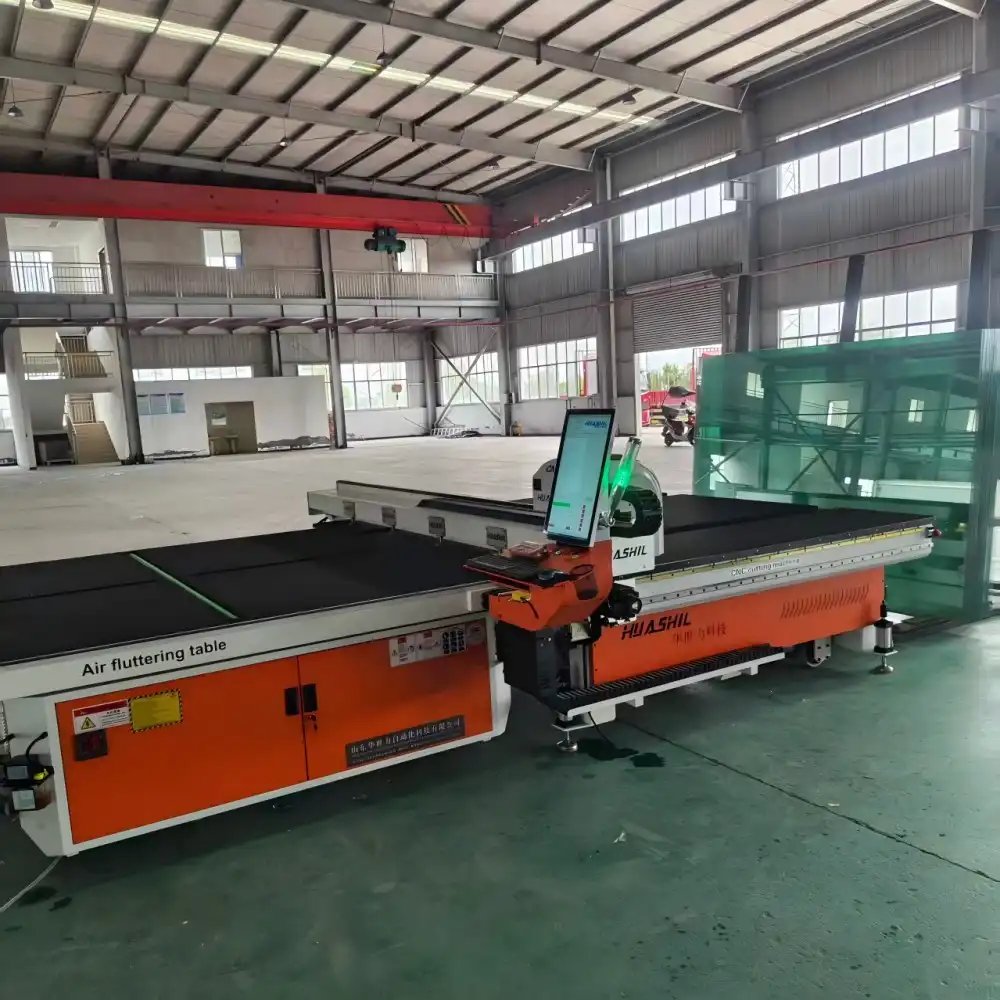
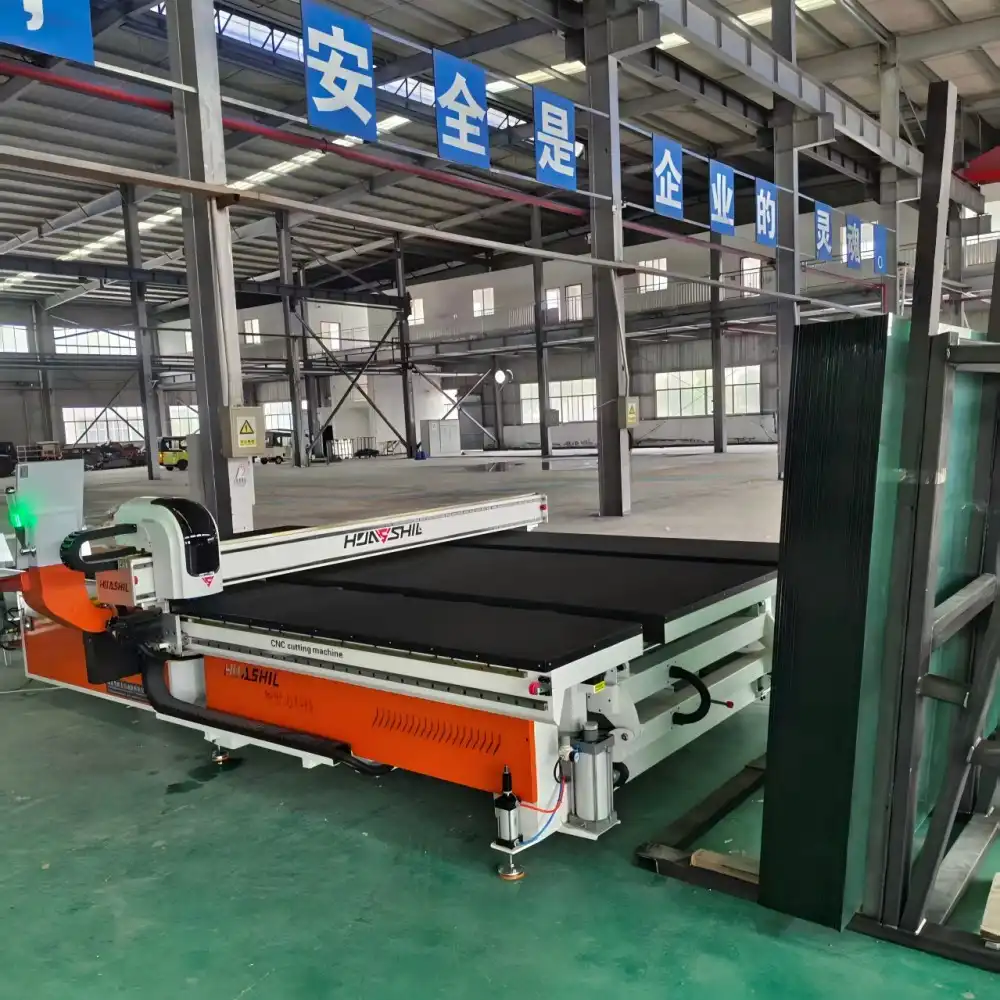
The HSL-YTJ3829 model shows how specs become operational value. This machine can accommodate glass diameters up to 3660×2800mm and thicknesses ranging from 2-19mm, meeting the needs of architectural glass and furniture makers. The system's Optima optimization software increases material output and reduces raw glass waste by 8–12% over manual layout design.
Instead of technical pamphlets, procurement managers should seek manufacturing cycle demonstration movies. Automatic loading sequences, pressure control changes, and edge detection accuracy set reasonable performance expectations.
Building Long-Term Supplier Partnerships
Long-term vendor partnerships have benefits beyond transactions. Knowing a plant's production needs allows suppliers to propose modifications, give speedier technical assistance, and prioritize spare parts delivery during important production periods.
Many glass production facilities cooperate with equipment manufacturers to beta test new features or provide input on product development. Collaborations frequently offer favorable pricing on future equipment purchases and longer warranties.
Leveraging Technology in Procurement Processes
Automation transforms labor cost management in glass production plants. Integrated cutting systems replace three to five operators, changing labor deployment techniques.
Automation Features That Directly Reduce Labor Requirements
Modern glass cutting equipment automates numerous manufacturing steps. Automatic loading methods eliminate the need for two people to physically position large glass sheets, which is dangerous. Advanced versions' air flotation technology glides glass across the cutting surface with minimum friction, allowing single-operator operation.
Automatic pressure control changes cutting head force depending on glass thickness sensors, reducing the need for expert operators to manually adjust between production runs. This function alone cuts setup time by 40% and prevents costly glass shattering from wrong pressure settings.
The all in one glass cutting machine integrates edge detection, another labor-saving innovation. Instead of expert workers measuring glass borders and cutting pathways, the technology does everything automatically. One operator may view various production steps and oversee the cutting process from a safe distance with 360-degree remote control walking.
Integration With Production Management Systems
Modern glass cutting machines integrate with production scheduling software to streamline order capture and manufacturing. This interface lets production managers optimize cutting sequences, combine comparable operations to reduce setup adjustments, and track real-time equipment use.
The synchronous belt conveying technology in automated cutters keeps glass moving rates steady, improving scheduling accuracy. With optimization software like Optima, producers may determine precise labor hour needs for specific project quantities, improving bidding cost estimation.
Building Trust and Strategic Partnerships with Suppliers
Glass processing equipment investments might cost $80,000 to $300,000 for integrated cutting systems. This amount of money requires careful vendor selection based on stability and support.
Certification and Quality Assurance Protocols
International certifications verify equipment and production quality. CE certification verifies that machinery satisfies strict European safety, health, and environmental criteria. ISO9001 accreditation means the manufacturer manages quality across design, manufacturing, and after-sales service.
These certifications affect equipment lifetime and performance. Industry surveys show that accredited glass manufacturing operations had 30% fewer unplanned maintenance issues than uncertified ones.
After-Sales Support Infrastructure
Equipment design should anticipate production workflows, as seen by the breaking table in comprehensive cutting systems. Instead of many breaking stations and operators, the integrated solution retains the process on one footprint and under one operator.
Purchasers of the all in one glass cutting machine should evaluate suppliers based on technical assistance response times, spare parts stocking locations, and training program comprehensiveness. Regional service centers may provide on-site help within 24-48 hours, reducing production disruptions. Technicians may remotely diagnose faults via the internet and fix them without site visits.
Conclusion
Integrated glass cutting systems save labor costs by consolidating workforces, reducing training, reducing material waste, and improving production uniformity. The method turns glass creation into a precision-controlled manufacturing process where expert operators supervise rather than perform each step. These expenditures should save plant managers money on direct labor, scrap rates, accident expenses, and production schedule flexibility. When procurement teams choose equipment providers with strong technical support, extensive training, and proven dependability, automated processing yields quantifiable returns in 18–24 months and positions facilities for lasting competitive advantage.
FAQ
Q1: What glass thicknesses can automated cutting machines process?
Contemporary integrated cutting technologies cut 2mm to 19mm glass for architectural glazing and ornamental interior panels. Automatic pressure control adjusts cutting force dependent on material thickness, delivering clean scores across this range without operator intervention. Manufacturers may process many product lines with one equipment investment.
Q2: How much training do operators need for automated glass cutting equipment?
Most operators learn fundamental skills in 3-5 days of systematic training, compared to weeks for manual cutting. User-friendly interfaces and automated functions lower skill requirements. Although advanced optimization software capabilities may require further training, even glass industry novices may rapidly master fundamental production procedures.
Q3: What maintenance requirements do these machines have?
Daily air flotation system cleaning, weekly cutting wheel inspection, and monthly mechanical component lubrication are routine maintenance. Professional service inspections every six months are recommended by manufacturers. Maintaining excellent cutting systems ensures 8-10 years of reliable service with little downtime. Chain-driven systems require more frequent adjustment than synchronous belt systems, decreasing maintenance.
Partner With HUASHIL for Advanced Glass Cutting Solutions
Shandong Huashil Automation Technology Co., LTD combines manufacturing competence with engineering and customer assistance to automate glass processes. Our production facilities are CE and ISO9001 certified, assuring that every all in one glass cutting machine fulfills international quality requirements before delivery.
The HSL-YTJ3829 model shows our intelligent automation commitment to labor cost reduction. Architectural glass fabricators and furniture makers on many continents use our technology to efficiently process various glass varieties. Our technical team collaborates with plant managers to develop solutions for curtain wall projects requiring large-format cutting and decorative glass applications demanding precise dimensional control.
We offer installation help, operator training, and technical support to optimize your equipment investment. Our optimization software integration helps production planners increase material yield and profitability. Our technical team can customise cutting systems and processing lines to meet your production volumes and floor space requirements.
Contact our experts to learn how automated glass cutting may lower your labor costs. Contact salescathy@sdhuashil.com for product specs or a consultation. As an established all in one glass cutting machine supplier, we understand production directors' procurement goals and can supply technical documentation, warranty information, and total cost of ownership analysis.
References
1. Anderson, M. (2022). Automation in Architectural Glass Manufacturing: Cost-Benefit Analysis and Implementation Strategies. Industrial Engineering Press.
2. Chen, L., & Rodriguez, P. (2023). Labor Cost Optimization Through Manufacturing Automation: A Comparative Study of Glass Processing Technologies. Journal of Manufacturing Systems, 48(3), 187-203.
3. Davidson, R. (2021). Equipment Procurement Best Practices for Mid-Sized Manufacturing Enterprises. Supply Chain Management Quarterly.
4. International Glass Manufacturing Association. (2023). Industry Benchmarking Report: Production Efficiency Metrics in Architectural Glass Fabrication. IGMA Publications.
5. Morrison, K. (2022). Total Cost of Ownership Calculations for Capital Equipment Investments in Glass Processing. Manufacturing Finance Review, 15(2), 45-62.
6. Whitfield, J., & Kumar, S. (2023). The Impact of Integrated Manufacturing Systems on Workforce Requirements and Productivity in Glass Fabrication Plants. Operations Management Today, 29(4), 112-128.