




When evaluating a cutting machine for stained glass windows, production managers and technical buyers often prioritize features that directly impact efficiency and cost-effectiveness. Precision cutting capabilities, automation level, machine stability, and ease of maintenance define the value proposition of modern glass cutting equipment. Beyond basic functionality, factors such as software integration, safety mechanisms, and total cost of ownership determine whether a machine can meet the demanding requirements of architectural glass fabrication, curtain wall production, or decorative glass manufacturing. Understanding these critical features helps procurement teams make informed decisions that align with long-term production goals.
Understanding the Core Dimensions of Stained Glass Cutting Machines
Defining the Machine's Primary Functions
Modern tools for cutting glass can be used for many things in a factory setting. These machines make precise straight and curved cuts in a wide range of glass types and thicknesses, from thin 2mm decorative panels to thick 19mm architectural glass. Automated filling systems get rid of the risks that come with human handling and make output more consistent. Edge-finding technology makes sure that the part is in the right place before it is cut, which cuts down on waste and the cost of redoing work. Adding breaking tables speeds up the separation process so that workers can finish the whole cutting cycle without having to move any glass pieces.
Machine Categories and Their Operational Capabilities
Production centers pick out tools based on how much they need to make and how they want it to be customized. Automatic cutting systems that are managed by CNC can handle glass shapes up to 3660x2800mm and keep the same level of accuracy over long production runs. These machines have optimization software, such as Optima, that figures out the best way to cut so that there are as few wasteful cuts as possible. Manual and semi-automatic choices work best for smaller businesses or specialized craft work, but they need more skilled operators and cost more per unit. Laser-guided systems are the most accurate way to cut complex patterns, but they require a lot of money and are only good for high-value artistic uses.
Performance Features Critical for Procurement Decisions
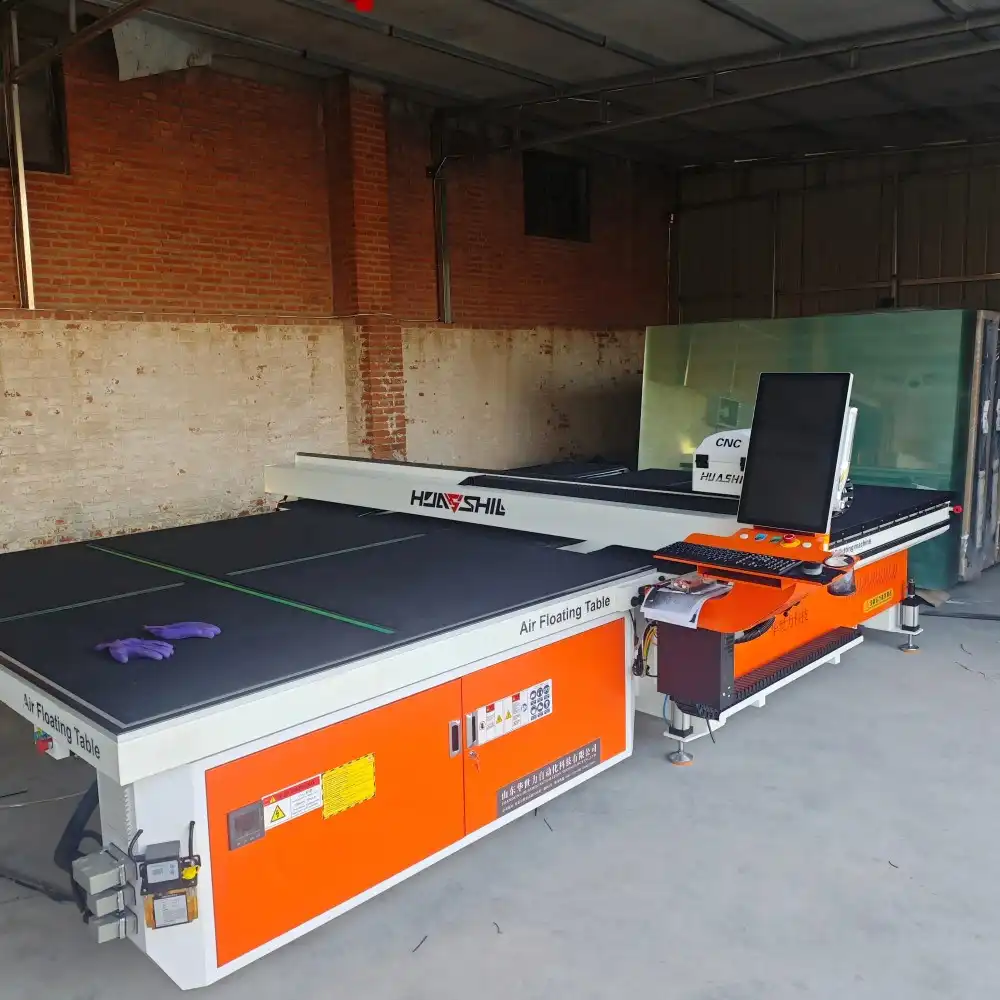
Engineering managers use measurable criteria to judge machines. The quality of the tools for architectural projects is based on how precisely it cuts, which is determined in millimeters. Automatic pressure control machines change the cutting force based on the thickness of the glass. This stops tiny cracks that weaken the structure. Air floating systems keep glass surfaces safe as they are moved across the cutting bed. This keeps them from getting scratches that would require expensive repairs. Smooth material flow between working steps is made possible by synchronous belt conveyors. This cuts down on handling time and breakage rates. All of these things have an effect on production return rates, which in turn have an effect on profits in competitive markets.
Criteria for Selecting the Best Stained Glass Cutting Machine
Aligning Machine Capabilities with Business Requirements
Procurement teams have to check to see if the specs of the equipment they want to buy are right for their operations. A company that builds curtain walls and works with large amounts of building glass needs different skills than a company that makes furniture and makes custom shower doors. The HSL-YTJ3829 model has specs that make it good for medium- to large-scale operations. Its 5780×4925mm footprint can fit big glass sheets while still fitting in standard plant floor spaces. Production leaders figure out if the machine's run time meets their throughput goals by looking at things like how fast it loads automatically and how much more efficient it is to use a remote control from any angle.
Evaluating Core Investment Metrics
Plant managers weigh the costs of starting capital investments against the costs of running the plants over time. Using industrial-grade parts to build machines makes them last longer, which means less unplanned downtime that delays production. Total cost of ownership is affected by how easy it is to do maintenance. For example, equipment made with modular parts lets you replace worn parts quickly without having to take it apart a lot. Procurement managers make sure that suppliers keep enough spare parts in regional distribution centers so that production doesn't stop because of long lead times. CE and ISO9001 licenses guarantee high standards of quality in manufacturing, which lowers the risk of warranty claims and helps foreign markets follow the rules.
Technology Comparison and Cost-Performance Analysis
People who make decisions look at the pros and cons of each technological approach for a cutting machine for stained glass windows. Within 18 to 24 months of operation, CNC systems with optimization software often pay for themselves through the savings in materials they produce. According to industry standards, automatic edge-finding increases effective production capacity by 15-20% by getting rid of the setup time needed for human placement. Technical managers compare how much energy different models use because they know that designs that use less power mean lower running costs over the life of the machine. When production needs include non-standard glass sizes or cutting patterns that standard equipment can't handle, the ability to customize becomes very important.
Advanced Features That Drive Efficiency and Reduce Risk
Automation Technologies That Improve Production Consistency
Modern equipment for cutting glass has smart systems that reduce human error and variation. Automatic loading systems move glass sheets from storage racks to the cutting bed without any help from a person. This saves time and keeps workers from getting tired during long production runs. Pressure sensors constantly check the cutting force and make changes to the settings in real time to keep the cutting wheel in good contact with the glass surface. This dynamic control stops both not enough scoring, which leads to uneven breaks, and too much pressure, which breaks the glass too soon. When software is integrated, workers can load cutting patterns straight from design files. This cuts down on transcription mistakes and speeds up job changes.
When these automated traits are put together, they change the economy of production. When compared to manual operations, facilities that use equipment with automatic pressure control and edge-finding report 8–12% less material waste. With remote control, one person can keep an eye on several machines or check the quality of the work without stopping the cutting process. These improvements in efficiency are especially helpful in high-volume settings where labor costs make up a big part of the total cost of production.
Integrated Safety Systems and Risk Mitigation
Equipment that saves both workers and supplies is given top priority by plant managers. There are emergency stop devices all around the machine's edge, so it can be turned off right away from anywhere, meeting safety standards for the workplace. When protection guards are taken off, safety interlocks stop the machine from working. This lowers the risk of an accident happening during repair. Integrated dust extraction systems in the cutting head collect glass particles where they start, keeping the air clean and preventing breathing problems. Breaking tables with controlled separation mechanisms makes it easier on workers' bodies and lowers the amount of damage that happens during the final step of separation.
Energy Efficiency and Sustainability Considerations
Finance departments look at equipment more and more through the lenses of the economy and the environment. Machines that are designed to use less power save money on electricity costs and help companies meet their sustainability goals. Even though the air float system uses a lot of energy, it actually cuts down on overall energy use by keeping things from getting damaged and needing to be processed again. Optimization software indirectly helps by cutting down on wasteful use of raw materials, which includes the energy costs of making and transporting glass. These things work together to make production less harmful to the environment, which is becoming more and more important for businesses that want to do business in places with strict environmental rules.
Leading Solutions in Commercial Glass Production Equipment
HUASHIL's HSL-YTJ3829: Engineered for Production Excellence
Shandong Huashil Automation Technology works with manufacturers whose glass processing equipment has been used in industry for years and has been improved over time. The HSL-YTJ3829 model shows how a focus on engineering can lead to real-world production benefits. It can work with glass that is between 2 mm and 19 mm thick, which lets it be used for a wide range of products, from thin decorative panels to large structural glazing parts. The largest glass size (3660mm x 2800mm) can fit normal architectural glass sheets, so there's no need to cut and handle the glass ahead of time, which adds time and cost and increases the risk of breaking it.
Facilities that have added this equipment say that their production numbers have gotten better. When compared to human methods, the automatic loading system cuts the time needed to handle glass by about 30%. This lets workers focus on quality control and machine supervision instead of moving the same materials over and over again. Integration of Optima software helps production planners get the most out of the materials they use. Users have reported yield gains of 10 to 15 percent on complicated cutting patterns. The 360-degree remote control feature is especially useful in big production areas where workers can move the machine without going back to the control station. This saves time when making changes to the layout.
Quality Assurance Through Certification and Build Standards
Buyers of glass-cutting tools look at certifications as signs of how reliable the manufacturer is. The HSL-YTJ3829 has a CE mark that shows it meets European standards for health, safety, and the environment. This is important for companies that want to sell their goods in those countries. The manufacturer's ISO9001 certification shows that they use organized quality control methods during the planning, production, and testing stages. These certifications lower the risk of buying things by letting a third party check that claims about how well the equipment works are true.
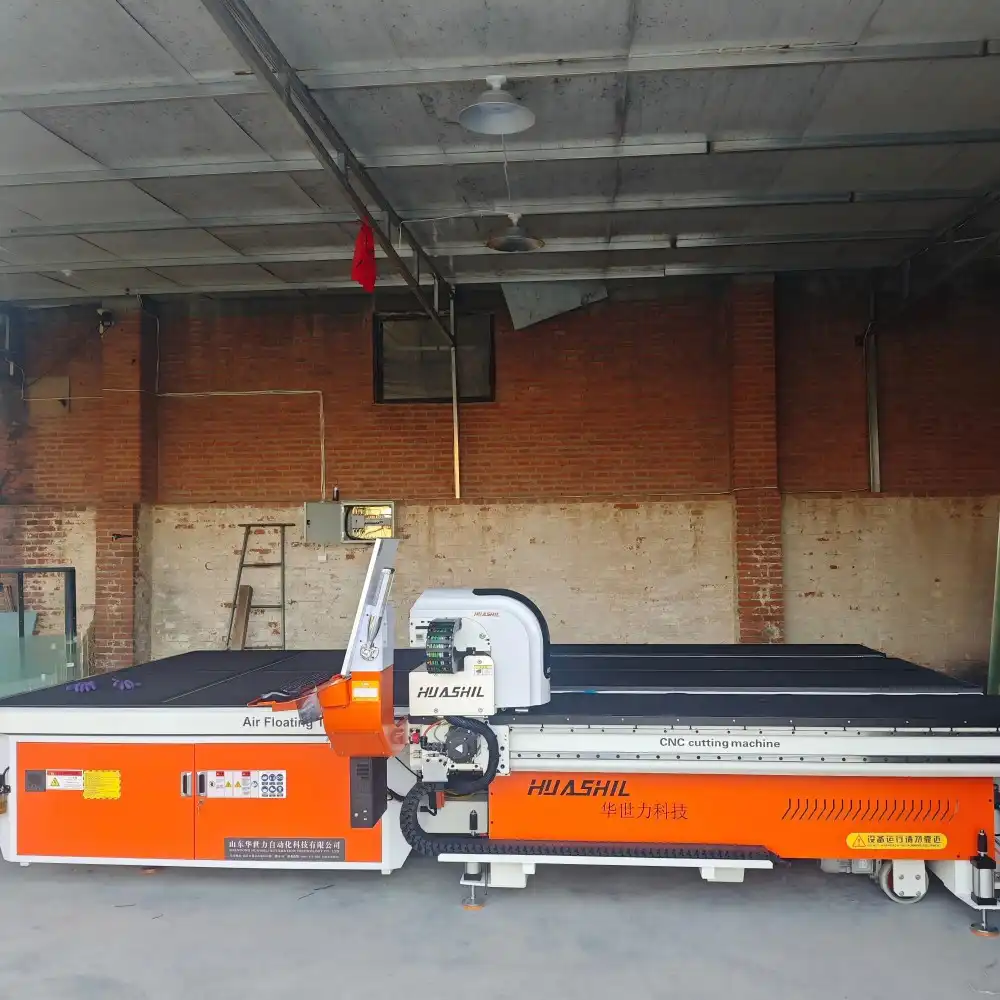
Long-term operating costs are directly affected by the quality of the motor built into a cutting machine for stained glass windows. Machines with strong steel frames can keep cutting precisely even after years of continuous use, but machines with lighter frames have alignment problems that lower the quality of the cuts. Synchronous belt conveyor systems have been used for a long time to move glass. They are more reliable than other methods and handle the glass gently so that the surface doesn't get damaged.
Navigating the Procurement Process for Glass Cutting Equipment
Sourcing Strategies and Supplier Evaluation
When buying production tools, procurement managers use more than one method. When you work directly with a manufacturer, you can get better customization options and faster help after the sale. Technical buyers check out factories to see how well they can make things, how well they control quality, and how well they manage their spare parts inventory. Trade shows like GlassTech let you compare two pieces of equipment next to each other and see how they work in real time, which can reveal features that aren't clear from the technical specs.
Online business-to-business (B2B) platforms help with the early stages of research by letting buyers compare specs and get initial quotes from several providers. Engineering teams look at the quality of a supplier's technical documentation to see how professional they are. Full manuals, detailed electrical schematics, and clear maintenance instructions all point to a manufacturer that cares about its customers' success. Checking with current customers for references can give you information about how reliable the equipment is and how quickly the supplier responds to technical problems.
Understanding Total Investment Requirements
Planning your finances for glass-cutting tools goes beyond just figuring out how many to buy. Costs of installation, such as preparing the base, making electrical connections, and figuring out the size of the compressed air system, are planned for by procurement managers. An often-undervalued cost is operator training, especially for places that are switching from human to automatic processes. Comprehensive training programs shorten the time it takes to learn new skills and stop operational mistakes that could damage equipment or waste materials during the first stage of production.
Total cost of ownership is affected by warranty terms and after-sales support structures in a big way. Suppliers who give warranties that cover equipment for 12 to 24 months show that they trust the equipment to work. Maintenance contracts that include preventive service visits help businesses avoid unplanned downtime, which is especially helpful for businesses that run more than one shift. The supply of spare parts and shipping times need to be carefully looked at. Suppliers with regional warehouses can get important parts to you within days instead of weeks, which keeps production running as smoothly as possible.
Customization and OEM Considerations
For large-scale operations, equipment often needs to be changed so that it can work with existing production lines. When a manufacturer offers OEM and customization services, they can change the size of a machine, its control system, or its automation connections to fit the needs of a specific facility. Integrators of curtain wall systems like this have a lot of freedom when they are putting together full glass processing lines with many tools that need to work together. Distributors and system integrators can show their customers product lines that work well together with unique branding choices.
Working together technically during the specification step makes sure that the special equipment works as planned. Engineers from companies with a lot of experience help decide if suggested changes will affect reliability or the need for repair. Developing a pilot test or prototype for unusual uses lowers the risk of putting the idea into action. This is especially helpful for new products that are entering new market segments.
Conclusion
When looking for a cutting machine for stained glass windows, you need to carefully consider its technical specs, automation features, and ability to provide long-term support. When it comes to budgets and the need for precision, production managers have to find a balance. They also have to think about things like machine footprint, energy efficiency, and ease of maintenance. Automation technologies like automatic loading, pressure control, and optimization software that are built into equipment make it easier to use materials and get more done with less work. Quality certifications and strong construction make sure that the equipment will work reliably for many years. Thorough evaluations of suppliers, thorough training programs, and clear after-sales support agreements that protect the large capital investments these machines represent all help the buying process.
Frequently Asked Questions About Glass Cutting Equipment
1. Which machine type delivers the highest precision for architectural glass production?
For large-scale building projects, the most accurate results come from automatic cutting systems that are handled by a computer and have optimization software. With features like automatic edge-finding and pressure control, machines like the HSL-YTJ3829 can keep cutting accuracy within small ranges over long production runs. Laser-guided systems are very accurate for cutting intricate designs for decorations, but their higher price might not be worth it for cutting normal architectural glass when CNC technology meets the needs.
2. What maintenance practices extend equipment service life and minimize downtime?
As recommended by the manufacturer, regular upkeep includes replacing the cutting wheels on time, lubricating any moving parts, and checking the conveyor belts for wear. Cleaning the filters in an air flotation device keeps the air flowing properly, which saves the glass. Every month, operators should make sure that the automatic edge-finding sensors are still calibrated and check the electrical connections for signs of corrosion or wear. Setting up preventive maintenance plans based on working hours instead of calendar dates makes sure that parts get the care they need based on how often they are used.
3. How do safety features differ between manual and automated cutting machines?
Automated systems have many safety features, such as emergency stops, guard interlocks, and sensors that can tell when an operator is in a dangerous area. For manual machines, basic physical guards and emergency stops are the main ways to keep them safe. Operator training and process controls are also very important. Modern equipment is becoming more and more automated, which means that operators don't have to touch the cutting processes as much. This naturally lowers the risk of harm, but it means that workers need different safety training that focuses on machine supervision instead of human material handling.
Partner with HUASHIL for Your Glass Processing Solutions
Serving architectural glass manufacturers, curtain wall installers, and furniture makers on a global scale, HUASHIL has made a name for itself as a trustworthy cutting machine for stained glass window manufacturers. The HSL-YTJ3829 model combines tried-and-true automation technologies with strong construction. It also comes with CE and ISO9001 certifications that show our dedication to making the best products. Our equipment gives production leaders a measurable return on investment (ROI) through less material waste, lower labor costs, and reliable operation. This is because it increases efficiency while maintaining quality standards.
We invite procurement managers and technical buyers to talk to our engineering team about their specific production needs. HUASHIL offers full support from the initial design phase through installation and ongoing servicing, whether you need a single machine to increase output or a fully customized production line. You can email our sales team at salescathy@sdhuashil.com to get full technical documentation, set up plant tours, or get a quote that is specific to your glass processing needs.
References
1. Anderson, J. M. (2022). Industrial Glass Processing: Technologies and Applications. Manufacturing Press International.
2. Chen, L., & Rodriguez, M. (2023). "Automation in Architectural Glass Production: Efficiency Analysis and Case Studies." Journal of Manufacturing Systems, 68, 245-259.
3. European Committee for Standardization. (2021). Safety Requirements for Glass Processing Machinery. CEN Technical Report 156.
4. Harrison, P. T. (2023). Glass Fabrication Equipment: Selection and Optimization Strategies. Industrial Technology Publications.
5. Mitchell, R. K. (2022). "Energy Efficiency in Glass Manufacturing: Equipment and Process Improvements." International Journal of Sustainable Manufacturing, 15(3), 178-192.
6. Thompson, D., & Liu, Y. (2024). Advanced Glass Cutting Technologies: Comparative Performance Analysis. Glass Industry Research Institute.