




Precision robotics, real-time tracking, and better material handling throughout the production cycle are all built into industrial glass cutting and laminating systems to reduce waste. Unlike old-fashioned methods that waste materials because of uneven scoring and laminating, modern automatic systems use photoelectric tracking, CNC controls, and smart sensors to make sure precise cuts and even lamination. This means that producers lose a lot less material, reject fewer items, and make their production more efficient overall. This saves them money and is better for the environment.
Understanding Waste Challenges in Industrial Glass Processing
Material waste is still a problem in glass factories, which hurts both profits and environmental duty. Traditional manual cutting methods produce scrap rates of 15% to 25%, depending on the skill level of the user and the complexity of the shapes. This is based on our experience from hundreds of installs. When you add up all of this waste from production lines that handle thousands of square meters of space every day, it has a big effect on the bottom line.
Sources of Material Scrap in Glass Production
There are a number of linked reasons why manual score methods are wasteful. Marking glass surfaces with handled tools introduces human error into the accuracy of measurements. When pressure isn't applied consistently during scoring, breaks aren't finished, and whole sheets end up in the trash. When hand methods create tiny cracks that spread to later steps of processing, edge quality goes down.
Laminating processes make these problems even worse when temperature, pressure, or alignment factors change from what was specified. Delamination, bubble formation, and edge flaws turn expensive made glass into trash. When plants don't have combined quality control systems, problems aren't found until many stages of production are finished. This makes each discarded piece more expensive.
Operational Inefficiencies Driving Up Costs
Inefficient processes waste more than just material. They also use up work hours and output capacity. For manual placement, workers have to measure, mark, and line up each piece of glass by hand. Setup time between cuts slows down production and causes bottlenecks that affect the whole production plan. Reactive repair that causes equipment to break down further reduces the ability to produce.
In traditional workflows, you can't see statistics about waste trends either. Production managers have a hard time figuring out if waste comes from certain workers, types of glass, or cutting patterns. Without this knowledge, efforts to make things better all the time lack direction and goals that can be measured.
Key Principles for Waste Reduction
To deal with these problems, you need a methodical technique based on four basic ideas. Precision equipment gets rid of differences in size that lead to waste. Automating routine jobs gets rid of the mistakes that people make while also speeding up the process. Full quality control finds flaws early, before they need more work, which raises the cost of fixing them. Preventive repair makes sure that equipment works as it should, keeping the tight limits needed for little loss.
Innovations Driving Waste Reduction in Industrial Glass Cutting and Laminating
The way manufacturing companies reduce waste has changed a lot because of progress in technology. Precision that was once hard to achieve by hand is now possible with automated cutting systems, and process control in laminating machinery makes sure that quality is the same across production runs.
Automated Cutting Systems and CNC Technology
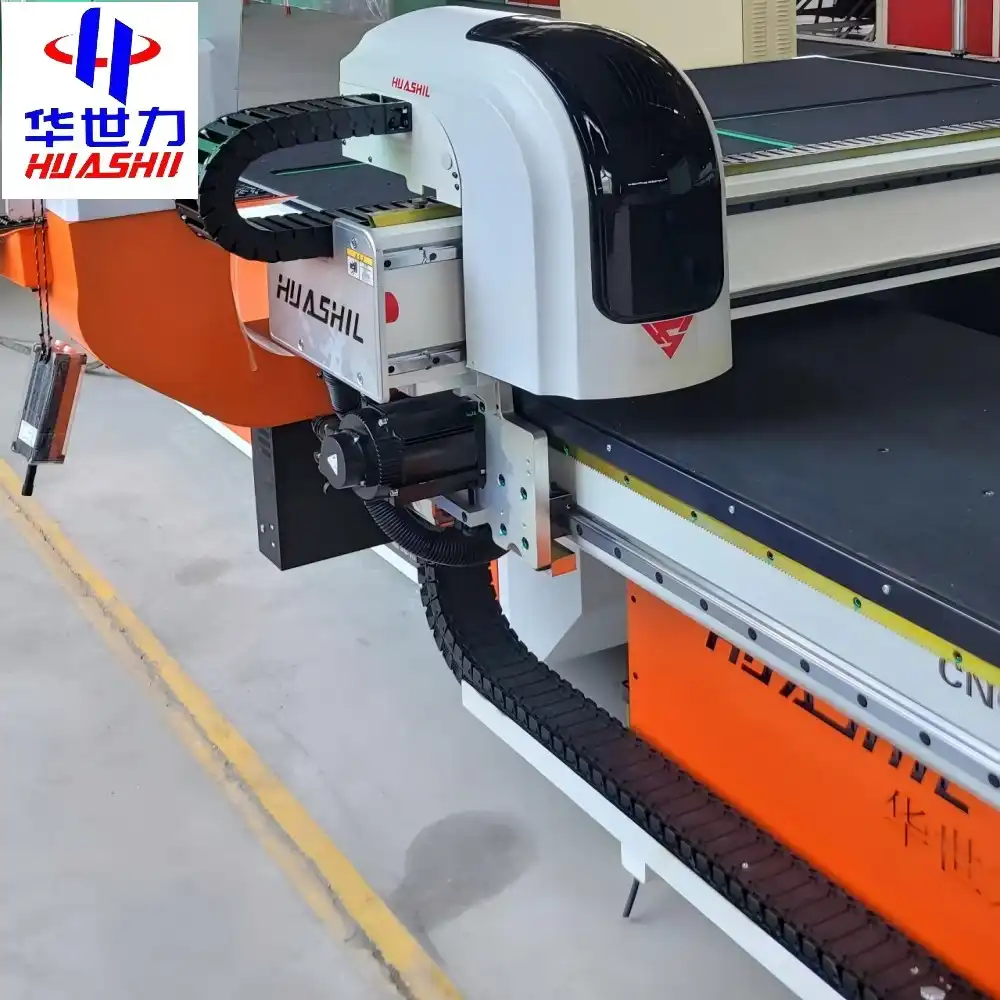
With customizable accuracy, CNC-controlled cutting tables took the place of human scoring. Digital cutting plans can be sent to these systems, and they can follow them to within tenths of a millimeter. Photoelectric positioning sensors find the sides of the glass and automatically line up the cutting tracks. This gets rid of the need to measure by hand, which can lead to mistakes. Cutting speed can reach 100 meters per minute without losing accuracy, which greatly increases output without lowering quality.
Robotic devices for lifting and unloading further lessen damage from handling. Glass sheets move from one stage of processing to the next without being touched by hand. This lowers the chance that they will chip, crack, or break. Automatic systems can reliably handle pieces as small as 300 mm and as long as 3800 mm, so they can be used for a wide range of production needs.
Advanced Laminating Process Controls
Modern laminating machines have sensors built in that keep an eye on the temperature, pressure, and sealing conditions at all times during the bonding cycle. Automated controls change these factors in real time to account for changes in the environment or the material that would lower the quality of the bond if they were done by hand. This closed-loop control stops the flaws that cause traditional processes to fail, like delamination and bubbles.
Film width compatibility has grown to include materials from 0.38 mm to 1.52 mm, so plants can choose the best material for each job without having to change their tools. Glass thicknesses from 3+3mm to 8+8mm can be made to fit the needs of the building, car, and decorative markets from the same production line, which makes the best use of all the equipment.
Smart Monitoring and Predictive Maintenance
IoT-enabled monitors built into production tools send information about how well it's working all the time. Dashboards for real-time tracking let workers know about parameter drift before it causes parts to break. Analyzing historical data shows trends that can be used to predict when parts will wear out. This lets maintenance teams change parts during planned downtime instead of having to fix problems that happen out of the blue.
With these features, maintenance goes from being a defensive firefighting task to a proactive task of improving efficiency. Plants that implement industrial glass system integration report that unexpected downtime has gone down by 40%, directly leading to higher effective capacity and less waste from broken equipment.
How Modern Industrial Glass Systems Reduce Waste: Core Mechanisms and Case Studies
Knowing the exact ways that high-tech tools cut down on waste helps purchasing teams compare different systems and show why they should buy new ones. Performance data from real-world situations shows that these tools really do work.
Precision Cutting Technologies Minimizing Scrap
Laser cutting systems are the most accurate way to cut things with complicated forms and close limits. When cutting with a waterjet, you can use toughened glass and thick laminated materials without putting any heat stress on them. CNC-controlled cutting wheels are a cheap way to get precise cuts in large quantities for straight lines and simple forms. Each method produces a high-quality edge that cuts down on the need for further polishing and on kerf waste.
Optimized stacking software figures out the best way to cut things so that the most pieces fit on each glass sheet, making the best use of the materials. To get the most value out of raw materials, complex programs take into account things like grain direction, flaw avoidance, and the order of cuts. When compared to hand layout methods, plants that use advanced nesting report 8–12% higher yields.
Laminating Process Controls: Preventing Defects
When pressure is applied automatically, the whole surface of the glass is bonded evenly, so there is no edge delamination that can happen with human methods. The temperature profile fits the rates of heating and cooling to the materials between the layers, which stops the thermal stress that bends light. Before bonding, vacuum systems get rid of any air that is caught between the layers of glass and film. This gets rid of bubble flaws where they start.
Process documentation tools keep full logs of all the parameters for each output batch. When quality problems happen, engineers find out what the exact process conditions were that caused them. This way, they can make focused fixes instead of big changes that could cause new problems. This method, which is based on data, speeds up cycles of continuous growth.
Measurable Results from System Integration
A company in the southwestern United States that makes curtain walls wrote about their experience switching from semi-automated equipment to a line that cuts and laminates at the same time. The amount of trash dropped from 22% to 14% in the first quarter of production, which saved over $180,000 a year. The number of hours worked per square meter went down by 35%, which allowed the plant to make 28% more without hiring more workers.
After putting in place advanced laminating controls, a car glass supplier that works with big OEMs got a 99.2% first-pass yield, up from 94.7% with their old equipment. The 4.5-percentage-point gain got rid of expensive rework and refusal while meeting safety standards for cars that are getting stricter. The equipment investment paid for itself in less than 18 months, based only on less trash and not on higher productivity or better quality.
Practical Guidelines for Selecting Waste-Reducing Glass Cutting and Laminating Systems
When choosing equipment that cuts down on waste over time, you need to look at more than just the original buy price. Strategic buying looks at the total cost of ownership, the needs of operations, and the ability to provide long-term assistance.
Evaluating Automation Levels and Precision Capabilities
The specs of the equipment should meet the needs for output volume and complexity. Fully automatic lines with built-in loading, cutting, edge processing, and laminating stations are helpful for building glass plants that make a lot of glass. Furniture makers who make custom forms may choose flexible systems that can handle a range of production runs over systems that are very automated.
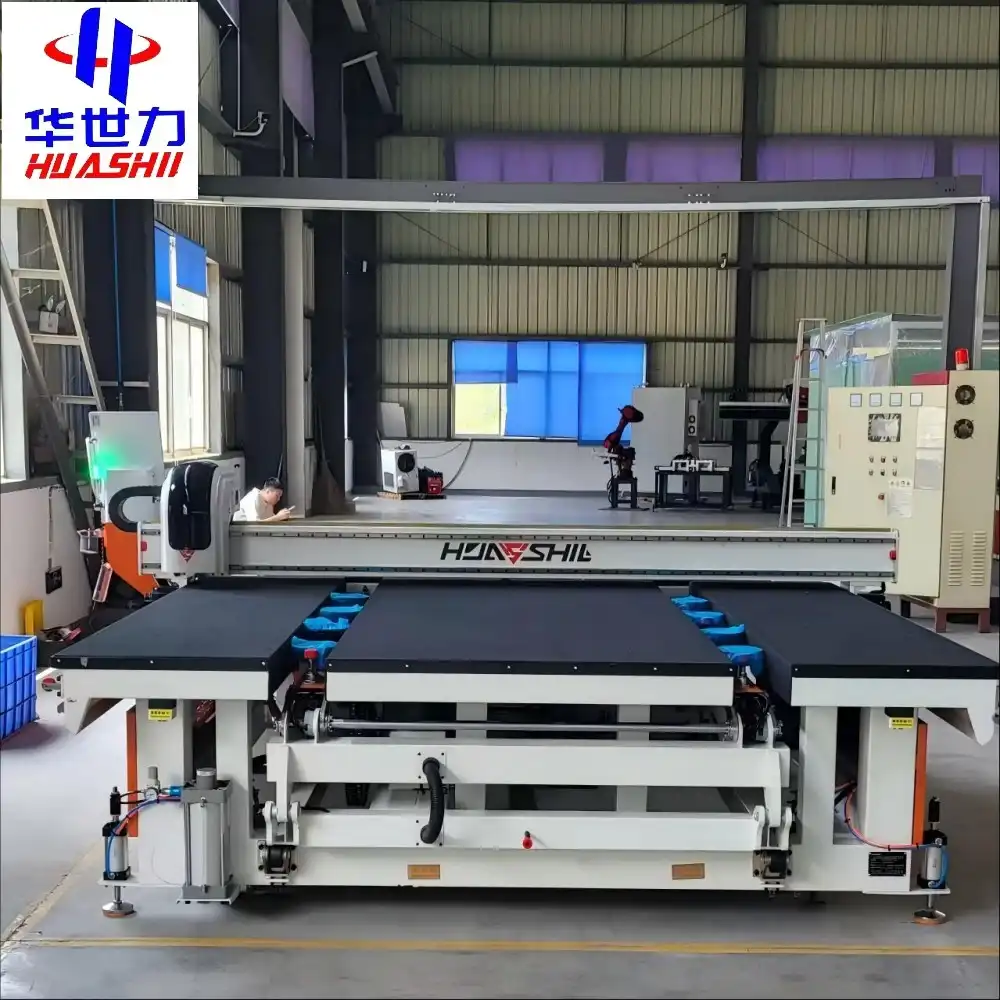
The level of precision must match the needs of the business group. Tolerances of within ±0.5mm are needed for automotive uses, but ±1.5mm is fine for ornamental glass. Costs go up for equipment that is too precise without improving operations, and rejected waste happens when accuracy isn't enough. Small equipment sizes, like the 4700x3100x840mm footprint of current combined systems, work with the way factories are set up now, without the need to expand.
Assessing Support Infrastructure and Total Ownership Costs
After-sales support infrastructure checks to see if the equipment continues to work as expected for as long as it is in use. How long downtime lasts when parts need to be replaced depends on how readily available spare parts are. Plants should make sure that their suppliers keep parts in stock in their regions and promise to respond to calls for expert help.
Training programs make sure that operators and repair staff know how to properly use and take care of tools. Comprehensive training cuts down on mistakes made by operators and increases the life of the equipment. Warranty coverage and service agreements spell out who is responsible for what when equipment needs repair. This protects the investment against repair costs that were not expected.
Engaging Qualified Suppliers and Trusted Manufacturing Partners
When you work with well-known makers, you can use technology that has been tested and with engineers who have worked on many projects. Companies like Shandong Huashil Automation Technology have been developing, making, and servicing industrial glass cutting and laminating systems for users all over the world for many years. Their engineering teams know the unique problems that architectural glass plants, curtain wall fabricators, furniture manufacturers, and car glass providers have to deal with.
When tools will be used for 15 to 20 years, supplier stability is important. Established makers keep supporting old equipment for a long time after it has been installed, making sure that parts are available and offering expert help when needed. They also use customer feedback to improve their products all the time, making sure that the tools can keep up with the needs of the business.
Maintenance and Safety Tips to Sustain Waste Reduction Performance
Without proper upkeep, equipment performance decreases over time, slowly reducing the benefits of reducing waste that made the original investment worth it. Structured repair programs and safety rules keep tools working well and keep people safe.
Preventive Maintenance Best Practices
Scheduled upkeep should be done at the times suggested by the maker. Tasks are usually due daily, weekly, monthly, and yearly. Every day, checks are made to make sure that safety systems are working properly, that cutting tools are in good shape, and that work areas are clean. As part of weekly maintenance, moving parts need to be oiled, air systems need to be checked, and sensors need to be calibrated. Every month, chores include thorough checks of the motor systems, the electrical systems, and the accuracy of the measurements.
An annual inspection by factory-trained workers gives a full picture of the equipment. Technicians check and record how well the equipment works against its original specs. This helps them find parts that are getting close to the end of their useful life before they break. They also make sure that the latest safety standards are met, update the control software, and apply engineering changes.
Operator Training and Safety Protocols
Full training for operators cuts down on both machine harm and injuries on the job. Standard working procedures, quality checks, frequent repair scenarios, and emergency stop steps should all be part of training programs. Before workers can run production on their own, they need to gain a lot of hands-on experience while being supervised.
Safety rules that protect workers also stop glass damage that leads to loss. Using the right safety gear keeps you from getting hurt while handling glass sheets. Breakage is less likely to happen when lifting, unloading, and moving materials from one process to another when established methods are followed. Standardized work table heights of 820±50mm improve comfort and keep workers from getting tired, which can cause mistakes when they're handling things.
Environmental Initiatives and Recycling Programs
Managing glass trash is more than just reducing the amount of scrap that is made. Cullet recycling programs give glassmakers their production trash back so they can melt it down and use it to make new raw materials. Setting up agreements for gathering, sorting, and logistics stops the loop on waste that can't be avoided and lowers the cost of getting rid of it.
Designed equipment that uses less energy has a bigger effect on the world than just reducing waste. Modern systems have variable-speed drives, better heating profiles, and smart sleep modes that use less energy when they're not being used. These features lower running costs and support business sustainability efforts, which are becoming more and more important to people who make procurement decisions.
Conclusion
To cut down on waste in glass processing, you need more than just good goals. You need precise tools, process control, and organized methods that deal with the reasons rather than the symptoms. Modern industrial glass cutting and laminating systems are much better than older ones. They do this by using technologies like CNC control, photoelectric tracking, and real-time monitoring that get rid of the problems that come with using people, which can make old methods less accurate. When these methods are used, plants report cutting waste by more than 20% and seeing gains in quality, productivity, and profits. Strategically choosing equipment based on business needs, total ownership costs, and supplier skills gives manufacturers a long-term competitive edge in markets that are becoming more demanding and where success depends on being efficient and long-lasting.
Frequently Asked Questions
1. What distinguishes automated glass cutting from traditional scoring methods?
Traditional scoring relies on the skill of the person doing the work to move the cutting wheels across the glass surfaces by hand. This results in uneven pressure and alignment, which leads to waste due to missing breaks and mistakes in measurements. Automated systems use photoelectric tracking and CNC controls to follow pre-programmed cutting lines with repeated accuracy. This gets rid of the variability that comes from human error and speeds things up to 100 meters per minute. Automated equipment also has nested optimization software built in, which calculates the best cutting design to make the best use of the material.
2. How often should laminating equipment undergo maintenance?
Cleaning, checking the safety systems, and eye inspection are all parts of daily upkeep. Maintenance that is done once a week includes greasing, sensor tuning, and checking the pneumatic system. Every month, you have to do thorough checks of the motor and electrical systems. Every year, the factory does a full inspection, precise measurements, part replacements, and program changes. Following the manufacturer's repair plans keeps the process control accurate so that as little waste as possible is produced.
3. Do automated systems deliver measurable cost savings?
Case studies show that 20–30% less trash is made, which means that high-volume businesses can save six figures a year on materials. When workers' efficiency goes up by 30 to 40 percent, revenue goes up without having to hire more people. Quality changes that cut down on rework and rejection save more money and make customers happier. Depending on the amount of work being done, the payback time is usually between 18 and 36 months. After that, the equipment continues to save money for another 15 to 20 years.
Partner with HUASHIL for Advanced Glass Processing Solutions
Companies that want to cut down on waste and improve production should look into the wide range of glass processing equipment that HUASHIL sells to architectural glass plants, curtain wall fabricators, furniture manufacturers, and car glass providers around the world. Our engineering team has a lot of experience making glass cutting and laminating routines more efficient by using smart automation, process control, and quality systems that are all connected.
HUASHIL's industrial glass cutting and laminating systems use photoelectric tracking, CNC automation, and real-time monitoring to cut down on material waste, boost production, and improve product quality. As a reliable provider, we offer full expert support, from the first meeting to installation, training, and ongoing upkeep. Our dedication to customer satisfaction guarantees that your investment will keep working well for as long as it's in use.
Talk to our team at salescathy@sdhuashil.com about how HUASHIL industrial glass cutting and laminating systems can help you make your production more efficient and cut down on waste. As part of our extensive insurance coverage and quick technical support, we offer options that are made to fit your exact needs.
References
1. Glass Manufacturing Industry Council, "Waste Reduction Strategies in Contemporary Glass Fabrication," Industrial Glass Technology Quarterly, 2023.
2. Anderson, M. & Chen, L., "Automated Glass Processing: Economic and Environmental Benefits Analysis," Journal of Manufacturing Systems and Optimization, Vol. 47, 2022.
3. International Glass Processing Association, "Best Practices for Laminated Glass Production Quality Control," Technical Standards Publication, 2023.
4. Rodriguez, P., "Predictive Maintenance Implementation in Glass Fabrication Equipment," Automation and Process Control Journal, 2022.
5. National Glass Association, "Total Cost of Ownership Analysis for Glass Processing Capital Equipment," Procurement Guidelines Series, 2023.
6. Thompson, R. & Wagner, S., "Case Studies in Glass Processing Waste Reduction: Measuring ROI from Automation Investment," Industrial Efficiency Research Quarterly, 2022.