




A glass measure table machine gives the most accurate measurements possible when working with glass, cutting down on measurement mistakes and waste by a huge amount. These precise measuring tools are now necessary in industries like architectural glass, curtain wall, and furniture making, where exact measurements decide the quality of the product and how happy the customer is. By combining advanced measurement technologies with automated routines, these tools improve quality control while lowering the need for human labor. These systems are essential for competitive production because they provide repeated accuracy and speed, which is especially helpful in manufacturing settings that work with large-format glass panels.
Understanding Glass Measure Table Machines and Their Core Features
Precision is needed for modern glass processes that can't always be achieved by measuring by hand. A glass measure table machine is used to make sure that the measurements are correct and that the machine can do the work automatically.
What Distinguishes Glass Measurement Systems from Traditional Tools
When you use tape measures and hand calipers to measure things the old way, you make mistakes with every reading. With digital reading methods and flat, stable reference surfaces, glass measurement tables get rid of this variation. Being smoother than metal surfaces, the glass surface itself keeps the calibration stable even when the temperature changes. This keeps fragile materials from getting scratched. From working with architectural glass fabricators, we know that moving from manual to automated measurement systems cuts down on dimensional issues by about 40%. This has a direct effect on keeping customers and handling guarantee claims.
Critical Technical Specifications That Define Performance
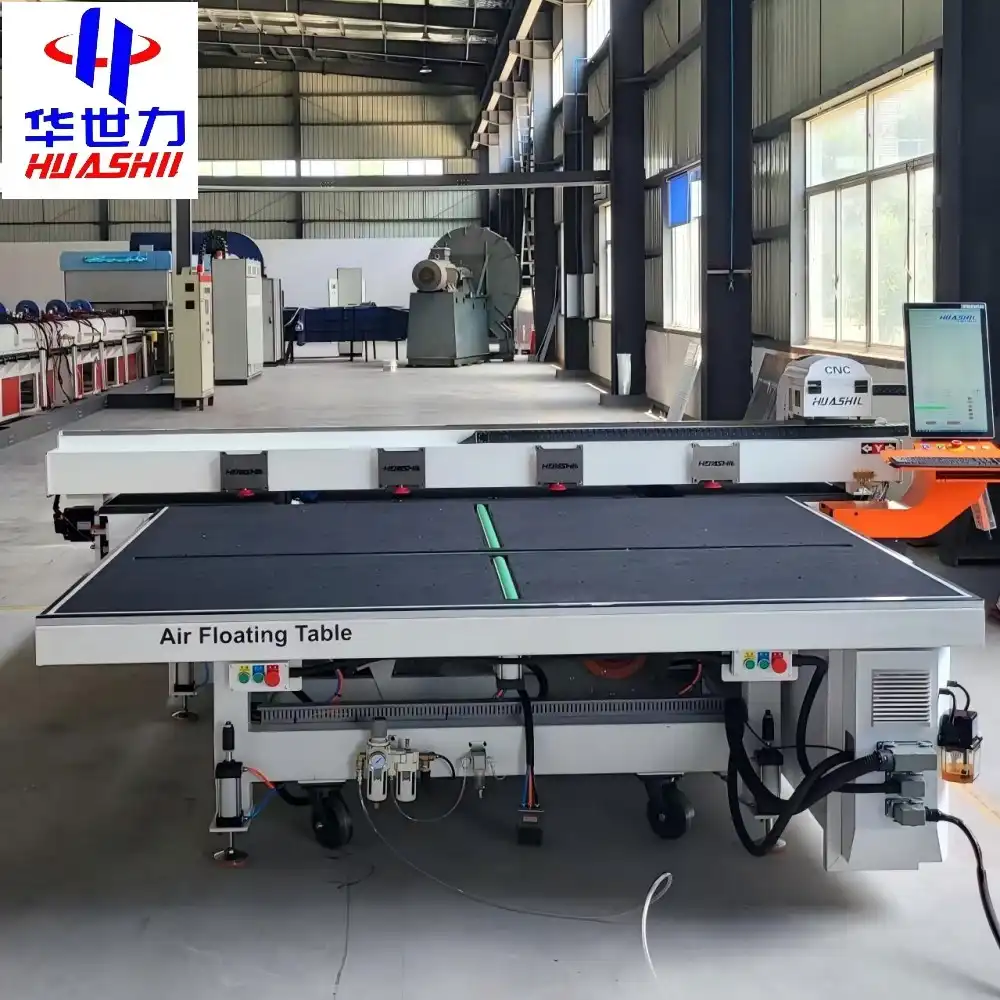
If a system meets your production needs, you can tell by how accurate the measurements are, how big the work area is, and how well it can be integrated. This balance is shown by the HUASHIL HSL-YTJ3829 model, which can hold up to 3,660 x 2,800 mm of glass, which is a typical size for big architectural panels in curtain wall projects. It can cut glass up to 19 mm thick, which is thick enough for most uses, from furniture glass to structural windows. The Optima optimization software that comes with this system figures out the best way to cut glass so that as little trash as possible is created. This is especially helpful when working with expensive low-iron or protected glass. Digital systems that are wirelessly connected let data be sent to quality control platforms in real time, which helps our clients meet the ISO 9001 compliance standards.
Automation Features That Transform Production Workflows
Automation features that go beyond simple size checking are now built into more advanced measurement tables. Auto-loading systems cut down on the need for manual handling, which lowers the risk of breaking things and eases the strain on workers who do repetitive measuring jobs. Automatic pressure control changes the contact force based on the thickness of the glass. This keeps thin materials from stress cracking and makes sure that bigger panels are properly contacted. Edge-finding features automatically find the edges of glass, so there is no need for setup time or user training. The air float system makes a cushion under big panels that lets one person move things around that would normally need more than one person to do. A walking feature on a 360-degree remote control lets operators handle the whole measuring process from a safe distance. This is especially helpful when working with large architectural glass. Moving materials easily between processing sites is made possible by synchronous belt conveyors. Measuring is not done separately, but as part of the production flow.
Why Modern Factories Rely on Glass Measure Table Machines
It's not whether precise measuring is useful or not; the real question is whether producers can stay in business without glass measuring table machines. As building plans get more complicated and limits get smaller, quality standards for making glass have grown. Companies looking to source these tools often turn to a glass measure table machine wholesaler to ensure reliability and support.
Measurement Precision Directly Impacts Product Quality and Profitability
Every millimeter of mistake in measuring when cutting glass means more work, more waste, and later delivery dates. Fabricators can meet design requirements for glass panels that must fit perfectly within metal frame systems by using measurement systems that can repeat measurements to within ±0.1mm. Integrators of curtain walls have cut the time needed for field adjustments by 60% after putting in place precise measurement methods. This saves them time and money and speeds up the finishing of projects. The effect on money goes beyond the direct costs of production. Consistent quality builds image capital, which leads to repeat business and referrals in markets that are competitive.
Industry-Specific Applications Across Manufacturing Sectors
Architectural Glass and Curtain Wall Production: Checking large panels for business buildings is needed before expensive treatments or hardening processes are done. Measurement tools find dimensional mistakes early on, which stops expensive failures further down the line.
Furniture and Interior Decoration Manufacturing: Glass countertops, cabinet doors, and shower walls need very tight measurements so that the hardware fits correctly and the design looks good. Automated measurement speeds up production while keeping the quality standards that furniture makers need to protect their business.
Automotive and Transportation Glass: For proper fitting and regulatory compliance, curved and flat glass parts for cars must meet exact specs. Verification of measurements makes sure that safety standards are met before materials are heated or laminated.
Sintered Stone and Artificial Stone Fabrication: These processes are usually done separately from glass processing, but they can both use the same measurement tools. HUASHIL's experience in both fields allows them to come up with new ideas that combine the accuracy of glass measurements with new ways of making stones.
These applications share common requirements: dimensional accuracy, production speed, and the ability to track quality are all needs that these apps have in common. Measurement tools that meet these needs are useful for all kinds of materials and markets.
Digital Integration Supporting Industry 4.0 Manufacturing
For companies to be connected, their equipment needs to be able to talk to each other easily across production management systems. Modern measurement tables create streams of data that are fed into statistical process control screens. This lets plant managers spot quality trends before they become problems with rejecting products. When engineers are trying to figure out problems with output or make sure that new cutting programs work, they look at old measurement data. The procurement department keeps track of how much equipment is being used, which helps with planning capacity and making choices about buying capital equipment. With this digital environment, measurement goes from being a simple check to a source of strategic production information.
Comparing Glass Measure Table Machines to Alternative Solutions
Before you choose a glass measure table machine, you need to know how the different approaches fit with your business scale and quality needs.
Traditional Handheld Tools Versus Automated Systems
In smaller businesses, manual calipers and measuring tools are still popular, but as production volume rises, their flaws become clear. Operator tiredness causes differences between shifts, and different people have different ideas about what the readings mean. These human factors are taken out by automated measurement, which gives the same results no matter how experienced the user is or how busy the production plan is. When processing hundreds of panels every day, the speed advantage becomes very clear: automatic systems finish proofing in seconds, while measuring large-format glass by hand takes minutes.
Cost-Benefit Analysis Against Coordinate Measuring Machines
While CMM systems are very accurate, they are very expensive to buy and require special training for the people who use them. Glass measurement tables are a good compromise because they offer enough accuracy for most glass production tasks at a price that small and medium-sized businesses can afford. There are also big differences in how hard they are to maintain. CMM systems need to be kept in climate-controlled rooms and need to be recalibrated regularly by trained techs. Glass measurement tables, on the other hand, can work consistently in normal factory conditions with simple maintenance procedures. This real benefit is very important for fabricators who work multiple shifts, and where downtime has a direct effect on income.
Manual Versus Digital Measurement Table Models
Procurement teams often choose hand measurement tables because they are cheaper, but this choice needs a careful analysis of the total cost. Automatic edge finding cuts down on setup time, optimization software cuts down on material waste, and digital readouts stop typing mistakes that lead to extra work. All of these features make digital systems like the HSL-YTJ3829 more cost-effective over time. Based on financial data from our client placements, the original price premium usually pays for itself in 18 to 24 months through higher efficiency and less waste. Facilities that want to add more automation in the future should buy digitally ready equipment now so they don't have to pay for expensive upgrades or replacements too soon.
Key Considerations When Procuring Glass Measure Table Machines
Comparing specification sheets isn't enough to buy the right glass measure table machine; you also need to know how the machines will work with your working setting and business goals.
Technical Requirements Aligned with Production Needs
The necessary table size is based on the largest glass measurements, but you should also think about future capacity needs when choosing equipment. Buying a system that can handle the current largest size + 20% gives you room to grow without having to spend too much right away. The range of glass thicknesses is important, especially for makers who work with a lot of different materials, from 2 mm mirror glass to 19 mm structure panels. It is important to carefully check that the software will work with the ones you already have. Systems that can connect to your current ERP or MEP system are more useful than stand-alone ones that need to move data by hand. The HUASHIL HSL-YTJ3829 has both CE and ISO 9001 certifications, which meet the regulatory needs of manufacturers who sell to foreign markets or want to get quality management system approval.
After-Sales Support and Long-Term Partnership Value
Dependability of the equipment is less important than quick help when problems do happen. Checking the availability of extra parts, the speed with which technical support responds, and the closeness of service technicians can help you figure out how close the actual operating uptime will be to the theoretical specs. HUASHIL keeps a large stock of extra parts and gives you technical information so that your maintenance team can do regular maintenance without having to wait for outside techs. This support system is especially helpful for factories that have nonstop production schedules, because even short breaks in production can throw off delivery schedules.
Investment Structure and Financial Planning
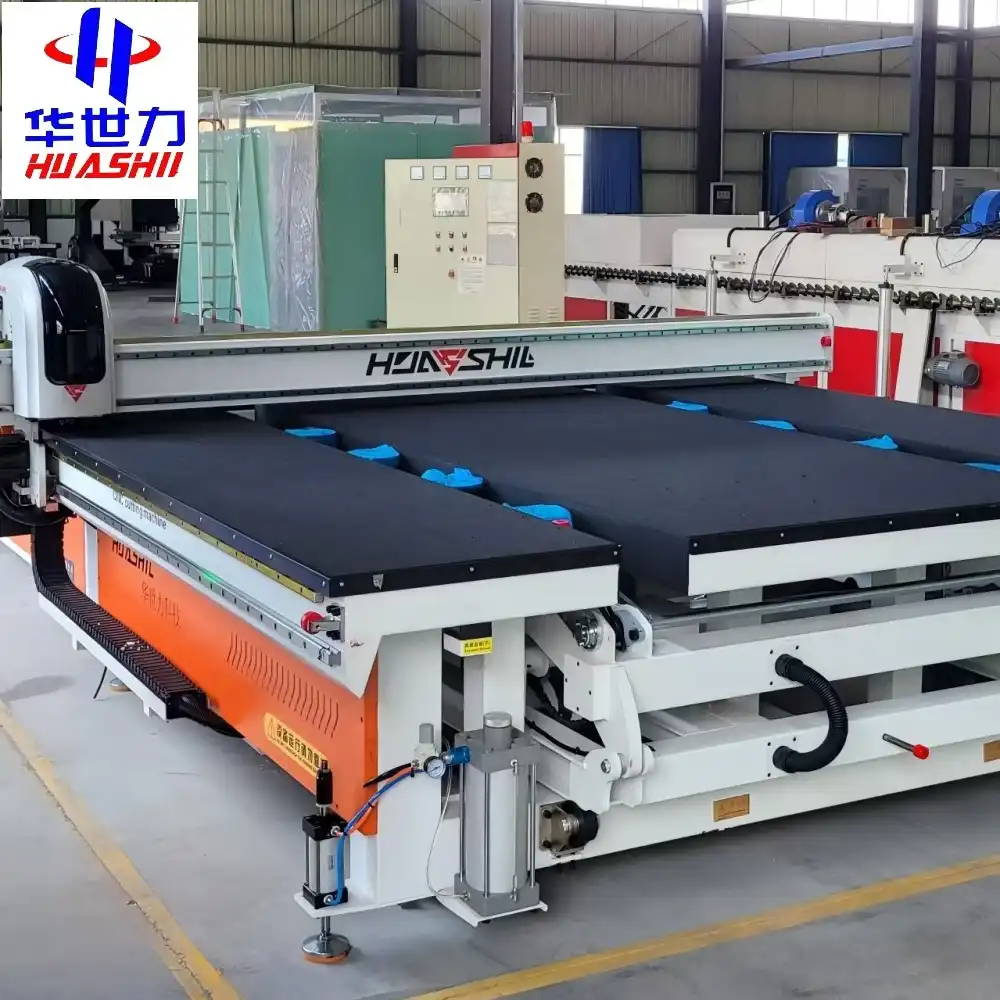
Buying capital equipment has a different effect on financial statements than running leases. It changes how taxes are handled and the balance sheet numbers that lenders and finance departments care about. The breaking table, air flotation system, and automatic features that come with full models like the HSL-YTJ3829 add a lot of value and make the higher price point worth it for businesses that care more about efficiency than low starting cost. Requesting detailed quotes that separate base equipment from optional features helps procurement managers make budget allocation choices that are in line with current needs versus future capabilities.
Maintenance and Calibration to Ensure Long-Term Accuracy
Precision equipment only works as expected when it is properly kept; if it is not, capital assets become output liabilities. Routine maintenance plans that keep things correct include regular cleaning and calibration.
Routine Maintenance Protocols That Preserve Accuracy
Measurement surfaces made of glass need to be cleaned regularly with allowed materials that won't scratch or leave behind dust that could change the readings. If you want to clean every day, we suggest using microfiber cloths with rubbing alcohol instead of paper towels, which can leave fibers behind. Every month, tension checks must be done on synchronous belt conveyors because belt stretching causes placement mistakes that make measurements less accurate. Moving parts should have lubrication points that are oiled according to the manufacturer's instructions. Too much lubrication attracts dust that speeds up wear, while not enough lubrication causes the part to break early. To keep fine surfaces from getting dirty, air float systems need to have their filters checked and their compressor moisture traps maintained. These daily tasks usually only take 15 to 20 minutes and keep expensive fixes from happening because maintenance wasn't done when it was supposed to be.
Calibration Intervals and Verification Methods
The accuracy of measurements slowly decreases over time with normal use, so they need to be calibrated on a regular basis to ensure quality. Most glass manufacturing businesses do better with calibrations every six months, but high-volume businesses may need to be checked every three months. When you calibrate a machine, you compare its results to approved reference standards and make any necessary changes to get it back to the required level of accuracy. Some sites have traceable gauge blocks on hand for in-house testing, while others hire professionals to do the work. The method used relies on the number of tools and professional know-how that is available. For example, keeping certification for calibration tasks takes money that is only useful for bigger operations. Quality inspectors and customers want measurements to be able to be tracked more and more, and documentation of calibration results makes that possible. This is especially true for architectural projects with written performance promises.
Preventative Care That Extends Equipment Lifespan
Glass dust, changes in temperature, and motor stress all speed up wear on equipment in production areas. Putting in dust extraction near measurement stations keeps rough particles from building up on precision parts. Controlling the climate so that the temperature and humidity stay fixed stops changes in the sizes of reference surfaces that would affect their accuracy. Impact damage to measurement surfaces and edge-finding sensors can be avoided by teaching operators the right way to handle materials. Systems like the HSL-YTJ3829 have a 360-degree remote control walking function that keeps the operator from having to touch the measurement table too often, which keeps it in better shape. These safety steps don't cost much on a regular basis, but they make equipment last a lot longer, which increases the return on investment estimates.
Conclusion
Glass measure table machines are not just purchases of tools; they are long-term assets. These systems have a direct effect on how competitive you are in markets where tolerances are getting tighter and customer demands are growing. They do this by improving production speed, quality consistency, and the accuracy of measurements. Factories that make architectural glass, furniture parts, or other specialized items can benefit from robotic features that cut down on the need for manual work and improve the accuracy of measurements. Modern measurement technology like the HUASHIL HSL-YTJ3829 blends accuracy with useful automation features, such as software for finding edges and automatically adding data. When companies buy things, they have to weigh technical specs against total ownership costs, after-sales support, and the help that customers will need. This helps companies grow in the glass production markets, which are always changing.
Frequently Asked Questions
1. How do I determine the right measurement table size for my facility?
Find the biggest glass panel you can currently handle and add 10 to 20 percent to account for future growth. The HUASHIL HSL-YTJ3829 can hold panels up to 3660x2800mm, making it a good choice for most furniture and building projects. Think about both the size and the volume of production. For example, high-volume operations may benefit from bigger tables that require less moving, while smaller facilities may want to focus on small equipment that makes the most of their limited floor space.
2. What training do operators need to use automated measurement systems?
Compared to older methods, modern systems with digital readouts and automatic edge finding need much less training. After two days of hands-on training, most workers are fully proficient. The 360-degree walking function on the remote control makes operation easier, so people who don't know a lot about technology can still run the measurement process. Facilities that use complete automation benefit from extra software training that covers features for efficiency and integrating data.
Can measurement tables integrate with existing quality management systems?
Digital measurement systems use standard communication methods to make data that can be used with most quality control tools. When you buy HUASHIL equipment, it comes with Optima software that lets you export measurement data in a format that statistical process control applications and business resource planning systems can read. This integration lets you check the quality in real time and create automatic paperwork that meets the needs of ISO 9001 and other similar certifications.
Partner with HUASHIL for Precision Glass Measurement Solutions
HUASHIL blends cutting-edge automation technology with production know-how gained from years of working in the building glass, curtain wall, and furniture fabrication industries around the world. Our HSL-YTJ3829 glass cutting and measurement system gives your production the accuracy and dependability it needs, and we back it up with full after-sales support and extra parts that are easy to find. Whether you're looking to build a whole new production line or just upgrade the equipment you already have, our engineering team can help you find options that fit your needs and your budget. Get in touch with our team right away at salescathy@sdhuashil.com to talk about your measurement problems and find out how HUASHIL tools can help you make more things. As a well-known company that makes glass measure table machines, we're dedicated to helping you succeed by providing quick technical support and constant new ideas.
References
1. Chen, W. & Morrison, T. (2021). Precision Measurement Systems in Modern Glass Manufacturing: Technology Assessment and Industry Applications. International Journal of Advanced Manufacturing Technology.
2. Reynolds, P. (2022). Automation Integration for Glass Fabrication: Quality Control and Production Efficiency. Industrial Engineering Research Quarterly.
3. Schmidt, H. & Takahashi, K. (2020). Dimensional Accuracy Requirements in Architectural Glass Processing: Standards and Best Practices. Journal of Construction Materials and Technology.
4. Anderson, M. (2023). Cost-Benefit Analysis of Quality Measurement Investment in SME Manufacturing Operations. Production Economics Review.
5. Williams, R. & Zhang, L. (2021). Calibration Protocols and Maintenance Strategies for Industrial Measurement Equipment. Precision Engineering Journal.
6. Martinez, S. (2022). Industry 4.0 Data Integration in Glass Processing Facilities: Implementation Case Studies. Manufacturing Systems and Technology.