




Special form special shape sintered stone cutting machines combine intelligent nesting software, CNC automation, and precision blade systems to create complex cuts with minimum waste. These innovative technologies automatically determine the ideal cutting pathways, reducing offcuts by 30%. Edge-finding technology and real-time pressure fluctuations maximise surface area and assure exact measurements with every cut. Building panel, furniture part, and decorative element producers that use sintered stone and other composite materials may generate more money, reduce material costs, and speed up production.
Understanding the Challenges in Special Shape Sintered Stone Cutting
In modern architecture and interior design, sintered stone is used in more and more complicated forms and unique geometries. Traditional ways of cutting, on the other hand, have trouble being both accurate and quick when working with these complicated patterns.
Why Traditional Methods Waste Material
Cutting by hand requires expertise and judgment, which may lead to blunders that result in rejected pieces and too much garbage. When manufacturers cut uneven curves or multiple forms layered within each other from enormous slabs, even little measurement errors add up rapidly. High-end sintered stone materials are costly to repair; one error might render an area worthless.
Hand-operated bridge saws and writing systems lack the processing capability to optimise several parts at once. Production teams typically space cuts too widely apart to prevent costly errors, wasting materials and labour. This thorough strategy prevents errors but guarantees waste rates that affect the company's bottom line.
The Hidden Costs of Imprecision
Bad cutting produces downstream issues that boost production costs in addition to material loss. Grinding or repairing edges takes additional time on the equipment and the project. Different dimensions make assembly tougher, particularly when creating curtain walls, where panels must match up within millimetres across building facades.
Quality control rejects more goods when cutting tools don't conform across manufacturing runs. Furniture companies have trouble making matching sets because buyers can tell if the parts are different sizes. Quality issues damage the brand's reputation and lead to guarantee claims, which reduce profitability.
Geometric Complexity Demands Advanced Solutions
Sintered stone is harder to process than granite or quartz because it is hard and brittle. High cutting pressure causes unanticipated material breakdowns. However, low feed rates prevent the blade from passing. Fine control mechanisms that can't be done by hand are needed to balance these opposing pressures.
More architectural projects need radii, angles, and complex forms that regular cutting technologies cannot handle. Automation is needed for shower dividers, welcome desks, and ornamental wall panels, which must be correct. Plant managers know that fulfilling these standards requires advanced geometry-handling technologies.
How Special Shape Sintered Stone Cutting Machines Enhance Material Utilization
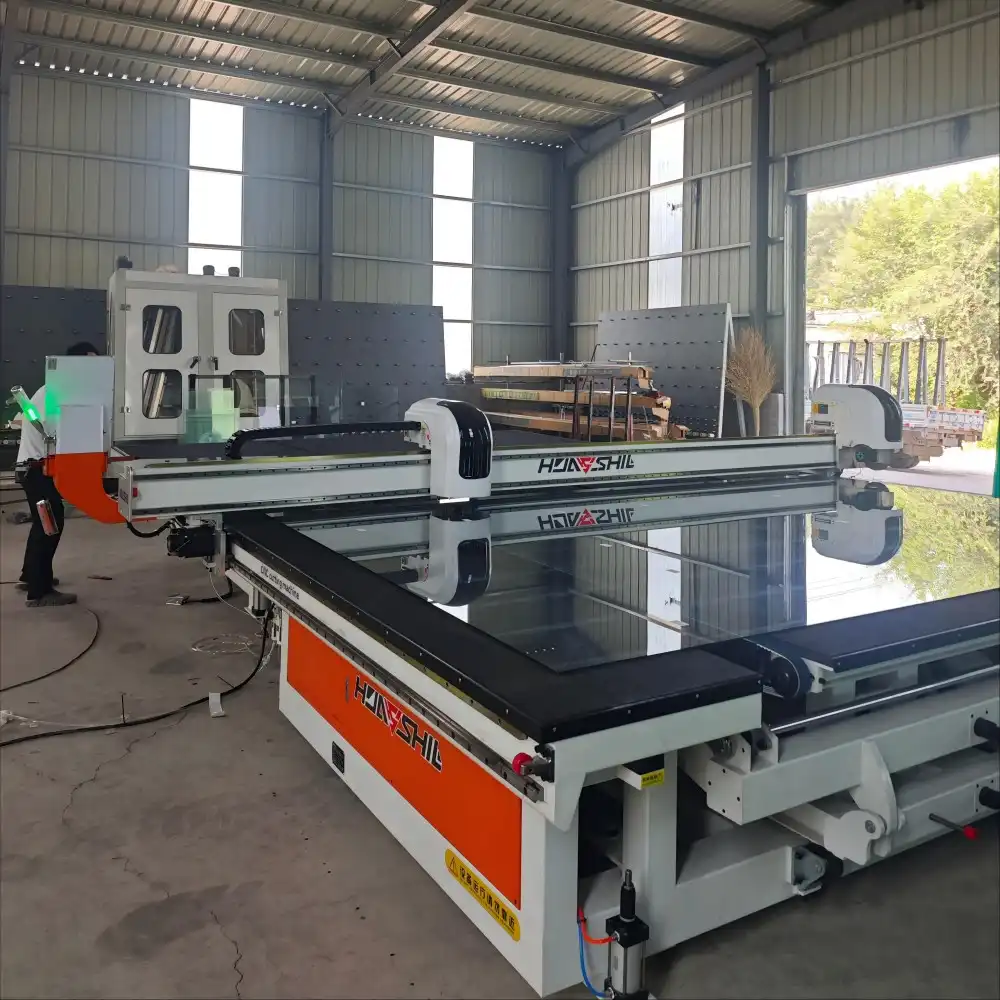
Automated CNC cutting systems change the amount of material that can be used by integrating technologies that make every part of the cutting process better. Knowing about special shape sintered stone cutting machines helps engineering managers and buying teams make good decisions about what tools to buy.
CNC Precision and Multi-Axis Control
Computer numerical control eliminates cutting errors. Over its 3600x1600mm work area, the HSL-CNC3616 maintains 0.1mm placement precision. This maintains dimensions regardless of form complexity. Multi-axis motion systems maintain cutting tools flat on material even while turning curves.
This precision prevents edge chipping and minor fractures from handwork. Clean cuts save 40%, shortening manufacturing cycles and preserving material. The machine produces parts closer to their ultimate size, which speeds up quality checking and reduces station work.
Intelligent Nesting Software Optimization
The Optima nesting algorithm analyses part shapes to organize them to maximise slab material consumption. The technology searches thousands of blueprints in seconds to locate the ones with the fewest scraps and enough room for the building to stand.
Advanced approaches consider the material's grain direction, defects, and several orders of priority. Computerized layout planning yields 15–25% more material than manual planning. The program generates detailed cutting data to assist purchasing teams in forecasting material needs and reducing inventory costs.
Adaptive Cutting Technology
Real-time visualization helps operators approve plans before cutting. This provides quality assurance tests that catch errors before scrap. Connecting inventory management and production scheduling systems allows just-in-time scheduling. This ensures material purchases match order amounts.
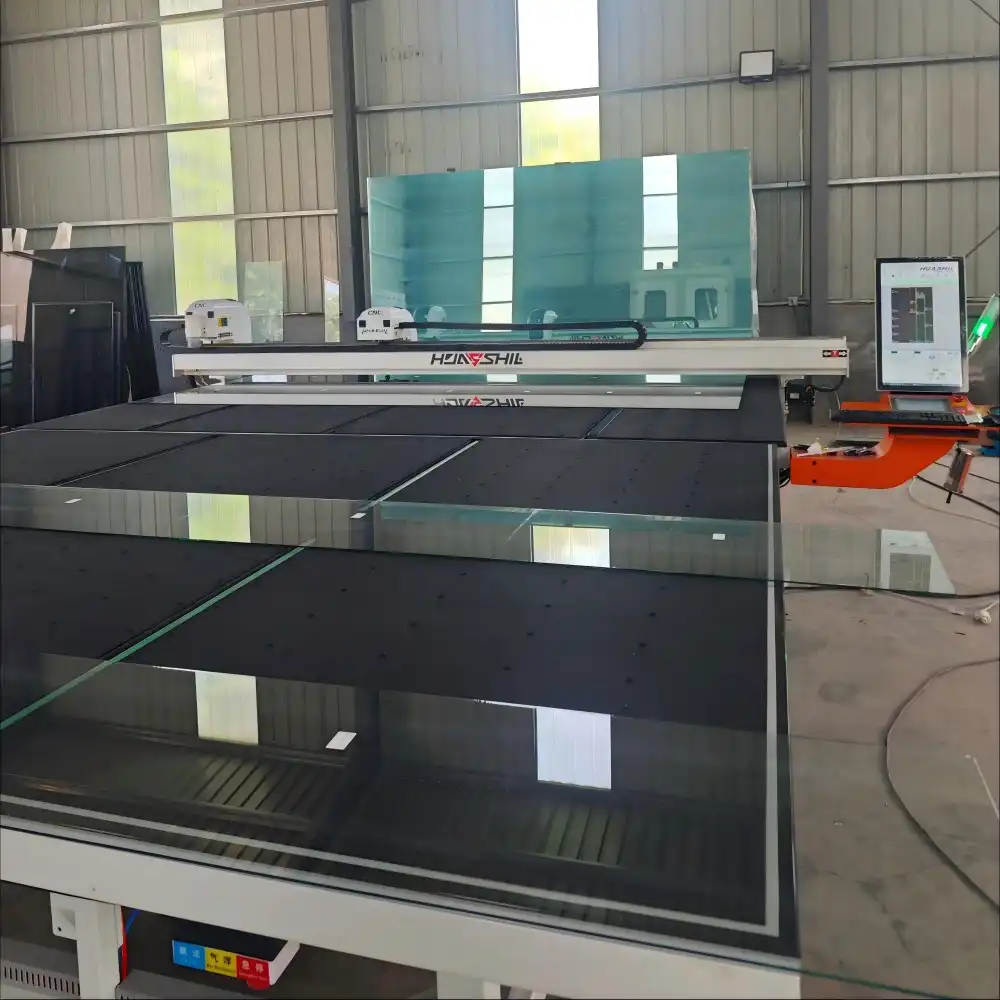
Automatic pressure control systems monitor cutting resistance and adjust downward force immediately. Overpressure causes microcracking, yet this reaction keeps blades engaged to remove material effectively. Air floating holds large slabs in place during placement, preventing tension buildups that may shatter them.
Automatic edge-finding technology eliminates hand-measuring, which may cause placement errors. The machine scans slab edges and establishes correct point references before cutting. This is useful for setting up leftovers from previous projects, when irregular beginning shapes make setup harder. The 360-degree remote control system lets personnel monitor various equipment from a single location. This operational efficiency reduces labor expenses and allows expert personnel to monitor manufacturing line quality. Transporting delicate powdered stone between workplaces with less care reduces the chance of breakage.
Comparing Special Shape Sintered Stone Cutting Machines to Traditional Alternatives
When purchasing managers look at buying new equipment, they need to be able to clearly see how automation differs from traditional methods so they can accurately explain capital expenditures and project return timelines for special shape sintered stone cutting machines.
Material Compatibility and Processing Capabilities
Sintered stone has distinct cutting issues from actual stone since it's lab-made. Since the material's density is constant throughout its thickness, stable cutting pressure is difficult to achieve by hand. Granite-optimized machinery on sintered materials causes delamination, but specialized diamond blade formulations and regulated feed rates prevent it.
In manual cutting, the operator's expertise is needed to account for material variances, which may lead to mistakes that sensor input in automated systems fixes. Modern tight-radius curves need fine motion control, which natural stone bridge saws lack. Waterjets can manufacture complex shapes, but they are sluggish and generate a lot of effluent.
CNC automation handles material thickness fluctuations from 3 to 12 mm without tool modifications. This provides you with greater output flexibility than manual installations. This versatility helps furniture producers who create a variety of furniture avoid switching materials, which would waste their equipment.
Precision, Repeatability, and Labor Efficiency
The biggest difference between automatic and manual cutting is uniformity in dimensions. CNC systems make thousands of pieces of the same part, with differences as small as a hundredth of a millimetre. Because of this, curtain wall builders can pre-fabricate whole building faces and be sure that they will fit correctly when they get to the job site.
When done by hand, easy rectangular cuts can be made with a good level of accuracy, but complex shapes and angles are harder to get right. During long production runs, even skilled workers make mistakes because they are tired, especially when working with big slabs that need to be moved around physically. When quality checking is done by hand, failure rates are usually three to five times higher, which has a direct effect on how much material is used.
A study of labour costs shows that technology has big benefits. One operator controls CNC tools that would need three to four people to do the same amount of work by hand. Less handling at work lowers the risk of injuries and frees up skilled workers to do more valuable work, like code and quality testing.
Investment Analysis and Return Considerations
When buying capital tools, you need to do a lot more than just compare prices. You need to do a thorough financial study. The CE and ISO9001 approvals for the HSL-CNC3616 lower insurance costs and make it easier for businesses that serve foreign markets to follow the rules. Standardised repair procedures and easy access to extra parts reduce the chances of downtime that could cause delivery delays. Industrial glass system integration further enhances these financial benefits by connecting cutting equipment with upstream material handling and downstream processing lines, reducing work-in-progress inventory and improving overall equipment effectiveness (OEE) across the entire production floor.
Medium-volume producers can usually get their money's worth in material savings alone within 18 to 24 months of investing in automation. At the current cost of materials, a plant that processes 500 square meters of trash every month can recover between $8,000 and $12,000 a year through reduced garbage, based on prices in the area. When added to total cost modelling, labour savings and better quality speed up payback times by a large amount.
Increasing production capacity lets sales grow without having to expand facilities in the same way. Manufacturers regularly report 40–60% increases in output after implementing automation. This makes it possible to take on more orders using the infrastructure that is already in place. This ability to grow is especially helpful when the market is growing because it helps keep profit margins high by limiting rises in set costs.
Maintenance and Safety Best Practices to Maximise Machine Performance
Protecting equipment purchases and making sure it works reliably requires strict obedience to safety rules and upkeep plans, which is something that many fabricators don't think about when they first buy equipment.
Preventive Maintenance Protocols
Monitoring the state of the blades is the most important maintenance job because it affects both the quality of the cuts and the amount of material used. As bond matrices wear down, diamond blades become less effective at cutting. This means that more cutting pressure is needed, which raises the risk of breaking. By doing regular inspections every 40 to 50 hours of operation, teams can find worn-out blades before they affect the quality of the production.
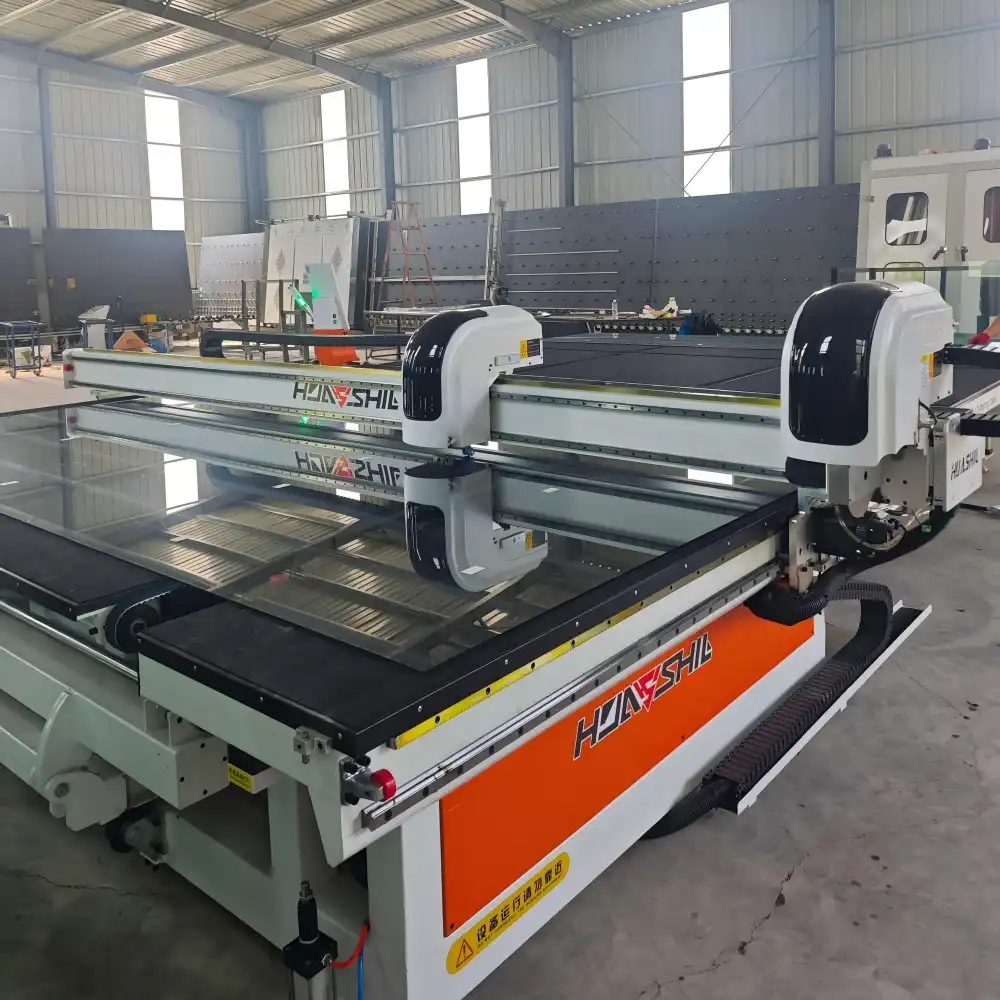
Scheduled lubrication of linear guides and ball screws stops the locking and stiction that lowers the accuracy of placement. The HSL-CNC3616 has automatic lubrication systems for important motion parts, which cuts down on the need for human care and keeps the machine running smoothly. Every week, operators should check the amount of oil and listen for strange sounds that could mean a bearing is wearing out.
Updates for software should get the same care as repairs for machines. Manufacturers release updates to the software that improve stacking algorithms, smooth out motion profiles, and fix problems that were found while the devices were being used in the field. Scheduling changes for planned breaks makes sure that equipment works with the most up-to-date optimisation tools.
Operator Training and Safety Systems
Comprehensive training programs lower the risk of accidents and make the best use of tools. Before they can operate on their own, new operators need to be taught how to do things like emergency stops, proper material loading, and navigating the software interface. Every six months, refresher classes go over best practices again and add new features as production needs change.
Machine guards and locking systems protect people physically, but they need to be properly maintained to work well. Light screen monitors should be checked every month to make sure they are working properly, and safety barriers should be checked once a month for damage. Bypassing or beating safety systems puts people at risk of liability that far outweighs any efficiency gains that might be seen.
Supervisors can spot problems before they get worse and cause tools to break down by using remote tracking. Vibration monitors find worn-out bearings, and thermal tracking finds problems with the cooling system that could hurt spindle motors. By taking action ahead of time based on state data, you can cut down on the number of emergency fixes that slow down production and raise maintenance costs.
Future Trends and Technological Innovations in Sintered Stone Cutting
New technologies promise even better ways to use materials and run businesses more efficiently. Fabricators who carefully adopt these new technologies will have an edge over their competitors.
AI-Driven Process Optimization
Cutting-edge artificial intelligence programs look at cutting data to find trends that human programmers might miss. Machine learning systems connect the properties of the material, the state of the blades, and environmental factors to the quality of the results. They then change the settings automatically to keep the best performance. These adjustable controls lower the amount of scrap that is made by finding small changes in the way materials behave that happen before quality issues occur.
Predictive analytics look at repair data from a group of equipment to see which parts are likely to break down before they do. Fixed-interval schedules are replaced with suggestions for when to replace bearings based on real wear patterns. This cuts down on needless downtime and stops breakdowns before they happen. This intelligence makes tools last longer and increases the efficiency of production.
IoT Integration and Connected Manufacturing
Connecting things to the Internet of Things turns separate tools into production systems that work together. Cutting machines, stocking systems, and order management platforms can all share data in real time, which lets the production schedule be flexible and adapt to changing goals. Tracking materials with RFID tags makes sure that the best slab is chosen for each job, which maximises return across the whole collection instead of just for one piece. Special shape sintered stone cutting machines benefit greatly from this connectivity, as their complex contouring operations require precise coordination with upstream slab selection and downstream edging or polishing equipment to maintain workflow continuity.
Cloud-based analytics collect performance data from many facilities, which lets business management compare processes and find ways to make them better. With remote tests, maker support teams can figure out what's wrong without having to go to the site. This cuts down on downtime and support costs. When systems are connected, they make operations more visible, which is needed for efforts to keep getting better.
Sustainable Manufacturing Practices
Environmental laws are having a bigger impact on the choices people make about what tools to buy. When cutting equipment is combined with water recycling systems, the amount of water used is cut by 80% compared to standard wet processes. Better dust gathering protects workers' health and collects materials that can be reused in lower-grade tasks, which increases the overall use of materials.
Servo motors that use less electricity and motion patterns that are optimised for efficiency cut down on power use without affecting performance. The HSL-CNC3616's smart power management adjusts the amount of energy used based on the cutting load. This gets rid of the need for older hydraulic systems to run at full power all the time. These improvements in efficiency cut down on running costs and help companies keep their environmental promises.
Conclusion
Improving how materials are used can help producers make money right away and put them in a better position to compete in the building and design markets, which are becoming more demanding. Automated cutting technology turns working with solid stone from a skill that requires a lot of handiwork into precise manufacturing. This cuts down on waste, speeds up production, and makes sure that quality is always the same. CNC control, smart software, and adaptable systems all work together to solve all of the problems that come up with standard cutting. Buying new equipment pays off in material savings, more efficient work, and more products that can be made, all of which lead to more money coming in. Safety rules and good maintenance habits protect these purchases and make sure they work well. New technologies offer more progress, which will benefit fabricators who keep their tools up to date and do a great job of running their businesses.
FAQ
1. What material thickness range can these machines process effectively?
CNC solid stone cutting machines today can cut through objects 3 mm to 12 mm thick without having to change the tools. The HSL-CNC3616 keeps the quality of the cuts the same across this whole range by automatically adjusting the pressure and controlling the blade speed. To keep the material from bending, thinner materials need less cutting force, while bigger slabs need more power with controlled feed rates to keep the edges from chipping. This makes it possible to switch between product lines quickly and easily, without having to change the setup by hand.
2. How does nesting software improve material yield compared to manual layout?
Optima stacking software looks at thousands of possible ways to arrange parts at the same time and finds the ones that waste the fewest materials between them. The system considers the direction of the material's grain, the minimum distance between edges, and the efficiency of the cutting path to get 15–25% higher yields than planning by hand. Real-time optimisation recalculates plans as production goals change, making sure that all job types make the best use of materials. Detailed data gives proof for quality certifications, and looking for ways to improve the process.
3. What training investment should fabricators expect for operators?
Full training for an operator usually takes between 40 and 60 hours and covers how to use the machine, write software, do repair, and follow safety rules. Compared to older systems, the 360-degree remote control and easy-to-use interface make it easier to learn. Most workers become productively independent within two weeks. They get better by working under supervision and getting more experience. Refresher training every six months keeps skills up to date and adds new features as software changes make it more useful.
Partner with HUASHIL for Advanced Sintered Stone Cutting Solutions
HUASHIL offers tried-and-true robotic technology backed by decades of experience making things and installing them all over the world. Our HSL-CNC3616 special shape sintered stone cutting machines use smart software and precise engineering to help you get the most out of your materials and make the most of your production time. As a maker that is ISO9001-certified, we offer full expert support, extra parts that are easy to find, and the ability to customise products for OEM uses. Get in touch with our team at salescathy@sdhuashil.com to talk about your unique production needs and find out how our solutions help architectural glass producers, furniture makers, and sintered stone processors across North America cut costs while improving quality.
References
1. Chen, W., & Martinez, R. (2023). Advanced Materials Processing: CNC Automation in Stone Fabrication. International Journal of Manufacturing Technology, 45(3), 287-304.
2. Thompson, J. (2022). Material Utilization Optimization in Architectural Stone Production. Stone World Industrial Report, 38(7), 112-128.
3. European Committee for Standardization. (2023). Sintered Stone Processing Equipment: Safety and Performance Standards. CEN Technical Report 156.
4. Anderson, K., & Liu, H. (2024). Economic Analysis of Automation Investment in Stone Fabrication. Manufacturing Economics Quarterly, 19(2), 67-89.
5. Institute of Stone Technology. (2023). Best Practices for CNC Stone Cutting Equipment Maintenance. IST Technical Bulletin 2023-04.
6. Williams, P. (2024). Emerging Technologies in Precision Stone Cutting: AI and IoT Integration. Advanced Manufacturing Review, 52(1), 34-51.