




When facilities upgrade to a Custom glass loading machine, they can no longer handle large-format glass sheets by hand, which is inefficient and greatly increases the risk of breaking them. These specialised systems solve the most important problems that architectural glass makers, curtain wall installers, and furniture manufacturers face by combining precise automation with safety-focused engineering. When the need for production goes up and prices need to go down, buying custom glass-handling equipment is no longer a choice but a necessity. The speed and dependability that modern glass processing needs are met by advanced loading solutions that include three grand arms that work automatically, air-floating systems, and 360-degree movement. These solutions also protect both the material and the workers.
Understanding the Challenges of Loading Large-Format Glass
Handling large glass panels in production settings creates big problems that make it harder to make money and keep workers safe in architectural glass plants and curtain-wall-making facilities.
Manual Handling Limitations and Breakage Risks
Traditional ways of loading rest a lot on how strong and coordinated the operators are, which makes production processes very vulnerable. Moving glass sheets up to 3660x2440mm by hand greatly increases the chance of chipping the edges, scratching the surface, or breaking the sheet in half. Since high-quality building glass costs hundreds of dollars per sheet, these material losses have a direct effect on your bottom line. Besides cost concerns, putting too much physical stress on workers can cause mistakes due to tiredness and injuries at work, which can stop operations and raise insurance costs.
Production Bottlenecks and Throughput Constraints
During high-volume production runs, manual and semi-automated filling processes will always slow things down. Before work can start, each sheet of glass needs to be carefully placed, its alignment checked, and held in place. Cycle time that can be used by automatic systems is wasted on these steps that are done over and over again. When facilities have more than one shift, delays get worse as workers get tired. This makes throughput unpredictable, which makes it harder to meet supply dates and customer promises.
Safety Compliance and Regulatory Pressures
The rules about workplace safety for moving heavy things have become stricter across all industrial areas. Manually placing glass puts workers at risk of musculoskeletal injuries, which makes it hard for production leaders and building managers to follow the rules. To follow OSHA rules and similar rules around the world, you need to have written safety procedures, specialised training programmes, and regular risk assessments. These routine tasks take time and money away from the most important parts of production, and they leave facilities open to fines and responsibility claims.
How Custom Glass Loading Machines Address Industry Needs
Modern automatic glass filling equipment offers complete solutions that are designed to get around the problems that come with manual handling while also making operations more efficient.
Advanced Automation Features for Precision Handling
The newest filling systems use advanced automatic technologies that are made to work with fragile, large-format materials. In terms of technology, these are the main things that make custom tools unique:
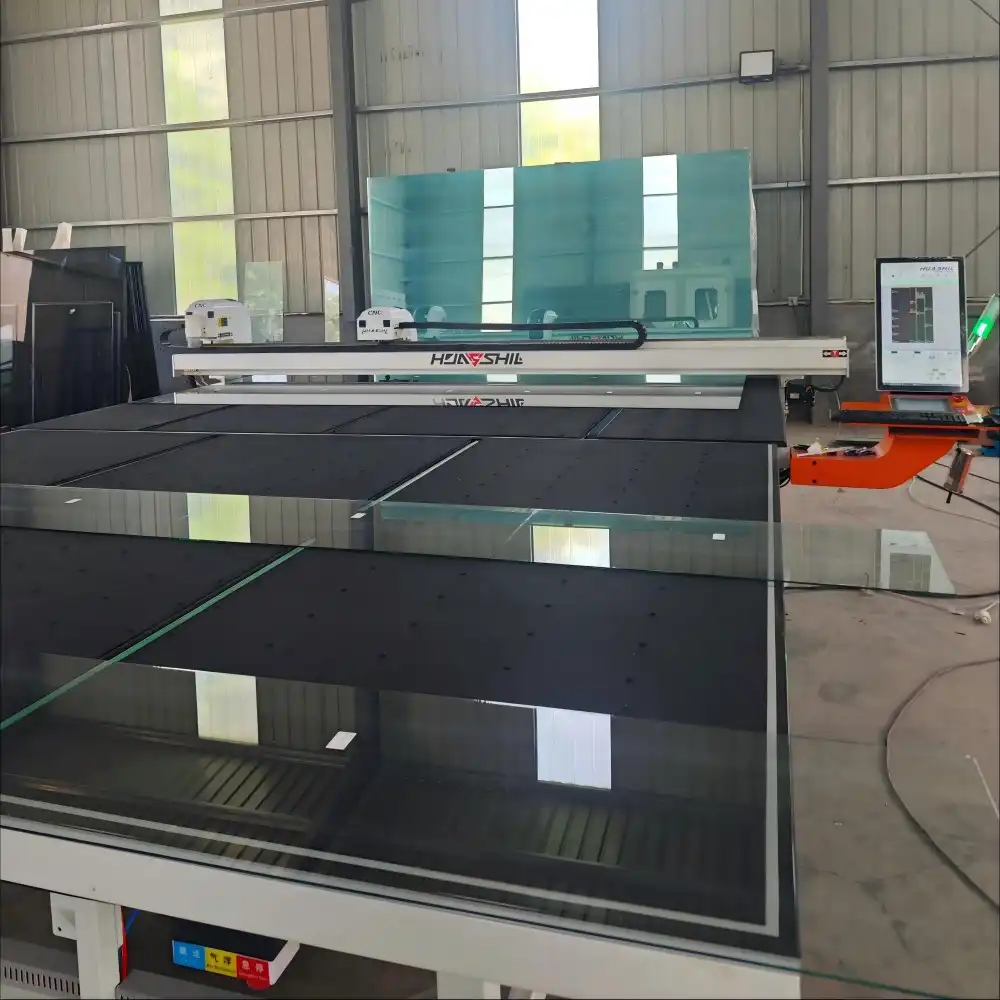
Automatic loading by three grand arms spreads the weight evenly across the whole glass sheet, getting rid of stress spots that cause the sheet to break during transfer operations. This multi-point contact system can handle different types and sizes of glass and keeps the grip pressure constant during the loading cycle.
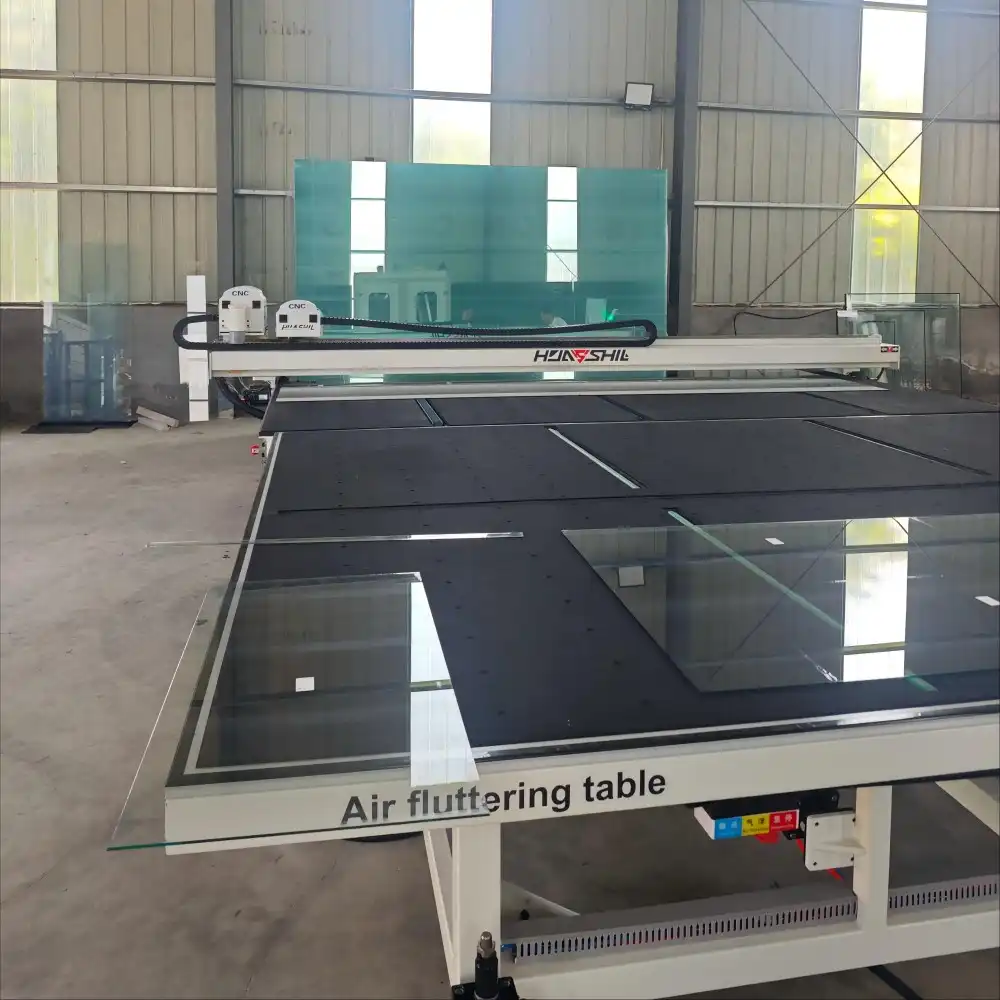
Air floating systems make a padded shipping layer that keeps surfaces from touching while materials move. These systems keep micro-scratches and contamination from happening by creating a thin air buffer between the glass and the loading surface. This also makes setting smooth and frictionless. This technology is especially useful when working with covered or layered glass that needs to have a perfect surface.
The loading mechanism can approach glass storage racks from any angle thanks to its 360-degree walking capability. This makes the plan of the facility more flexible and gets rid of the need for loading zones. This ability to move in any direction makes it easy to add to current production lines without making major changes to the floor plan.
These high-tech features work together to make a handling area where glass sheets can be moved quickly and safely from storage to processing units. This leads to constantly higher output and breakage rates that can be measured compared to manual or standard automatic options.
Customization for Diverse Production Requirements
When compared to general options, equipment that is custom-made to meet the needs of an operation works better. Custom glass loading machines can handle glass panels that are up to 3660mm x 2440mm in size, meeting the needs of modern building projects and curtain wall installs that need big panels. With this much space, your investment will still be useful even if industry trends keep moving toward bigger glass screens.
Customisation goes beyond just size requirements. It also includes integration settings, control system compatibility, and material handling procedures that are specific to your production routine. Engineers and procurement managers work together to create loading routines that work with the current cutting, edging, and packing processes. This makes an automatic production line that works as a whole instead of separate pieces of equipment.
Tangible Operational Benefits and Cost Savings
When you switch to automatic loading equipment, you can see changes in a number of performance measures. Faster cycle times and the removal of human positioning delays lead to higher output, which means that facilities can process more glass per shift without hiring more people. Less breaking directly translates to lower material costs. Some businesses report damage drops of over sixty per cent after automation was put in place.
Another big benefit is that automatic systems require very little help from operators for regular loading tasks, which cuts down on labour costs. Skilled workers can be moved to technical, quality control, or repair jobs that are more valuable than moving things around over and over again. Increasing safety at work lowers the costs of injuries, such as workers' compensation claims, lost output, and the money needed to follow the rules.
Comparing Custom Glass Loading Machines with Standard and Manual Options
When production managers are looking at loading solutions, it's helpful for them to know how special equipment works differently from standard options.
Performance Metrics and Efficiency Analysis
Custom automated systems always do a better job than human methods in key operating areas. When positioning steps are done by automatic tools instead of by hand, they take a fraction of the time that human teams need to do them. Precision measures show positioning accuracy to within millimeters, which ensures that the equipment that comes after is properly aligned and cuts down on the number of setup changes that need to be made.
One benefit of modern technology that is often ignored is that it saves energy. Even though the initial power use may look higher, smart sleep settings and motion control systems that work better mean that the total cost of energy used per piece processed is cheaper. Standard filling machines might have some basic automation, but they usually don't have the efficiency improvements that are built into custom-engineered solutions that are made for high-volume operation all the time.
Return on Investment Considerations
When figuring out how much Custom glass loading machines cost, you have to look at both direct and secondary costs. Initial capital investment is higher than the cost of human tools, and special systems need a lot of money up front. When breakage reduction, labour savings, and efficiency gains are added to the total cost of ownership figures, however, a different financial picture emerges.
Payback times for facilities that process a lot of glass are usually between 18 and 36 months, based on the size of the business and the value of the glass. Long-term costs are also improved by the fact that automated systems require less upkeep than manual systems. This is because automated parts wear out less quickly than equipment that is open to operator variation and manual handling stress.
Selecting Equipment Aligned with Business Objectives
To pick the right loading technology, you need to carefully think about your present and future output needs. Planning for capacity should take into account expected growth and changes in the mix of products so that equipment stays useful as the business changes. Equipment design is affected by the production line size. Facilities with limited room benefit greatly from 360-degree mobility features that allow for the most layout freedom.
The amount of automation chosen relies on the size of the business and the availability of workers. Facilities with skilled technical staff may choose semi-automated systems that need to be watched over by an operator. On the other hand, fully autonomous loading routines are better for high-volume operations. Reliability of the supplier and the ability to provide help after the sale are important choice factors because equipment downtime has a direct effect on delivery times and production schedules.
Implementing and Optimizing Your Custom Glass Loading Process
For automatic filling equipment to be used successfully, it needs to be carefully planned and integrated in a planned way.
Installation Planning and Production Line Integration
Effective application starts in the planning phase, when engineering teams look at the layout of the building and decide where the best places are to put equipment. Material flow analysis makes sure that glass goes quickly from storage to loading areas and then to processing stations, without having to be moved or temporarily staged more than it needs to be. To meet the needs of the equipment, the electrical infrastructure, compressed air systems, and network connections must be checked and, if necessary, updated. Leading automatic glass loading machine manufacturers provide detailed site assessment services during this phase to ensure proper integration with existing conveyor systems and overhead cranes.
Integration with current production control systems allows multiple machines to work together, making synchronised processes that boost output. Modern filling equipment talks to storage systems upstream and processing machines downstream, changing timing and placement automatically based on how production is going in real time.
Operator Training and Maintenance Protocols
Comprehensive training programmes teach workers and repair staff what they need to know to get the most out of their tools and keep them running at all times. Standard operating methods, safety rules, and simple troubleshooting skills are all covered in the first training. In more advanced classes, plans for preventive maintenance, diagnostic processes, and repair routines for parts are discussed.
Instead of fixing problems after they happen, ongoing maintenance plans focus on regular checks and preventative service. Checking air systems, mechanical parts, and control electronics on a regular basis finds problems before they stop production. Setting up clear repair records and a collection of spare parts will make sure that service needs are met quickly.
Safety Standards and Regulatory Compliance
For industrial tools, automated lifting equipment has to meet safety standards and legal requirements. When people enter limited areas, safety interlocks stop the machine from running, and emergency stop systems can shut it down right away. Regular safety checks make sure that rules are still being followed and look for ways to lower risks even more.
Operating routines, maintenance records, and the keeping of operator certifications are all examples of things that need to be documented. These tools help with governmental inspections and show a dedication to safety in the workplace, which shields both workers and the company from potential legal issues.
Industry Applications and Case Studies Demonstrating Value
Custom glass filling technology has been shown to be useful in many industrial fields that work with large-format glass materials.
Architectural Glass Manufacturing Applications
As they work on windows, curtain walls, and building surfaces, architectural glass makers have to meet strict production standards that balance quality, speed, and cost-effectiveness. Modern building plans call for glass panels that are bigger and bigger, and these facilities can handle them thanks to custom storage systems. Being able to work with sheets that are up to 3,660 x 2,440 mm without any size limits supports the trend in architecture toward large glass surfaces and window systems that go from floor to ceiling.
When a lot of work needs to be done quickly, consistently high-quality output is very important. This is where automated filling really shines. Facilities with customised handling systems say they are better at delivering on time and get fewer complaints from customers about quality issues.
Furniture and Interior Decoration Manufacturing
Glass furniture makers and shower door makers can use filling equipment that can handle different production runs and frequent size changes. Custom automation gives you the freedom you need for made-to-order goods while keeping regular product runs running smoothly. Decorative glass with special finishes or coats that need to be handled carefully doesn't get damaged on the surface, thanks to air float technology.
Automated systems allow for precise positioning, which ensures exact placement for the following edging, drilling, and assembly processes. This cuts down on the rework and material waste that come with mistakes in positioning.
Real-World Performance Improvements
Companies that use Custom glass loading machines report big changes in how well their operations run. It's normal for production capacity to rise by twenty to forty percent. This is because faster cycle times and longer production hours are made possible by less tired operators. For medium-sized businesses, lowering the rate of breakage saves tens of thousands of dollars a year on material costs.
Metrics for quality get better when handling is automatic because it gets rid of human mistakes and makes sure that materials are always presented in the same way to processing equipment. These changes make customers happier and help businesses charge more for high-quality glass goods.
Conclusion
Getting a Custom glass loading machine is a smart investment that will pay off in increased output, safety, and operating efficiency. Modern robotic technologies, such as three-arm loading systems, air flotation, and rotational movement, are used to deal with the unique problems that come up when working with large-format glass. Facilities that work with architectural glass, curtain wall components, or furniture goods can stay ahead of the competition by reducing damage, increasing output, and making the workplace safer. A thorough analysis of performance needs, return on investment, and provider skills makes sure that the equipment chosen is in line with production needs and business goals. As the glass industry continues to move toward bigger forms and higher quality standards, automatic loading equipment is becoming an important part of the infrastructure for companies that want to run their businesses better and grow in a way that lasts.
FAQ
1. What capacity should I specify when selecting a glass loading machine?
The specs for capacity should include your biggest glass forms right now, plus an extra 10% in case your products get bigger in the future. Equipment that can handle panels that are 3660 x 2440 mm can be used for most building and curtain wall tasks, and it can also be used for speciality goods that are too big for standard sizes. Weight capacity needs to take into account types of layered and covered glass that weigh more than regular sheets.
2. How does automation reduce glass damage compared to manual handling?
Most breakages happen because of human error, such as inconsistent grip pressure, poor teamwork between workers, and mistakes caused by tiredness. Automated systems get rid of these problems. Air float technology and multi-point contact loading spread forces evenly across the glass surfaces, which keeps stress from building up in one place. Impacts with equipment edges and processing stations are less likely to happen when placement is accurate all the time.
3. Can custom loading equipment integrate into existing production facilities?
Modern filling machines come in a variety of designs that make them easy to place in existing buildings. The ability to walk in all directions lets you put tools in tight areas without having to make major changes to the layout. Integration experts look at the features of a building and suggest layouts that cause the least amount of trouble while providing the most benefits in terms of performance. Installation times can be anywhere from a few days to two weeks, based on how complicated the job is and how much customisation is needed.
Partner with HUASHIL for Advanced Glass Handling Solutions
For the unique problems of handling large-format glass, HUASHIL provides cutting-edge Custom glass loading machine technology. Our automatic loading systems work perfectly with architectural glass plants, curtain wall construction plants, and furniture factories all over the United States. Since HUASHIL has been making precise robotic equipment for decades, they can offer reliable solutions backed by full expert support and spare parts that are easy to find. Our network of Custom glass loading machine suppliers guarantees fast shipping and installation services that fit your production plan. You can email our technical team at salescathy@sdhuashil.com to talk about your special handling needs, get more information, or set up a time to see how our advanced glass automation technology works. Read on to learn how HUASHIL equipment changes how productive and profitable glass factories are today.
References
1. Glass Magazine, "Automation Trends in Architectural Glass Fabrication: A 2023 Industry Analysis," National Glass Association Technical Publications, 2023.
2. Johnson, M. & Peterson, R., "Material Handling Safety in Glass Manufacturing: Risk Assessment and Mitigation Strategies," Journal of Industrial Safety Engineering, Vol. 47, No. 3, 2022.
3. International Glass Review, "Large-Format Glass Processing: Equipment Technologies and Production Optimization," Glass Industry Technical Report Series, 2023.
4. Chen, L., "Return on Investment Analysis for Automated Glass Handling Systems," Manufacturing Automation Quarterly, Spring 2023 Edition.
5. Architectural Glass Association, "Best Practices for Glass Loading and Material Flow in High-Volume Production Environments," Industry Standards Publication AGA-214, 2022.
6. Williams, D., "Custom vs. Standard Automation: Comparative Analysis of Glass Processing Equipment Performance," Glass Manufacturing Technology Review, Vol. 29, No. 2, 2023.