




Choosing the right china glass edger machine supplier shapes your production quality, operational costs, and long-term equipment reliability. Whether you manage an architectural glass fabrication plant, a curtain wall system integrator, or a furniture glass workshop, the supplier you select directly affects your output consistency and competitive edge. This guide walks you through every stage of the procurement process — from defining your needs to finalizing contracts — so you can source with confidence and reduce costly mistakes.
Understanding Your Procurement Needs and Decision Scenarios
Making sure you know exactly what you need before you talk to any suppliers saves you a lot of time and money.
Define Your Production Scale and Machine Type
Whether you need a semi-automatic or fully automatic glass edging machine depends on how much you make. A small company for decorative glass might work on a few hundred square meters of glass every week, but a big plant for building glass might work on tens of thousands. By matching machine capacity to real demand, you can avoid both costly under-investment and over-specification.
Identify Precision and Customization Requirements
Tolerances need to be different for each purpose. Automotive and curtain wall glass need to be more accurate in terms of size than regular furniture glass. If your line makes sintered stone or artificial stone as well as glass, you need a machine that can work with a range of hardnesses. At this point, customization options, like grinding wheel configurations that can be changed, are very important.
Budgeting is also important here. To get a good idea of the total cost of ownership, you should not just look at the invoice price, but also the price of the machine, its installation, training for the user, extra parts, and yearly upkeep.
Evaluating China Glass Edger Machine Suppliers: Core Criteria and Screening Process
Because there are so many makers of a china glass edger machine on B2B platforms, it's important to use a structured method to tell the difference between trustworthy suppliers and middlemen.
Verify Manufacturer Status and Certifications
Always make sure you're working with a trade business and not a direct manufacturer. Direct manufacturers make prices clearer, provide faster technical support, and make customizations more reliable. Ask for proof of ISO and CE certification and check it with the organizations that gave the certification. International safety and quality management standards must be met by all industrial equipment, and verified certifications show that they have been met.
Assess Technical Capability and After-Sales Infrastructure
A good provider gives you all the scientific information you need, like the ratings for the spindle motor, the different types of grinding wheels, and the tolerances that must be met. Pay close attention to the structure of what happens after the sale, such as the availability of spare parts, the time it takes to solve technical problems, and whether remote diagnostics or on-site service teams are available. Industry procurement studies show that after-sales support is one of the top three reasons why people in the glass processing sector buy capital equipment again.
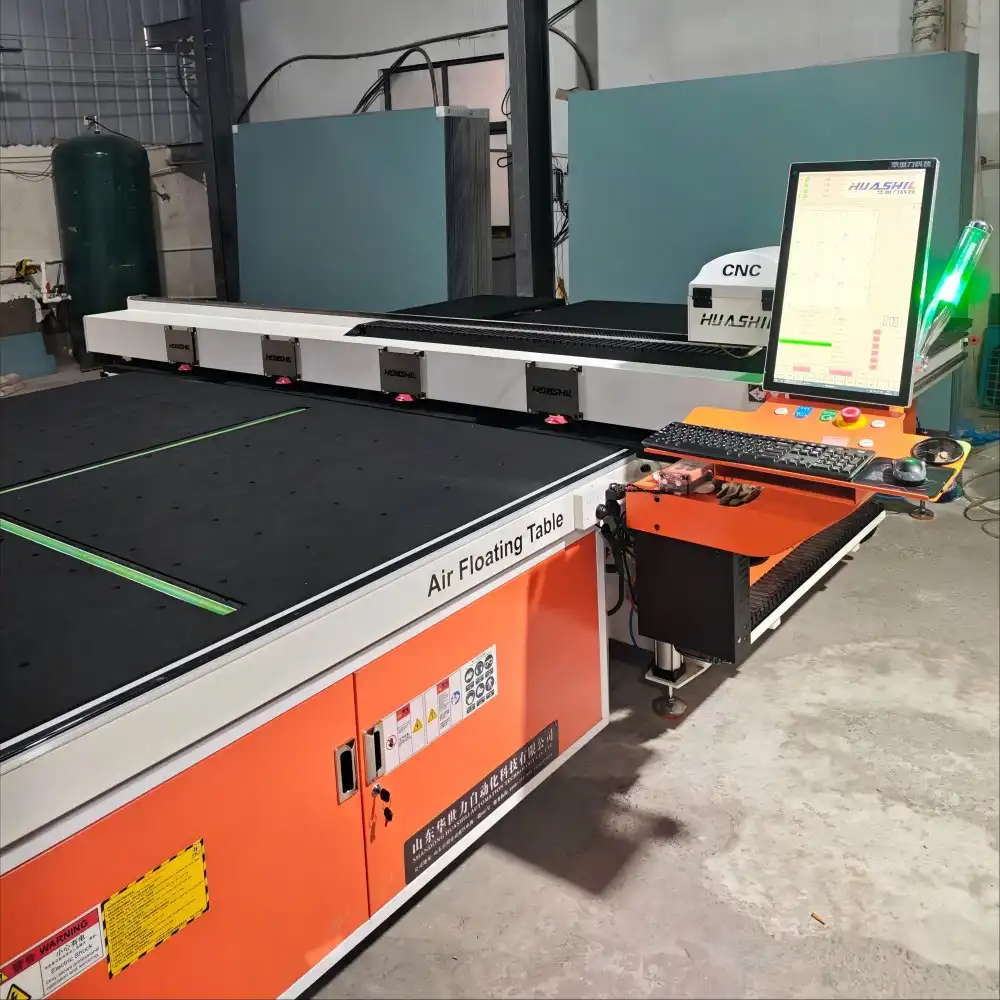
Before making a decision, here are the main evaluation factors that should be checked:
- Factory audit or virtual tour: Confirms actual manufacturing capacity and production environment quality.
- R&D investment signals: Suppliers with dedicated engineering teams are better positioned to support customized production lines.
- Lead time guarantees: Standard single-machine delivery typically ranges from 30 to 60 days; full-line projects may require 90 to 150 days.
- Spare parts logistics: Critical components should be available within two weeks to prevent costly downtime.
These factors help you clearly sort suppliers and lower the risk of working with vendors who aren't strong enough.
Comparing China Glass Edger Machines Against Global Alternatives
Over the past ten years, Chinese glass cutting equipment has caught up with European equipment in terms of technology. A report from a Glasstech Asia exhibitor says that high-end Chinese makers now use servo motor control systems, PLC automation, and precise grinding assemblies that meet European performance standards but cost 40–60% less to build.
When it comes to brand heritage and some ultra-precision segments, European machines are still the best. But Chinese tools are a great deal when it comes to building glass, making shower doors, and processing curtain walls, which are the three main types of work that most U.S. buyers do. When moving from old European tools to well-engineered Chinese alternatives, procurement teams often say they get their money back in 18 to 30 months.
Geography isn't what makes one company different from another; engineering quality and supplier accountability are. Chinese makers that compete on technical ability, not just price, are found through a strict screening process.
Common Challenges and How to Overcome Them When Dealing with China Suppliers
When buying industrial tools from other countries, procurement teams often run into expected problems. Taking care of them ahead of time will protect your investment.
Protect Against Quality Inconsistency
Ask for proof of the factory acceptance test (FAT) and demand that a third party check a china glass edger machine before it is shipped. Video footage of the machine working while it's loaded gives extra assurance before shipping. You can get out of the deal if the FAT acceptance standards are not met upon delivery if they are written into the purchase agreement.
Establish Clear Warranty and Contract Terms
A well-written contract should spell out the length of the warranty (usually 12 months for mechanical parts), how quickly technical support will respond, and how much spare parts will cost. When buying capital equipment across borders, one of the most common reasons for disputes after the sale is unclear warranty language. Make sure the contracts are written in English and have clear responsibility terms.
The way you pay is also important. A deposit plus final payment before shipment is normal for single machines. For full production lines, payments based on milestones that are tied to plant inspection approvals protect money better.
Practical Steps to Finalize Your China Glass Edger Machine Supplier
A structured closing process speeds up the decision-making process without sacrificing due diligence once you have narrowed the list of providers to two or three.
Make a detailed technical RFQ that lists the range of glass thicknesses you need, the smallest and largest panel sizes you can accept, your daily production goals, and any customization needs you have. A strong RFQ gets rid of suppliers who can't meet your needs and speeds up the conversation with those who can.
When negotiating, make sure that these parts of your business proposal are included first:
- Installation and commissioning support: On-site or remote guidance during machine startup.
- Operator training: At least two to three days of hands-on training, documentation, or a live session.
- Warranty terms in writing: Clearly defined scope, duration, and exclusions.
- Spare parts package: A starter kit of consumable components included with delivery.
After buying something, keep a log of scheduled maintenance and get in touch with the supplier directly to set up a technical contact. Long-term partnerships with responsive manufacturers cut down on unplanned downtime and make it easier to add more capacity in the future.
Conclusion
Finding a trustworthy china glass edger machine provider is not a one-time deal, but a planned process. Clearly state what you need for production, check suppliers against measurable technical and business standards, and safeguard your investment with clear contract terms. Chinese companies that do real research and development and have clear after-sales services are very valuable for architectural glass plants, curtain wall integrators, furniture makers, and stone working businesses. The right supplier is more than just a place to buy equipment; they become a long-term production partner.
FAQ
1. What grinding wheel configuration should I look for in a glass double edger machine?
There are usually eight grinding wheels on one side of a high-performance glass double edger machine. There are two top chamfers, two lower chamfers, and four flat grinding wheels. This setup finishes the edges completely in a single pass, which speeds up work and cuts down on rework. Before you buy, make sure the wheel layout meets your edge profile needs.
2. What size range should a quality glass edging machine accommodate?
A well-built machine should be able to open and close doors that are at least 0.35 meters wide and no more than 2.5 meters wide. Servo motors control both the speed of the conveying and the opening and closing movement. This makes sure that the accuracy is the same for all panel sizes. Compare these measurements to the sizes of your largest and smallest glass panels.
3. How do I confirm a supplier is a direct manufacturer?
Ask for a business license, pictures of the factory, and a live or recorded video tour of the plant. Check that the company is listed in the official Chinese business records. Trading companies usually can't easily copy the detailed CAD models and engineering paperwork that direct makers give out.
4. Can Chinese glass edger machines be customized?
Reputable makers offer full customization of grinding setups, conveyor widths, control systems, and machine measurements to fit specific production line plans. Before you place a full order, make sure you know how long it takes to customize and approve a sample.
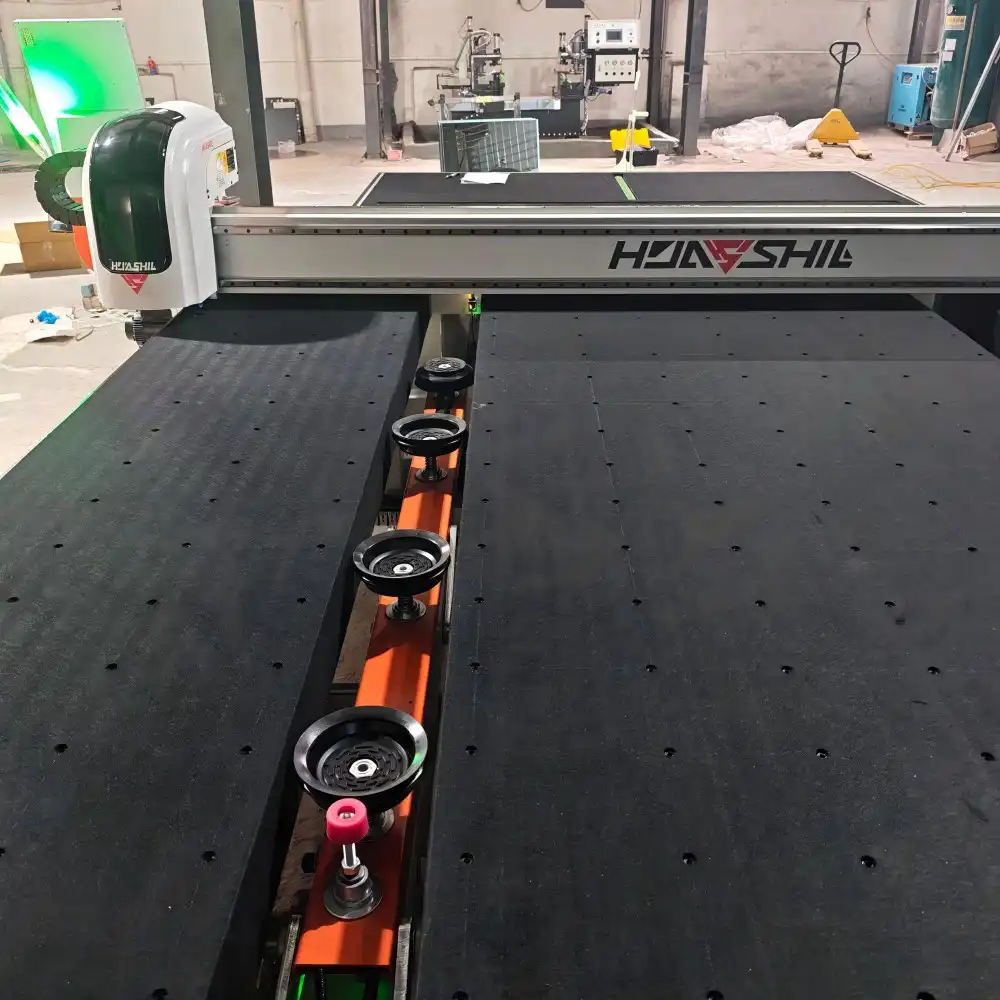
Partner with HUASHIL for Verified China Glass Edger Machine Solutions
Shandong Huashil Automation Technology Co., Ltd., also known as HUASHIL, is a high-tech company that makes automated equipment for processing glass and stone. They have years of proven experience exporting their products to markets around the world. HUASHIL is a reliable Chinese company that makes a china glass edger machine. They sell servo-driven double edger machines that can be fully customized and have quality that is CE-certified. They also offer quick after-sales service after the sale. To get your detailed estimate right away, email our team at salescathy@sdhuashil.com.
References
1. Glass Processing Technology and Equipment Standards — Glass Industry Journal, 2022
2. Global Glass Machinery Market: Trends and Procurement Insights — IMachinery Industry Report, 2023
3. B2B Capital Equipment Sourcing: Risk Management in Cross-Border Procurement — Supply Chain Management Review, 2021
4. Glasstech Asia Exhibition Industry Survey: Buyer Priorities in Glass Processing Equipment — Reed Exhibitions, 2023
5. ISO 9001 Quality Management Systems in Chinese Manufacturing: An Assessment — International Organization for Standardization Publication, 2022
6. Automation in Flat Glass Processing: Engineering Benchmarks and Production Efficiency Data — Glass Worldwide Magazine, 2023