




Choosing the right semi automatic glass loading machine starts with understanding your production volume, glass size range, and how much operator involvement your workflow allows. This type of equipment bridges the gap between slow manual handling and high-cost full automation. It combines mechanized support with direct operator control, making it a practical choice for architectural glass plants, furniture manufacturers, and curtain wall fabricators. Key selection criteria include maximum glass dimensions, loading mechanism design, software compatibility, and after-sales support from the manufacturer.
Understanding Semi-Automatic Glass Loading Machines
What This Equipment Actually Does
Moving glass sheets from a storage rack to a cutting or processing table with less effort is what a semi-automatic glass loading machine is made to do. The process is led by the user, while the machine does the lifting and placing. This lowers the chance of breaking, keeps operators from getting tired, and speeds up cycle times compared to handling things by hand alone.
Core Mechanical Features to Know
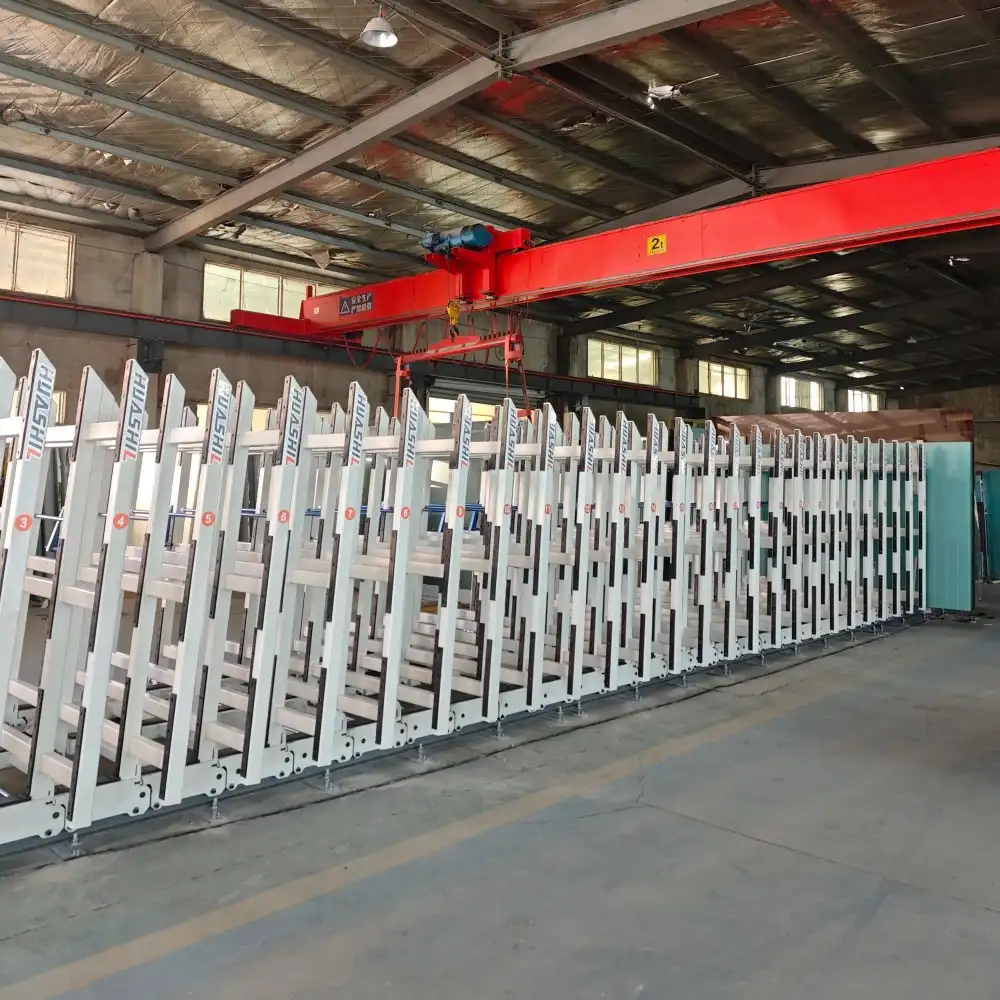
The HUASHIL semi-automatic glass loader has a flip-type cutting table that needs to be loaded by hand. It is held up by three ejector rods that hold and release glass sheets accurately and consistently. The floor-moving machine comes without a remote control, but walking wheels that can be pushed by hand can be added to make it easier to move around. These design choices make the machine easy to get to without lowering the structural strength.
Capacity and Glass Size Specifications
This machine can handle glass that is up to 3660mm x 2440mm, which is the usual size for architectural and furniture panels on U.S. production lines. The Optima optimization software that comes with the machine automatically figures out the best cutting layouts, which cuts down on material waste. When operators use this mix of physical ability and software intelligence, they get a measured boost in daily output.
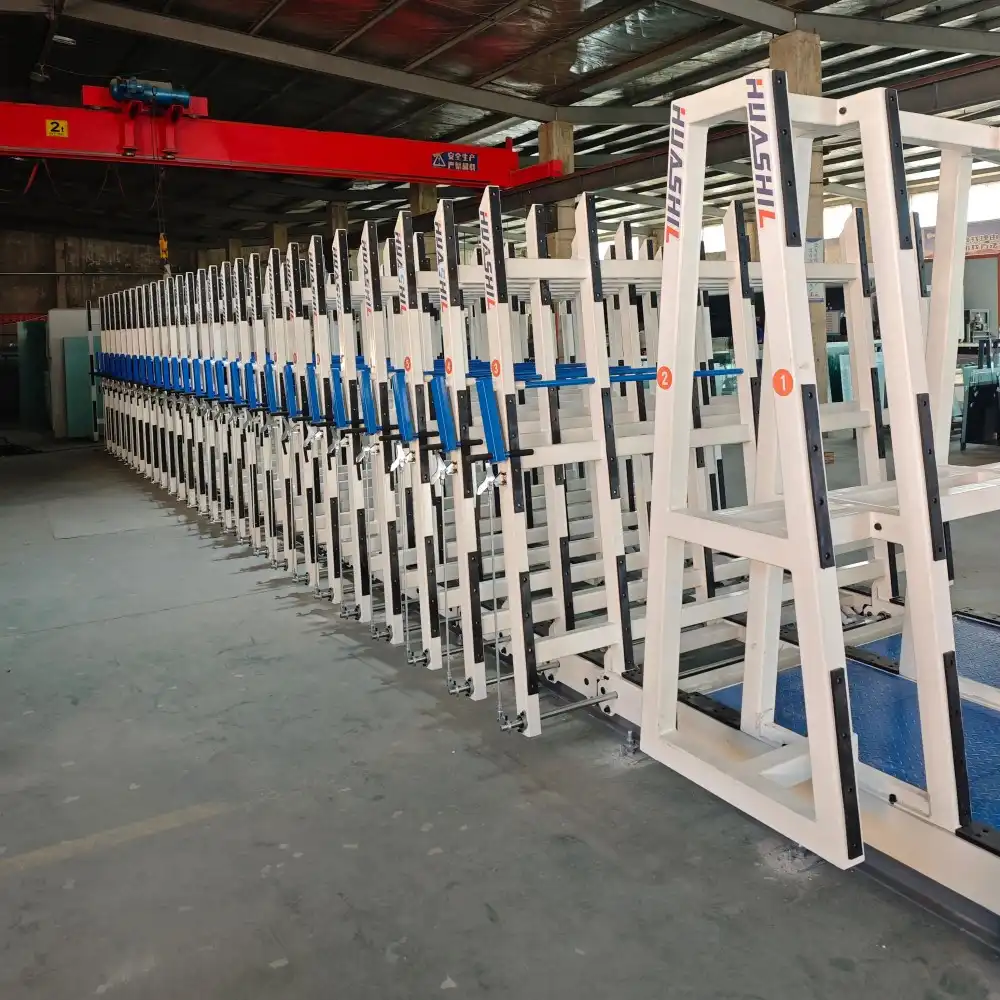
Key Factors to Consider When Choosing a Semi-Automatic Glass Loading Machine
Production Throughput and Workflow Fit
Make a plan of your daily production goals and shift structure before you buy any glass loading equipment. Most architectural and shower door production lines can use a semi automatic glass loading machine that can handle panels up to 3660x2440mm. Think about whether your team needs to handle things in batches or continuously. This will affect both the mechanical design and the level of automation you need.
Software, Safety, and Energy Use
Here are the most important success factors you should look at when making your choice:
- Optimization software: The Optima software integrated into HUASHIL's loader calculates cutting patterns automatically, reducing offcut waste and improving yield per sheet.
- Safety features: Built-in sensors and emergency stop functions protect both the glass and the operator during every loading cycle.
- Energy consumption: Semi-automatic systems draw less power than fully automated lines, making them cost-effective for plants running multiple shifts.
Most of the time, glass fabricators have to deal with waste, downtime, and operator safety. These features directly address these issues.
Supplier Reliability and After-Sales Support
The ability of the provider to provide replacement parts, remote diagnostics, and on-site expert help is a big part of how reliable the equipment is over a 5–10 year lifecycle. Shandong Huashil Automation Technology Co., Ltd. has been making and exporting goods for many years and has installations in many places. Before entering a contract with a provider, make sure you get written information about their service response times, wait times for extra parts, and guarantee coverage terms.
Semi-Automatic vs. Fully Automatic and Manual Loading Machines: Making the Right Choice
Manual Loading: Low Entry Cost, High Labor Demand
Handling glass by hand doesn't require any special tools or cash investments; it just depends on the skills and physical abilities of the person. Manual methods may be enough for plants that produce less than 50 sheets per shift. But the rate of breakage goes up with the size of the glass, and the cost of work quickly rises as the number goes up.
Fully Automatic Loading: High Output, High Investment
Fully automatic loaders can handle glass without any help from an operator. They are designed to make a lot of sheets, more than a few hundred per shift. To make up for it, the price is much higher, installation takes longer, and upkeep is more difficult. These methods work well for big building glass plants that get steady orders for a lot of glass.
Where Semi-Automatic Loading Wins
Semi-automatic glass loading tools offer the best mix for mid-volume operations—typically between 50 and 200 sheets per shift. They take up less floor space, cost less than full automation, and give operators direct control over edge cases like glass shapes that aren't round. This level of flexibility at a price that is easy to handle is the best choice for companies that make furniture glass, shower doors, and curtain wall systems and build custom project lines.
Maintenance, Safety, and Troubleshooting Tips
Preventive Maintenance Schedule
Preventive maintenance that is done regularly makes machines last longer and keeps production going. Here is a useful plan to follow:
- Daily: Check ejector rod alignment and clean contact surfaces to prevent glass slippage.
- Weekly: Inspect electrical connections, test the emergency stop function, and verify sensor calibration.
- Monthly: Lubricate all moving joints, check the walking wheel mechanism if installed, and review software error logs from the Optima system.
By sticking to this schedule, the semi automatic glass loading machine will stay within its rated performance range and won't have to be shut down unexpectedly during times of high production demand.
Safety Protocols and Operator Standards
HUASHIL's glass loader meets normal safety standards for industrial equipment by having an emergency stop button and sensor-based load recognition. Before they use the tools, operators should get official training, and there should be clear safety zones on the production floor. During active cycles, everyone working near the machine should wear the right PPE, such as gloves that won't cut and safety shoes.
Troubleshooting Common Issues
Most of the time, ejector rods don't stretch evenly because there is something stuck in the rod guides or the glass sheet on the table isn't lined up right. Most of the time, clearing the guides and moving the glass around fixes the problem in less than five minutes. If the Optima software makes mistakes with the plan, restarting it and entering the glass sheet dimensions again typically fixes the problem. For help with diagnosing problems that won't go away, call the HUASHIL technical support team directly.
How to Purchase: Procurement Strategies for Semi-Automatic Glass Loading Machines
Comparing Quotes and Total Cost of Ownership
Price is only one part of the bigger picture when it comes to money. Total cost of ownership over at least three years should be taken into account when comparing quotes from different glass loading machine suppliers. This includes the cost of installation, training, extra parts, and an estimate of the cost of downtime based on the supplier's service response time. A lower price up front that doesn't come with good customer service will usually cost you more in the long run.
Payment Terms and Shipping for International Orders
When people in the U.S. buy from Chinese companies, they usually have to pay with a Letter of Credit (L/C) or a deposit when the order is confirmed and the rest of the money before the goods are shipped. Before signing anything, make sure you understand the Incoterms, insurance coverage, and delivery lead times. HUASHIL ships abroad and has a history of exporting goods. The team can help buyers who are new to buying capital equipment overseas with all the details.
Leasing vs. Buying
For companies with stable long-term demand and a steady production plan, buying outright is the best way to save money. Leasing is a good option for businesses that need tools for a set amount of time or want to keep their working capital safe. In either case, make sure the seller can give your finance department paperwork with information about the equipment, the guarantee, and when it will need to be maintained.
Conclusion
Choosing the right semi automatic glass loading machine filling tools can have long-lasting effects on how much you make, how much it costs to hire workers, and the quality of your products. A semi-automatic glass loading machine is a good compromise because it lowers the risk of physical damage, works with bigger glass formats (up to 3660x2440mm), and includes software tools like Optima to boost yield. Before making a decision, carefully consider your production volume, the reliability of the supplier, and the total cost of ownership. The research and sales team at HUASHIL can help you find the right machine for your production needs.
FAQ
1. How long does a semi-automatic glass loading machine typically last?
With proper maintenance, a well-built glass loader has a working life of 8–12 years. HUASHIL's machines use durable structural components rated for continuous production use, and spare parts remain available throughout the equipment's lifecycle.
2. Can the machine handle different glass thicknesses?
Yes. The three-ejector-rod loading system on HUASHIL's semi-automatic loader accommodates a range of glass thicknesses used in architectural, furniture, and decorative glass production. Operators can adjust positioning parameters to fit different panel weights and thicknesses.
3. Is the Optima software difficult to learn?
Optima is a well-established glass cutting optimization program used by fabricators internationally. Most operators reach functional proficiency within one to two days of hands-on training. HUASHIL provides setup support and operational guidance as part of the standard delivery package.
4. Does the machine comply with U.S. safety standards?
The machine includes standard safety features, including emergency stops and load sensors. Buyers should confirm specific compliance documentation with HUASHIL's technical team based on their facility's local requirements.
5. What is the maximum glass size this machine handles?
The maximum glass panel size is 3660×2440mm, which covers the majority of standard architectural and furniture glass formats used in U.S. production environments.
Request a Quote from HUASHIL — Trusted Semi-Automatic Glass Loading Machine Manufacturer
For years, production teams in many countries have trusted HUASHIL to make the tools they need to work with glass. Our semi automatic glass loading machine for sale has three-rod loading accuracy, the Optima software, and a flip-type table design. It was made for real production lines. Our team can help you get a detailed quote, product specs, or set up a live demonstration. To find out more, email salescathy@sdhuashil.com.
References
1. Glass International – Annual Review of Glass Processing Technology, 2023.
2. USGlass Magazine – Buyers Guide to Glass Fabrication Equipment, 2022.
3. Glass on Web – Technical Overview of Glass Cutting Optimization Software, 2021.
4. Machinery's Handbook (31st Edition) – Industrial Equipment Selection and Maintenance Standards, 2020.
5. International Journal of Advanced Manufacturing Technology – Automation Levels in Flat Glass Processing Lines, 2022.
6. Occupational Safety and Health Administration (OSHA) – Machine Guarding and Industrial Safety Standards for Manufacturing Equipment, 2023.