




Choosing the right float glass double machinery directly affects your production output, labor costs, and long-term profitability. Whether you run an architectural glass fabrication plant, a curtain wall system company, or a furniture glass workshop, this guide walks you through every key factor—from technical specs and supplier validation to financing and maintenance. By the end, you will have a clear picture of what separates a smart purchase from a costly mistake.
Understanding Float Glass Double Machinery – A Comprehensive Overview
Float glass double machinery is a piece of glass processing equipment that can cut, edge, or break two sides of a glass sheet at the same time. Single-side machines work on one edge at a time and need to be repositioned by hand between passes. This design is very different from those.
Core Components and Their Functions
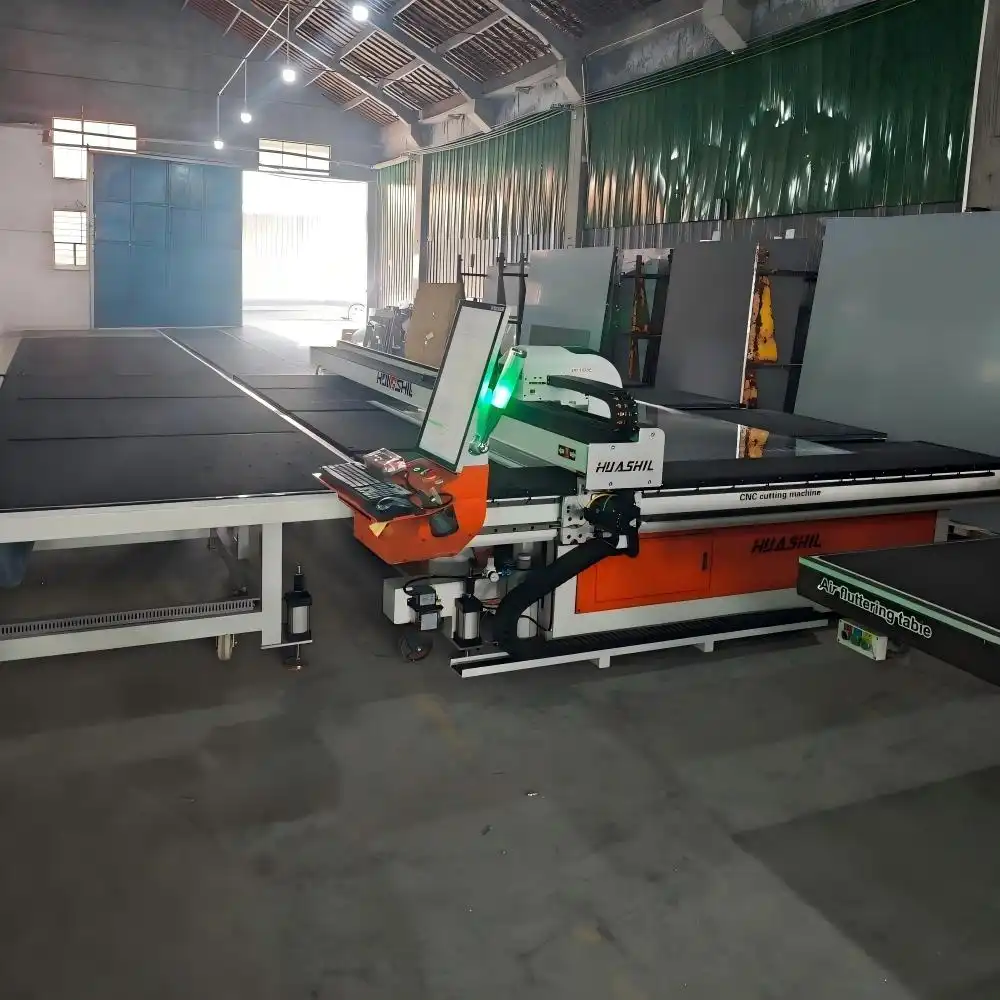
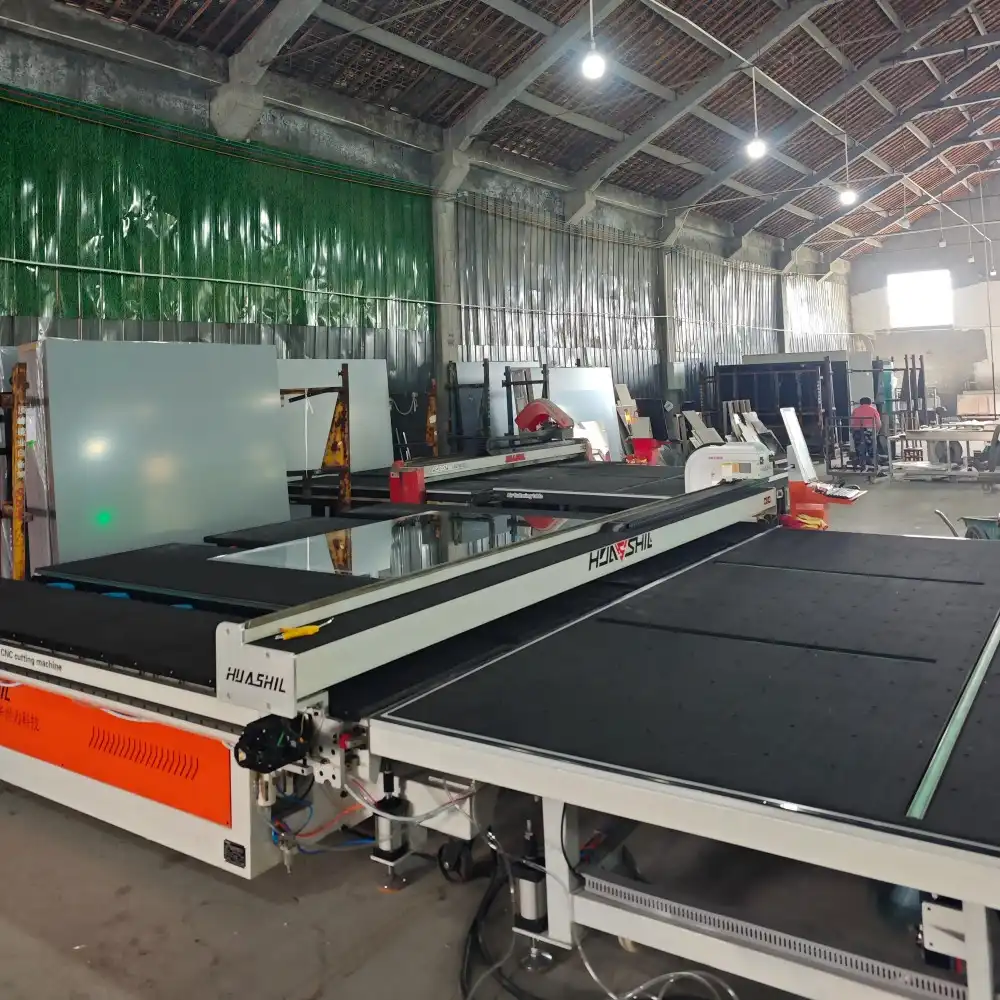
A well-thought-out glass double processing line will usually have a loading table, a cutting table, and a breaking table that work one after the other. Let's look at Huashil's HSL-LSX4228 as an example. It has a precision breaking table, an optical-guided cutting table, and an air float glass filling table all in one. The machine has two working units that can be changed based on the size of the order or the thickness of the glass. Each side has four gantry arms. The biggest piece of glass it can handle is 4200x2800 mm, which is big enough for most building and curtain wall uses.
How the Production Process Works
The glass sheets go in through the loading table. Air suspension keeps the surfaces from touching and hurting each other. The Optima optimization software then sends position data to the cutting table. This software instantly figures out the best way to cut the material. Once the goals have been scored, the cutting table finishes the division. The above-ground or underground rail system keeps the work area small and flexible so it can fit different plant floor plans.
What Sets Double Machinery Apart
A study from 2022 by the Glass Manufacturing Industry Council (GMIC) says that automated dual-processing lines can cut glass waste by up to 18% compared to single-side processes that are done by hand. In turn, that raises the amount of material that can be used and lowers the cost of production per unit, two numbers that every plant manager keeps a close eye on.
Core Criteria for Choosing the Best Float Glass Double Machinery
Every machine isn't right for every business. Make sure that the equipment specs match your real production size and product mix before you place your order.
Output Capacity and Automation Level
Find out how many sheets of float glass double machinery can be processed per hour at a certain thickness. The HSL-LSX4228 has two adjustable 2+2 stations, so you can do two jobs on each side at the same time or change the setup to print on a single 4200x2800 mm large-format sheet. More automation means less need for skilled workers, which is important in the U.S. market where labor costs are high.
Total Cost of Ownership
The price you pay up front is only one part of the issue. Think about how much energy is used per shift, how long extra parts last, and how many hours of upkeep are expected per year. A cheaper machine that is hard to find extra parts for in your area may end up costing more over five years than a slightly more expensive machine that is guaranteed to have parts available. Ask your provider for a full breakdown of the total cost of ownership (TCO) before you sign.
After-Sales Support and Warranty Terms
When buying capital tools, help after the sale is often what makes the difference. Make sure the seller offers help with installation, training for operators, and a clear guarantee period. Ask especially about wait times for spare parts. This is where many buyers run into problems after delivery.
Comparing Float Glass Double Machinery Models and Suppliers
The global market includes manufacturers from China, Germany, Italy, and the United States. Each region brings different strengths.
Double vs. Single Processing Lines
Single-edge machines work adequately for low-volume shops producing simple cut sizes. However, for plants handling architectural glass panels, curtain wall components, or high-volume furniture glass, a double-processing line cuts cycle time nearly in half. The efficiency gap widens as sheet size increases—especially for formats near the 4200×2800 mm range.
Here are the core performance differentiators worth comparing across models:
- Processing station flexibility: Configurable 2+2 stations allow operators to adapt to different order types without retooling, which reduces changeover time and supports mixed-product lines.
- Software integration: Machines equipped with optimization software like Optima generate automatic cutting layouts that reduce offcut waste and require less operator skill, making consistent quality easier to maintain across shifts.
- Rail system options: Above-ground and underground rail configurations give plant engineers the ability to integrate the machine into existing floor plans without major civil construction work.
These differentiators directly solve the production bottlenecks that most fabrication plants report—wasted material, slow changeovers, and inconsistent cut quality.
Validating Supplier Credibility
Check for ISO certification, export history, and verifiable installation case studies. Shandong Huashil Automation Technology Co., Ltd. has years of manufacturing and export experience, with customers across multiple countries. Reviewing factory tour videos and trade show participation records—such as presence at Glasstech Asia—gives procurement teams additional confidence before committing to a purchase.
Maintenance, Safety, and Operational Best Practices
Automated float glass double machinery processing equipment requires structured maintenance to stay productive. Skipping routine checks on a high-speed cutting line can lead to blade drift, which causes dimensional errors and increases float glass double-machinery breakage rates.
Routine Maintenance Priorities
Inspect cutting wheel pressure and scoring depth daily. Lubricate the gantry arm rails weekly. Check the air float table's air nozzle uniformity monthly to prevent uneven glass support. Keeping a simple logbook of these checks helps identify wear patterns early and avoids unplanned line stops.
Safety Protocols for Glass Processing Equipment
Glass processing environments carry real injury risk. Operators should wear cut-resistant gloves and safety glasses at all times near the breaking table. Emergency stop buttons must be accessible from both sides of the machine. Verify that your equipment supplier provides a safety manual and that your team receives hands-on training before running full production.
Spare Parts Management
Maintain a minimum inventory of high-wear components: cutting wheels, suction cups on the gantry arms, and air nozzle filters. For international buyers, confirm that your supplier can ship spare parts within a defined lead time—typically two weeks or less for standard components.
Financing, Installation, and Post-Purchase Considerations
Glass manufacturing lines require a lot of money to be spent on them. Most buyers in the U.S. pay a deposit and the rest when the goods are delivered, or they use a Letter of Credit for bigger orders.
Flexible Financing Paths
Leasing equipment is becoming more popular in the U.S. glass fabrication industry. Some manufacturers also offer financing plans backed by the OEM for people who want to buy whole production lines. Compare each choice to your current cash flow and the time it will take to pay for itself based on how much you expect to produce.
Professional Installation and Commissioning
When installed quickly or without factory support, even well-designed equipment doesn't work as well as it should. Ask your supplier to send commissioning engineers to your site. To get the HSL-LSX4228 to cut accurately on the first try, you need to make sure that the gantry arm is aligned correctly, the rails are level, and the Optima software cutting plan is properly calibrated.
Planning for Upgrades
Cutting and shaping glass technology moves slowly but steadily. When looking at different sources, make sure you ask if the machine's control system can handle future software changes and if the mechanical parts are made to standard sizes so that they can be upgraded by a third party in the future.
Conclusion
To choose the right float glass double machinery processing equipment, you need to make sure that the technical capabilities match the needs of the production. Before you commit, you should look at the production capacity, amount of automation, total cost of ownership (TCO), and after-sales assistance. The Huashil HSL-LSX4228 has a big maximum glass size of 4200x2800 mm, customizable processing stations, and Optima software integration. This makes it a good choice for companies that make architectural, curtain wall, and furniture glass. Find out about your supplier's background, carefully plan your installation, and start a maintenance schedule right away.
FAQ
1. How long does float glass double machinery typically last?
With proper daily and monthly maintenance, a quality glass double processing line should remain productive for 8 to 15 years. Lifespan depends heavily on operating hours, maintenance consistency, and the quality of replacement parts used.
2. Can the HSL-LSX4228 handle custom glass sizes?
Yes. The machine processes glass up to 4200×2800 mm and supports adjustable 2+2 stations, making it adaptable for both large architectural panels and smaller furniture glass formats. The station configuration can be set based on your specific order mix.
3. How long does installation and commissioning typically take?
For a full cutting line like the HSL-LSX4228, installation and commissioning generally take 5 to 10 business days, depending on factory floor readiness and civil work requirements for the rail system. Huashil provides on-site technical support during this period.
4. What optimization software does the machine use?
The HSL-LSX4228 integrates Optima cutting optimization software, which automatically generates material-efficient cutting layouts to reduce glass waste and simplify operator workload.
5. Does Huashil offer OEM or customized production line solutions?
Yes. Huashil supports OEM and ODM configurations for buyers requiring custom line layouts, specific processing capacities, or integration with existing factory equipment.
Get a Quote on HUASHIL Float Glass Double Machinery Today
HUASHIL sells float glass double machinery to manufacturing plants in North America and other places. Our engineering team provides thorough technical documentation, clear business proposals, and reliable support after the sale. We are ready to help you whether you need one machine or a whole production line. You can email salescathy@sdhuashil.com to get a price or talk to a technology expert.
Ask for a Quote. Get in touch with a technical expert. [Check Out Our Product Catalog]
References
1. Glass Manufacturing Industry Council (GMIC). Automation and Yield Improvement in Float Glass Processing. 2022.
2. Glass International Magazine. "Trends in Automated Glass Cutting Line Technology." 2023.
3. USGlass Magazine. "Capital Equipment Buying Guide for Glass Fabricators." 2022.
4. American National Standards Institute (ANSI). Safety Requirements for Glass Processing Machinery – ANSI Z97.1. 2021.
5. Glassman World. "Comparing Single and Double-Edge Glass Processing Lines." 2023.
6. Construction Specifier Magazine. "Glass Processing Technology in Curtain Wall Fabrication." 2022.